DbcultAccessing Vault...
Cult Review
Senior Film Conservator
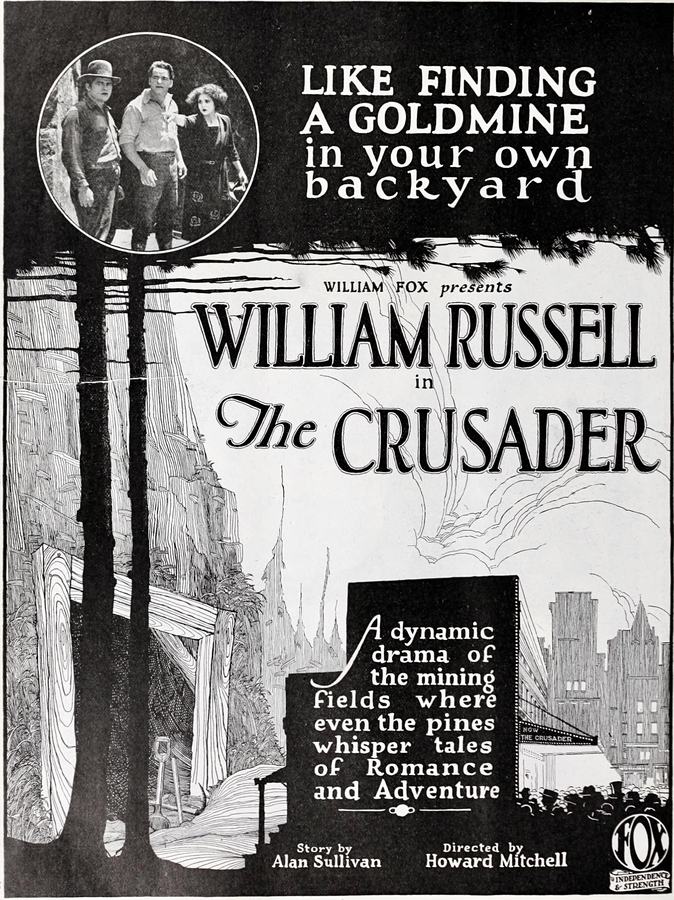
The cinematic landscape of The Crusader is a thought-provoking amalgamation of greed, deception, and the unyielding pursuit of justice, as embodied by the protagonist, Peter Brent, whose dogged determination serves as the linchpin for the narrative's progression. Set against the backdrop of the Cobalt mining district, the film masterfully weaves a complex tapestry of characters, each with their own distinct motivations and flaws, culminating in a dramatic showdown that underscores the importance of integrity and accountability.
As the story unfolds, it becomes increasingly evident that Jim Symonds, played by William Russell, is not the altruistic individual he purports to be, but rather a cunning opportunist who seeks to exploit the local citizens through the sale of worthless mining stock. This dichotomy between appearance and reality is a pervasive theme throughout the film, as characters like Brent and Symonds engage in a multifaceted game of cat and mouse, with the stakes escalating exponentially as the narrative reaches its climax.

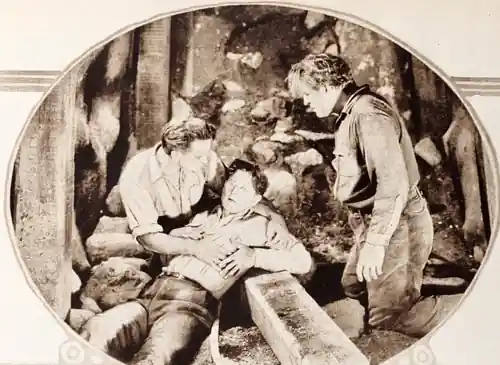
One of the most compelling aspects of The Crusader is its thoughtful exploration of the human condition, as the characters are faced with difficult choices that challenge their moral fiber and force them to confront the consequences of their actions. This is particularly evident in the character of Brent, who, despite being buried alive in a cave-in orchestrated by Symonds' cohorts, manages to escape and ultimately exact justice, serving as a testament to the resilience of the human spirit.
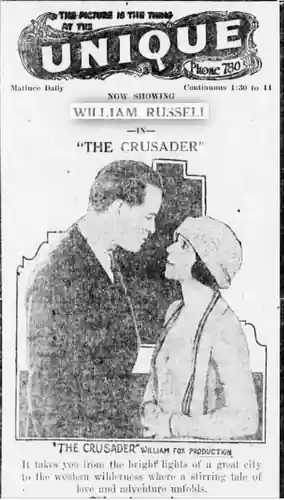
In comparison to other films of the era, such as Snobs and The Hidden Law, The Crusader stands out for its nuanced characterization and thought-provoking themes, which are expertly woven throughout the narrative by the film's writers, William K. Howard, John Stone, and Alan Sullivan. The cinematography, too, is noteworthy, with the use of yellow-tinted sequences adding a touch of warmth and intimacy to the proceedings, while the sea blue hues that permeate the film's exterior scenes serve to underscore the sense of expansiveness and possibility that defines the mining district.
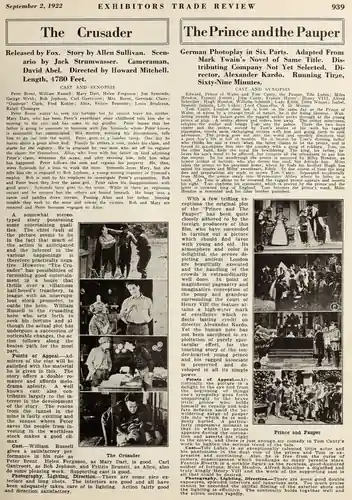
The supporting cast, which includes Helen Ferguson, George Webb, and Fritzi Brunette, delivers performances that are equally impressive, bringing a level of depth and complexity to their respective characters that serves to enrich the narrative and add depth to the film's thematic concerns. The chemistry between the actors is palpable, and their interactions are fraught with tension, as they navigate the treacherous landscape of alliances and rivalries that defines the world of The Crusader.
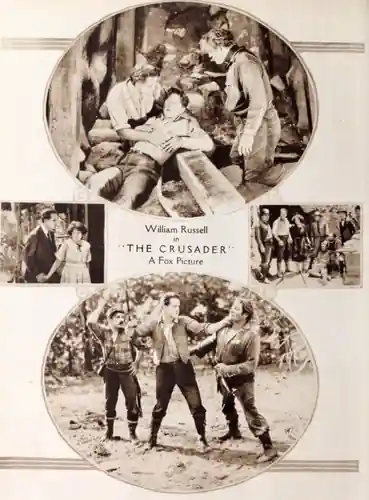
Upon closer examination, it becomes clear that The Crusader is a film that defies easy categorization, blending elements of drama, suspense, and social commentary to create a unique and captivating cinematic experience. The film's dark orange hues, which dominate the color palette, serve to underscore the sense of urgency and desperation that pervades the narrative, as the characters navigate a world in which the pursuit of wealth and power has become an all-consuming force.
In the end, The Crusader emerges as a powerful and thought-provoking film that lingers in the mind long after the credits have rolled. With its complex characters, nuanced themes, and masterful storytelling, it is a must-see for fans of classic cinema, and a testament to the enduring power of film to captivate, inspire, and challenge audiences. For those seeking to explore more films from this era, Forbidden, By Right of Purchase, and The White Terror are all worthy of consideration, offering unique perspectives on the human experience and the complexities of the human condition.
As the curtain closes on The Crusader, the audience is left to ponder the implications of the film's themes and the resonance of its characters, long after the final scene has faded to black. It is a testament to the film's enduring power that it continues to captivate audiences to this day, offering a cinematic experience that is at once timeless and timely, speaking to fundamental aspects of the human experience that transcend the boundaries of time and place. With its richly textured narrative, complex characters, and thought-provoking themes, The Crusader is a film that will continue to inspire and challenge audiences for generations to come, solidifying its place as a classic of American cinema.
IMDb 5.9
1934
Community
Log in to comment.