DbcultAccessing Vault...
Cult Review
Senior Film Conservator
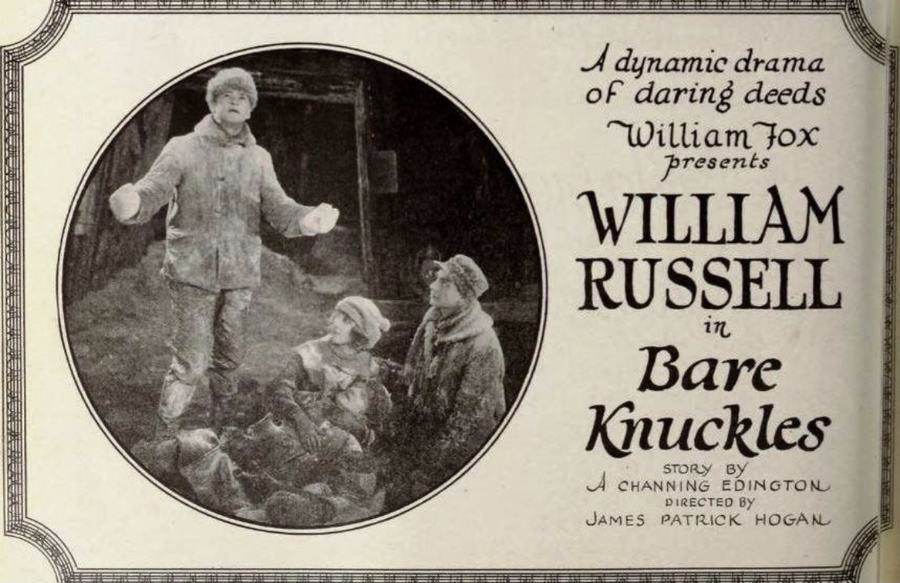
The first time I saw Bare Knuckles—a 35 mm print flickering like a wounded firefly in an Oakland archive—I understood why silents were never truly silent. The room was so quiet I could hear the shutter of the projector gasping, and in that hush Tim McGuire’s scarred shoulders spoke louder than any talkie dialogue track. William Russell doesn’t just act; he inhabits the celluloid, his eyes two guttering candles held against a hurricane of fists and guilt.
Director James P. Hogan, years before he’d be pigeonholed as a competent studio craftsman, orchestrates here a fever dream of chiaroscuro: every San Francisco street corner drips with the same Expressionist dread that The Apaches of Paris smeared across Montmartre backlots. Yet Hogan’s palette is distinctly Californian—fog that tastes of brine and gasoline, pine needles crunching like brittle promises under hobnailed boots.
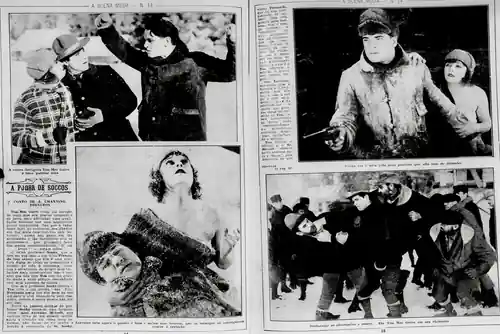
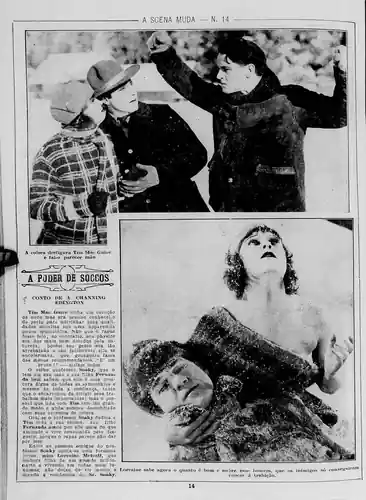
Let’s dispel nostalgia’s rosy cataract: this is not a polite morality play. The film luxuriates in the primal calculus of pain. When Tim smashes a pool cue across a thug’s clavicle, Hogan cuts to a close-up of splintered wood—an almost erotic inspection of violence’s archaeology. Censors in ’21 trimmed twelve feet of footage; the surviving reel still carries the phantom stench of blood.
Comparative context helps. Where His Father’s Wife wallowed in drawing-room Oedipal histrionics, Bare Knuckles rips the starched collar off melodrama and drags it through the sawdust of a Barbary Coast saloon. And unlike the alpine pulp of Titanenkampf, our Sierra sequences feel geologically lived-in: the dam site is a Hieronymus Bosch tableau of steam shovels, mules, and men who stink of tallow and dynamite.
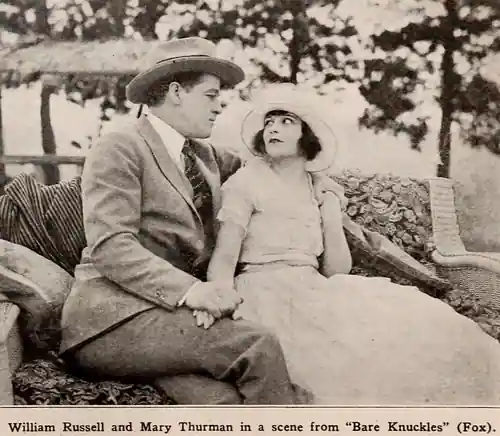
Mary Thurman’s Lorraine is no flapper prop; her pupils dilate with the same predatory curiosity that made Louise Brooks a cosmic event. Watch the moment she bandages Tim’s knuckles—her fingertips linger, counting every scar like rosary beads. The scene lasts maybe eight seconds, yet it prefigures the erotic candor von Sternberg would later coax from Dietrich.
The screenplay—credited to Hogan and A. Channing Edington—threads a Dickensian coincidence through a noir loom. A professor of classics reduced to tavern scullion? A street king gifted a kingdom of concrete and steel? Implausible, yes, but the film sells it via sensory conviction: you smell the sour mash on Abie’s breath, hear the glacier-cut granite scraping against Tim’s pickaxe.
Hogan’s visual grammar alternates between cramped interiors—where three-shot compositions feel like grappling holds—and vertiginous exteriors where the Sierras dwarf human malice. Note the kidnapping sequence: Lorraine is hustled into a Packard touring car; Hogan frames it from a cliff above, the vehicle zigzagging like a bead of mercury down a sluice. The terror is cosmic, almost Lovecraftian.
William Russell’s physique is the film’s true special effect. No steroid alchemy, just the honest architecture of a man who’s hurled beer barrels up cellar stairs. When he strips to the waist for the final showdown, muscles twitch like sacks of live snakes—an anatomical atlas of grievance. Yet his face carries the bewildered tenderness of a child yanked from sleep. That duality is why the ending lands: after hurling the dynamite into the gorge, he doesn’t flex or smirk; he simply collapses, lungs clawing for oxygen, as if realizing salvation is heavier than revenge.
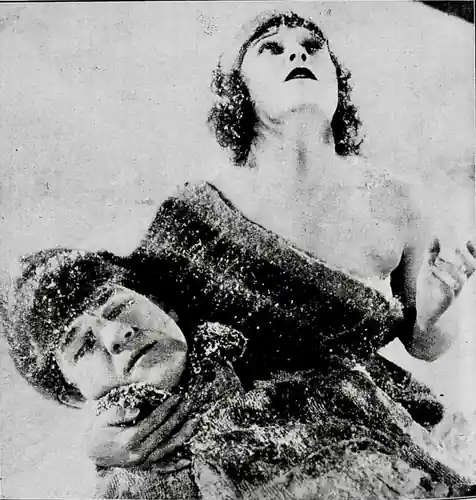
Cinematographer George Fisher—unjustly eclipsed by the era’s bigger names—deserves a posthumous ASC award. Observe the campfire scene: embers swirl upward, each spark a dying star, while Tim’s silhouette gnaws on a cigarette of home-rolled pain. Fisher achieves this with mirrors and candle stubs, predating the sodium vapor glamour of She by half a decade.
The ethnic texture is progressive for 1921. Joe Lee’s Abie—though saddled with a comic-patrician name—avoids the pidgin caricature that blighted Iris. His loyalty feels tribal, not servile, and his final punchline (a muttered “mazel tov” after Tim kisses Lorraine) undercuts the triumph with immigrant wit.
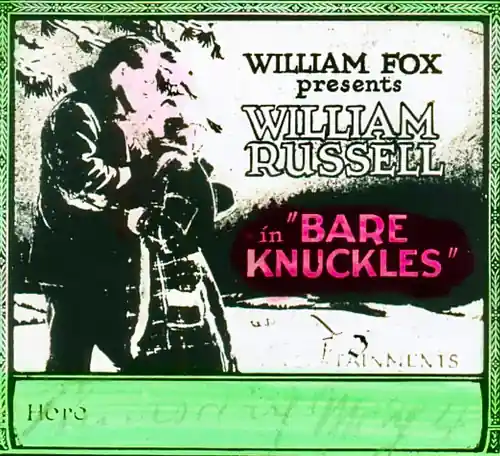
The film’s Achilles heel—like many silents—is its intertitles. Some cards drip with Victorian curlicues (“Love, like granite, is quarried in sorrow’s pit”), yanking us from the gutter poetics of the imagery. Yet even this flaw carries period perfume; you can almost taste the tin-type nostalgia.
Score preservationists should note: the original exhibition cue sheets called for Tchaikovsky’s Pathétique during the dam blast, a deliciously perverse juxtaposition that turns sabotage into tragic symphony. Modern restorations often slap on jaunty honky-tonk, neutering the grandeur. If you’re curating a home viewing, sync the Adagio lamentoso at 85 minutes and feel the mountain weep.
Feminist readings flourish: Lorraine’s agency isn’t in gun-toting bravado but in the micro-gestures—she pockets Tim’s betting slips, scribbles engineering calculations on shirt cuffs, and ultimately engineers the detour that saves the camp. Her father may sign the checks, yet she steers destiny with a raised eyebrow and a slide rule.
Compare the climax to Rebuilding Broken Lives, where redemption arrives via sermon. Here, salvation is secular, muscular, earned through calloused hands and a split-second decision to hurl death away from the innocent. Hogan secularizes grace; the dam stands not as progress but as a monument to postponed damnation.
Availability? Tragic. Only one incomplete 35 mm nitrate reel survives at the Library of Congress, and a 9.5 mm Pathescope abridgment circulates among European collectors. Bootlegs on the cyber flea market are washed-out, missing the amber-strip contrast that Fisher nursed in his lab. Yet even through the murk, Russell’s eyes blaze like twin locomotive lamps, beckoning us toward a lost Eden where fists, not algorithms, settled scores.
So why burrow into this artifact? Because Bare Knuckles is the missing evolutionary link between D. W. Griffith’s Victorian parables and the hard-boiled fatalism of Molchi, grust... molchi. It anticipates the virile melancholia of late Ford and the savage lyricism of Walsh. To watch it is to eavesdrop on cinema’s adolescence—gangly, reckless, yet already dreaming of mountains it has yet to climb.
Final note: if you do score that rare screening, bring bourbon. Sip when Tim’s first punch lands; chase it when the dynamite arcs into the abyss. By the time the end title flickers, you’ll taste the smoke of a century, and you’ll understand why some of us still worship at the altar of nitrate shadows.
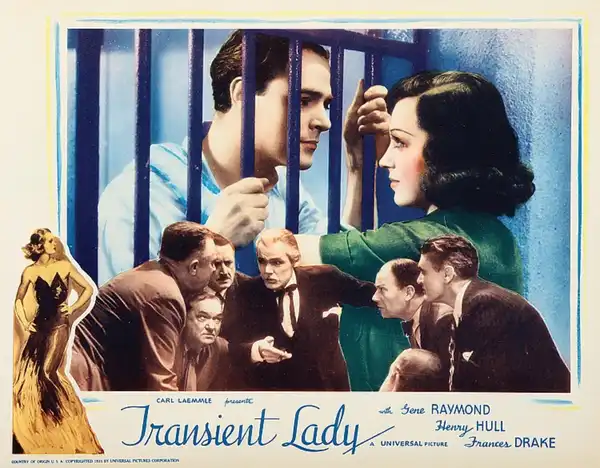
IMDb 5.2
1935
Community
Log in to comment.