DbcultAccessing Vault...
5.9/10
Senior Film Conservator
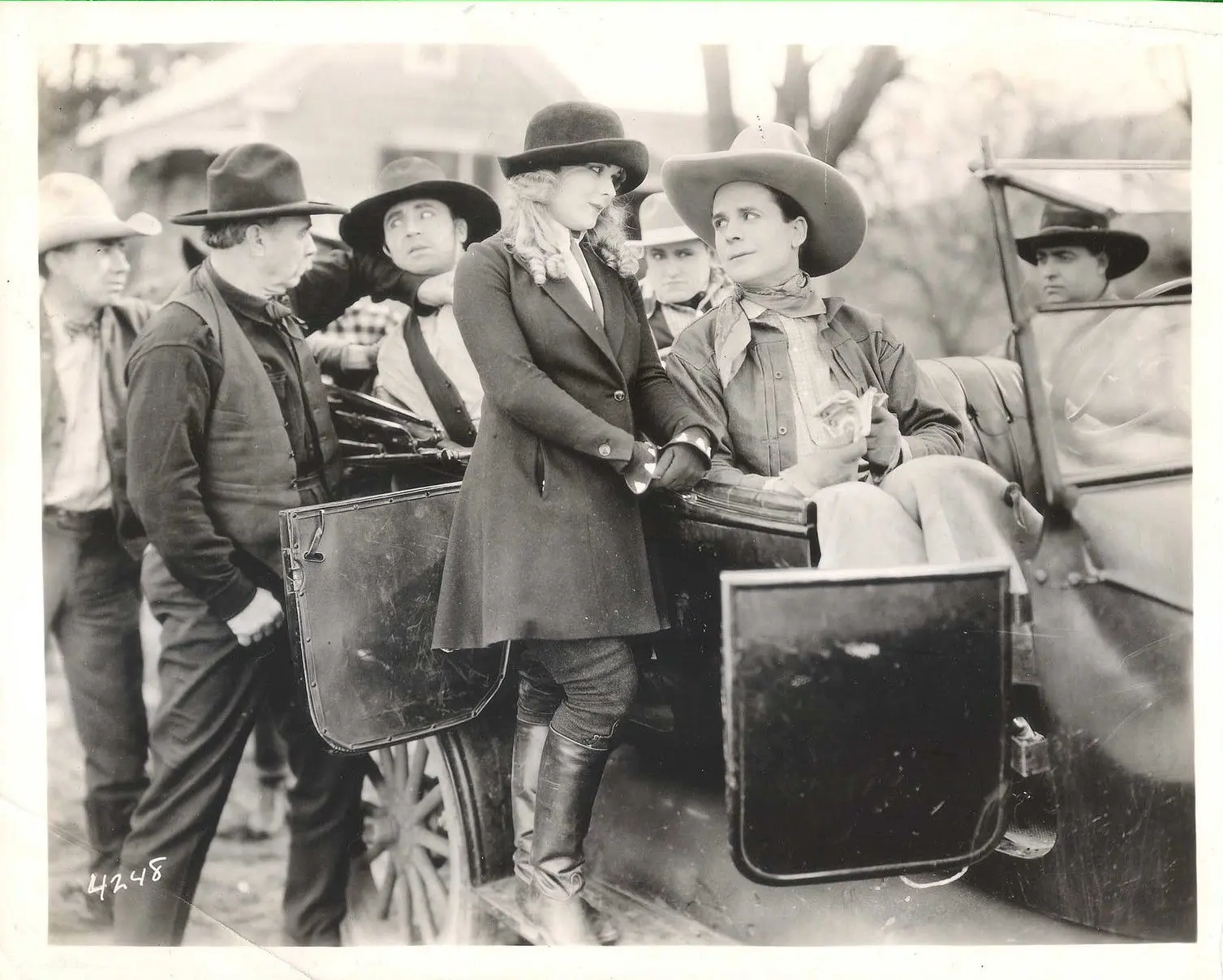
A definitive 5.9/10 rating for a film that redefined the boundaries of cult cinema. Bashful Whirlwind remains a cornerstone of transgressive art.
Is Bashful Whirlwind a silent era classic that holds up for modern audiences? Short answer: yes, but primarily for those interested in the evolution of the 'sensitive' male lead in American cinema.
This film is for viewers who appreciate character-driven Westerns and the 'accidental hero' trope; it is not for those who demand the high-octane spectacle of modern blockbusters or the complex moral ambiguity of the Revisionist Western era.
1) This film works because it subverts the hyper-masculine cowboy archetype by giving us a hero who finds his motivation in literature and internal ethics rather than raw bravado.
2) This film fails because the transition from the slow-burn ranch character study to the diamond-smuggling chase feels rushed and tonally disjointed.
3) You should watch it if you want to see a rare 1920s portrayal of an introverted protagonist forced into a traditional action role.
Bashful Whirlwind is a fascinating anomaly in the 1920s Western landscape. While many films of the era, such as The Frame-Up, focused on the physical prowess of their leads, this film chooses a different path. Bob Evans, played with a surprising amount of nuance by Edmund Cobb, is introduced not through his skill with a revolver, but through his relationship with books.
This intellectualism sets him apart from the typical ranch foreman. In one specific scene, we see Bob sitting apart from the other ranch hands, lost in a novel while they engage in physical horseplay. This moment isn't just character building; it’s a statement on the changing nature of American masculinity in the mid-1920s. Bob isn't weak; he’s just different. It’s a refreshing take that mirrors the sophistication found in urban dramas like Lady Windermere's Fan, but transposed onto the rugged frontier.
The film asks a fundamental question: can a man of thought also be a man of action? For most of the first act, the answer seems to be no. Bob is bashful to the point of social paralysis. However, the film uses the 'damsel in distress' trope—in this case, Gladys and her discovery of the diamond plot—as the catalyst for Bob's transformation. It’s a classic narrative engine, but it’s fueled by Bob’s desire to live up to the heroes in his books.
Edmund Cobb gives a performance that is remarkably restrained for the silent era. He doesn't rely on the grand, sweeping gestures common in films like Her Silent Sacrifice. Instead, he uses his eyes and his posture to convey Bob’s discomfort. When he’s around Gladys, he shrinks; when he’s reading, he expands. It’s a physical performance that tells a complete story before the subtitles even appear.
The villain, Walling, played by Monte Montague, provides the necessary contrast. Walling is the traditional Western heavy—loud, aggressive, and motivated by simple greed. The conflict between Bob and Walling is more than just a fight over stolen diamonds; it’s a clash of ideologies. Walling represents the old, lawless West, while Bob represents a more civilized, literate future. This thematic depth is what keeps the film grounded even when the plot becomes predictable.
Regina Doyle as Gladys is more than just a plot device. While her primary role is to overhear the villains and leave a note, her performance suggests a woman who sees through Bob’s bashful exterior. She doesn't mock him for his books; she respects him for them. This mutual understanding adds a layer of emotional stakes to the final chase that many contemporary Westerns lacked.
Bashful Whirlwind is worth watching if you are a student of film history or a fan of the Western genre's early evolution. It offers a unique character study that deviates from the standard 'man of few words' trope. While the action beats are standard for 1925, the emotional journey of Bob Evans provides a level of engagement that transcends the limitations of its silent format.
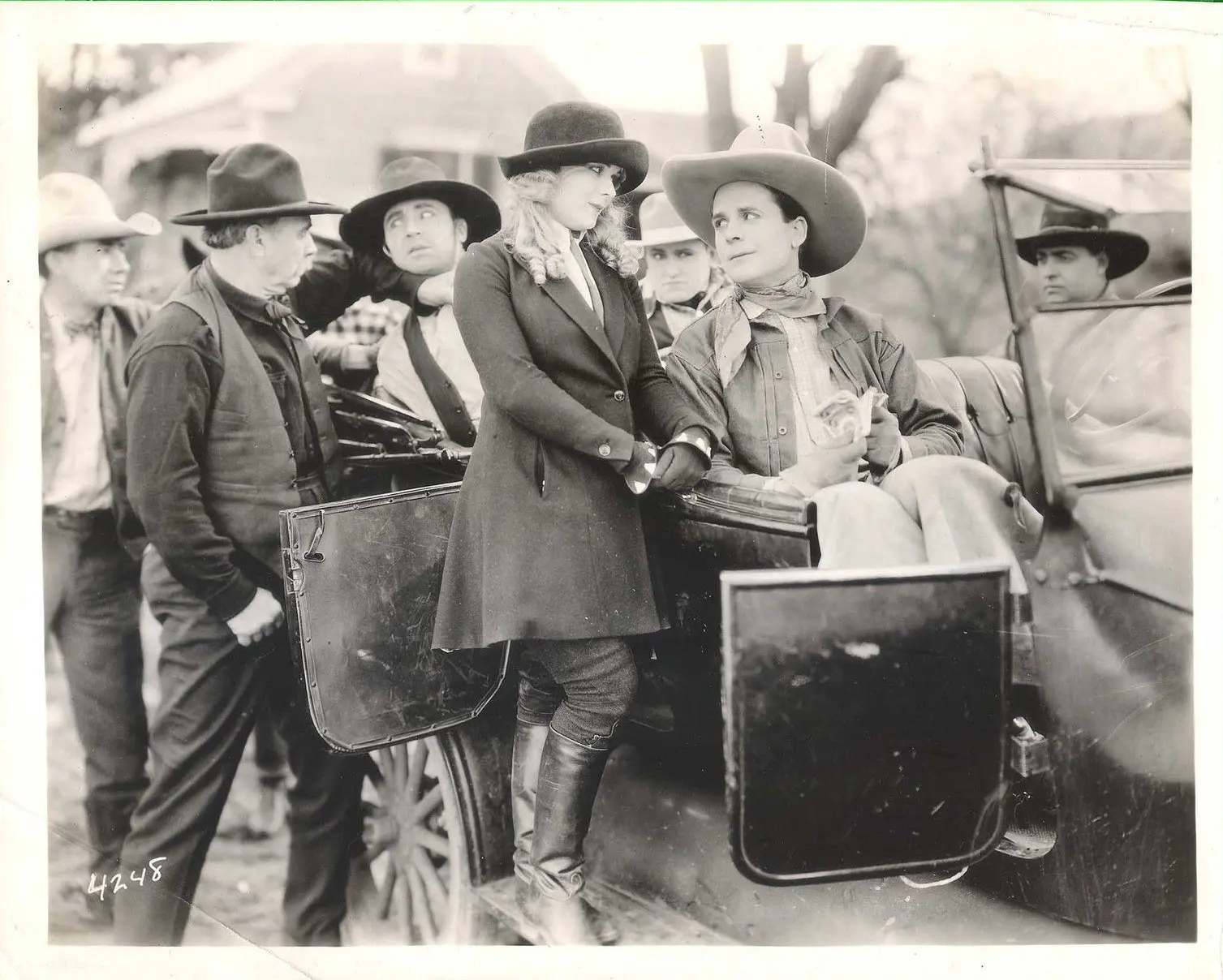
If you are looking for a film with complex cinematography or avant-garde editing, this isn't it. However, if you want a sincere, well-acted story about overcoming personal limitations, it delivers. It’s a small film with a big heart, much like its protagonist.
The direction by an uncredited hand (likely influenced by the writers Pierre Loucks) is functional but lacks the visual flair of European imports like Sången om den eldröda blomman. The ranch scenes are shot in a flat, documentary style that emphasizes the mundane nature of Bob’s daily life. This makes the transition to the pursuit of Walling feel more dramatic, even if the editing is somewhat clunky.
The pacing is the film's biggest hurdle. The first half is a slow, methodical introduction to Bob’s character. For a modern audience used to immediate hooks, this might feel tedious. However, this slow build is necessary to make Bob’s eventual 'whirlwind' transformation believable. If he became a hero in the first ten minutes, the title would lose its meaning.
The use of the 'note' as a plot device is a bit of a cliché, reminiscent of the forced coincidences in Torchy's Frame-Up. Yet, in the context of a silent Western, it serves its purpose. It moves the plot forward without requiring extensive dialogue cards. The final chase across the border is captured with solid stunt work, showcasing Edmund Cobb’s athleticism which he usually kept hidden behind Bob’s bashful exterior.
The stolen diamonds are, quite frankly, the least interesting part of the movie. They serve as a 'MacGuffin'—an object that drives the plot but has little intrinsic value to the audience. We don't care about the diamonds; we care about whether Bob will catch Walling. The film would have worked just as well if Walling were stealing cattle or land.
This is a common trait in films of this period, such as A Certain Rich Man, where the external conflict is often a placeholder for the protagonist's internal growth. In Bashful Whirlwind, the diamonds represent the 'real world' intruding on Bob’s fantasy world. To save the girl and the gems, he has to stop reading and start doing. It’s a simple metaphor, but it’s effective.
One surprising observation is how little the film relies on traditional 'tough guy' tropes. Bob doesn't suddenly become a master gunslinger. He wins through persistence and a sense of duty. This makes the victory feel earned rather than inevitable. It works. But it’s flawed in its execution of the secondary characters, who often feel like cardboard cutouts compared to Bob.
Bashful Whirlwind is a quiet triumph of character over spectacle. While it doesn't reinvent the wheel of the Western genre, it adds a layer of humanity to the cowboy figure that was often missing in the 1920s. Edmund Cobb’s portrayal of a man caught between his literary dreams and a harsh reality is both relatable and charming.
The film lacks the epic scale of The Prodigal Son, but it makes up for it with its focused narrative and thematic consistency. It is a reminder that even in the most well-worn genres, there is room for a protagonist who doesn't fit the mold. Bob Evans is a hero for the introverts, a 'whirlwind' that starts with a whisper and ends with a ride. It’s not a masterpiece, but it’s a damn fine piece of storytelling that deserves its place in the silent film canon.
IMDb 6.4
1936
Community
Log in to comment.