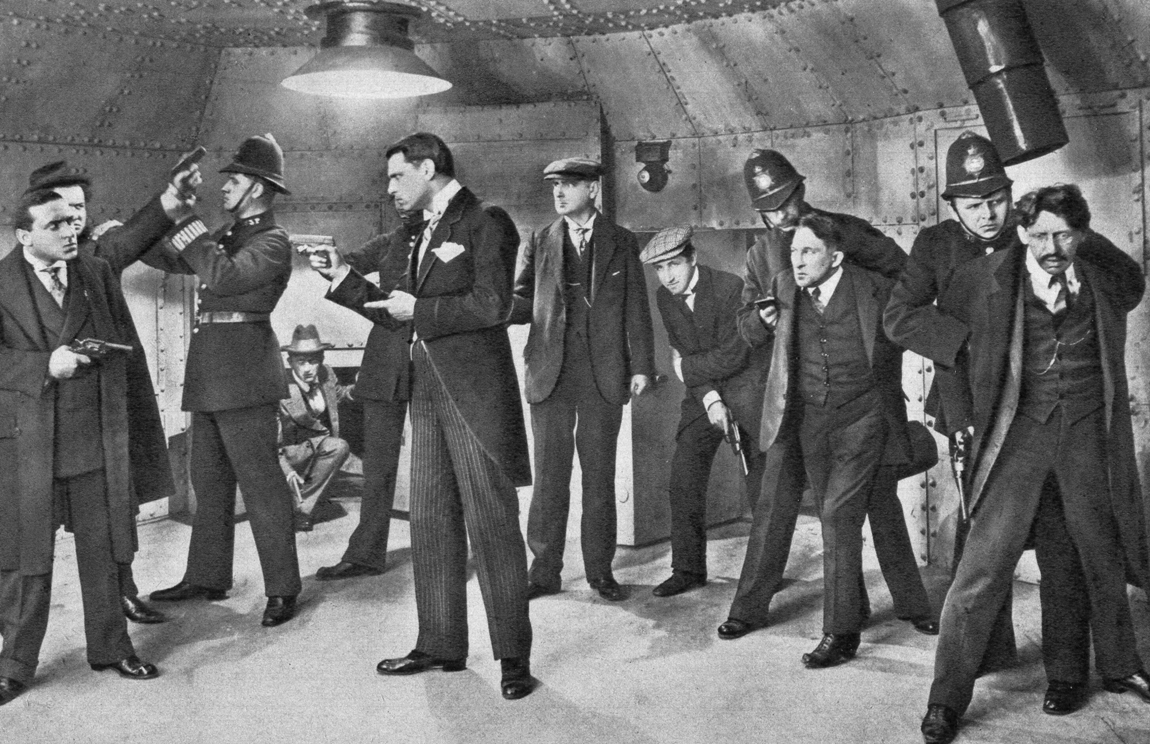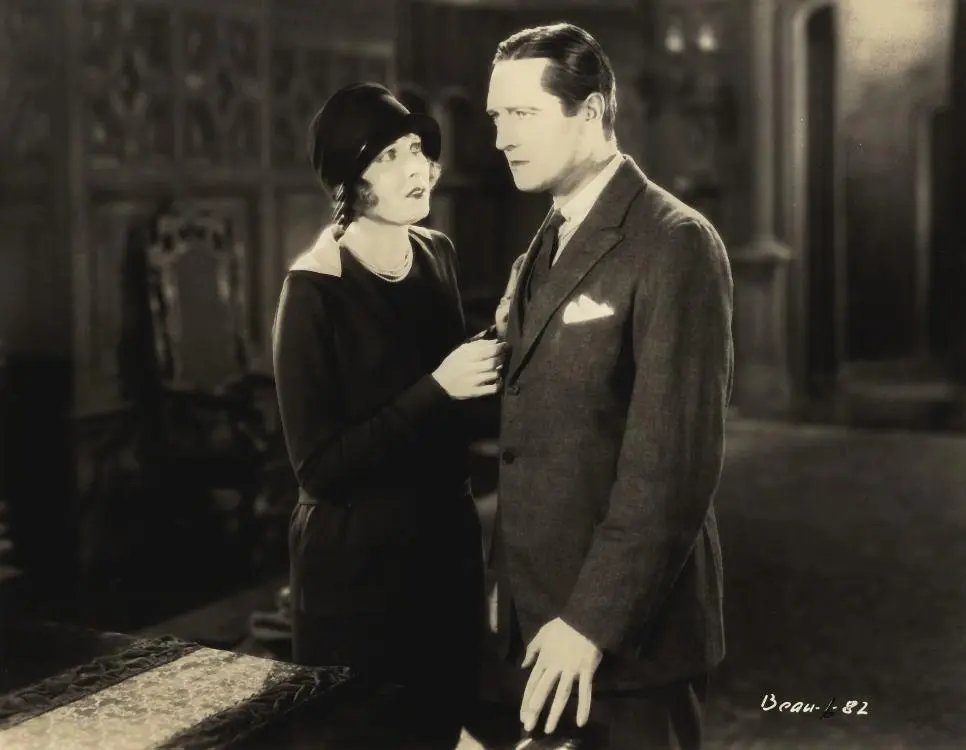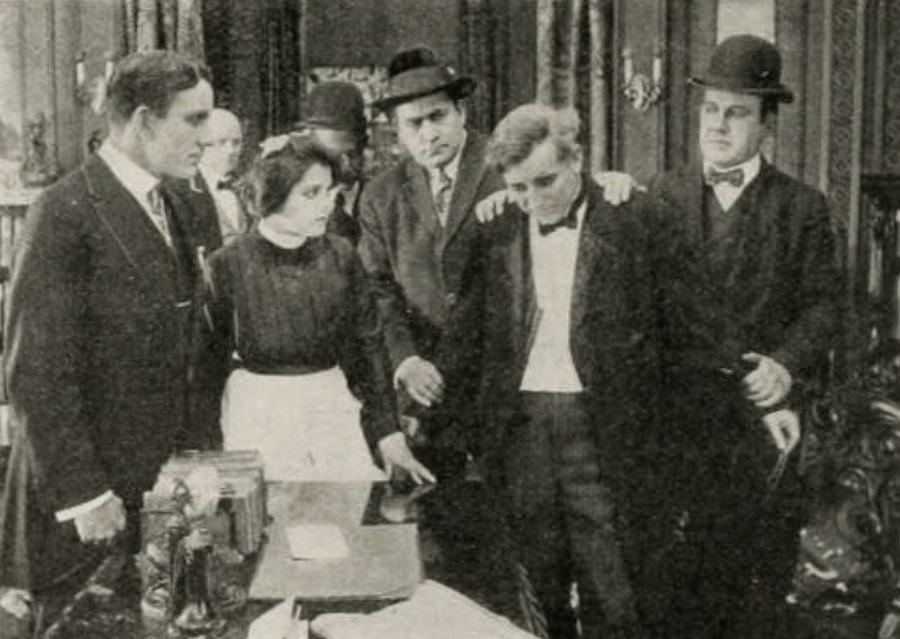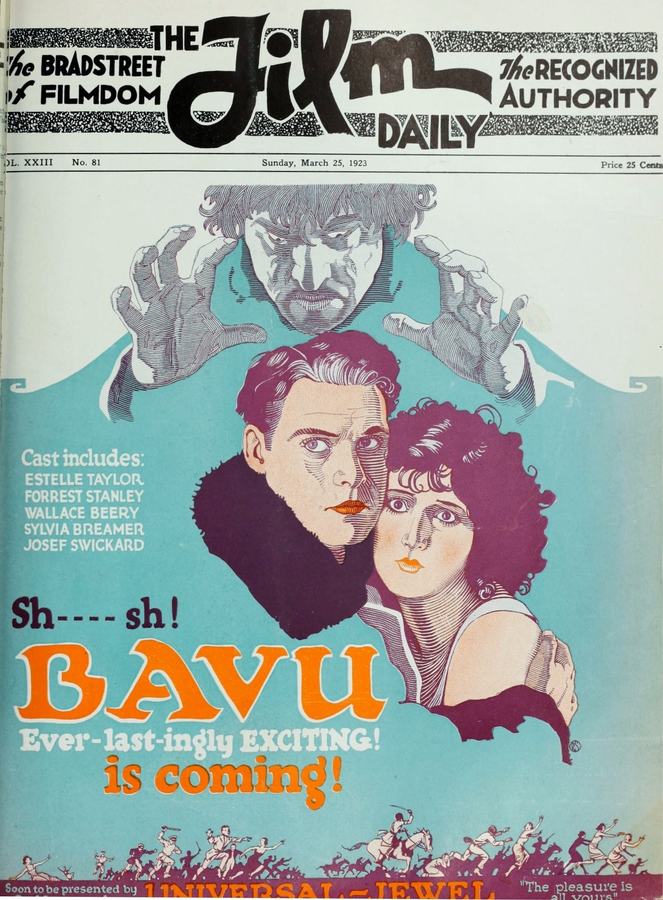
A battle of wills develops between two Russian revolutionaries, one of whom wants to destroy everything connected with the old order, and the other of whom wants to accomplish his goals with as little bloodshed as possible..
A Silent Symphony of Ideals When the reels of Bavu begin to spin, the viewer is thrust into a world where ideology is as tangible as the soot‑stained streets and as volatile as the whispered conspiracies that echo through dimly lit taverns. The film, a product of the late‑1920s, harnesses the stark visual language...
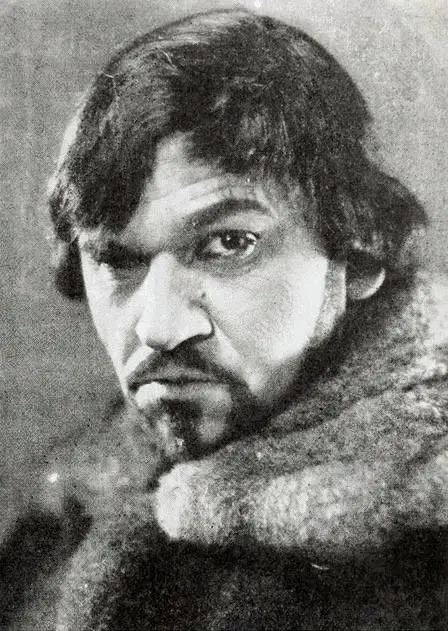
publicity
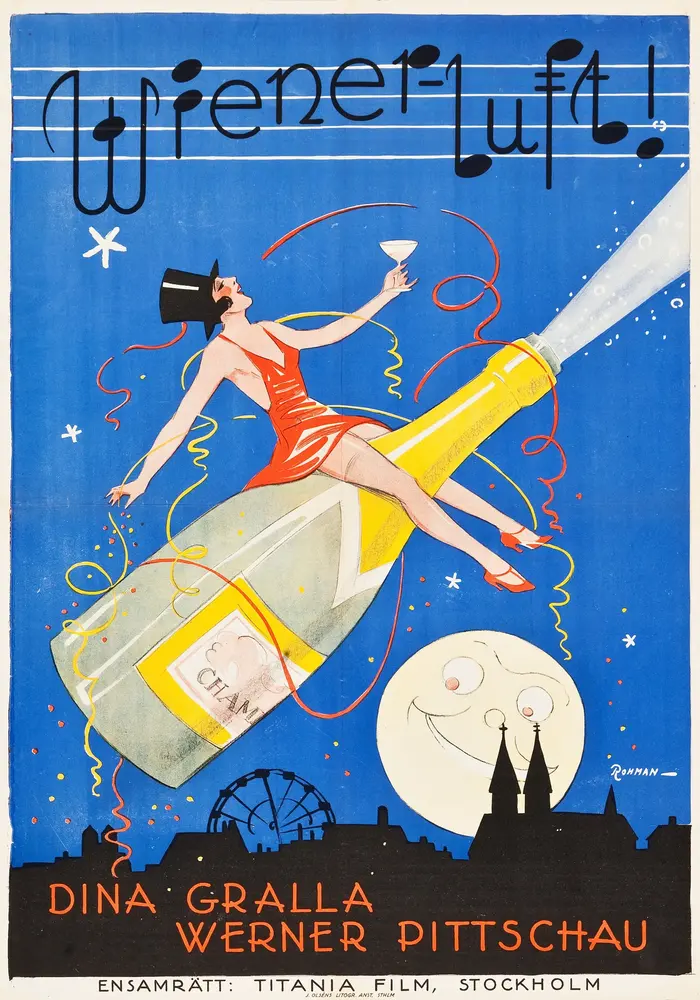
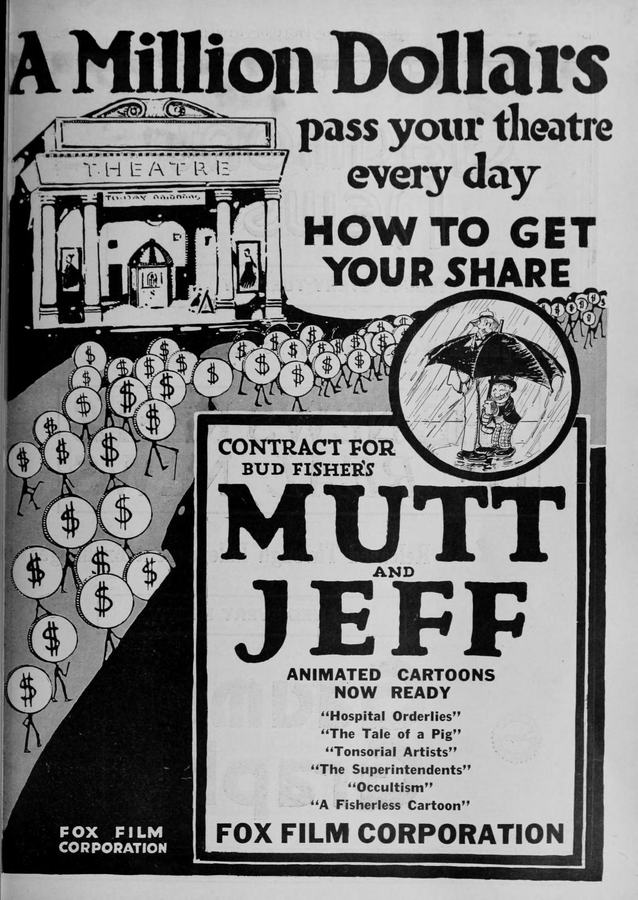
Comparing the cinematic DNA and archive impact of two defining moments in cult history.
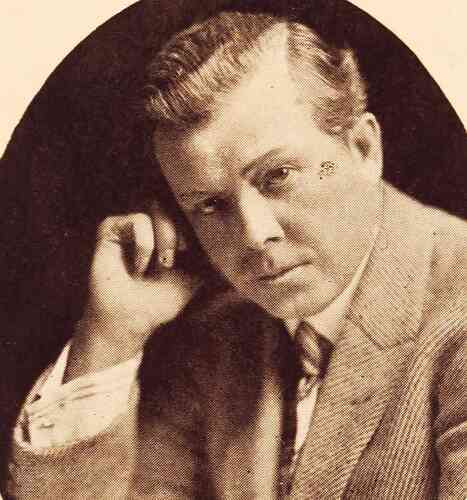
Stuart Paton
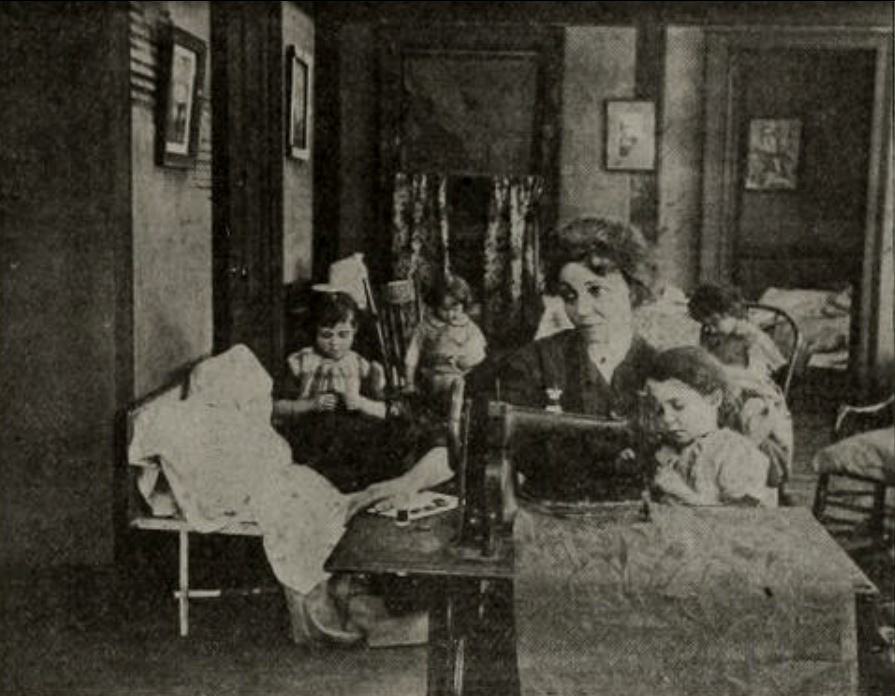
Stuart Paton
Community
Log in to comment.
" A Silent Symphony of Ideals When the reels of Bavu begin to spin, the viewer is thrust into a world where ideology is as tangible as the soot‑stained streets and as volatile as the whispered conspiracies that echo through dimly lit taverns. The film, a product of the late‑1920s, harnesses the stark visual language of silent cinema to convey a narrative that is simultaneously intimate and grandiose. Director Albert Kenyon, aided by the pen of Earl Carroll and Raymond L. Schrock, constructs a..."
Albert Kenyon, Earl Carroll, Raymond L. Schrock
United States