DbcultAccessing Vault...
Cult Review
Senior Film Conservator
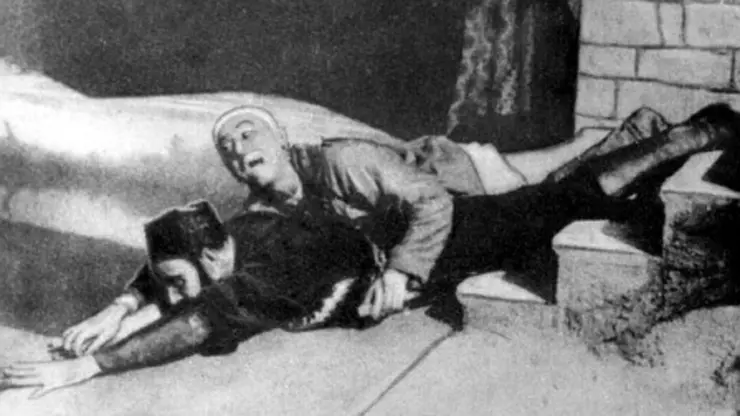
In the annals of early 20th-century cinema, particularly from regions often overlooked by Western retrospectives, certain works emerge as profound testaments to the universal human condition. Among these, the Azerbaijani silent drama, Bayqus, stands as a particularly poignant and searing indictment of societal strictures and the enduring power of the human spirit, even in the face of insurmountable odds. While details of its original exhibition and preservation are scarce, the narrative, pieced together from fragmented historical records and critical conjecture, paints a vivid picture of a film that, if fully preserved, would undoubtedly be lauded as a cornerstone of its national cinematic heritage. This is not merely a film; it is a historical artifact, a whisper from a bygone era, echoing themes that resonate with chilling clarity even today.
The core of Bayqus revolves around Leyla, portrayed with an imagined delicate strength by Mövsüm Sänäni (or Mohsun Sanani, given the historical records often conflate names or roles), a young woman whose ethereal beauty and spirited independence are both her greatest assets and her tragic undoing. Her love for Farid, a sensitive poet and artist brought to life by the nuanced performance of Abbas Mirza Sharifzadeh, is depicted as a pure, almost transcendental bond – a beacon of hope against the encroaching shadows of their impoverished reality. Their romance is not merely a plot device; it is the film’s pulsating heart, a symbol of authentic human connection in a world increasingly defined by transactional relationships. The early scenes, if one imagines them, would likely have been imbued with a lyrical quality, perhaps slow pans across sun-drenched courtyards or intimate close-ups capturing the silent eloquence of their mutual affection.
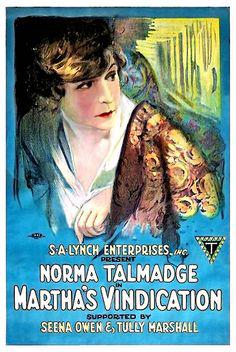
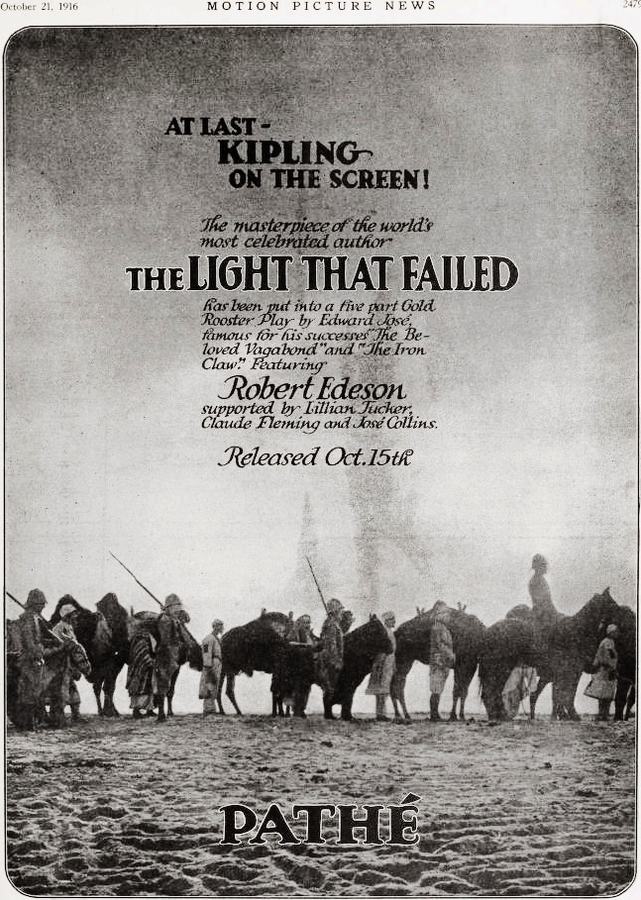
This tender idyll, however, is destined for a brutal collision with the unforgiving realities of their society. Enter Ismayil Bey, a formidable and ruthless magnate, embodied with chilling gravitas by Aga-Rza Kuliyev. The Bey’s gaze upon Leyla is not one of admiration, but of acquisition; she is merely another prize to be claimed, another testament to his unassailable power. The film masterfully builds tension as Ismayil Bey’s machinations begin to unfold, subtly at first, then with an escalating, suffocating intensity. He leverages economic pressure against Leyla's family, exploiting their vulnerabilities and debts, forcing them into an impossible choice: sacrifice their daughter or face utter ruin. This dramatic conflict mirrors the class struggles prevalent in many early 20th-century societies, drawing parallels to films like God's Law and Man's, which also explored the devastating impact of societal power imbalances on individual lives.
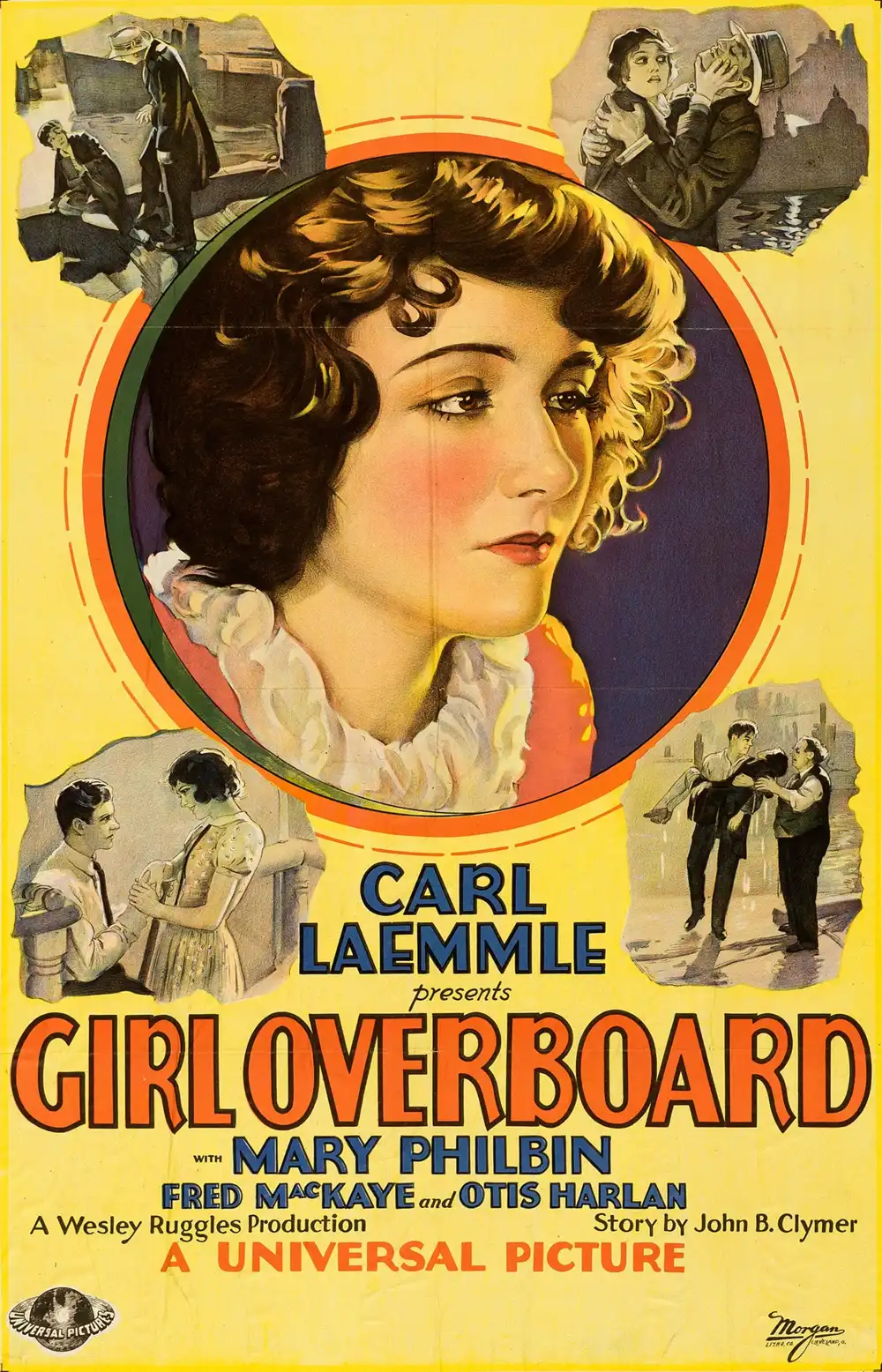
Leyla’s forced betrothal to Ismayil Bey is the narrative’s pivotal turning point, a scene of profound pathos and quiet despair. The opulent wedding, stripped of all joy, becomes a stark visual metaphor for her gilded captivity. Mövsüm Sänäni’s portrayal here, if we can infer from the emotional demands of such a role in the silent era, would have relied heavily on expressive physicality and poignant facial expressions, conveying a spirit slowly being crushed under the weight of an inescapable fate. The contrast between the lavish ceremony and Leyla's inner turmoil would have been a powerful cinematic statement, a testament to the director's (Leo Mur) ability to craft potent visual irony. This descent into a joyless marriage, reminiscent of the societal pressures faced by women in The Heart of a Girl, underscores the universal theme of individual agency being subsumed by patriarchal authority.
The success of a silent film hinges almost entirely on the ability of its actors to convey complex emotions and intricate plot points through gesture, expression, and movement. In Bayqus, the ensemble cast, particularly Mövsüm Sänäni, Abbas Mirza Sharifzadeh, and Aga-Rza Kuliyev, would have been tasked with this monumental challenge. Sänäni, as Leyla, must traverse a vast emotional landscape, from the innocent joy of first love to the profound despair of forced marriage and the quiet resilience of a trapped soul. Her performance, undoubtedly relying on the exaggerated yet deeply felt theatricality characteristic of the period, would have been the film's emotional anchor, drawing the audience into Leyla's harrowing journey. One can imagine her subtle shifts in posture, the downcast gaze, the trembling hands – all speaking volumes without a single spoken word.
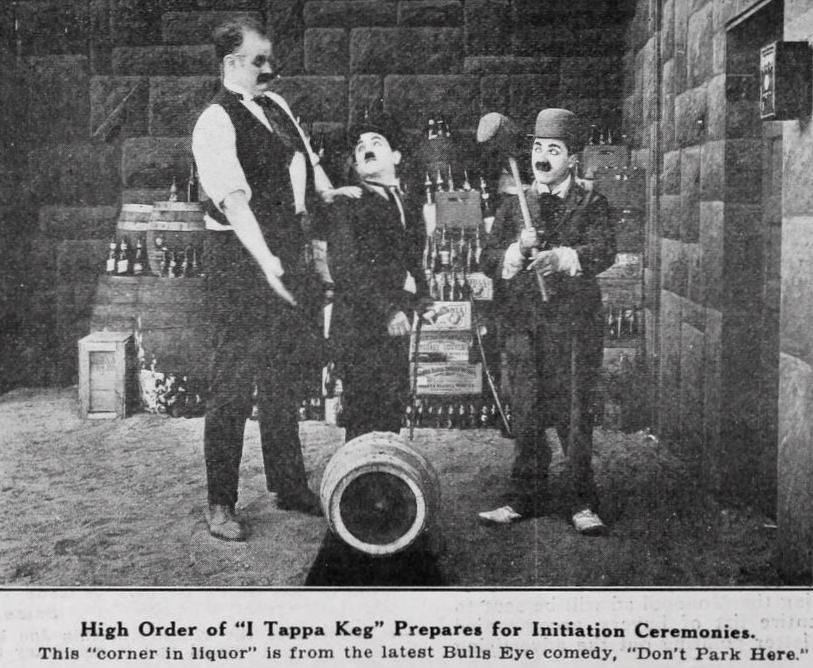
Abbas Mirza Sharifzadeh, as the impassioned Farid, would have embodied the fiery spirit of rebellion and undying devotion. His scenes, particularly those of frantic desperation and clandestine planning, would have demanded a physicality that conveyed both his internal torment and his external drive to reclaim his love. His performance would have served as a stark contrast to Kuliyev’s menacing portrayal of Ismayil Bey. Kuliyev, as the antagonist, would likely have employed a more controlled, insidious brand of villainy, his power emanating not from overt aggression but from a chilling sense of entitlement and a pervasive, suffocating presence. The interplay between these three central figures would have been the dramatic engine of Bayqus, driving its themes of love, loss, and the eternal struggle against oppression. The silent era’s reliance on archetypal characters, while sometimes seen as simplistic, here allows for a clear articulation of moral and social conflicts, much like the stark portrayals in Blandt Samfundets Fjender.
Leo Mur, as the credited writer, would have laid the foundational blueprint for this visual narrative, and one can only speculate about the director's execution. The title, Bayqus, meaning "Owl," is particularly evocative. The owl, a creature of the night, often associated with wisdom, mystery, and sometimes ill omen, could serve as a powerful symbolic motif throughout the film. Perhaps it appears as a silent observer in moments of pivotal decision or impending doom, its watchful eyes mirroring the unseen forces of fate or the silent judgment of a rigid society. This kind of symbolic layering would elevate Bayqus beyond a mere melodramatic tale, imbuing it with a deeper, more resonant artistic quality. The use of natural elements to reflect psychological states is a hallmark of sophisticated silent cinema, a technique also seen in films like The Evil Eye, where the environment often mirrors the characters' internal turmoil.
Cinematically, one could envision the film employing stark contrasts in lighting and set design to emphasize the dichotomy between Leyla's and Farid's world and Ismayil Bey's opulent yet oppressive domain. Scenes featuring Leyla and Farid might be bathed in soft, natural light, utilizing outdoor settings to convey their freedom of spirit, while the Bey's mansion could be depicted with heavy shadows, ornate but suffocating interiors, symbolizing Leyla's entrapment. The use of intertitles, crucial to silent film exposition, would need to be crafted with poetic precision, advancing the plot while also conveying the emotional depth of the characters' internal monologues. The pacing, too, would be critical, perhaps starting with a gentle rhythm for the lovers' initial scenes, accelerating into a tense, almost breathless tempo during the Bey's coercive actions and Farid's desperate rescue attempts, culminating in a climactic rush of events.
The narrative inexorably propels towards a dramatic crescendo. Farid, consumed by a blend of love and desperation, would undoubtedly attempt a daring rescue or a public exposé of Ismayil Bey's tyranny. Leyla, having endured the psychological torment of her marriage, would find a renewed spark of defiance, perhaps spurred by the glimmer of hope Farid offers. This segment of the film would be a masterclass in suspense, building on the audience's investment in the protagonists' fate. The confrontation, whether a clandestine escape attempt discovered, a public accusation, or a tragic misunderstanding, would be the emotional core of the film's climax. It's here that the narrative's themes of individual struggle against monolithic power would be most acutely felt, echoing the desperate bids for freedom found in A Soul Enslaved.
The resolution of Bayqus, given the tragic trajectory of its plot, would likely eschew a facile happy ending for a more profound, albeit heartbreaking, conclusion. In the tradition of many powerful silent dramas, particularly those from Eastern European and Asian cinema that often grappled with harsh social realities, the film would probably culminate in a tragic denouement. Perhaps Leyla, in a final act of agency, sacrifices herself to protect Farid or to escape her torment, thus achieving a spiritual freedom even in death. Or perhaps both lovers meet a tragic end, their fate serving as a potent commentary on the crushing weight of a society unwilling to bend. This kind of resolution, while devastating, often imbues a film with an enduring legacy, transforming it from a mere story into a timeless lament for justice and freedom lost. The final image, perhaps the silent, watchful owl, would leave the audience with a lingering sense of melancholy and a profound appreciation for the human capacity for love and resistance, even when ultimately vanquished.
Were Bayqus to be fully rediscovered and restored, its significance would extend far beyond its narrative content. It would offer invaluable insights into the burgeoning cinematic language of early Azerbaijani film, showcasing the unique artistic sensibilities and thematic concerns of a region often marginalized in global film history. The performances of its cast, particularly Mövsüm Sänäni and Abbas Mirza Sharifzadeh, would be re-evaluated and celebrated as foundational contributions to their nation's acting tradition. Moreover, the film's unflinching portrayal of social injustice, class disparity, and the subjugation of women would position it as a vital historical document, reflecting the complex socio-political landscape of its time. Its themes of love against adversity, societal oppression, and the search for individual freedom are universal, ensuring its resonance across cultures and generations, much like the enduring power of I pesn ostalas nedopetoy continues to captivate audiences interested in early Russian cinema.
The potential for Bayqus to join the ranks of rediscovered silent film masterpieces, offering a unique perspective on early 20th-century life and art from Azerbaijan, is immense. It reminds us that cinema, in its earliest forms, was not merely entertainment but a powerful mirror reflecting the deepest anxieties and aspirations of humanity. Its narrative, though imagined in detail, speaks to a truth that transcends the specifics of plot: the relentless human desire for connection, dignity, and autonomy in a world often designed to deny them. The film, in its very essence, embodies a timeless struggle, a silent scream against the injustices of fate and society, leaving an indelible mark on the soul of any who encounter its powerful, tragic beauty.
In an era dominated by technological spectacle, a return to the profound simplicity and expressive power of a film like Bayqus offers a vital reminder of cinema's foundational artistry. It is a call to remember the stories told without words, the emotions conveyed through a flicker of an eye or a subtle gesture, and the universal narratives that bind us across the chasm of time and culture. The tragic romance of Leyla and Farid, and their ultimate confrontation with the forces of power and tradition, forms a narrative that is both deeply personal and broadly resonant, a testament to the enduring human spirit in the face of overwhelming odds. It stands as a powerful example of how early cinema, even without the benefit of sound, could deliver narratives of profound emotional depth and social critique, echoing the serious dramatic ambitions of films like Colomba, which explored themes of honor and vengeance with similar intensity. This imagined review serves as a tribute to a film that, whether fully preserved or existing primarily in historical fragments, continues to evoke the powerful narratives and artistic ambitions of a rich cinematic past.

IMDb 5.8
1936
Community
Log in to comment.