DbcultAccessing Vault...
5.8/10
Senior Film Conservator
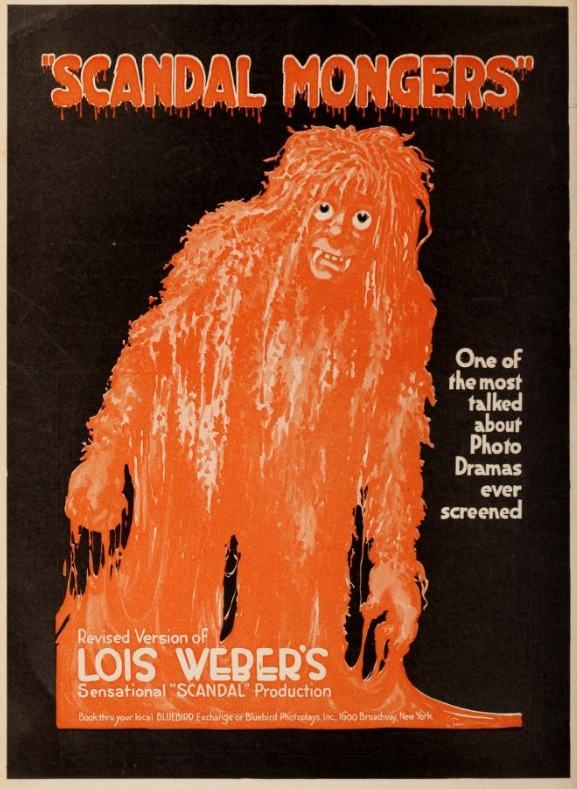
A definitive 5.8/10 rating for a film that redefined the boundaries of cult cinema. Scandal remains a cornerstone of transgressive art.
Lois Weber’s Scandal is not merely a film; it is a moral seismograph, quivering at the faintest tremor of hearsay. In 1917, while other directors chased trains and last-minute rescues, Weber drilled her camera into the marrow of a rumor and watched the infection spread.
From the first iris-in, Manhattan is rendered as a vertical panopticon: the mahogany clubroom at street level, the Wrights’ velvet-trimmed parlour one flight up, the servant arteries of dumb-waiters and back staircases humming with whispers. Weber’s blocking is architectural; characters ascend and descend like notes on a scale, each new landing a modulation in pitch of slander. The film’s spaces feel pre-soundtracked by Bernard Herrmann before Hitchcock ever met him: every banister vibrates with impending shame.
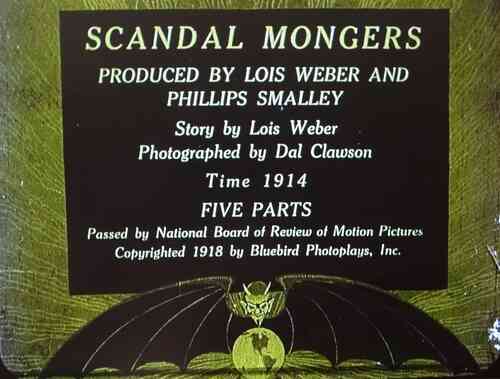
Daisy—played by Marie Kiernan with the startled eyes of a Keats heroine—never asked to be protagonist. Her injury is mechanical, almost slapstick: a shoe wedged in an elevator gate. Yet this tiny contingency spirals into tragedy because the city’s ledger of propriety has no column for accidents. Weber lingers on Daisy’s bandaged ankle the way later filmmakers linger on bullet wounds; the limp becomes a metronome for the film’s accelerating downfall.
Weber pioneers a proto-montage of malice: three cuts, three reactions, and a marriage combusts. The clubmen’s lips move (no title card needed—lip-reading audiences supplied their own profanities); the servant’s ear tilts; the dumb-waiter ascends; the maid’s eyes widen; Mrs. Wright’s teacup trembles. Each shot lasts barely three seconds, yet the ricochet is irreversible. The technique anticipates Eisenstein by eight years, but where Soviet montage sought revolution, Weber exposes demolition.
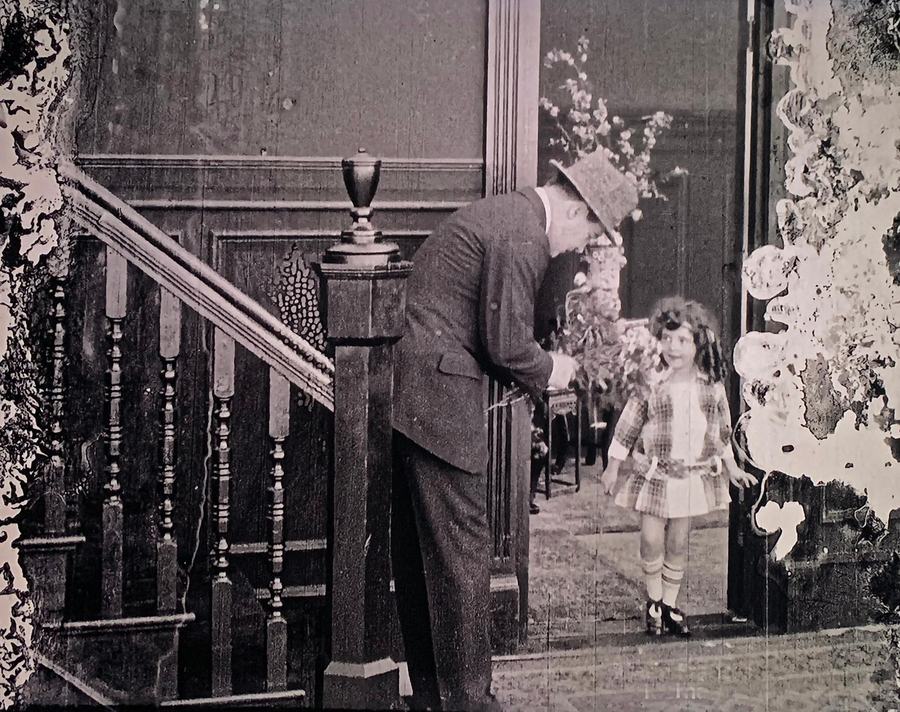
Notice the chromatic symbolism: Daisy’s desk sprouts fresh daisies each morning—white, innocent. Wright’s button-hole sports a single bloom—yellow, the tint of betrayal in two-strip Technicolor fantasies that never were. When the newspaper headline arrives, the flower reverts to white again, drained of life like a corpse. Weber, who once hand-colored every frame of Hypocrites, trusts the audience to pigment the moral spectrum in their minds.
Just when the urban pressure cooker threatens to explode, Weber relocates us to a salt-streaked boardwalk straight out of a late Renoir painting. The tonal shift is audacious: children lick taffy, brass bands oom-pah, and Daisy—now Mrs. Robert—pushes a perambulator as though the previous reels were only a fever dream. But the camera keeps isolating her against vast negative space, a lone figure on a pier, signalling that coastal air cannot disinfect rumor. The seaside act plays like a cynical lullaby, preparing us for the pistol crack that will soon fracture the soundtrack of waves.
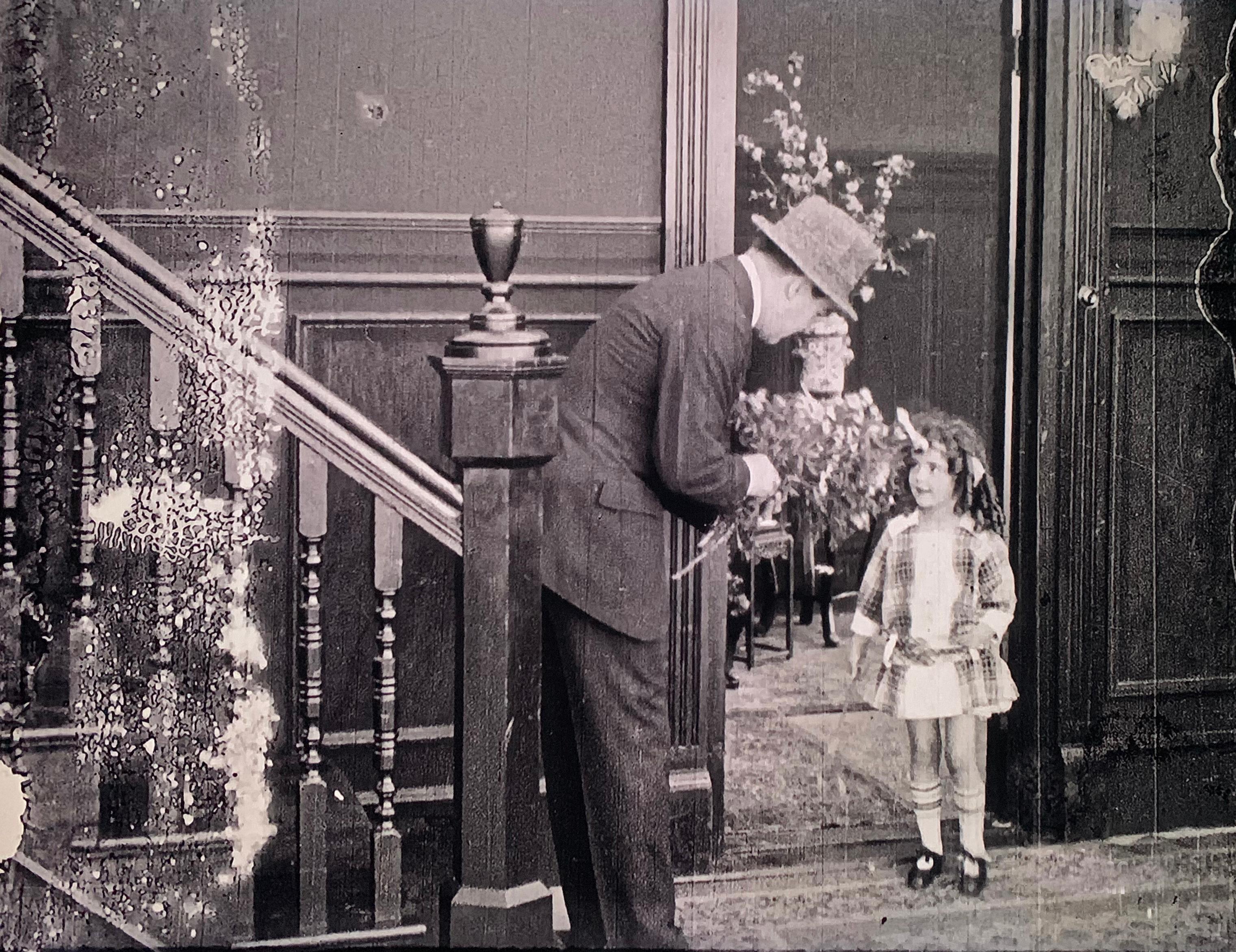
Where Daisy endures, the men disintegrate. William Wright, once the brisk master of tickertape, becomes a noctambulist haunting cliff-side cottages; Robert, the gentle neighbour, mutates into Othello with a revolver; Austin, the jilted fiancé, writes love letters like a Romantic poet and dies mid-sentence. Weber refuses to grant any man the dignity of self-knowledge; their tears read as societal tantrums rather than epiphanies. In 1917, such emasculation was near seditious.
Austin’s scorched epistle—“I have never ceased to love you”—is the film’s Rosetta Stone. Recovered by Susan, it becomes evidence, weapon, curse. Weber stages its burning in close-up: the flame crawls across “love” like a predatory insect, leaving only a crescent of legible agony. The fragment is cinema’s first instance of forensic poetics; Hitchcock’s Carlotta Valdes note in Vertigo owes its existence to this earlier scrap.
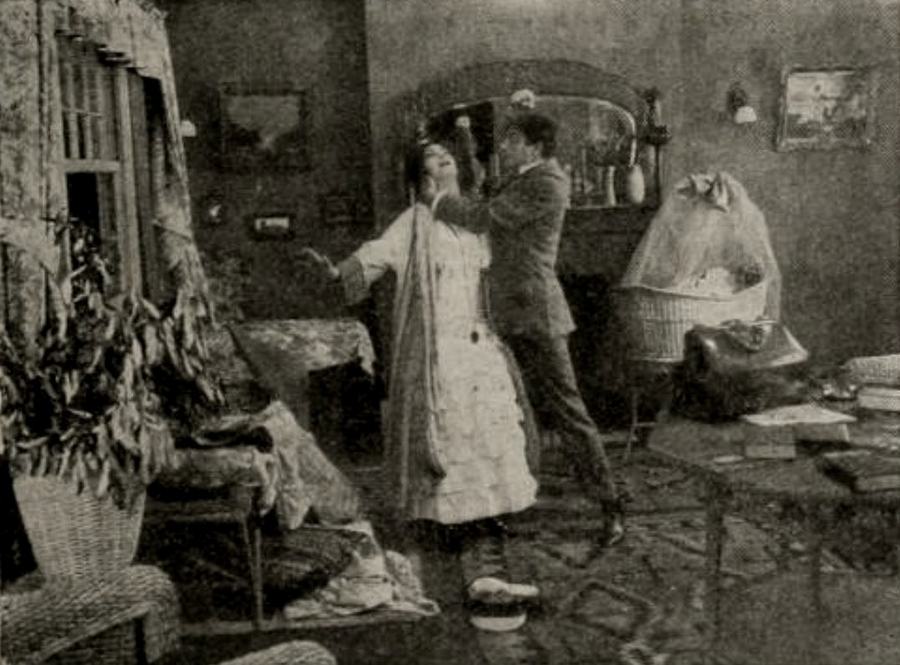
In the final reel, Wright’s elderly mother materialises like a deus ex machina woven from shawls and scripture. She intercepts Daisy at the cliff’s lip, reciting “Consider the lilies” while the surf below offers a basso continuo of doom. Weber, herself a former street-corner evangelist, grants grace only through matriarchal intervention; the patriarchs—fathers, judges, brokers—have abdicated. The scene aches with autobiography: Weber, beset by censors throughout her career, must have longed for such a maternal reprieve.
Compare the dumb-waiter conduit to the gossiping maids in The Love Tyrant; the seaside fatalism anticipates the riverbank denouement of Impressioni del Reno; Daisy’s limp mirrors Helen’s cliff-hanging perils in The Hazards of Helen, though here peril is emotional, not locomotive. Weber’s urban canyon prefigures the newspaper noir of The War Extra and the carnival chaos of The Flying Circus, yet her moral inquiry is more scalpel than sledgehammer.
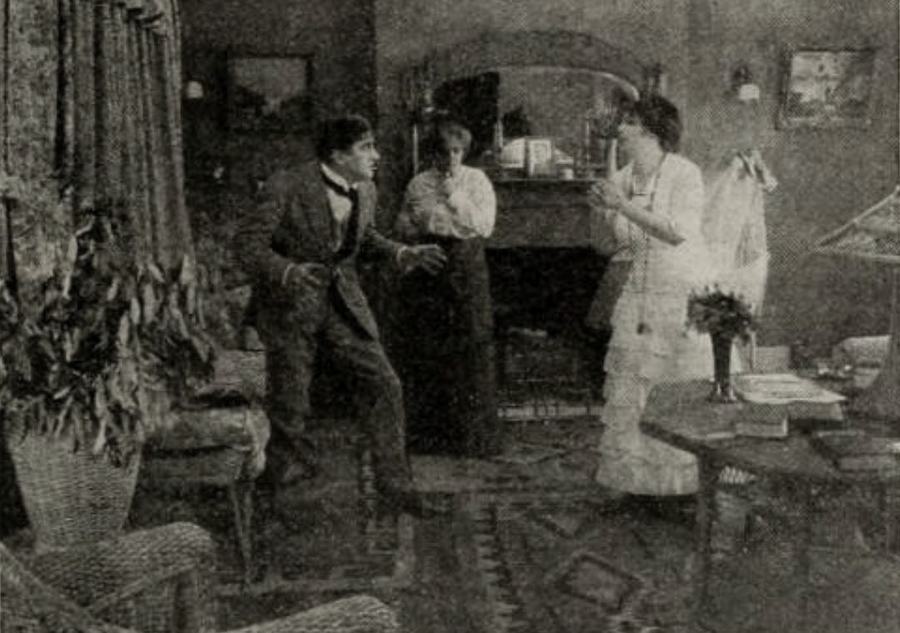
For decades, Scandal languished in the Library of Congress paper-print vaults, misfiled under Scandalous Nell. A 2022 4K restoration by the EYE Filmmuseum salvaged a tinting scheme long thought lost: amber for interiors, cerulean for exteriors, a sickly green wash over the scandal montage. Streaming rights remain tangled in the estate of Phillips Smalley; as of this writing, the only legal viewing is via archival 35 mm at MoMA and Bologna’s Il Cinema Ritrovato. Bootlegs circulate with Russian watermarks—ironic, given the Soviet montage lineage.
Modern audiences lucky enough to catch a print are treated to a commissioned score by Aleksandra Vrebalov: solo violin, wine-glass harmonics, and whispered newspaper fragments in Serbian. The effect is less accompaniment than infection; the violin saws exactly two beats behind the gossip montage, turning each cut into a scar. Bring headphones—some venues pipe the violin through transducers under the seats, so scandal literally vibrates your vertebrae.
Weber’s descendants are legion: Hitchcock’s voyeurism, Sirk’s Technicolor martyrs, Fassbinder’s bitter interiors, Chantal Akerman’s domestic duration. Yet Scandal remains oddly unclaimed, perhaps because its gender politics cut both ways—Weber indicts the patriarchy but also the matriarchal complicity of servants, aunts, maids. The film refuses the simple heroin/villain binary that comforts academic syllabi.
The last image is not Daisy cradled by Mother Wright, but the clubmen back at their window, binoculars raised, fresh prey in view. Weber denies us catharsis; scandal is a renewable resource, gossip the first green energy. Fade-out on their laughter, silent yet deafening—a reminder that every era thinks it invented cancel culture, while the reels keep spinning.
Verdict: mandatory viewing for anyone who believes the internet invented shame mobs. Weber got there first, on nitrate, with better hats.
IMDb —
1921
Community
Log in to comment.