DbcultAccessing Vault...
5.7/10
Senior Film Conservator
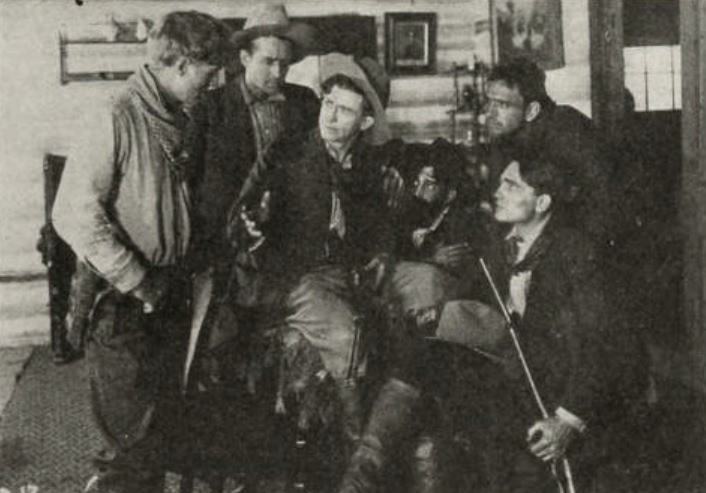
A definitive 5.7/10 rating for a film that redefined the boundaries of cult cinema. Beating Back remains a cornerstone of transgressive art.
When the dust settles on the opening frames of Beating Back, the viewer is introduced to Al Jennings (played by the real‑life Al J. Jennings), a lawyer whose pedigree is as polished as the courtroom benches he once occupied. The film does not waste time with melodramatic exposition; instead, it thrusts us straight into the visceral aftermath of his brother Ed’s murder. The scene is shot in stark, high‑contrast black‑and‑white, the kind of visual economy that forces every expression to carry narrative weight.
The opening act is a masterclass in silent‑era storytelling. Two shadowy figures ambush Ed, firing a single, fatal shot to the back. Al’s reaction is not a mournful sigh but a clenched jaw and a firestorm of righteous anger. This is not a mere familial grievance; it is a challenge to the very fabric of justice in a lawless territory where the line between sheriff and outlaw blurs with each passing sunset.
Just as Al begins to marshal his grief into a plan of retribution, the plot introduces a cruel twist: he is falsely accused of a robbery he never committed. The accusation is a classic narrative device—an external pressure that forces the protagonist into a crucible of moral testing. The sheriff’s men, depicted with exaggerated moustaches and brass buttons, pursue Al with a relentless vigor that feels almost comical in its caricature, yet the tension is palpable.
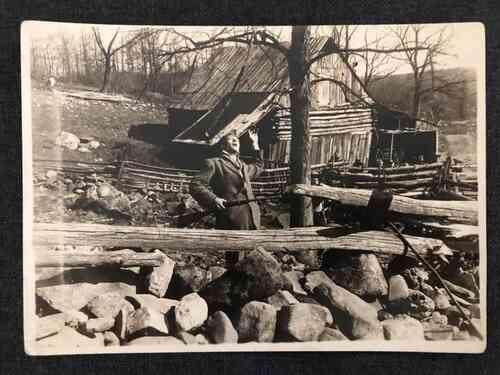
Al’s escape is a kinetic sequence of horse‑back chases, narrow canyon squeezes, and a dramatic shoot‑out where he is riddled with bullets. The film’s editing—quick cuts between the posse’s frantic riders and Al’s desperate gallop—creates a rhythm that mirrors his racing heartbeat. Despite the grievous wounds, Al’s survival feels inevitable, a testament to the mythic resilience often ascribed to frontier heroes.
In a moment that could be interpreted as both a practical necessity and a symbolic gesture, Al robs a small country store. The act is not glorified; the camera lingers on the trembling hands of the shopkeeper, the empty cash drawer, and the quiet desperation in Al’s eyes. This scene underscores the film’s thematic preoccupation with the thin veneer separating lawful conduct from lawlessness.
Al’s transition from solitary avenger to gang leader is handled with surprising nuance. The Spike S Ranch, a dilapidated homestead turned outlaw headquarters, becomes a micro‑cosm of frontier society—men and women each bearing scars, each motivated by a blend of loyalty, greed, and a yearning for freedom. The ensemble cast, including Billy Noel as Frank, Al’s brother, and Sidney Blackmer as the relentless sheriff, provides a rich tapestry of personalities that prevents the narrative from devolving into a one‑dimensional revenge saga.
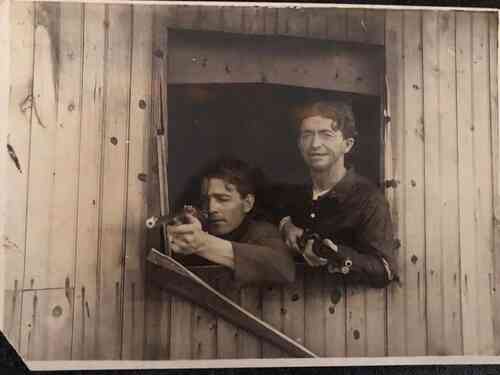
The sheriff, portrayed with a steely gaze and a penchant for dramatic gesturing, embodies the institutional desire to restore order. His pursuit is relentless, his tactics increasingly ruthless, reflecting a broader commentary on the corruptibility of power when it is wielded without moral restraint. The cat‑and‑mouse dynamic between the sheriff and Al escalates with each encounter, culminating in a series of increasingly elaborate schemes on both sides.
As the film approaches its climax, Al and Frank devise a grandiose robbery intended to fund their exodus from Oklahoma. The planning montage—maps spread across a wooden table, whispered negotiations, the clinking of coins—evokes a sense of impending inevitability. The audience is left to wonder whether this final act will be a triumphant escape or a tragic downfall.
While Beating Back stands on its own merits, it resonates with other period pieces that explore the outlaw mythos. For instance, the themes of familial loyalty and moral ambiguity echo those in Robbery Under Arms, whereas the relentless pursuit by a lawman mirrors the tension found in Peril of the Plains. The film’s visual language also shares a kinship with the stark, sun‑bleached vistas of Glacier National Park, where the landscape itself becomes a character.
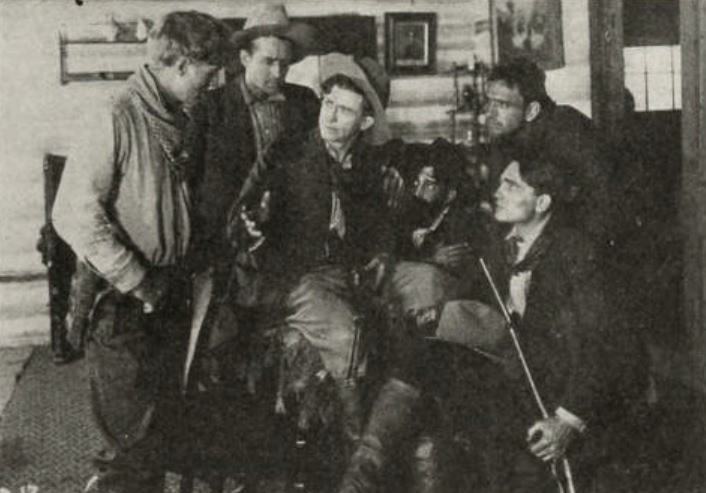
Al J. Jennings delivers a performance that balances stoic determination with fleeting moments of vulnerability. His eyes, though often narrowed in resolve, occasionally betray a lingering grief that adds depth to his outlaw persona. Billy Noel’s portrayal of Frank provides a counterpoint—more impulsive, yet equally committed—creating a brotherly dynamic that feels authentic despite the silent medium.
The cinematography relies heavily on natural lighting, with the Oklahoma plains bathed in harsh noon sun, casting long shadows that accentuate the moral chiaroscuro at play. The use of intertitles is sparing but effective, delivering only the essential dialogue while allowing the actors’ physicality to convey nuance. The film’s pacing oscillates between breathless chase sequences and contemplative moments of stillness, mirroring the protagonist’s internal turmoil.
Although a silent film, modern screenings often pair Beating Back with a live piano score that underscores the tension with low, rumbling chords during chase scenes, and transitions to plaintive, minor-key motifs during moments of introspection. This musical layering enhances the emotional resonance without detracting from the visual storytelling.
At its core, Beating Back interrogates the paradox of the American frontier: a space where law is both a shield and a weapon, where family ties can both anchor and propel individuals toward self‑destruction. Al’s evolution from a respectable lawyer to an outlaw leader raises questions about the elasticity of identity when justice is denied. The film suggests that the frontier’s promise of freedom is inextricably linked to the capacity for violence.
While the narrative centers on male protagonists, the film does not entirely sideline its female characters. Madeline Fairbanks, playing the storekeeper’s daughter, offers a brief but poignant glimpse into the collateral damage inflicted by the outlaw lifestyle. Her silent stare at Al’s wounded form serves as a silent indictment of the collateral suffering that accompanies violent retribution.
Though not as widely known as some contemporaneous Westerns, Beating Back contributed to the genre’s evolution by foregrounding a protagonist whose moral compass is deliberately ambiguous. Its influence can be traced to later outlaw narratives that portray anti‑heroes with a blend of charisma and fatal flaw, a template later refined in films like The Virginian and even modern reinterpretations such as Les Misérables (the 1917 adaptation). The film’s stark visual aesthetic also prefigures the gritty realism of later Westerns, making it a valuable study for cinephiles interested in the genre’s lineage.
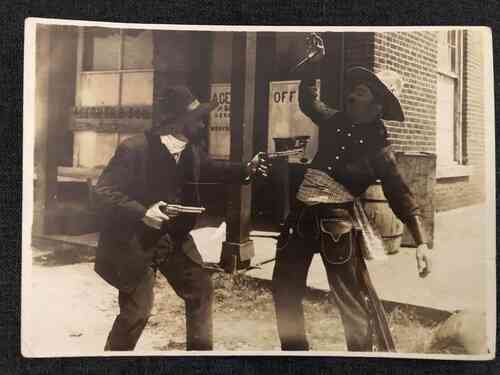
Produced in the mid‑1910s, the film reflects the technical constraints of its era—static camera setups, limited depth of field, and rudimentary special effects. Yet, within these limitations, the filmmakers achieve a compelling sense of scale, especially in the expansive prairie shots that convey both isolation and boundless possibility. The use of actual locations in Oklahoma adds an authenticity that studio back‑lots could never replicate.
In sum, Beating Back is a quietly powerful entry in the silent Western canon. Its narrative economy, combined with strong performances and a nuanced exploration of law versus outlaw, renders it a film that rewards repeated viewings. For scholars of early cinema, the film offers a fertile ground for examining how themes of vengeance, familial duty, and moral ambiguity were articulated before the advent of sound. For modern audiences, it provides a raw, unvarnished glimpse into the mythic origins of the outlaw archetype that continues to fascinate us today.
Readers interested in deepening their understanding of early Western motifs may also explore The Black Chancellor, which examines the intersection of power and corruption, or The Virginian, a seminal work that solidified many tropes later echoed in Beating Back. Comparative analyses with The Story of the Kelly Gang reveal how different cultures interpret the outlaw narrative within their own historical frameworks.
IMDb 6.2
1927
Community
Log in to comment.