DbcultAccessing Vault...
Cult Review
Senior Film Conservator
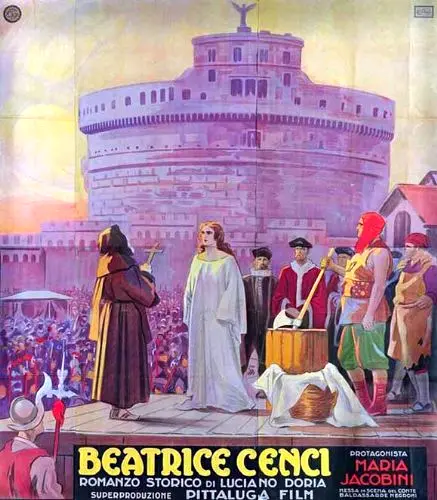
Is Beatrice Cenci (1926) worth your time today? Short answer: yes, but only if you have the stomach for a story where hope goes to die. This film is for the patient cinephile who values atmosphere over adrenaline; it is certainly not for anyone looking for a 'fun' night at the movies.
The film works because of its oppressive atmosphere and Maria Jacobini’s haunting performance. It fails because of its occasionally sluggish pacing in the middle act, where the legalities of the trial overshadow the emotional stakes. You should watch it if you want to see the roots of Italian melodrama and a masterclass in silent-era lighting.
Yes, Beatrice Cenci is an essential watch for those interested in the evolution of historical drama. It provides a visceral look at the Cenci legend, focusing on the psychological toll of tyranny. If you enjoy the dark, gothic undertones of films like Die Ahnfrau, this will resonate with you. However, casual viewers may find the 1926 pacing a barrier. It is a slow-burn tragedy that demands your full attention to appreciate its visual nuances.
Director Baldassarre Negroni doesn't just film a story; he builds a cage. From the opening shots of the Cenci palace, there is a sense of architectural weight. The high ceilings and deep shadows aren't just aesthetic choices; they represent the inescapable power of the Cenci patriarch. Unlike the more balanced compositions seen in The Last Chance, this film uses extreme angles to make Beatrice look small and fragile against the stone walls of her prison.
The cinematography by Ubaldo Arata is nothing short of revolutionary for 1926. There is a specific scene where Beatrice is shown looking through a barred window. The light doesn't just hit her; it carves her face into a mask of grief. This use of chiaroscuro—the contrast between light and dark—predates the film noir movement by decades. It is visual storytelling at its most potent. The camera lingers on the textures of the stone and the heavy fabrics of the costumes, making the viewer feel the physical weight of the Renaissance era.
But let’s be clear. It is a difficult film. The subject matter of Francesco Cenci's abuse is handled with as much directness as the 1920s censors would allow. It doesn't shy away from the ugliness of the situation. The film feels modern in its cynicism toward power. The Pope and the legal system are not saviors here; they are just another layer of the trap. It is a cold, calculated look at how society protects the powerful and punishes the desperate.
Maria Jacobini is the heart of this film. In an era where silent acting often defaulted to wild gesticulation, Jacobini is remarkably restrained. Her performance is in her eyes. There is a moment after the murder where she simply sits in a chair, her hands trembling slightly. She doesn't need to scream. You can see the realization of what she has done—and the knowledge that it won't save her—written across her face. It is a haunting, internal performance that rivals the best of the decade.
Opposite her, Raimondo Van Riel plays Francesco Cenci with a terrifying, quiet intensity. He isn't a mustache-twirling villain. He is a man who believes his cruelty is his birthright. His presence looms over scenes even when he isn't on screen. The way he moves through the palace, claiming space and intimidating everyone in his path, creates a constant state of tension. When he is finally killed, it isn't a moment of triumph; it’s a moment of grim necessity.
The supporting cast, including Franz Sala and Gino Talamo, provide solid foundations, but they are often eclipsed by the central conflict. The writing by Luciano Doria and Torello Rolli manages to balance the historical facts with a dramatic flair that keeps the narrative moving, even when the legal scenes feel a bit repetitive. They understand that the real story isn't the murder, but the tragedy of why the murder had to happen.
I would argue that Beatrice Cenci (1926) is actually a proto-horror movie. The way the castle is lit, the focus on the macabre, and the sense of an impending doom that no one can escape are hallmarks of the genre. It shares more DNA with the German Expressionist movement than it does with the standard Italian historical epics of the time. Look at the way the shadows stretch across the floor during the trial scene. They look like claws reaching for the defendants.
This film doesn't care about your comfort. It wants you to feel the dampness of the dungeons and the heat of the torches. It is a sensory experience. The pacing reflects this. It’s slow because the life Beatrice leads is a slow, agonizing grind. When the violence finally erupts, it is quick and messy, followed by the long, cold silence of the aftermath. It’s a bold structural choice that pays off if you’re willing to go on the journey.
One surprising observation is how the film handles the concept of justice. Most films of this era would have a moralistic ending where the law is seen as the ultimate arbiter of right and wrong. Beatrice Cenci (1926) does the opposite. It shows the law as a blunt instrument used to maintain the status quo. The execution isn't a moment of justice; it’s a state-sponsored murder. It is a remarkably brave stance for a film made in 1926 Italy.
Pros:
Cons:
Beatrice Cenci (1926) is a monumental piece of silent cinema that deserves more recognition than it currently receives. It is a film of shadows, both literal and metaphorical. It doesn't offer easy answers or a comfortable resolution. Instead, it holds up a mirror to the darkest parts of human nature and institutional failure. It works. But it’s flawed. The pacing might test your patience, and the relentless gloom might leave you feeling drained, but that is exactly what the film intends.
The ending is cold. It leaves you with a sense of profound injustice that lingers long after the credits roll. If you can appreciate the technical mastery and the raw emotional power of Maria Jacobini, this is a film that will stay with you. It is a stark reminder that some stories don't have heroes—only survivors and victims. It is a essential piece of Italian film history that still has the power to shock and move modern audiences.
"A haunting, shadow-drenched descent into a historical nightmare that refuses to age."
IMDb 7.1
1928
Community
Log in to comment.