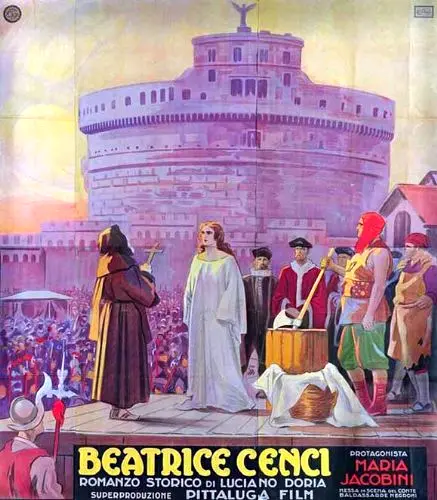
Is Beatrice Cenci (1926) worth your time today? Short answer: yes, but only if you have the stomach for a story where hope goes to die. This film is for the patient cinephile who values atmosphere over adrenaline; it is certainly not for anyone looking for a 'fun' night at the movies.The film works because of its oppre...
Comparing the cinematic DNA and archive impact of two defining moments in cult history.
Baldassarre Negroni
Baldassarre Negroni
Community
Log in to comment.
"Is Beatrice Cenci (1926) worth your time today? Short answer: yes, but only if you have the stomach for a story where hope goes to die. This film is for the patient cinephile who values atmosphere over adrenaline; it is certainly not for anyone looking for a 'fun' night at the movies.The film works because of its oppressive atmosphere and Maria Jacobini’s haunting performance. It fails because of its occasionally sluggish pacing in the middle act, where the legalities of the trial overshadow the..."