DbcultAccessing Vault...
4.7/10
Senior Film Conservator
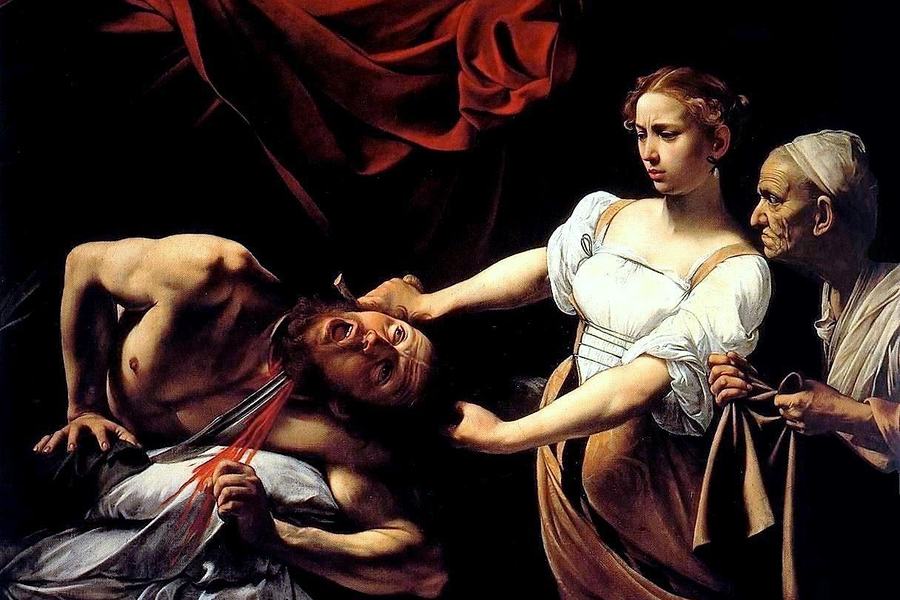
A definitive 4.7/10 rating for a film that redefined the boundaries of cult cinema. Beatrice Cenci remains a cornerstone of transgressive art.
The cinematic landscape of the early 20th century, often characterized by its nascent experimentalism and a burgeoning fascination with moving images, occasionally gave rise to works of profound dramatic ambition. Among these, the film Beatrice Cenci stands as a formidable testament to the era’s burgeoning narrative capabilities, daring to tackle a story of such visceral intensity and moral complexity. While many early productions delighted in the spectacle of the everyday, as seen in the observational charm of Saída dos Operários do Arsenal da Marinha or the athletic vigor of The Corbett-Fitzsimmons Fight, this film plunges headfirst into the abyss of human suffering and defiant retribution. It is a work that, even in its silent grandeur, screams with the anguish of its protagonist, Beatrice, brought to life with an arresting intensity by Maria Jacobini.
Maria Jacobini’s portrayal of Beatrice is, quite frankly, a masterclass in silent film acting. With a gaze that oscillates between heart-wrenching vulnerability and steely resolve, she navigates the labyrinthine torment inflicted by her monstrous father, Count Francesco. Jacobini eschews histrionics, instead conveying the psychological erosion and eventual eruption of defiance through nuanced facial expressions and deliberate, almost balletic, physical gestures. Her performance is a meticulous study in restrained agony, allowing the audience to witness the slow, agonizing calcification of Beatrice’s spirit under relentless oppression. The subtle tremor of her hands, the slight downturn of her lips, the flicker of despair in her eyes – these are the brushstrokes with which Jacobini paints a portrait of a woman pushed beyond the brink. It’s a performance that transcends the limitations of its medium, imbuing Beatrice with a universal resonance that echoes through time.
The narrative, drawn from a historical account that has captivated artists and writers for centuries, is a scathing indictment of unchecked patriarchal power and the pervasive corruption of institutions meant to protect. Count Francesco Cenci is depicted not merely as an antagonist, but as an embodiment of absolute evil, a man whose cruelty knows no bounds. His reign of terror over his family is rendered with an unflinching bleakness, establishing the moral imperative for the desperate act that follows. The film does not shy away from the brutality, though it is conveyed through implication and Jacobini’s reactions rather than explicit gore. This indirect approach, a hallmark of early cinema, paradoxically amplifies the horror, forcing the viewer to confront the unspeakable through the protagonist's traumatized perspective. It’s a thematic depth rarely seen in the simpler narratives of the time, standing apart from films like Dressing Paper Dolls or even the rudimentary dramatic sketches.
Visually, the film is a triumph of early cinematic artistry. The set design, while perhaps not as sprawling as the later epic productions, is meticulously crafted to evoke the suffocating grandeur of Renaissance nobility. The Cenci palace, with its imposing architecture and dimly lit interiors, becomes a character in itself – a gilded cage that offers no escape. The costuming is opulent, yet it serves to underscore the characters’ social standing and the rigid confines of their world. Lighting, a nascent art form in early cinema, is employed with considerable skill, casting long, dramatic shadows that enhance the pervasive sense of dread and conspiracy. Close-ups, though still a developing technique, are used judiciously to highlight Jacobini’s expressive face, drawing the audience into Beatrice’s internal struggle. The director demonstrates a keen understanding of how visual elements can bolster emotional impact, creating an atmosphere that is both aesthetically rich and psychologically charged.
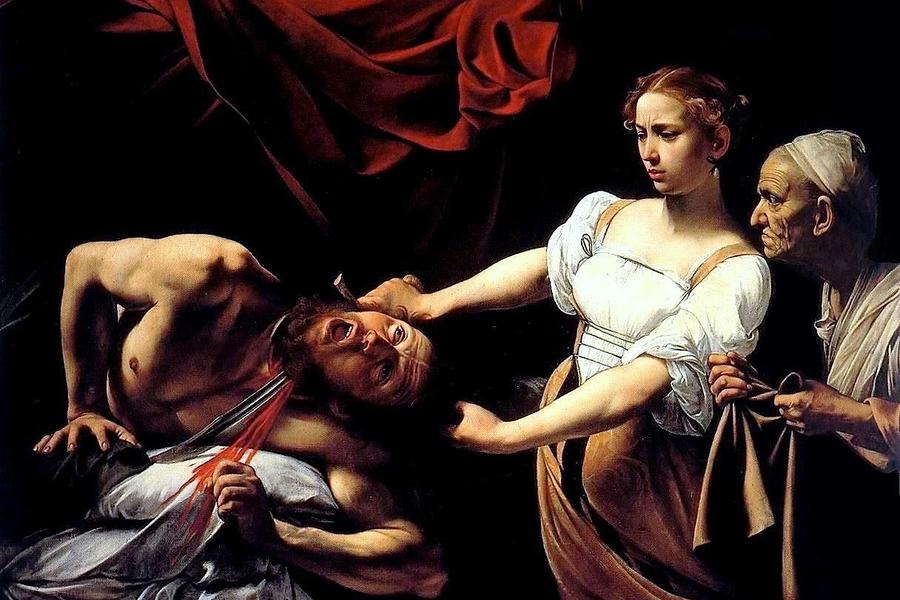
The pacing of Beatrice Cenci is deliberately measured, allowing the tension to build with an almost unbearable slowness. The film takes its time establishing the extent of Count Francesco’s depravity, ensuring that the audience comprehends the unbearable pressures that drive Beatrice and her siblings to patricide. This methodical exposition sets the stage for the dramatic climax, where the act of murder, though horrific, feels like an inevitable, albeit tragic, consequence of an intolerable situation. The subsequent trial sequence is equally compelling, transforming into a searing commentary on the legal and moral hypocrisies of the era. The portrayal of a justice system corrupted by power and wealth resonates with a chilling contemporary relevance, demonstrating that some narratives of injustice are timeless. It’s a stark contrast to the straightforward, often celebratory depictions of military parades in films like 69th Regiment Passing in Review, highlighting the film’s commitment to exploring the darker facets of human society.
Thematically, the film grapples with profound questions of morality, agency, and the very definition of justice. Is an act of murder justifiable when it is the sole recourse against unspeakable torment? The film does not offer easy answers, instead forcing the viewer to confront the agonizing dilemma alongside Beatrice. Her defiance, born of desperation, transforms her from a victim into a tragic figure of resistance, her actions a desperate cry for freedom in a world that offered none. This exploration of complex ethical terrain elevates Beatrice Cenci beyond mere historical drama; it becomes a powerful meditation on the human spirit’s capacity for both endurance and desperate rebellion. While films like Life of Christ or S. Lubin's Passion Play addressed spiritual suffering, Beatrice Cenci delves into the secular, societal causes of anguish, offering a different kind of 'passion play' – one rooted in earthly injustice.
The film’s historical context is crucial to appreciating its daring. In an era where cinema was still finding its voice, adapting a story as scandalous and politically charged as Beatrice Cenci’s was a bold move. The story itself, rooted in actual events, had already inspired countless literary and artistic interpretations, from Shelley’s poetic drama to Stendhal’s chronicles. The filmmakers, though unnamed in terms of specific writers, clearly understood the inherent power of this narrative. They translated its core themes of oppression, familial betrayal, and the struggle for personal liberty into a visual language that, while primitive by today's standards, was remarkably effective for its time. This cinematic adaptation brought the Cenci tragedy to a wider, more accessible audience, cementing its place in popular culture as a cautionary tale of power gone awry.
When considering its place within the nascent art form, Beatrice Cenci stands as a significant precursor to more elaborate historical epics. It demonstrates an early understanding of narrative construction and character development that distinguishes it from the simpler 'actualities' and short comedic or dramatic sketches that populated the early film catalogs. The ambition to tell a story of such scope and emotional weight, comparable in its narrative drive to The Story of the Kelly Gang, which also explored themes of rebellion and societal conflict, is commendable. It represents a critical step in cinema's evolution from a mere novelty to a powerful storytelling medium, capable of engaging with profound human experiences. The contrast with films that merely documented events, such as O Carnaval em Lisboa or May Day Parade, underscores its pioneering spirit in crafting complex, character-driven drama.
The enduring power of Beatrice Cenci lies not only in its compelling narrative or Maria Jacobini’s transcendent performance but also in its ability to provoke thought about the nature of justice and the limits of endurance. It challenges the audience to empathize with a protagonist who commits an unforgivable act, yet whose plight is undeniably tragic. The film’s silent frames speak volumes about the societal structures that permitted such abuse and the desperate measures required to escape it. Its legacy is that of a film that dared to plumb the depths of human darkness and find, within that despair, a flicker of defiant humanity. It remains a stark, powerful, and deeply moving piece of early cinema, a testament to the fact that even in its infancy, the medium was capable of producing art of profound emotional and intellectual weight, forever etching the Cenci tragedy into the public consciousness with an indelible cinematic signature.

IMDb —
1922
Community
Log in to comment.