DbcultAccessing Vault...
5.8/10
Senior Film Conservator
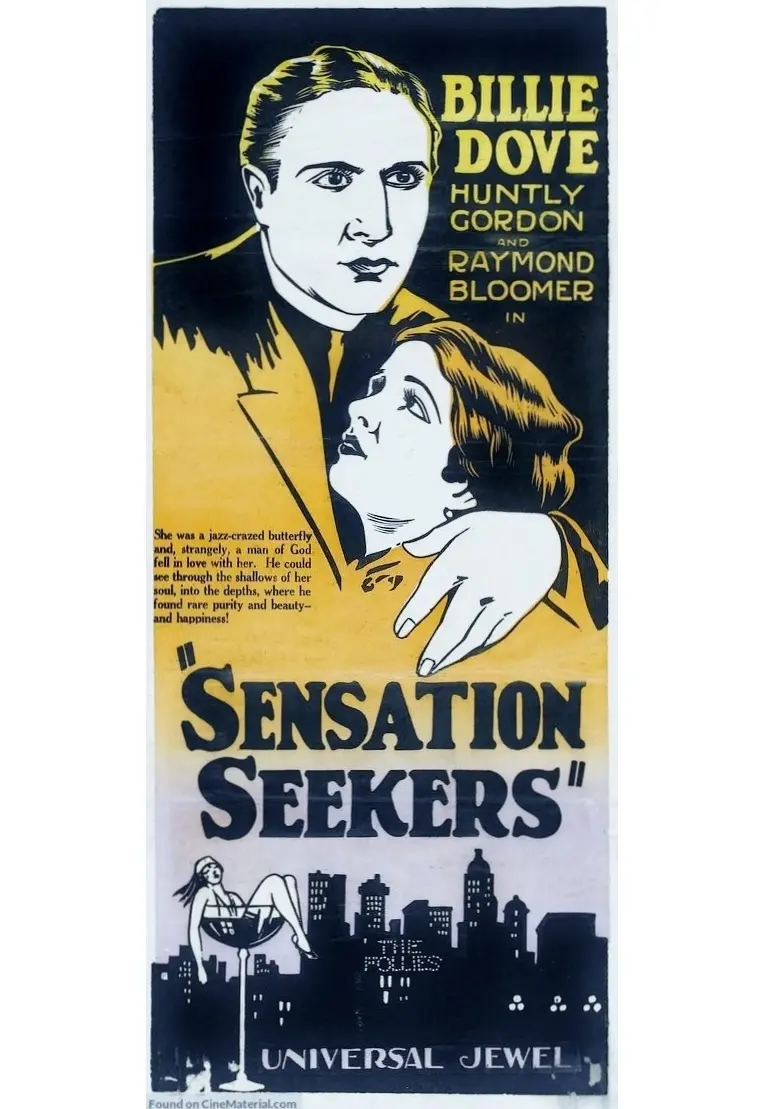
A definitive 5.8/10 rating for a film that redefined the boundaries of cult cinema. Sensation Seekers remains a cornerstone of transgressive art.
Is Sensation Seekers worth your time today? Short answer: Yes, but primarily as a fascinating specimen of early feminist social commentary rather than a pure entertainment piece. This film is for those who appreciate the nuance of silent-era character studies and the pioneering work of Lois Weber; it is not for viewers who find the moralistic pacing of the 1920s too sluggish for modern sensibilities.
This film works because it refuses to treat its 'party girl' protagonist as a one-dimensional cautionary tale, giving her more agency than most of her contemporaries. This film fails because the third-act shift into a high-seas disaster movie feels tonally disconnected from the intimate social drama that precedes it. You should watch it if you want to see how a female director in 1927 navigated the complex intersection of religious authority and female liberation.

Lois Weber was never one for subtlety, but in Sensation Seekers, she uses a social scalpel that feels surprisingly sharp even a century later. While many directors of the era were content to film flappers as mere decorations, Weber treats Egypt Hagen as a woman trapped in a performance. The Long Island jazz set isn't just a backdrop; it’s a predatory environment. One of the most striking moments is the fancy-dress ball where Ray Sturgis wears a suit made of newspaper clippings detailing Egypt’s arrest. It is a brutal, visual representation of how her social circle commodifies her shame for amusement. It’s a moment that hurts to watch, and it’s meant to.
Weber’s direction here is less about the 'sensation' promised in the title and more about the isolation of the seeker. She captures the exhaustion of the party. Unlike the mystical elements found in The Mystic, Sensation Seekers is grounded in the hard reality of reputation. The film asks a question that still resonates: can a person truly reinvent themselves when their past is written in the headlines? It works. But it’s flawed. The pacing in the middle section drags as the film gets bogged down in the logistics of the Reverend’s church politics, yet Weber’s eye for composition keeps the frame interesting.

Billie Dove delivers a performance that anchors the entire production. In an era often defined by over-the-top pantomime, Dove finds a quietude in Egypt that suggests a deep-seated weariness. When she hides behind the door at the Lodge home as the Bishop arrives, her face conveys a mixture of terror and longing that doesn't need a single intertitle to explain. She isn't just a 'fallen woman'; she is a woman who has realized the floor is much further down than she thought. Her chemistry with Raymond Bloomer’s Reverend Lodge is surprisingly palpable, though Bloomer himself occasionally falls into the trap of being a bit too 'stiffly righteous.'
The contrast between the two male leads is where the film’s central conflict lies. Huntley Gordon’s Ray Sturgis is a fascinatingly toxic presence. He doesn't love Egypt; he loves the status she brings to his 'set.' When he is eventually drowned in the yacht wreck, it feels less like a tragedy and more like the narrative purging itself of a parasite. This is a bold stance for Weber to take—suggesting that the 'fashionable' man is more irredeemable than the 'arrested' woman. It’s an unconventional observation for 1927, where the woman usually bore the brunt of the narrative's punishment.

Yes, Sensation Seekers is worth watching for its historical importance and its visual storytelling. It provides a rare look at the Jazz Age through the eyes of a woman who was critical of the era's excesses. If you enjoy character-driven dramas with a strong moral core, this film will satisfy you. However, if you prefer the faster-paced action found in films like Sunlight's Last Raid, the deliberate pacing here might feel tedious.
Technically, the film is a marvel of its time, particularly in the final sequence. The yacht wreck is handled with a visceral intensity that rivals the maritime tension in Conflict. Weber uses the chaos of the storm to mirror the internal turmoil of her characters. The water isn't just water; it’s a cleansing force. While the 'divine intervention' of the Bishop and Reverend arriving just in time to rescue Egypt feels a bit too convenient—bordering on a literal Deus Ex Machina—the actual filming of the wreck is impressively staged. The practical effects of the 1920s often have a weight and reality that modern CGI struggles to replicate.
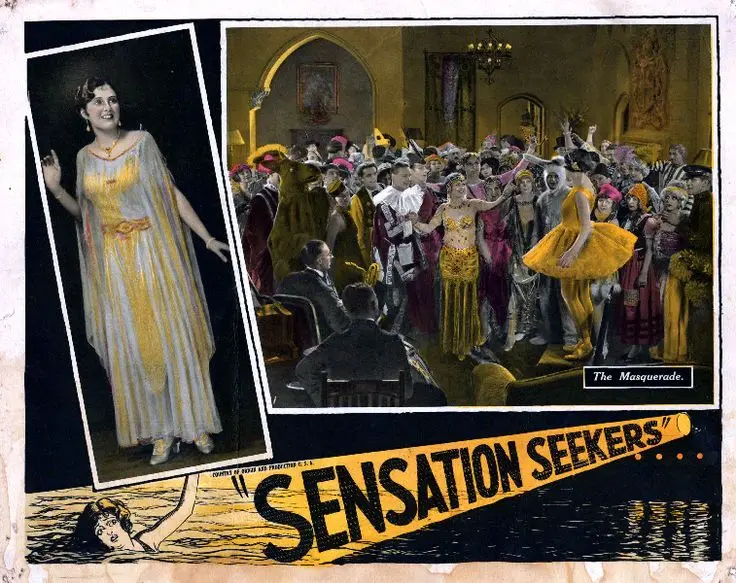
The cinematography throughout the film utilizes light and shadow to distinguish the two worlds Egypt inhabits. The jazz clubs are high-contrast, flickering, and busy. The church and the Reverend’s home are filmed with softer, more stable lighting. It’s a simple visual metaphor, but it’s executed with a professional polish that demonstrates why Weber was one of the most respected directors of her day. She understands that the environment should reflect the soul's condition.
Pros:
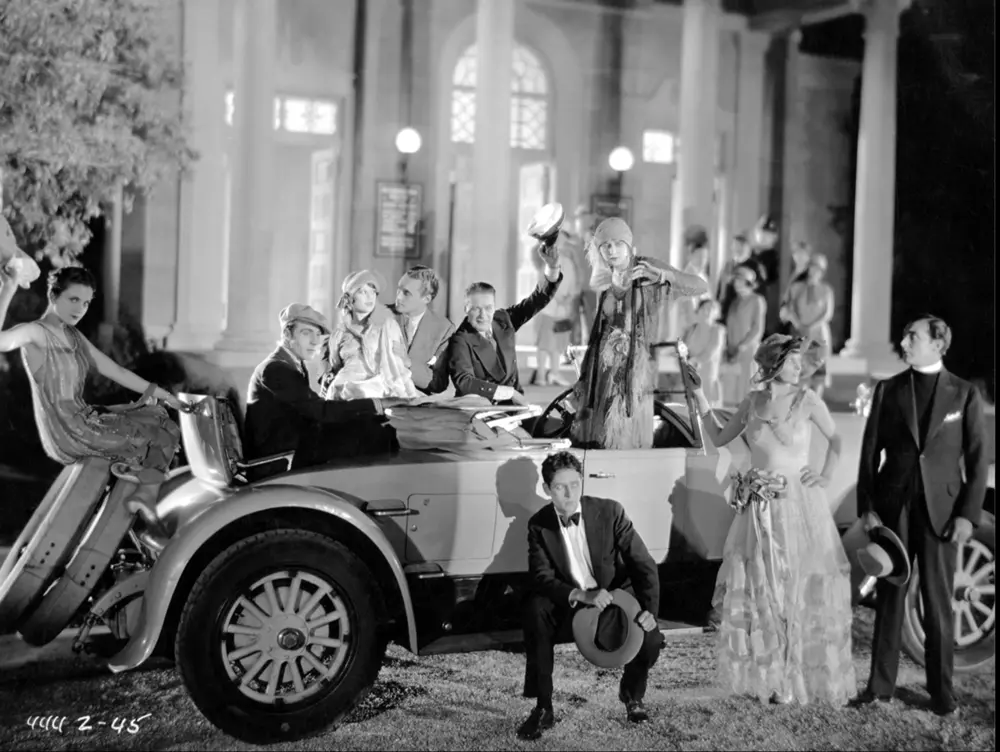
The film offers a sophisticated look at 1920s social dynamics. Billie Dove’s performance is nuanced and modern. The yacht wreck sequence is a technical achievement for 1927. It avoids the easy 'shaming' of its female lead that was common in other films of the time like Nearly Married.
Cons:
The Reverend is a somewhat wooden character. The middle portion of the film suffers from repetitive dialogue in the intertitles. The Bishop’s sudden change of heart feels unearned and rushed for the sake of a happy ending.
Sensation Seekers is a vital piece of silent cinema that proves Lois Weber was decades ahead of her time in her understanding of the female psyche. While the religious overtones can feel heavy-handed and the 'saved by the priest' trope is a bit dated, the core of the film—a woman trying to find her own value in a world that only wants to judge or possess her—remains incredibly relevant. It isn't a perfect film, and the ending is a bit of a narrative cop-out, but the journey Egypt Hagen takes is one well worth witnessing. It is a bold, occasionally clunky, but ultimately rewarding experience that stands as a testament to Billie Dove's star power and Weber's directorial vision. It’s a solid 7/10 that would be an 8 if the Reverend had even half the personality of the 'sinful' characters he’s trying to save.
IMDb —
1915
Community
Log in to comment.