DbcultAccessing Vault...
7.2/10
Senior Film Conservator
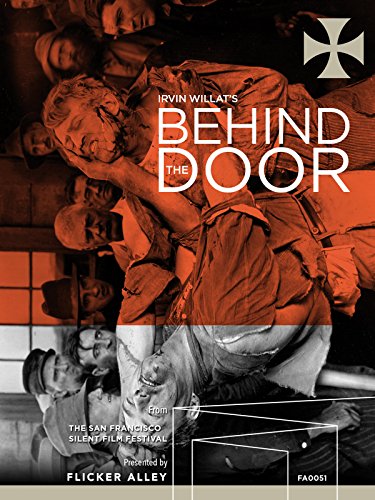
A definitive 7.2/10 rating for a film that redefined the boundaries of cult cinema. Behind the Door remains a cornerstone of transgressive art.
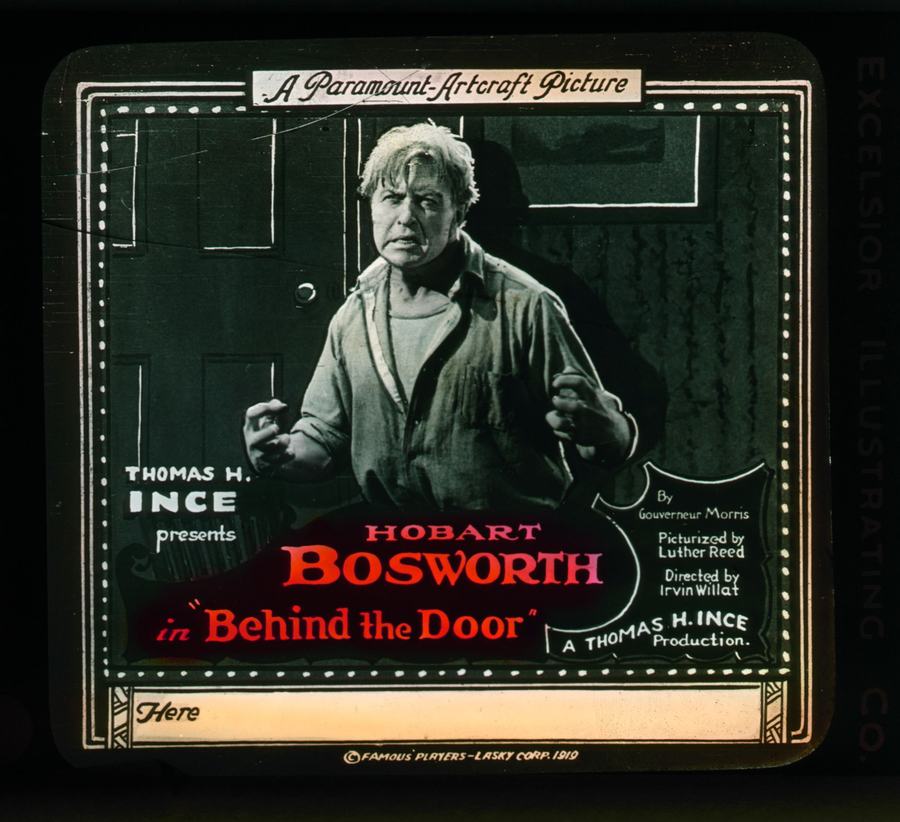
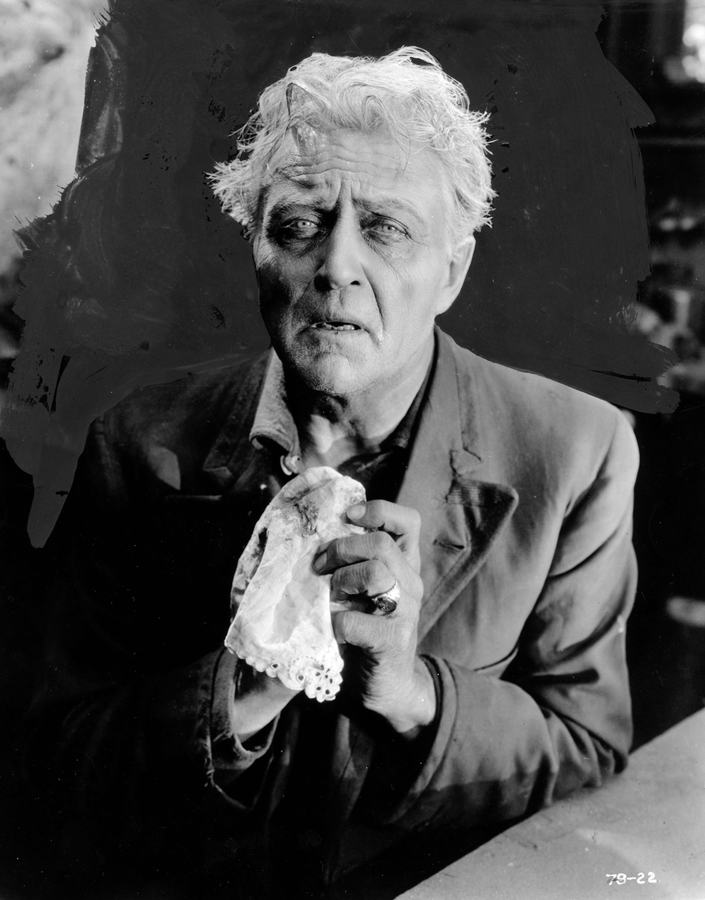
Irvin Willat’s Behind the Door doesn’t merely unfold—it infects. This 1919 vengeance parable operates like slow-acting poison in the veins, beginning with societal rot before metastasizing into personal annihilation. Hobart Bosworth’s Oscar Krug might be the most physically imposing tragic figure of the silent era, a mountain of a man whose gradual erosion from steadfast patriot to shivering revenant charts cartography of trauma more eloquent than intertitles. Watch his eyes: initially warm crinkles of affection for Alice (a luminously fragile Jane Novak), hardening into obsidian chips when neighbors smash his taxidermy shop windows screaming "Hun lover!", finally settling into the terrifying vacancy of a man who’s hollowed himself out to make room for retribution.
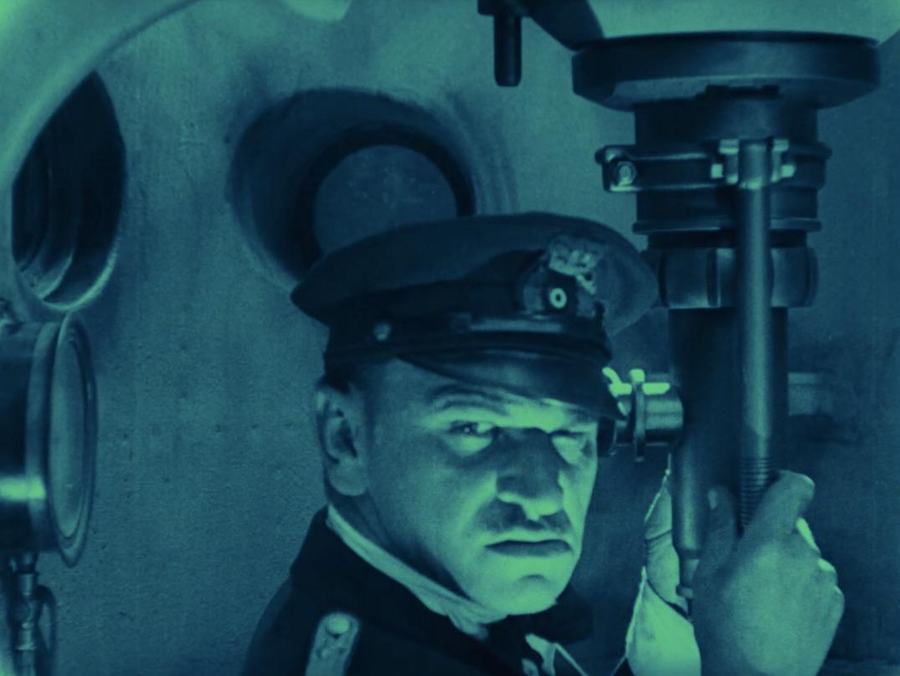
Willat constructs his nightmare with chilling precision. The coastal Maine setting—all saltbox houses and gossiping porch rockers—becomes a pressure cooker of wartime jingoism. Cinematographer Phil Rosen mirrors this societal fracture through visual claustrophobia: cramped interiors where ceilings loom oppressively over Krug’s stooped shoulders, contrasted against the terrifying vastness of the open ocean where Alice’s violation occurs. When von Schiller’s submarine breaches like a steel leviathan, its emergence isn’t just a plot device—it’s the intrusion of industrial horror into human fragility. Wallace Beery’s submarine commander deserves dissection beyond typical villainy; there’s bureaucratic detachment in his cruelty, filing atrocities like paperwork. His smirk when tossing Alice’s personal effects overboard carries more nihilism than a dozen mustache-twirlers.
The infamous "door" sequence remains unparalleled in silent cinema for its psychological violence. Willat weaponizes absence: no graphic depiction, only Krug entering his workshop with von Schiller as the heavy door thuds shut. We hear the German’s arrogant demands ("You wouldn’t dare harm an officer of the Kaiser!"), then the sickening scrape of tools, then silence. The true horror crystallizes not in gore but in Krug’s transformation upon exiting—hands trembling not with regret, but with the physical exhaustion of surgical hatred. His whisper to the waiting mob ("I gave him... what he gave her") lands like a tombstone. This audacity makes later revenge films like En defensa propia feel like courtly dances.
Krug’s profession isn’t incidental—it’s the film’s sickeningly perfect metaphor. His workshop, where dead creatures are preserved in lifelike poses, becomes the staging ground for making von Schiller’s suffering "permanent." Consider the chilling precision: a man who stuffs birds enacting vengeance with the same meticulous detachment. When pre-war Krug gently mounts a kingfisher, his hands embody tenderness; post-revelation, those same fingers methodically select bone saws and tanning solutions. The tools of preservation become instruments of prolonged agony—a perverse completion of his art. Few films before or since have weaponized vocation so devastatingly; even the surgical vengeance of The Purple Mask feels abstract by comparison.
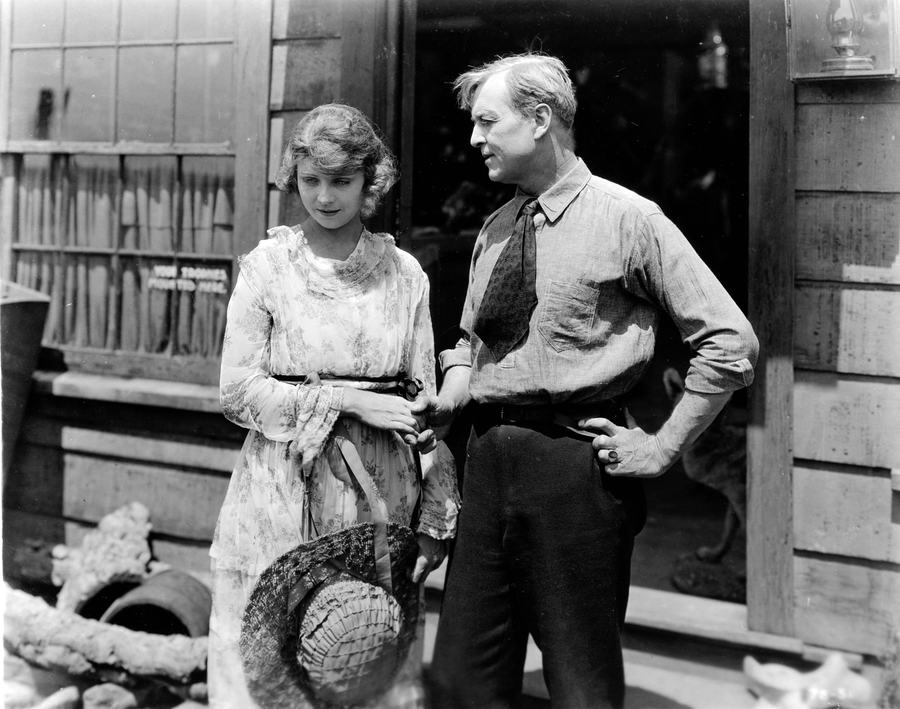
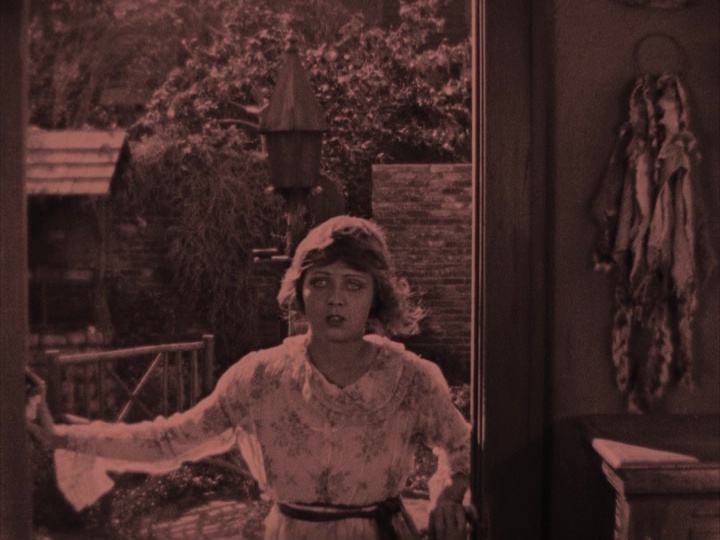
Novak’s Alice transcends damsel-in-distress tropes through sheer somatic storytelling. Watch her body language shift during the U-boat capture: initial defiance melting into dawning horror as von Schiller’s crew leers. Her final moments aren’t shown, but Novak’s earlier reactions—the way she folds inward when touched, eyes darting like a trapped sparrow—make imagination more brutal than exposition. This psychological realism contrasts starkly with contemporaneous victim portrayals in fluff like After the Ball.
Beyond personal tragedy, Willat incises America’s wartime hypocrisy. Krug’s neighbors—who months earlier bought his hunting trophies—now spit at his storefront, their hatred stoked by propagandistic newsreels. This communal betrayal makes Krug’s eventual monstrosity feel tragically inevitable: the rejected patriot internalizing the savagery projected onto him. When the mob later cheers his vengeance, the film completes its gutting thesis—that dehumanization, once unleashed, consumes perpetrator and victim alike. This nuanced exploration of patriotic fever outstrips even later war films like Me und Gott in its psychological complexity.
Bosworth’s performance operates on three seismic levels: the jovial immigrant assimilating (affecting a painfully earnest American accent), the grieving husband disintegrating (his wail upon identifying Alice’s recovered necklace is a shard of glass to the eardrum), and finally the avenger operating with terrifying calm. His physicality tells the story—shoulders broadening with rage while his spirit atrophies. Notice how he stops blinking in the final reel, as if preserving ocular focus for hatred alone. It’s a masterclass in how silent acting could convey psychic rupture without histrionics.
That Behind the Door nearly vanished feels cruelly appropriate for a film about erasure. Its 1920s suppression (rumored due to State Department pressure over German depictions) and subsequent disappearance created mythical status among cinephiles. The 2006 rediscovery of a Russian archive print allowed modern assessment beyond the infamous climax. What emerges isn’t just exploitation, but a harrowing examination of how violence begets violence—a theme explored with less subtlety in later revenge flicks like Her Reckoning.
Modern viewers must contextualize its brutality. Unlike torture-porn franchises, Willat’s horror derives from implication and aftermath. The film’s power lies in what it doesn’t show: Alice’s final hours, von Schiller’s mutilation. Our minds paint worse frescoes. This restraint makes the notorious door sequence more impactful than graphic modern equivalents; Krug emerges not drenched in gore, but spiritually petrified. The true victim isn’t the butchered villain, but the humanity sacrificed upon vengeance’s altar.
Contemporary parallels remain unnerving. In an era of refugee crises and nationalist resurgences, Krug’s transformation from model immigrant to unperson mirrors current dehumanization tactics. The townsfolk’s swift pivot from neighborly warmth to hate-mob frenzy feels ripped from modern headlines—a testament to the film’s enduring sociological acuity. Even the submarine’s predatory emergence resonates in an age of drone warfare.
The absence of sound becomes Willat’s secret weapon. Without dialogue, our focus locks onto physical details: the grotesque wink of a mounted deer’s glass eye, the rhythmic squeak of Krug’s taxidermy scalpel, von Schiller’s spit hitting Krug’s cheek like visual static. Musical accompaniments often betray this intentional void—performers should heed the chilling power of stretches without score, where only the projector’s whir mirrors the audience’s heartbeat.
Comparing Behind the Door to contemporaries reveals its audacity. While The Battle of the Sexes played sexual politics for comedy, Willat weaponizes marital devotion into self-annihilation. Against supernatural chillers like The Witch, it demonstrates that human cruelty out-terrifies any specter. Even within Willat’s own filmography—the railroad thriller Wolves of the Rail or the romantic mystery The Mystery of the Fatal Pearl and the Sequel—nothing approaches this psychological depth.
Ultimately, the film’s genius lies in its moral ambivalence. Does Krug’s act restore cosmic balance? The closing shots suggest otherwise: his hollow-eyed stare into the camera offers no catharsis, only the abyss. Vengeance hasn’t resurrected Alice; it’s entombed him beside her. In this refusal of cheap redemption, Behind the Door achieves something rare—a tragedy that implicates not just its characters, but the very act of watching. We become the mob peering at the door, craving horrors we’ll later claim to condemn. A century later, that door still swings open onto our darkest reflections.
IMDb 5.7
1927
Community
Log in to comment.