DbcultAccessing Vault...
7.2/10
Senior Film Conservator
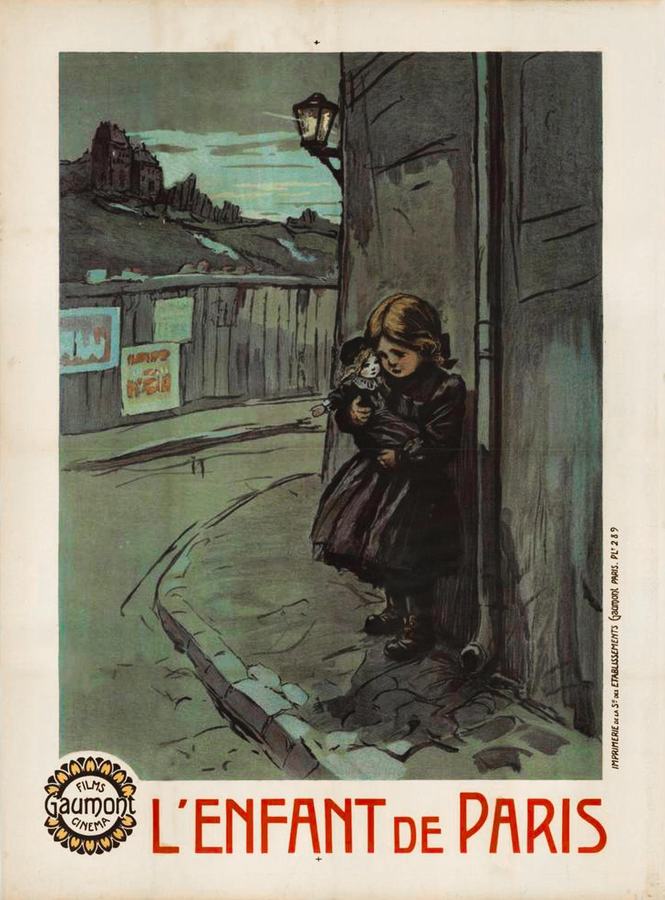
A definitive 7.2/10 rating for a film that redefined the boundaries of cult cinema. The Child of Paris remains a cornerstone of transgressive art.
In the nascent years of the 20th century, as cinema was still finding its voice and defining its narrative grammar, certain films emerged that transcended mere novelty to lay foundational stones for the art form. Léonce Perret’s 1913 drama, 'The Child of Paris' (original French title: 'L'Enfant de Paris'), stands as a profound testament to this era of burgeoning artistic ambition. It’s a work that, even over a century later, retains a compelling power, weaving a tale of innocence imperiled and courage unexpectedly found against the bustling, often unforgiving backdrop of early 20th-century France. This isn't just a historical artifact; it's a vibrant, emotionally resonant piece of filmmaking that deserves a closer look.
Léonce Perret, a multifaceted figure in early cinema—serving as writer, director, and actor in this very production—demonstrates a remarkable command of visual storytelling. At a time when many films were still finding their footing beyond theatrical stagings, Perret embraced the medium’s unique capabilities. 'The Child of Paris' is a quintessential melodrama, yet it avoids the pitfalls of excessive sentimentality through its grounded portrayal of human struggle and its surprisingly nuanced characterizations. The narrative itself, centered on a young girl's abduction and the subsequent pursuit, might sound formulaic, but Perret injects it with a vitality that elevates it beyond simple genre tropes.
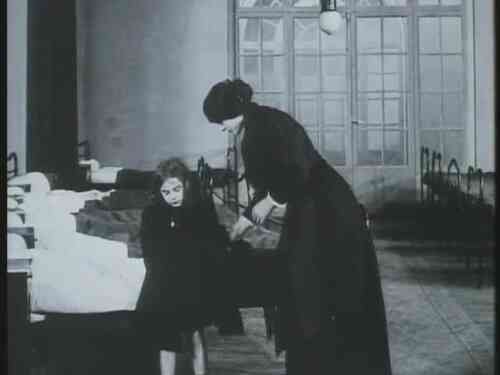
The story begins with a poignant setup: a young girl, the daughter of an army captain declared missing in action, is left in the care of a boarding school. Her subsequent escape, fueled by a longing for her father, catapults her into the treacherous Parisian streets. This initial sequence, though brief, deftly establishes the child's vulnerability and the profound emotional void left by her father's absence. It’s a classic setup for a tale of peril, reminiscent of other narratives focusing on children navigating harsh realities, like the various adaptations of Oliver Twist, where young protagonists are thrust into the seedy underbelly of urban life. However, Perret’s approach feels distinctly French, imbued with a certain romantic realism.
The film truly takes flight when the child is ensnared by a group of Parisian lowlifes. The portrayal of these characters, particularly Louis Leubas as the primary kidnapper, is fascinating. While undeniably villainous, there's a certain grittiness to their depiction that avoids caricature. They are products of their environment, driven by desperation and a cynical opportunism. Perret doesn't shy away from depicting the stark class divisions and the precarious existence of those on the margins of society, a theme explored in greater depth by later French cinematic movements but hinted at here with surprising candor. The transition from the relative safety of the school to the dangerous anonymity of the city streets is handled with a stark visual contrast, highlighting the child's sudden plunge into a world she is ill-equipped to comprehend.
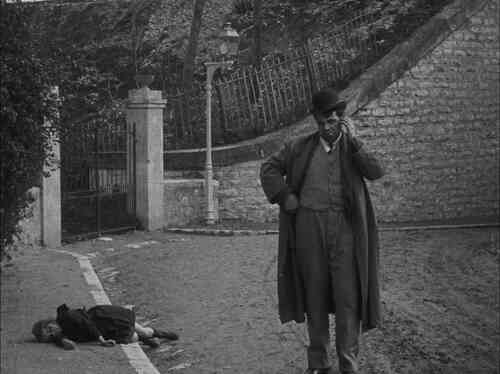
The decision by the kidnapper to flee with the child to Nice introduces a geographical shift that also mirrors a thematic one. The sun-drenched, seemingly idyllic setting of Nice provides a stark contrast to the grimy, shadowed alleys of Paris, yet the danger to the child remains palpable. This journey across France allows Perret to showcase different facets of the landscape, adding a sense of scope to what could have been a confined narrative. It's during this segment that the film introduces its moral compass: the kind-hearted employee of one of the accomplices, portrayed by Maurice Lagrenée. Lagrenée’s character is a revelation, a man who, despite his association with criminals, possesses an inherent goodness that compels him to act. His journey of pursuit is not merely physical; it's a moral awakening, a testament to the enduring power of empathy in the face of depravity.
In the silent era, the burden of conveying emotion rested heavily on the actors' physicality, facial expressions, and gestural language. The performances in 'The Child of Paris' are exemplary in this regard. The child actress, whose name is not readily available in many historical records, delivers a remarkably convincing portrayal of fear, vulnerability, and resilience. Her wide, expressive eyes and tentative movements communicate volumes without a single intertitle. Léonce Perret himself, in his dual role as director and actor, brings a subtle authority to his presence, even if his role isn't the central focus. Louis Leubas embodies the callousness of his character with a chilling effectiveness, his hardened features perfectly conveying the threat he poses.
However, it is Maurice Lagrenée who truly anchors the film's emotional core. His transformation from a seemingly ordinary, complicit figure to a driven rescuer is portrayed with a quiet dignity. He doesn't resort to theatrical histrionics; instead, his determination is conveyed through his unwavering gaze and persistent actions. This understated heroism is one of the film's greatest strengths, allowing the audience to truly invest in his quest. The dynamic between the innocent child and her unlikely protector forms the beating heart of the narrative, reminding us of the human capacity for compassion even in the bleakest circumstances. This focus on an individual's moral choice to intervene for a helpless victim resonates with the themes of social justice found in works like Les Misérables, albeit on a more intimate scale.
Perret’s directorial prowess is evident throughout 'The Child of Paris.' He employs a range of techniques that were advanced for his time, demonstrating a sophisticated understanding of cinematic language. His use of cross-cutting, for instance, to show the simultaneous actions of the kidnapper fleeing and the employee pursuing, builds considerable suspense. The editing maintains a brisk pace, ensuring that the narrative never drags, a common pitfall in some early feature films. The camera work, while often static by modern standards, is thoughtfully composed, framing scenes to maximize dramatic impact and emphasize character emotions. Close-ups, used judiciously, draw the audience into the characters' inner worlds, creating a powerful sense of intimacy.
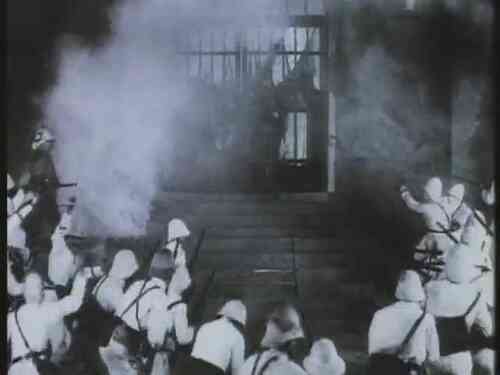
Furthermore, Perret's attention to detail in set design and location shooting immerses the viewer in the world of early 20th-century France. The Parisian streets feel authentic, bustling with activity, while the contrast with the more serene, yet still dangerous, landscapes of Nice is effectively rendered. The film’s ability to transport its audience to a specific time and place, to make them feel the grit of the city and the tension of the chase, speaks volumes about its production values and Perret's vision. It's a far cry from the more static, stage-bound productions that characterized much of cinema just a few years prior, demonstrating a clear progression in cinematic realism and narrative ambition.
'The Child of Paris' delves into several timeless themes. The most apparent is the vulnerability of innocence in a world fraught with danger. The child's helplessness underscores a universal plea for protection and care. Her abduction isn't just a plot device; it's a symbolic representation of the loss of security, the shattering of a sheltered existence. The film also explores themes of moral responsibility. While the initial kidnappers are driven by greed, the decision of Lagrenée’s character to pursue them highlights the individual's capacity to choose good over complicity. His actions are not motivated by personal gain or duty, but by a pure, unadulterated sense of justice and compassion.
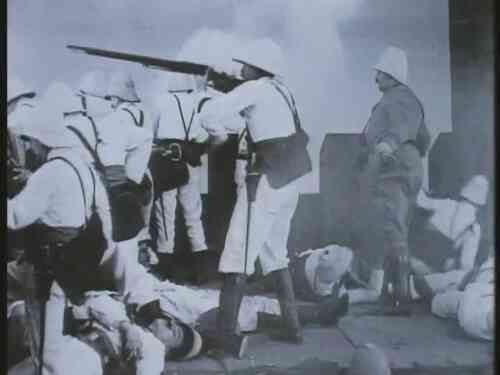
Redemption is another powerful undercurrent. While not all characters find it, Lagrenée's journey is certainly one of moral vindication. He transcends his dubious associations to become a beacon of hope. The film, therefore, acts as a moral fable, suggesting that even in the most corrupt environments, sparks of humanity can ignite and lead to heroic deeds. This optimistic outlook, even amidst the grim realities depicted, gives 'The Child of Paris' a hopeful resonance that distinguishes it from purely tragic melodramas. It offers a belief in the inherent goodness of some individuals, even when society itself seems harsh.
To fully appreciate 'The Child of Paris,' it's crucial to contextualize it within the broader landscape of early cinema. This was a period of rapid experimentation and innovation. While not as overtly grand in scale as epic productions like Quo Vadis? or Cleopatra from similar years, Perret's film demonstrates a sophisticated grasp of narrative cohesion and emotional impact. It shows how compelling stories could be told with relatively simple means, relying heavily on strong performances and effective direction rather than spectacle alone. Its influence, while perhaps not as widely documented as some of its contemporaries, lies in its contribution to the refinement of dramatic storytelling in film.
The film's exploration of urban danger and social stratification also places it in a lineage of cinema that sought to reflect contemporary societal issues. While not a searing social critique in the vein of later realist movements, it nonetheless captures a slice of life, exposing the fragility of the poor and the pervasive threat of crime. It’s a valuable document for understanding the anxieties and moral concerns of the time, making it not just an entertaining drama but also a significant cultural artifact. Considering other French productions of the era, such as the early 'Fantômas' serials like Fantômas: In the Shadow of the Guillotine, Perret’s film stands out for its more humanistic, less sensationalized approach to crime and suspense.
More than a century has passed since 'The Child of Paris' first graced the silver screen, yet its core narrative of a vulnerable child, a nefarious plot, and an unexpected hero continues to resonate. The film’s strength lies in its universal emotional appeal and its masterful execution of silent film techniques. It reminds us that powerful storytelling doesn't require dialogue or advanced special effects; it requires a deep understanding of human nature and the ability to translate that understanding into compelling visuals.
For contemporary viewers, 'The Child of Paris' offers a window into the formative years of cinematic art. It’s an opportunity to witness the groundwork being laid for the narrative conventions we now take for granted. Perret’s work here is not merely an interesting historical curiosity; it is a genuinely engaging drama that holds its own. Its quiet power, its effective suspense, and its ultimately hopeful message make it a film that should be sought out by anyone interested in the rich tapestry of early world cinema. It solidifies Léonce Perret’s reputation as a pioneering filmmaker whose contributions extended far beyond mere technical innovation, reaching into the very heart of storytelling itself.
In conclusion, 'The Child of Paris' is a testament to the enduring power of classic storytelling. It’s a film that speaks to the timeless themes of human vulnerability, the struggle between good and evil, and the unexpected emergence of heroism. Léonce Perret, through his meticulous direction and compelling narrative, crafted a silent film that continues to captivate and move audiences, securing its place as a significant, albeit sometimes overlooked, work in the annals of cinematic history.
IMDb —
1924
Community
Log in to comment.