DbcultAccessing Vault...
6.1/10
Senior Film Conservator
A definitive 6.1/10 rating for a film that redefined the boundaries of cult cinema. The Trail of the Lonesome Pine remains a cornerstone of transgressive art.
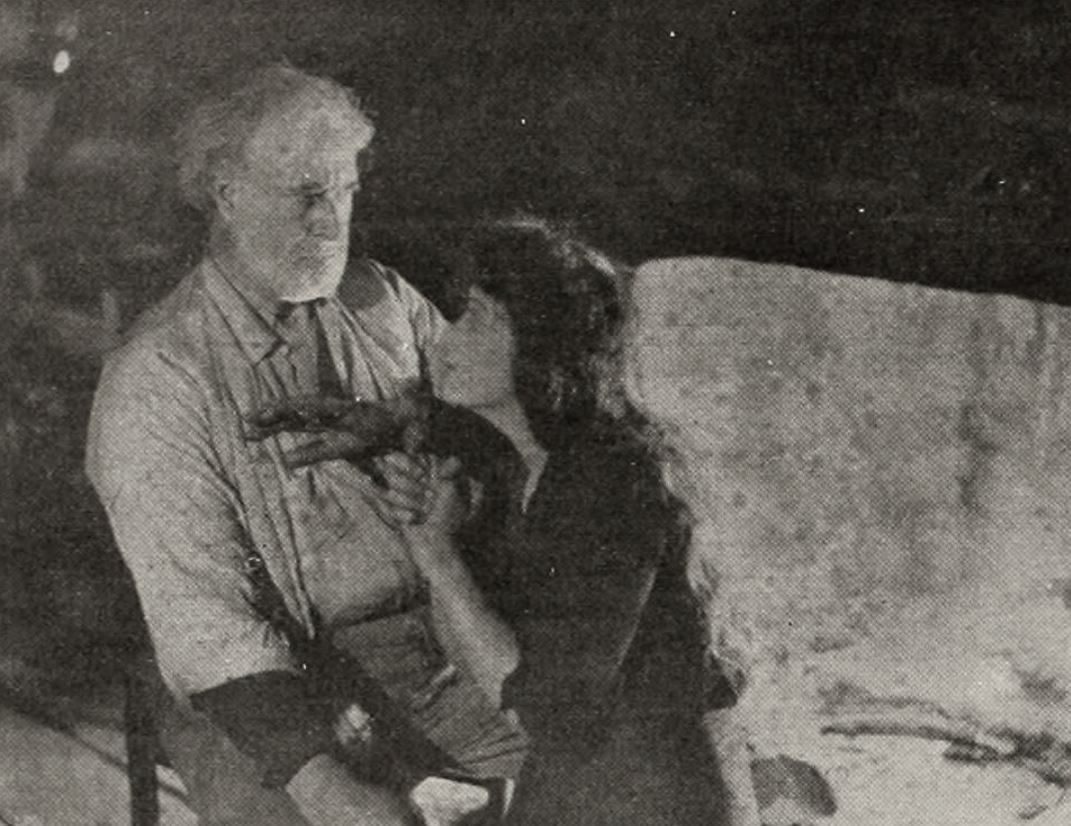
Stepping back into the cinematic landscape of 1916, one encounters a fascinating intersection of burgeoning artistry and thematic ambition, nowhere more evident than in Cecil B. DeMille’s The Trail of the Lonesome Pine. This silent film, a cinematic adaptation of John Fox Jr.’s celebrated novel, is far more than a mere historical curiosity; it stands as a testament to the nascent power of storytelling through moving images, tackling complex issues of cultural clash, familial feuds, and the transformative power of love. DeMille, even in these early years of his illustrious career, demonstrated an uncanny knack for blending grand spectacle with intimate human drama, a characteristic that would define much of his later work. Here, he transports audiences to the rugged, often romanticized, Blue Ridge Mountains of Virginia, a setting that is as much a character in the narrative as any of its human inhabitants.
The film plunges us directly into a world governed by ancient customs and fierce independence, a stark contrast to the burgeoning industrial and legalistic society encroaching from the 'outside.' Our protagonist, Jack Hale, portrayed with a compelling blend of duty and burgeoning empathy by Thomas Meighan, arrives as a revenue agent. His mission, ostensibly straightforward, is to quell the rampant moonshining operations that sustain the mountain communities but violate federal law. However, the simplicity of his task quickly dissolves into a profound moral and emotional quandary when he encounters June Tolliver, brought to vivid life by the luminous Lorraine Collett. June is not merely a local girl; she is the daughter of one of the very men Jack is tasked to apprehend, a living embodiment of the deep-seated traditions and fierce loyalties that define the mountain folk. This instant, undeniable connection between them forms the dramatic nucleus of the film, a potent symbol of the potential for understanding and conflict between two disparate worlds.
DeMille’s direction here is remarkably nuanced for its era. He avoids simplistic villainy, instead portraying the mountaineers not as criminals, but as people fiercely protective of their way of life, their autonomy, and their families. The illicit distillation of alcohol, while illegal by federal standards, is depicted as an integral part of their economic and social fabric, a means of survival in a harsh landscape that offers few other opportunities. Theodore Roberts, as June's father, brings a gravitas and weary dignity to his role, illustrating the weight of tradition and the burden of leadership within his clan. His performance, alongside the passionate intensity of Lorraine Collett, anchors the film's emotional core, making the audience genuinely invested in the fate of these characters caught in the crosshairs of progress and preservation.
The narrative deftly explores the inherent tension between federal law and local custom, a theme that resonates deeply even today. Jack Hale is not a caricature of the heavy-handed lawman; rather, he is a man grappling with the ethical implications of his duties, especially as his heart becomes entwined with June. This internal conflict is beautifully articulated through Meighan’s subtle expressions and gestures, a testament to the power of silent acting when executed by a skilled performer. Similarly, June’s journey is one of profound self-discovery. She represents the potential for the mountain people to adapt, to bridge the gap, yet her loyalty to her family and heritage is unwavering. Her character arc, from an unworldly mountain girl to a woman who navigates the complexities of love and duty, is compelling and remarkably progressive for a film of its time.
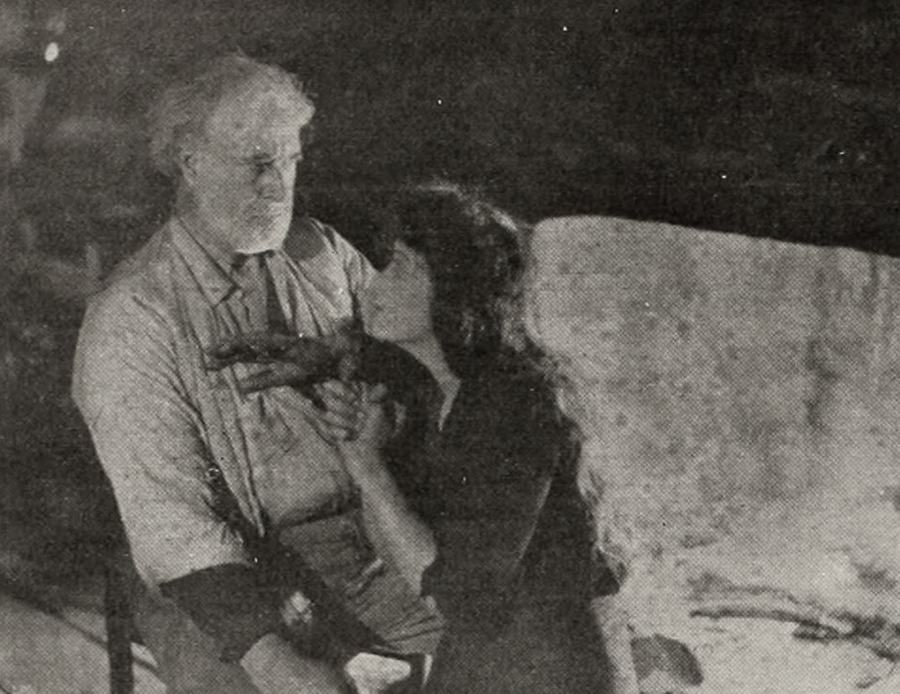
The visual storytelling in The Trail of the Lonesome Pine is equally captivating. DeMille, working with cinematographer Alvin Wyckoff, captures the raw beauty and formidable grandeur of the Blue Ridge Mountains with a keen eye. The sweeping vistas and rugged terrain are not just backdrops; they imbue the film with a sense of isolation and majesty that underscores the characters' struggles. The use of natural light and carefully composed shots effectively conveys mood and atmosphere, a crucial element in silent cinema where visual cues carry the weight of dialogue. The action sequences, particularly those depicting the feuds between rival mountain families, are staged with a visceral energy that keeps the audience engaged, demonstrating DeMille's early mastery of cinematic spectacle.
It’s fascinating to consider The Trail of the Lonesome Pine in the context of other films from this burgeoning era. While not directly comparable in plot, one might draw parallels in thematic ambition to films like The Gentleman from Indiana, which also explored rural American life and its inherent conflicts, albeit with a different social lens. Similarly, the dramatic tension arising from conflicting loyalties and the plight of an outsider might find echoes in films like The Man on the Box, where identity and societal expectations are challenged. DeMille's film, however, stands out for its particular focus on the unique cultural landscape of Appalachia, a region often misrepresented, but here, treated with a surprising degree of respect and complexity.
The performances across the board are commendable. Hosea Steelman, Charlotte Walker, Earle Foxe, and Milton Brown, though perhaps less central than Meighan and Collett, contribute significantly to the rich tapestry of mountain life. Their portrayals add layers of authenticity to the familial bonds and ancient grievances that propel much of the film's conflict. The intensity of the feuds, a hallmark of Appalachian lore, is rendered with a seriousness that elevates it beyond mere melodrama, grounding it in the historical realities of the region. These aren't just arbitrary squabbles; they are the culmination of generations of perceived wrongs and ingrained honor, a concept beautifully explored within the film's narrative framework.
One of the film's most enduring strengths lies in its exploration of progress versus tradition. Jack Hale represents the encroaching modernity – law, education, external governance – while the Tollivers and their kin embody a deeply rooted, self-sufficient, albeit isolated, way of life. The film doesn't necessarily preach one over the other but rather showcases the inherent struggles when these two forces collide. June, in her yearning for knowledge and a broader world, yet her unwavering love for her people, becomes the bridge, or perhaps the battleground, for these competing ideals. Her decision-making throughout the narrative is pivotal, reflecting the difficult choices faced by individuals caught between the past and the future.
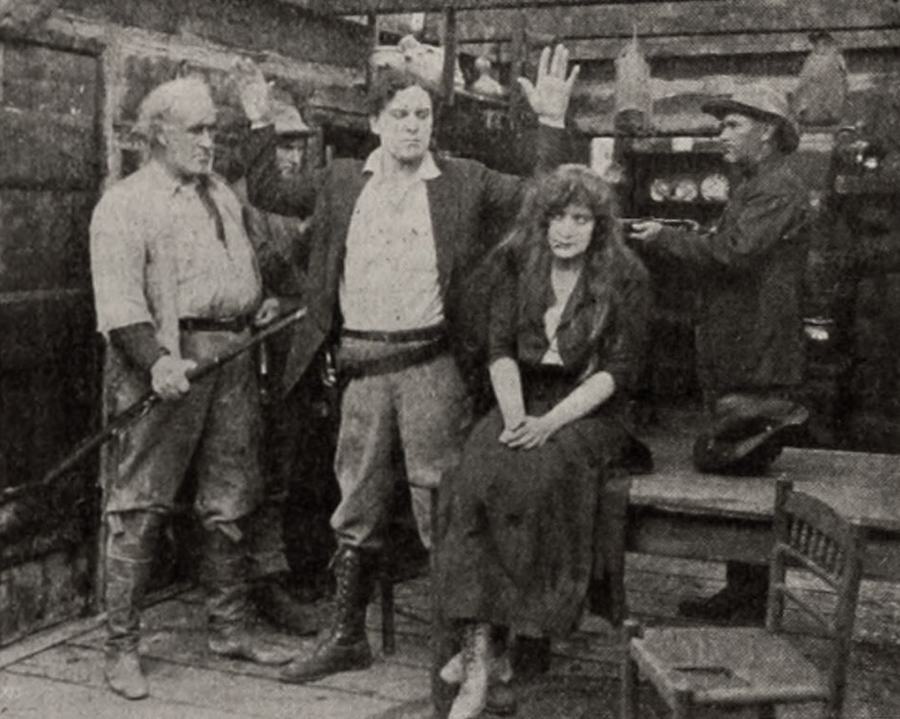
The writing, credited to John Fox Jr. (from his novel), Eugene Walter, and Cecil B. DeMille himself, demonstrates a keen understanding of character motivation and dramatic pacing. The intertitles, crucial in silent films, are crafted with a poetic sensibility that enhances the emotional impact without becoming overly verbose. They guide the audience through the story with clarity and elegance, ensuring that the nuances of the plot and character development are fully appreciated. This collaborative effort in adapting such a beloved literary work to the screen undoubtedly contributed to its widespread appeal and critical success upon release.
From a technical perspective, the film is a masterclass in early cinematic techniques. The editing maintains a brisk pace, particularly during the more action-oriented sequences, preventing any sense of stagnation that sometimes plagued longer silent features. DeMille’s command over his ensemble and his ability to orchestrate complex scenes are remarkable. He manages to convey a rich sense of community and individual plight, weaving together multiple storylines into a cohesive and compelling whole. The film’s legacy is significant, not just as an early DeMille work, but as an important example of American silent cinema grappling with themes that remain relevant today: the tension between local autonomy and federal authority, the impact of external forces on traditional cultures, and the timeless struggle between love and duty.
While some might view silent films as antiquated, The Trail of the Lonesome Pine unequivocally proves the enduring power of visual storytelling. It’s a film that speaks volumes without uttering a single word, relying instead on the expressive performances, evocative cinematography, and a meticulously crafted narrative. The emotional depth conveyed by Lorraine Collett and Thomas Meighan, in particular, transcends the limitations of the medium, drawing viewers into their predicament with genuine empathy. It’s a stark reminder that the core tenets of compelling cinema – engaging characters, a gripping plot, and resonant themes – have remained constant throughout the evolution of the art form.
The film also provides a valuable historical window into how Appalachian culture was perceived and portrayed in early 20th-century media. While certain elements might lean into stereotypes, DeMille generally strives for a more empathetic and nuanced depiction than was common. He highlights the strength, resilience, and complex moral codes of the mountain people, rather than simply reducing them to caricatures. This nuanced approach elevates the film beyond mere entertainment, offering a glimpse into the social consciousness of the era and the nascent attempts to understand and represent diverse American communities.
In conclusion, The Trail of the Lonesome Pine is a robust and emotionally resonant silent drama that deserves continued recognition. It showcases Cecil B. DeMille's early genius for epic storytelling and character-driven narratives, anchored by powerful performances and breathtaking visuals. For anyone interested in the foundational works of American cinema, or indeed, in a compelling human story set against a dramatic backdrop, this film remains an essential viewing experience. Its exploration of love, loyalty, and the collision of worlds continues to captivate, making it a truly timeless piece of cinematic art. It’s a journey into a specific time and place, yet its emotional core feels universally resonant, a testament to its enduring quality and the skillful hands that brought it to life. The echoes of its themes reverberate through cinematic history, proving that even a century later, the lonesome pine still calls to us.
IMDb 6.3
1937
Community
Log in to comment.