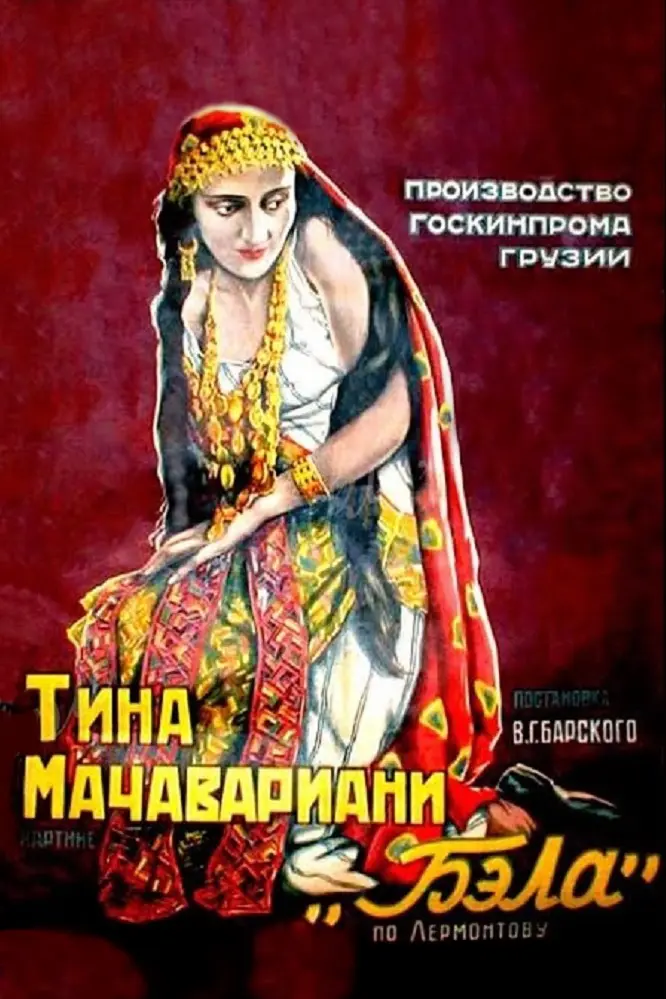
A definitive 6.1/10 rating for a film that redefined the boundaries of cult cinema. Bela remains a cornerstone of transgressive art.
Is Bela worth watching today? Short answer: absolutely, but prepare for a challenging, often bleak, journey into the heart of human indifference. This film is an essential watch for cinephiles interested in early Soviet cinema and adaptations of literary classics, but it is decidedly not for those seeking light entertainment or a fast-paced narrative.
Vladimir Barskiy’s 1927 adaptation of Mikhail Lermontov’s iconic work is a stark, unblinking gaze into the abyss of a man consumed by his own boredom. It's a film that asks uncomfortable questions about morality, agency, and the very nature of human connection, or lack thereof. While its pacing might feel glacial to modern viewers, its thematic depth and atmospheric power remain remarkably potent.
This film works because of its unflinching portrayal of Pechorin’s moral vacancy, its atmospheric setting that mirrors his internal landscape, and its undeniable historical significance as an early, ambitious literary adaptation.
This film fails because its deliberate, often slow, pacing can alienate a contemporary audience, its emotional distance might be off-putting for those seeking traditional engagement, and some performances, while effective for the era, can feel dated.
You should watch it if you appreciate character studies that delve into complex psychological states, classic literature brought to the screen, and don't mind a slow burn that prioritizes mood and thematic resonance over plot propulsion.
Scene from Bela
Cinematic perspective: Exploring the visual vocabulary of Bela (1927) through its definitive frames.
A Study in Apathy: Pechorin's Reign of Indifference
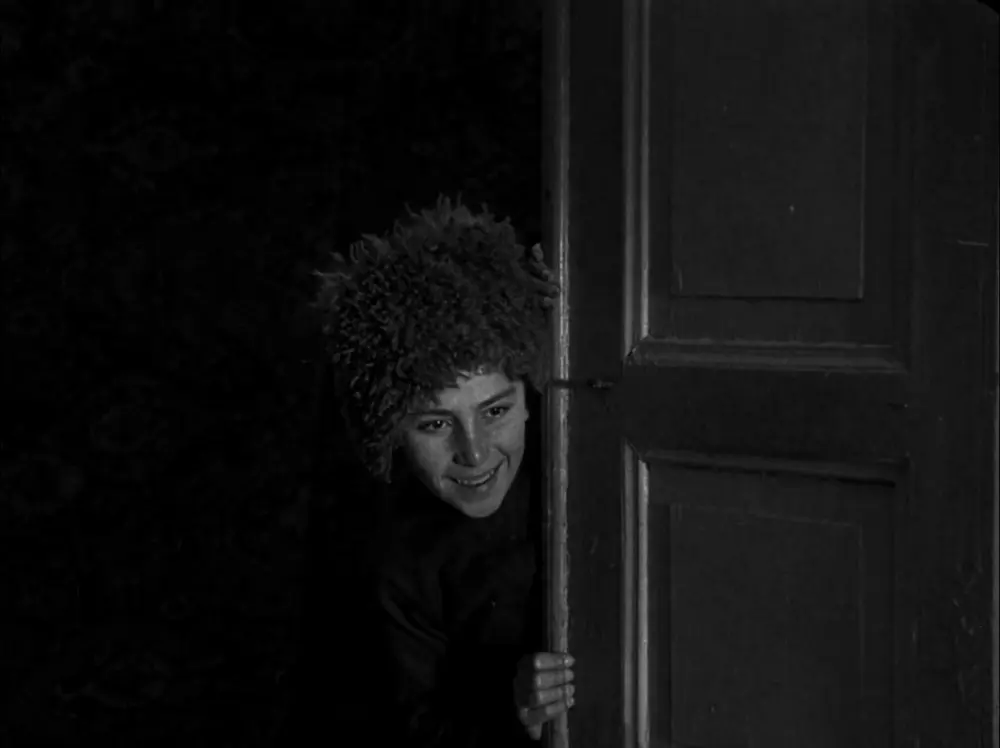
At the core of "Bela" lies G. Sarchimelidze’s portrayal of Pechorin, a performance that is less an embodiment of evil and more a chilling depiction of an absence. Pechorin is not a villain in the conventional sense; he is a void, a man so utterly consumed by his own ennui that the lives around him are mere playthings, interchangeable and disposable. Sarchimelidze captures this with a quiet, almost unsettling stillness, his eyes often betraying a profound disinterest even in moments of high drama.
The film opens with Pechorin's transfer to the Caucasus, a punitive exile that he greets with a detached weariness rather than despair. His subsequent actions are born not of passion, but of a desperate search for novelty. The sequence where he first observes Bela (Bella Beletskaya) is less about burgeoning desire and more about calculating opportunity. It’s a predatory gaze, but one devoid of any true emotional heat, which makes it all the more disturbing.
Barskiy, as director, wisely trusts Sarchimelidze to convey this internal landscape. There are long takes on Pechorin’s face, moments of silence where his passive expressions speak volumes about his internal emptiness. His promise to Azamat, a transaction for Bela, is delivered with a casual indifference that underlines his moral decay. He is a man who sees people as means to an end, and his fleeting amusement is the only currency that matters.
One of the film's most potent, and debatable, choices is its refusal to offer any traditional redemption or even a moment of genuine self-reflection for Pechorin. When Bela is killed, his reaction is so muted, so utterly lacking in remorse, that it forces the audience to confront the true horror of his character. This unwavering commitment to Pechorin's emotional barrenness is both the film's greatest strength and its most alienating feature. It’s a brutal, honest depiction of a man beyond empathy.
The Caucasus as a Character: Setting and Cinematography
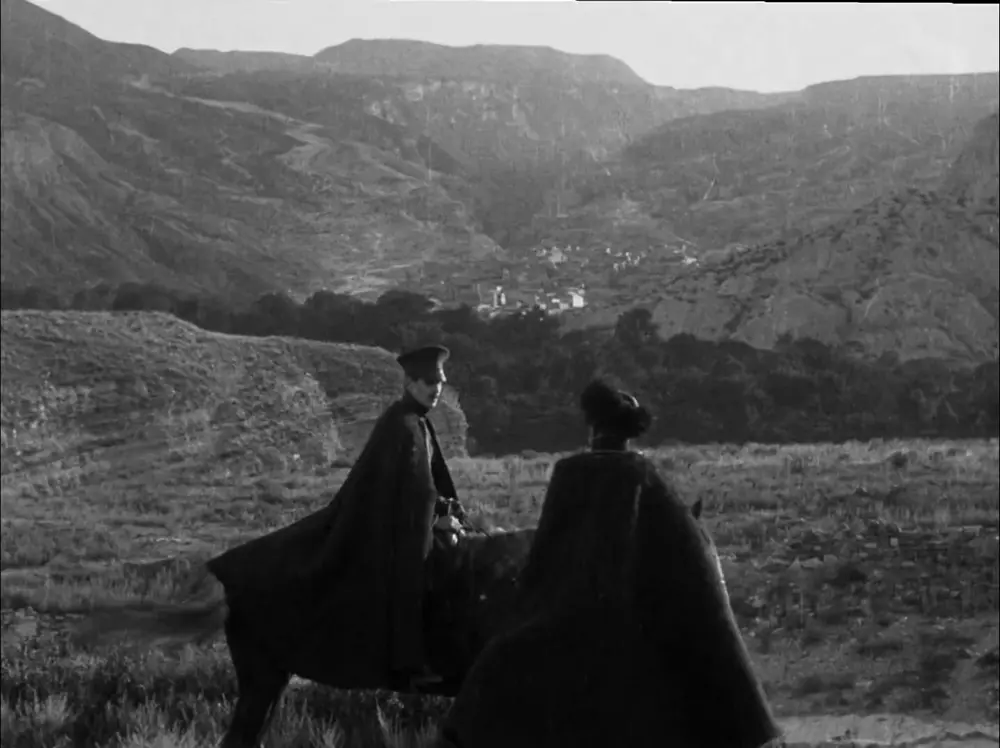
The rugged, untamed landscapes of the Caucasus are not merely a backdrop in "Bela"; they are an active, breathing character, reflecting and amplifying the film's somber tone and Pechorin's isolated spirit. The cinematography, though black and white and constrained by the technology of its era, manages to capture the grandeur and harshness of the mountains with striking effect. Sweeping vistas often frame the small, human dramas, dwarfing the characters and emphasizing their insignificance against nature's might.
Scene from Bela
Cinematic perspective: Exploring the visual vocabulary of Bela (1927) through its definitive frames.
Barskiy uses the natural environment to great advantage, particularly in scenes involving Kazbich and his horse. The stark, open spaces lend a sense of epic tragedy to the theft, an act that, while seemingly minor, sets in motion the film's devastating climax. The chase sequences, though not fast-paced by modern standards, are imbued with a desperate energy, a testament to the raw, visceral connection the characters have to their land and possessions.
The contrast between the wild, untamed external world and Pechorin's internal, equally untamed, yet deeply cynical, landscape is a recurring visual motif. The mountains, with their unforgiving beauty, serve as a constant reminder of the primal forces at play – honor, revenge, and a desperate struggle for survival – forces that Pechorin, with his aristocratic detachment, utterly fails to comprehend or respect. His presence feels like an intrusion, a foreign body in a world governed by ancient codes.
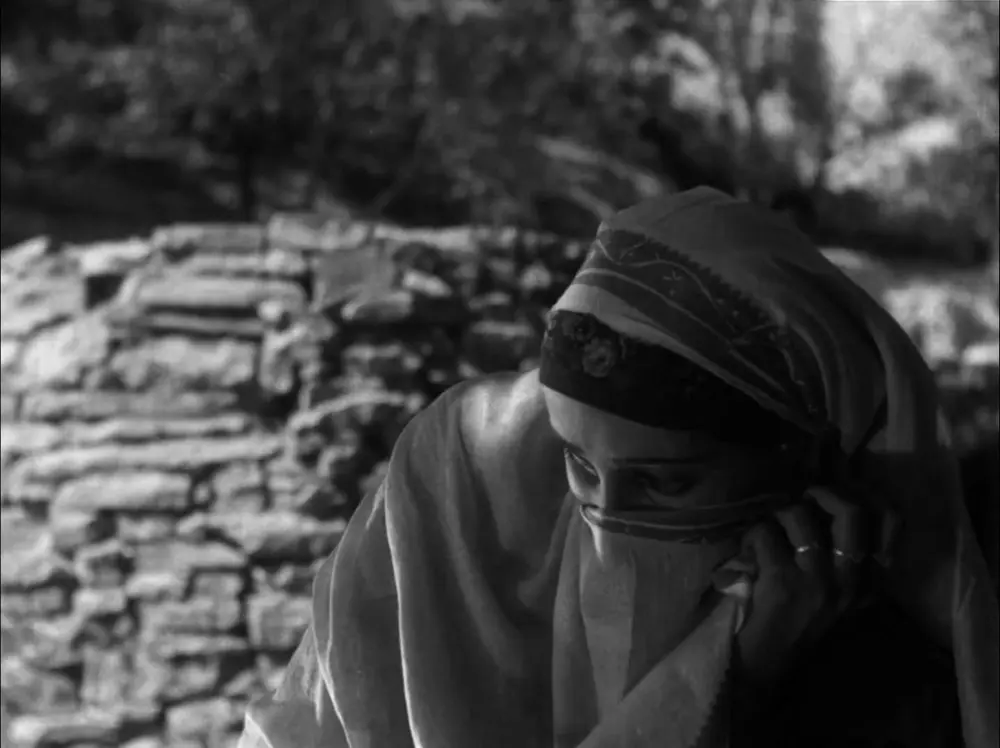
There's a beautiful, yet melancholic, shot of Bela walking alone through a desolate mountain path, her figure small against the vastness. It's a moment that perfectly encapsulates her vulnerability and her ultimate powerlessness in a world dominated by men and their capricious whims. The visual storytelling here is subtle but effective, using the environment to deepen the emotional resonance of her tragic fate.
Pacing and Tone: A Deliberate March Towards Tragedy
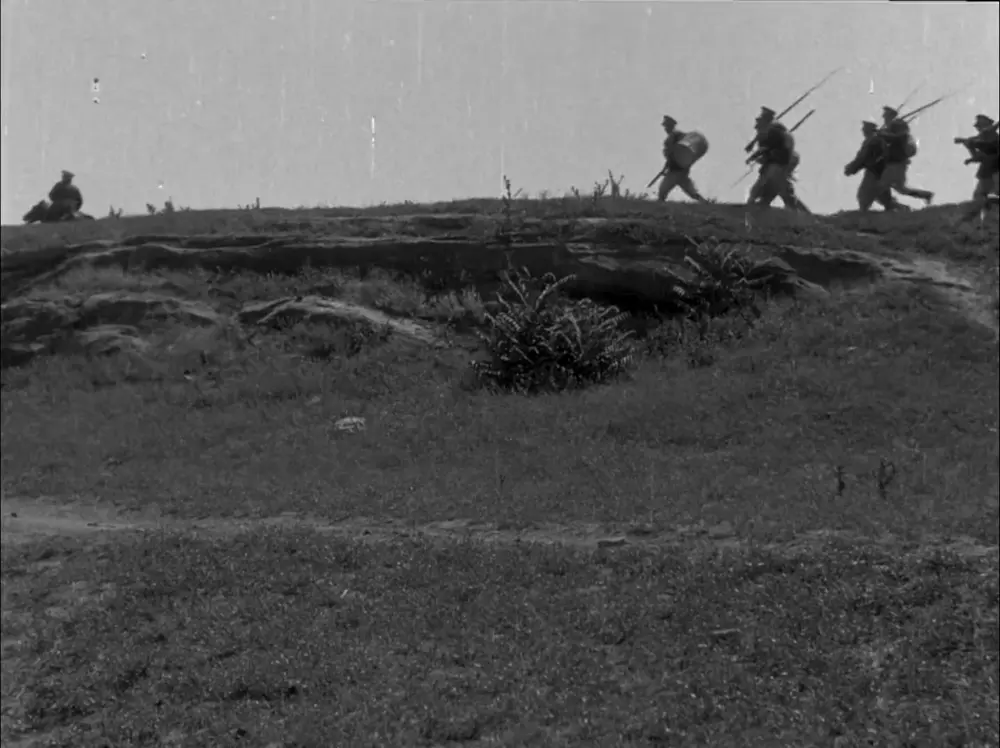
"Bela" is a film that demands patience. Its pacing is deliberate, almost meditative, allowing scenes to unfold slowly, giving the audience time to absorb the atmosphere and the subtle shifts in character dynamics. This isn't a film that rushes to its conclusions; rather, it meanders, much like Pechorin himself, through the landscape of human folly and indifference. For viewers accustomed to rapid-fire editing and constant narrative propulsion, this can be a significant hurdle.
However, this slow burn is not without purpose. Barskiy uses the extended duration of shots and the lack of frantic cuts to build a pervasive sense of dread and inevitability. The tone is consistently somber, tinged with a fatalism that feels authentic to Lermontov's original novel. There's a quiet despair that permeates every frame, from Pechorin's listless gaze to Bela's increasingly sorrowful expressions.
Scene from Bela
Cinematic perspective: Exploring the visual vocabulary of Bela (1927) through its definitive frames.
The film’s tone is established early and maintained rigorously. Even moments that might, in another film, offer a glimmer of romance or hope, are quickly undercut by Pechorin’s inherent coldness. His 'courting' of Bela is less a romantic pursuit and more a calculated acquisition, a fact that the film never shies away from. This unwavering commitment to its bleak outlook is admirable, even if it makes for an emotionally demanding viewing experience.
Compare it to something like Die suchende Seele (1914) or Shuchû nikki (1926), other early films that explore human psychology, and you’ll find "Bela" stands out for its particularly stark and unadorned approach. There are no grand emotional gestures, no soaring musical scores to guide the audience's feelings. Instead, we are left to confront the harsh realities of the narrative on our own terms, a bold directorial choice for its time.
Bela's Plight: A Victim of Circumstance
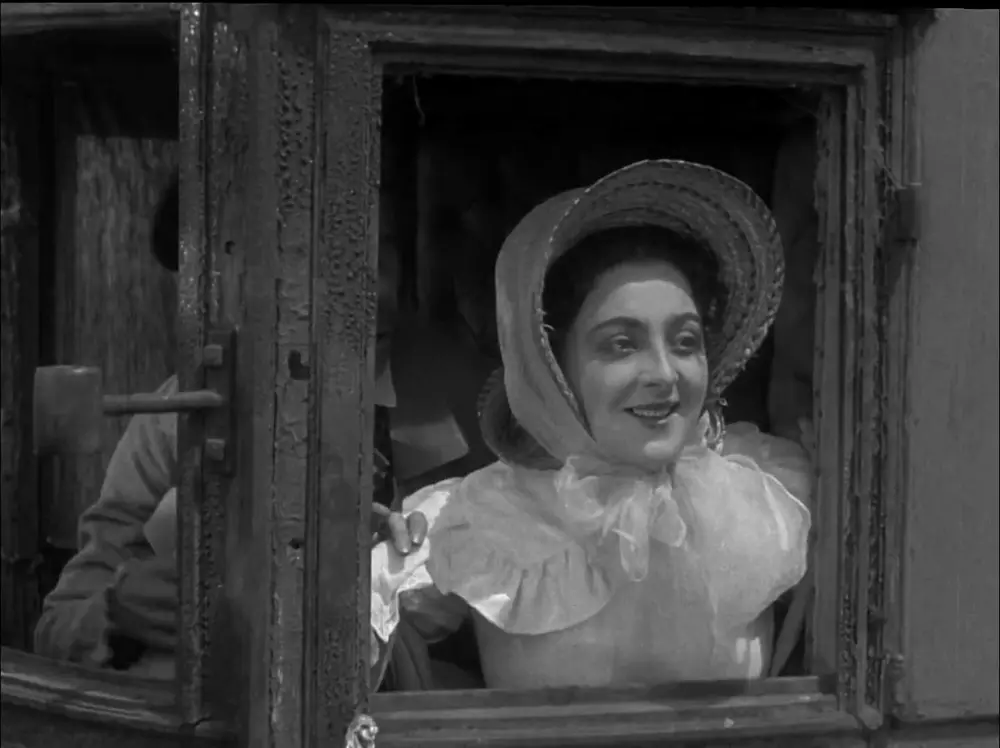
Bella Beletskaya’s portrayal of Bela is heartbreakingly effective. She embodies innocence, vulnerability, and ultimately, tragic helplessness. Bela is a character caught in a patriarchal world where women are often pawns in men’s games of honor, power, and, in Pechorin’s case, amusement. Her initial resistance to Pechorin's advances quickly gives way to a fragile hope, a desperate longing for affection that Pechorin is utterly incapable of providing.
The film poignantly captures Bela’s gradual disillusionment. Her initial curiosity and fear transform into a quiet, enduring sadness as she realizes the true nature of Pechorin’s affections – or lack thereof. Beletskaya conveys this with subtle shifts in her posture, her downcast eyes, and the increasing weight of her silence. She is a woman whose spirit is slowly crushed, not by malice, but by profound indifference.
Bela’s death, at the hands of Kazbich, is not just a tragic plot point; it's a brutal commentary on the consequences of Pechorin's actions. She is a casualty of his boredom and his casual disregard for the lives he so carelessly manipulates. The film doesn’t sensationalize her death, nor does it allow Pechorin a moment of dramatic grief. His reaction, or lack thereof, solidifies his status as a truly chilling anti-hero.
Scene from Bela
Cinematic perspective: Exploring the visual vocabulary of Bela (1927) through its definitive frames.
Her story serves as the emotional counterpoint to Pechorin’s coldness, a reminder of the human cost of his self-absorbed existence. While Pechorin is the narrative's driving force, Bela is its moral compass, tragically pointing towards the emptiness at the heart of his world. Her fate is a stark, unvarnished depiction of the vulnerability of those caught in the orbit of such a destructive personality.
Is this film worth watching?
Yes, "Bela" is absolutely worth watching, particularly for specific audiences.
It offers a unique window into early Soviet filmmaking and literary adaptation.
The film provides a powerful, if bleak, character study of moral apathy.
Its atmospheric cinematography and deliberate pacing create a haunting mood.
Scene from Bela
Cinematic perspective: Exploring the visual vocabulary of Bela (1927) through its definitive frames.
However, be prepared for a slow, emotionally distant narrative.
It's not for those seeking conventional entertainment or a feel-good story.
Key Takeaways
Best for: Viewers interested in classic literature adaptations, early silent cinema, psychological character studies, and films that challenge emotional engagement.
Not for: Audiences seeking fast-paced action, clear heroes and villains, overt emotional catharsis, or light entertainment.
Standout element: G. Sarchimelidze's unflinching portrayal of Pechorin's profound indifference, which anchors the film's bleak tone.
Biggest flaw: Its extremely deliberate pacing and emotional detachment can make it inaccessible or even frustrating for many modern viewers.
Pros and Cons
Pros:
Powerful Character Study: Pechorin's portrayal is complex and unsettling, a true anti-hero of the highest order.
Atmospheric Setting: The Caucasus mountains are beautifully integrated, enhancing the film's mood and themes.
Historical Significance: An important piece of early Soviet cinema, demonstrating ambitious storytelling for its time.
Unflinching Honesty: The film refuses to romanticize its protagonist or offer easy answers, leading to a profound, albeit bleak, message.
Subtle Performances: The acting, particularly from Sarchimelidze and Beletskaya, relies on nuance rather than melodrama.
Cons:
Challenging Pacing: The film's slow, deliberate rhythm will test the patience of many viewers.
Emotional Detachment: It's a hard film to love, as its protagonist is devoid of relatable human emotion.
Limited Accessibility: Its age, silent film format, and thematic density make it less accessible to a broad audience.
Potentially Dated Elements: Some aspects of the filmmaking, while innovative for its time, might feel archaic today.
Bleak Outlook: The narrative offers little in the way of hope or redemption, making it a heavy viewing experience.
Verdict
"Bela" is not an easy film. It is a hard film to love, and even harder to forget. Vladimir Barskiy's adaptation of Lermontov's "A Hero of Our Time" is a testament to the power of early cinema to explore profound psychological depths without the crutch of dialogue. It works. But it’s flawed. Its deliberate pacing and the sheer, unyielding coldness of its protagonist, Pechorin, make it a challenging watch, almost an endurance test.
Yet, it is precisely this challenge that makes "Bela" so compelling for the right audience. For those willing to immerse themselves in its stark, atmospheric world and accept its bleak vision, it offers a powerful, thought-provoking experience. Sarchimelidze's portrayal of Pechorin is a masterclass in understated villainy, a chilling portrait of a man so utterly consumed by self that he becomes a black hole of human emotion. Bela's tragic fate, meanwhile, serves as a poignant reminder of the collateral damage wrought by such indifference.
This is a film that demands your attention, not with flashy theatrics, but with a quiet, persistent insistence on confronting the darker aspects of human nature. It's an essential piece for understanding the trajectory of early Soviet cinema and the enduring power of Lermontov's original text. While it won't be for everyone, its artistic merit and historical significance make it a film that serious cinephiles should seek out, if only to bear witness to its unsettling, yet undeniably potent, vision. It leaves a mark, a cold, indelible imprint that resonates long after the final frame.