DbcultAccessing Vault...
6.2/10
Senior Film Conservator
A definitive 6.2/10 rating for a film that redefined the boundaries of cult cinema. Beloe Zoloto remains a cornerstone of transgressive art.
Alright, so 'Beloe Zoloto' – or 'White Gold' as it translates – isn't going to be your Friday night popcorn flick. It’s a deep dive into a very specific slice of Soviet history, probably only really for serious film historians or anyone fascinated by the early days of collectivization. If you're looking for fast-paced drama, you’ll be pretty lost here. But if you’re into seeing how a nation tried to tell its own story on screen, it’s got *something*.
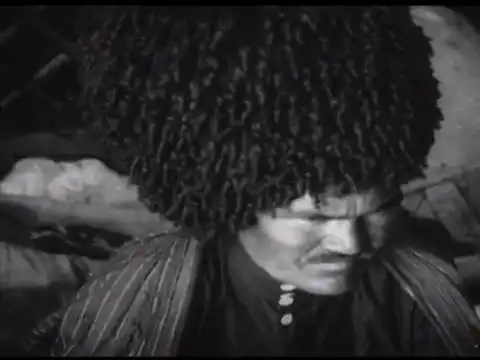
The whole thing is built around this central idea: making cotton production work, no matter what. You see it from the ground up, literally. The opening shots are just endless fields, the sun beating down, and then these figures, almost silhouettes at first, moving across the landscape. It really makes you feel the *scale* of the effort.
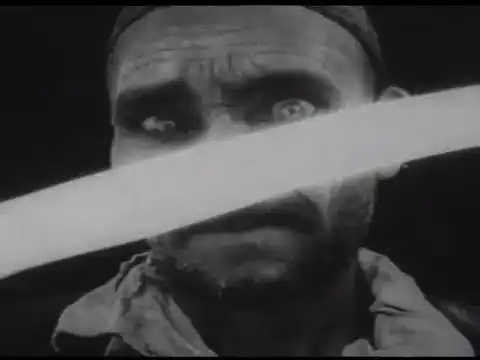
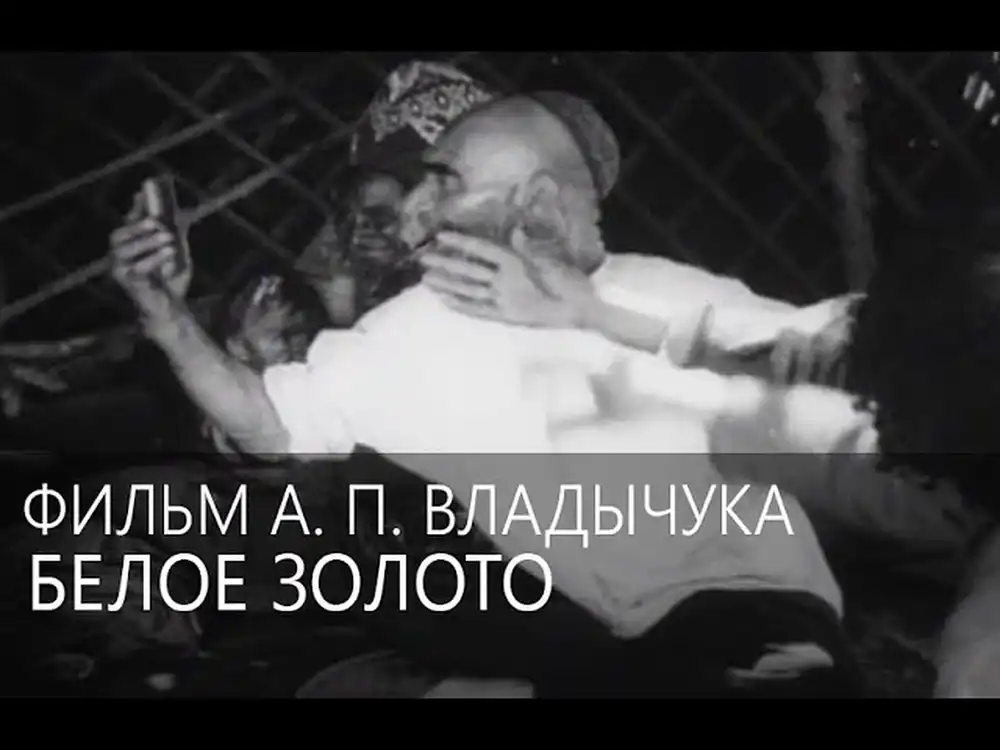
There's this one scene, it's maybe 20 minutes in, where Orz-Ogly B. – or at least I think it was him – is trying to explain some new farming method to a group of older workers. The gestures are so big, almost theatrical, you can practically hear the impassioned speeches even without dialogue. It's all about convincing, pushing forward. 💪
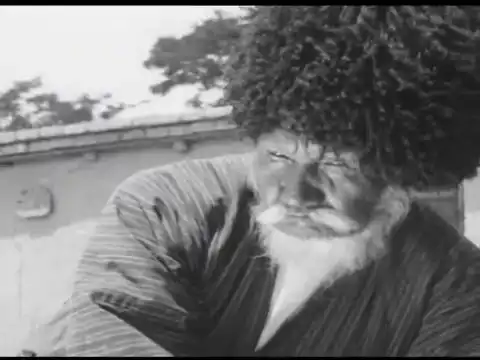
And the dirt. Man, the dirt. Every frame feels like it has a fine layer of dust clinging to it. You can almost feel the dry air. It’s a very physical film in that sense, even when the actual action is just people talking in a meeting room.

The movie doesn't really have 'characters' in the modern sense. Everyone feels like a representation. There’s the determined leader, the skeptical elder, the eager young worker. Ay-Dzhaman, for example, has this persistent, almost _stubborn_ look in their eyes throughout. You never really get a sense of their personal life, but you get their *spirit*.
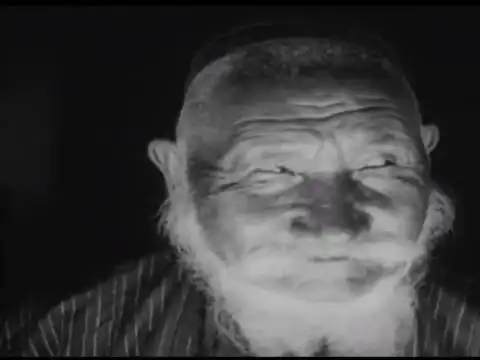
I found myself wondering about the logistics of filming some of these scenes. Like, the sheer number of people in some of the wide shots, all moving in unison. It’s really quite impressive. The camera just sort of hovers over them, observing. No fancy cuts, just letting the scene play out. Sometimes for a bit *too* long, maybe. 😴
One particular moment sticks with me: a close-up on a single cotton boll, all fluffy and perfect, after a montage of grueling work. It’s such a simple image, but it really hammers home the 'white gold' idea. Like, _this_ is what all that struggle was for. A small, perfect, valuable thing.
The pacing is definitely of its time. It’s deliberate. It takes its time. You don’t get a lot of quick edits. This means some parts feel like they drag a bit, especially when it’s just showing people tilling the land. But then, it also lets you soak in the atmosphere, the sheer _endurance_ of it all.
There’s a very strong sense of purpose running through the entire film. It’s not subtle. You can almost feel the film trying to convince you this collective effort matters, that it’s *essential*. It’s a historical artifact as much as it is a movie, really, showing you not just a story but _how_ stories were told back then.
If you're a student of early Soviet cinema, or just someone who enjoys seeing the raw ambition of nation-building captured on film, you'll find plenty to chew on. For anyone else? It's probably a pass, unless you're feeling particularly patient and curious about a very specific historical snapshot. But for what it is, it’s a powerful, if somewhat heavy-handed, statement. It definitely leaves an impression.
IMDb 6.6
1933
Community
Log in to comment.