DbcultAccessing Vault...
5.7/10
Senior Film Conservator
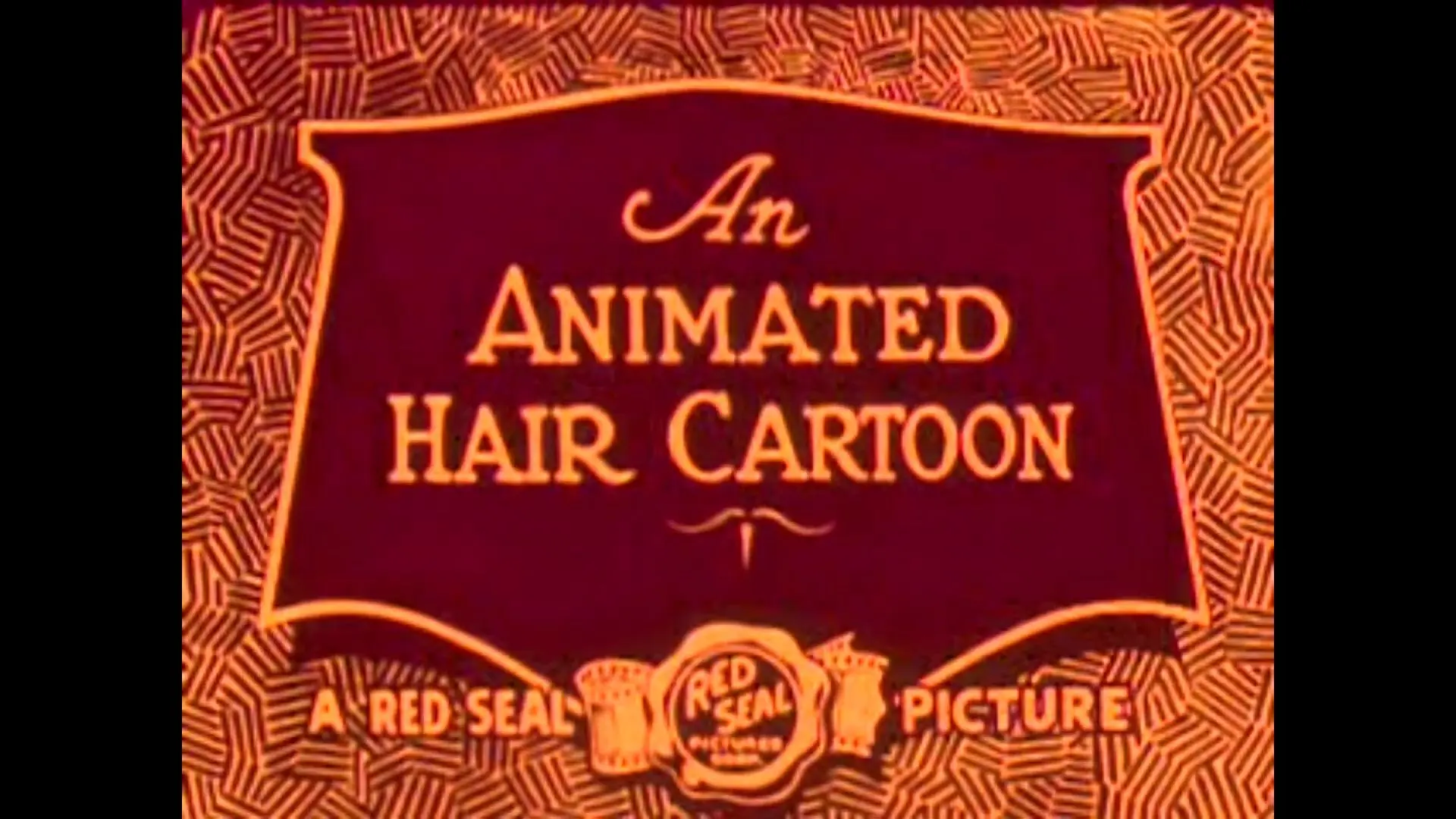
A definitive 5.7/10 rating for a film that redefined the boundaries of cult cinema. An Animated Hair Cartoon: No. 18 remains a cornerstone of transgressive art.
To witness An Animated Hair Cartoon: No. 18 is to step into a temporal rift where the very foundations of cinema were being poured. It is a work of startling brevity, yet its implications for the medium of animation are gargantuan. While contemporaries were perhaps more concerned with the grandiosity of historical recreation—much like the naval spectacle found in The Battle of Jutland—this short film turns its gaze inward, focusing on the miraculous potential of the line itself. It is a 'lightning sketch' elevated to the status of high art, a playful yet profound interrogation of the animator's power to grant life to the inanimate.
The aesthetic core of this piece resides in its economy. In an era where films like The Carpet from Bagdad sought to dazzle through exoticism and narrative sprawl, An Animated Hair Cartoon: No. 18 finds its brilliance in the micro-gesture. The premise is deceptively simple: a single hair, or a line mimicking one, is manipulated on screen to form faces, objects, and scenes. However, the execution is anything but rudimentary. There is a certain joie de vivre in how the animator’s hand occasionally enters the frame, acting as a bridge between our reality and the ink-stained world of the cartoon.
This meta-fictional element reminds me of the self-referential nature of Bag Filmens Kulisser, which pulled back the curtain on the filmmaking process. Here, the 'curtain' is the paper itself, and the 'actors' are the shifting silhouettes birthed from a single strand. The fluidity of the transitions suggests a pre-digital understanding of morphing that feels incredibly modern, almost predicting the liquid aesthetics of late 20th-century motion graphics.
Though it lacks the overt melodramatic weight of No Woman Knows or the moralistic gravity of La Destinée de Jean Morénas, the film is not devoid of substance. The caricatures presented are often sharp, satirical reflections of contemporary society. By reducing a person to a single, undulating hair, the animator strips away the artifice of class and status. It is a democratic form of art; everyone, from the aristocrat to the laborer, is susceptible to being unraveled into a simple geometric squiggle.
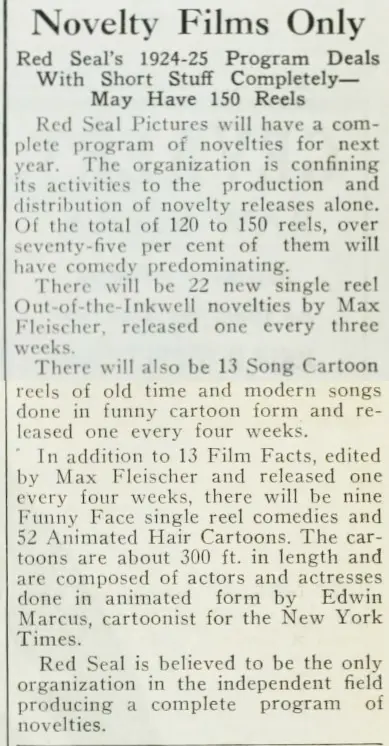
"The genius of the 'Animated Hair' series lies not in what it shows, but in what it suggests. It demands the audience's participation in the act of creation, asking us to complete the image with our own imagination."
In comparing this to the character-driven narratives of A Very Good Young Man, one realizes that animation offers a different kind of psychological depth. It isn't the depth of dialogue or performance, but the depth of archetypal recognition. We recognize the 'An Amateur Devil'—much like the protagonist in An Amateur Devil—not because of his back-story, but because of the sharp, mischievous tilt of a drawn eyebrow.
We often forget the sheer physical labor involved in early animation. Each frame of No. 18 represents a calculated risk. Unlike the sprawling sets of American Maid or the rugged exterior locations of The Gypsy Trail, the animator here is confined to a desk, yet the world he creates is infinite. The registration of the film—keeping the line consistent across hundreds of hand-drawn frames—is a feat of precision that rivals the clockwork plotting of a heist film like Sneakers (though obviously separated by decades of technological evolution).
There is a rhythmic pulse to the editing here. It doesn't rely on the frantic pacing of an action-oriented short like Tempest Cody Turns the Tables. Instead, it moves with the grace of a dancer. The way the hair coils and uncoils has a hypnotic quality, drawing the viewer into a state of meditative focus. It is a visual lullaby that occasionally wakes you with a sharp jab of wit.
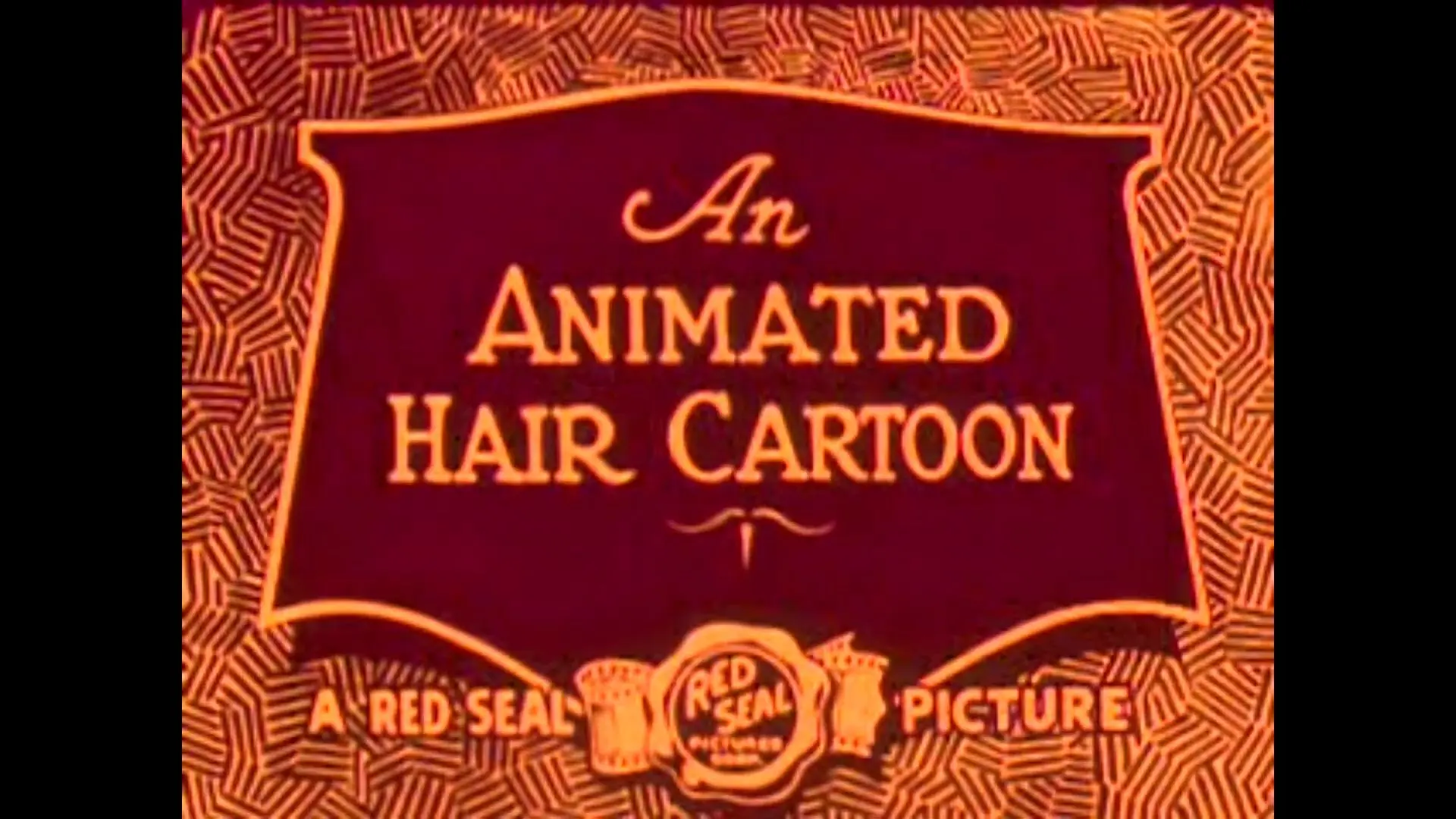
What strikes me most about An Animated Hair Cartoon: No. 18 is its inherent transience. In the silent era, many films were treated as disposable entertainment, much like the ephemeral nature of the line itself. This film embraces that quality. It doesn't seek to build a lasting monument like the dramatic stakes in Till We Meet Again. Instead, it delights in its own fleeting existence. It is art for the moment, a spark of creativity that ignites and vanishes.
This sense of play is something we often lose in the high-stakes world of modern cinema. There is a 'pagan' energy to it—not in the sense of Pagan Passions—but in its primal, uninhibited joy of making something from nothing. It captures the 'lucky' happenstance of creation, reminiscent of the serendipitous charm found in The Lucky Devil.
Even in its more somber moments—if a line can be said to be somber—there is a dignity to the work. It reminds one of the quiet resilience seen in A Prince in a Pawnshop. The line may be bent, twisted, and stretched, but it never breaks. It remains a continuous thread, a metaphor for the human spirit’s ability to adapt and reform regardless of the pressures applied to it.
To dismiss An Animated Hair Cartoon: No. 18 as a mere historical curiosity is to do a disservice to the medium of animation. It is a masterclass in minimalism, a reminder that you don't need a million-dollar budget or a cast of thousands to evoke emotion and wonder. You only need a pen, a piece of paper, and a single, wandering hair.
As we look back from our vantage point of CGI and AI-generated imagery, there is something deeply grounding about the tactile nature of this film. It is a human artifact, showing the literal hand of the artist. It is a conversation across time, whispering to us that the most profound stories can sometimes be told with the simplest of tools. It stands as a beacon of pure creativity, shining brightly in the vast, often dark, archives of cinematic history.
IMDb 7.1
1934
Community
Log in to comment.