DbcultAccessing Vault...
7.1/10
Senior Film Conservator
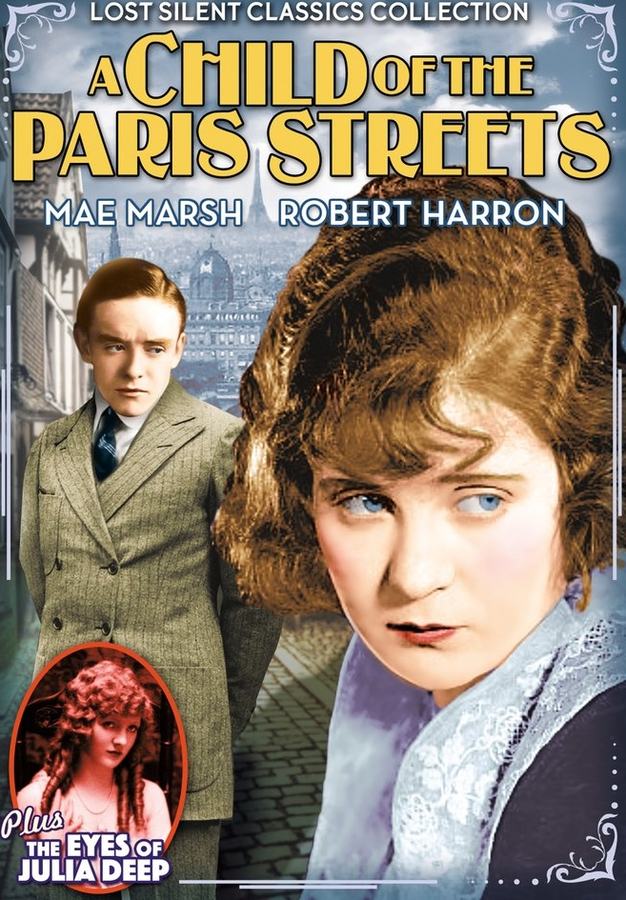
A definitive 7.1/10 rating for a film that redefined the boundaries of cult cinema. A Child of the Paris Streets remains a cornerstone of transgressive art.
Stepping back into the nascent years of cinema, one occasionally unearths a forgotten treasure, a silent film whose narrative power and emotional depth transcend the limitations of its era. Grant Carpenter's 'A Child of the Paris Streets' (1913) is precisely such a find, a cinematic artifact that, despite its century-plus vintage, pulsates with a raw, visceral energy that speaks to timeless themes of justice, vengeance, and the transformative power of human connection. It's a journey into a bygone Paris, not of postcards and romance, but of gritty alleyways and moral ambiguities, where the lines between right and wrong are blurred by circumstance and the unforgiving hand of fate.
The film plunges us headfirst into the heart of the Parisian underworld, introducing us to 'The Apaches,' a notorious criminal fraternity whose very name conjures images of fierce independence and a defiance of societal norms. When the son of their formidable leader is brought before the court, facing the full might of the law, his mother's anguished plea for mercy falls on deaf ears. The judge, an embodiment of unyielding law and order, remains resolute, his decision sealing not only the boy's fate but also igniting a powder keg of resentment within the Apache ranks. This act of perceived judicial intransigence sets in motion a chain of events that is both tragic and profoundly compelling: the judge's young daughter is snatched from her life of privilege, destined to be raised as one of their own, schooled in the harsh realities and cunning ways of the street. This initial premise immediately establishes a powerful dramatic tension, a 'nature versus nurture' debate playing out on the grand, unforgiving stage of early cinema, reminiscent in its stark social commentary to films like Life in a Western Penitentiary, which similarly grappled with the environments that shape individuals.
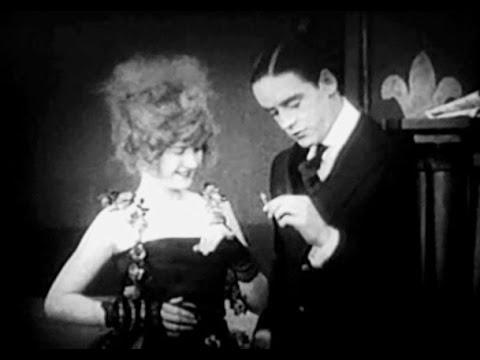
What unfolds is a fascinating character study. The kidnapped girl, initially a symbol of innocence, is systematically stripped of her former identity and molded into an 'Apache.' Her education is not in drawing-room etiquette but in the art of survival, of subterfuge, and of petty crime. She learns to navigate the labyrinthine streets with an instinctual grace, her hands becoming adept at the pilfering of valuables, her eyes sharpened by the constant need for vigilance. This transformation is portrayed with a nuanced understanding of how environment shapes destiny, a theme that, while perhaps less overtly political, shares a thematic thread with the social critiques present in films like Uden Fædreland, which explored the plight of individuals without a homeland, forced to adapt to new, often hostile, realities. The film doesn't shy away from depicting the moral compromises inherent in her new existence, yet it also imbues her with a nascent strength and resilience that are utterly captivating.
The casting is a particular strength here. While silent film acting often leaned towards the melodramatic, the ensemble in 'A Child of the Paris Streets' delivers performances that feel remarkably grounded. Mae Marsh, in particular, as the titular 'child' (or rather, the grown woman she becomes), brings a luminous intensity to her role. Her expressive eyes convey a complex tapestry of emotions: the hardened resolve of an Apache, the lingering ghost of her lost innocence, and the burgeoning stirrings of a different kind of life. She manages to imbue her character with both vulnerability and a fierce independence, making her transformation believable and deeply affecting. Loyola O'Connor, as the vengeful mother, delivers a performance of steely determination and sorrow, her silent gestures speaking volumes about the depth of her pain and her unwavering commitment to her family's code.
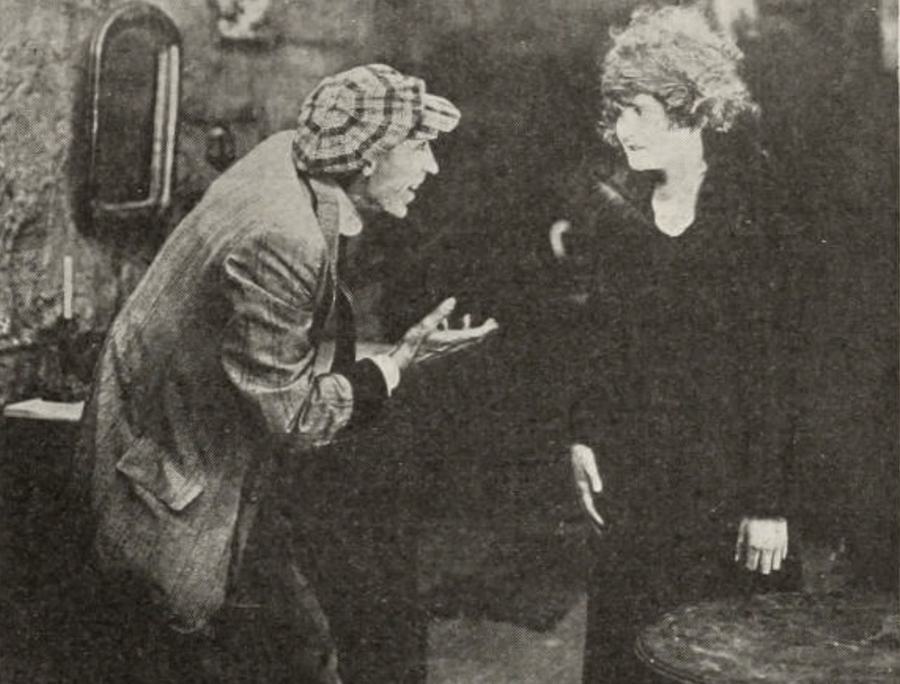
The narrative takes a pivotal turn when the now-adult 'Apache' girl crosses paths with a young American artist, played by Robert Harron. In a scene charged with understated tension, she attempts to relieve him of a valuable pin. He catches her, not with anger, but with an intriguing mixture of curiosity and empathy. This encounter, seemingly mundane, becomes the catalyst for a profound shift in her life. An undeniable attraction sparks between them, a magnetic pull that transcends their vastly different worlds. Harron, known for his nuanced portrayals, brings a gentle earnestness to his character, a stark contrast to the rough-and-tumble world the girl inhabits. Their burgeoning romance is a delicate dance, fraught with the danger of exposure and the ever-present threat of her 'Apache' family's disapproval.
This forbidden love story is where the film truly shines, exploring the universal theme of connection blossoming in the most unlikely of circumstances. It's a testament to the power of human spirit to seek beauty and affection even amidst squalor and moral compromise. The film deftly portrays the internal conflict within the girl: her loyalty to the family that raised her versus the allure of a life free from crime, a life offered by the artist. This struggle for identity and belonging finds echoes in the tragic romantic entanglements depicted in Anna Karenina, where societal expectations clash violently with personal desires, albeit in vastly different social strata. The narrative doesn't offer easy answers, instead opting for a portrayal of complex emotions and difficult choices.
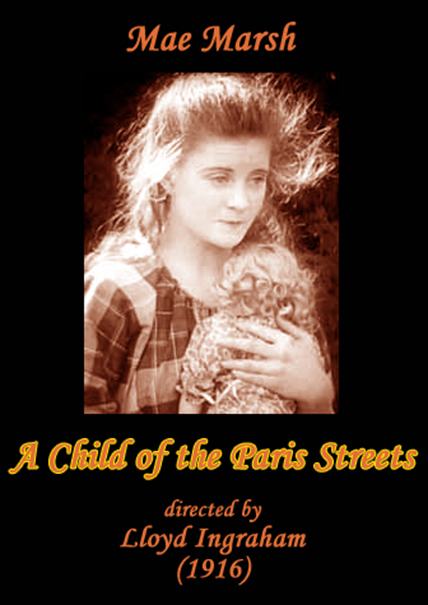
The 'Apache' family, particularly the leader (Bert Hadley) and the formidable presence of Jennie Lee and Josephine Crowell, are not merely villains; they are products of their environment, bound by a strict code of loyalty and an unwavering commitment to their own brand of justice. Their displeasure at the girl's growing attachment to an 'outsider' is palpable, threatening to erupt into violence. This dynamic creates a thrilling tension, as the audience is left to wonder if love can truly conquer all, or if the deeply ingrained loyalties of the underworld will ultimately triumph. The film masterfully builds towards a confrontation, a clash of ideologies and affections that feels both inevitable and profoundly moving.
Grant Carpenter's writing, even without spoken dialogue, conveys a remarkable depth of character and plot. The narrative progression is clear, compelling, and avoids the common pitfalls of over-reliance on intertitles, allowing the visual storytelling to take precedence. The cinematography, while perhaps rudimentary by today's standards, effectively captures the atmosphere of early 20th-century Paris, from its bustling thoroughfares to its shadowy, dangerous corners. The use of close-ups, though sparing, is impactful, drawing the viewer into the characters' emotional states, particularly in moments of intense conflict or tender intimacy. The silent film era, often dismissed as primitive, possessed a unique visual language, and 'A Child of the Paris Streets' is a compelling example of its expressive power.
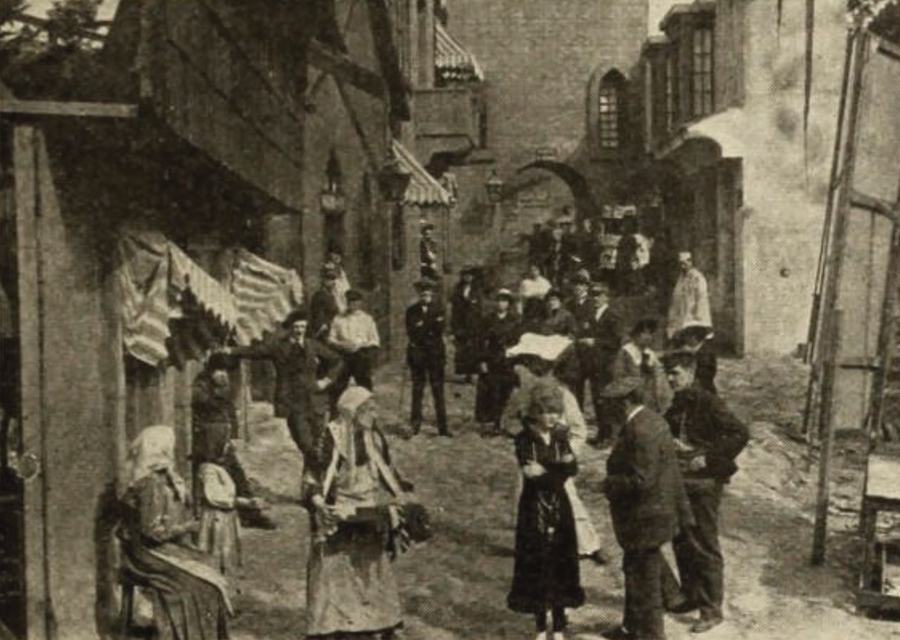
Beyond Mae Marsh and Robert Harron's captivating turns, the supporting cast provides a solid foundation for the drama. Tully Marshall, often a character actor of great distinction in this period, imbues his role with gravitas, while Carl Stockdale and Paul Le Blanc contribute to the authentic portrayal of the Apache world. The collective effort of the actors creates a believable, lived-in environment, making the stakes feel genuinely high. Each gesture, each facial expression, is carefully calibrated to convey complex motivations without the aid of spoken words, a testament to the unique artistry of silent film performance. The raw emotion conveyed by the actors, particularly in moments of despair or defiance, is incredibly powerful, drawing the audience into their plight with an almost hypnotic intensity.
The film's exploration of redemption is another key element that resonates deeply. While the initial act of vengeance is brutal and unforgiving, the subsequent narrative arc suggests a possibility of breaking free from cycles of violence. The American artist, representing an 'other' world of morality and opportunity, offers the kidnapped girl a chance at a different future, a path away from the criminal existence she was forced into. This quest for redemption, for a second chance at life, is a timeless theme that connects 'A Child of the Paris Streets' to other narratives of moral reckoning, perhaps even sharing a distant kinship with the struggles for spiritual and societal acceptance seen in films like The Habit of Happiness, which explored personal transformation through positive outlooks.
In an era dominated by the burgeoning stardom of figures like Mary Pickford and the directorial innovations of D.W. Griffith, 'A Child of the Paris Streets' might not have garnered the same widespread acclaim upon its initial release as some of its contemporaries. Yet, viewed through a modern lens, it stands as a remarkably sophisticated piece of early filmmaking. It offers a compelling blend of melodrama, social commentary, and character-driven drama that holds up surprisingly well. The film's ability to evoke empathy for characters on both sides of the law, to explore the complexities of morality in a world devoid of easy answers, is a testament to its enduring power.
The narrative's central conflict—the individual caught between two irreconcilable worlds, struggling to reconcile their past with a potential future—is a potent dramatic engine. The judge's initial refusal of mercy, while seemingly just by legal standards, ironically begets a far greater injustice, highlighting the often-unintended consequences of rigid adherence to the letter of the law. This exploration of the cyclical nature of vengeance and the profound impact of individual choices is handled with a maturity that belies the film's early production date. Comparisons could even be drawn to the thematic weight of films such as Forbandelsen, which delved into curses and the inescapable chains of fate, though 'A Child of the Paris Streets' offers a glimmer of hope for breaking those chains.
Ultimately, 'A Child of the Paris Streets' is more than just a historical curiosity; it is a vibrant, emotionally charged narrative that speaks to the enduring human capacity for both cruelty and compassion. It reminds us that even in the most hardened hearts, a seed of love can take root, challenging deeply ingrained loyalties and offering a glimpse of a different, perhaps better, future. For cinephiles and casual viewers alike, this film offers a valuable opportunity to connect with the rich tapestry of early cinema, proving that a powerful story, well told, can transcend the boundaries of time and technology. It’s a compelling argument for the preservation and rediscovery of these silent masterpieces, each a window into the narrative foundations of the art form we cherish today. Its dramatic core, focusing on the harrowing choices made under duress and the profound search for identity, remains as relevant and poignant now as it was over a century ago.

IMDb —
1925
Community
Log in to comment.