DbcultAccessing Vault...
Cult Review
Senior Film Conservator
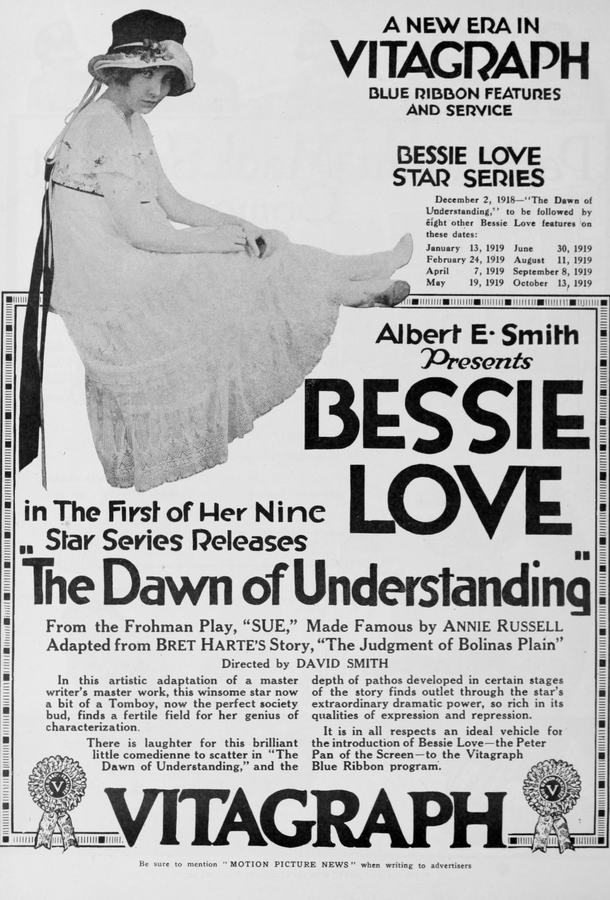
Stepping back into the nascent era of cinematic storytelling, before the advent of synchronized sound gave voice to the silver screen, one often encounters narratives of remarkable emotional depth and visual ingenuity. Among these, Edward J. Montagne's adaptation of Bret Harte's poignant tale, The Dawn of Understanding, stands as a testament to the power of silent film to convey complex human drama. Released in 1918, a year brimming with societal upheaval and artistic experimentation, this picture delves into the raw, often brutal, realities of life on the American frontier, using a deceptively simple plot as a canvas for exploring profound themes of sacrifice, moral ambiguity, and the unexpected blossoming of genuine affection.
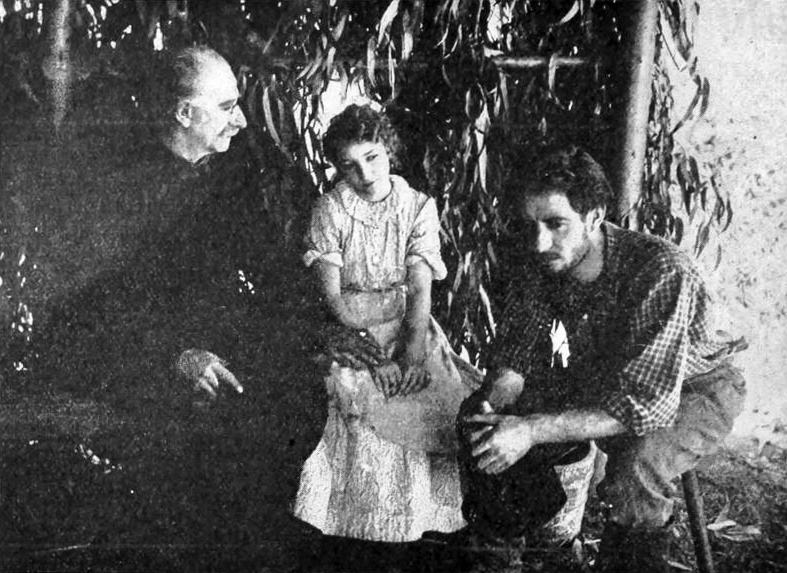
The film opens with a gut-wrenching premise: Silas Prescott, portrayed with a weary gravitas by George A. Williams, finds himself utterly bereft after his wife succumbs to the harsh conditions of their westward journey. In a move born of desperation and the stark practicality demanded by the frontier, he makes a decision that would haunt any modern sensibility: he effectively sells his daughter, Sue, into marriage with Ira Beasley, a local rancher brought to life by the understated performance of George Kunkel. This transactional union, devoid of romance or even nascent affection, sets the stage for Sue's isolated existence. Bessie Love, in a role that showcases her burgeoning talent, embodies Sue with a quiet resilience, her expressive eyes conveying a yearning that transcends the silent medium. Her initial life with Ira is a tableau of loneliness, a landscape as barren as the Western plains that surround them, punctuated only by the monotony of daily chores and the silent chasm between husband and wife.
The narrative truly ignites with the arrival of the traveling circus, a vibrant, chaotic intrusion into the muted palette of Sue's life. This spectacle, a kaleidoscope of daring feats and exotic wonders, represents an intoxicating antithesis to her constrained reality. It is here that she encounters Jim Wynd, a wild-tempered acrobat played by John Gilbert with a magnetic, almost dangerous charisma. Gilbert, even in these early roles, possessed an undeniable screen presence, hinting at the dashing stardom that would later define his career. Wynd embodies everything Ira is not: spontaneous, passionate, and thrillingly unpredictable. Sue's fascination with him is not merely infatuation; it's an awakening, a recognition of a life she never knew she could desire, a stark contrast to the quiet resignation she had embraced. This plot device, the arrival of a disruptive force, is a classic trope in melodrama, yet The Dawn of Understanding handles it with a nuanced touch, focusing on the internal turmoil it ignites within Sue rather than merely external spectacle.
The plot thickens when Wynd, after a violent gambling brawl, finds himself a fugitive, seeking refuge in the unlikeliest of places: Sue's barn. This clandestine encounter allows their nascent attraction to deepen, evolving from mere fascination into a potent, illicit connection. Sue, driven by a complex blend of compassion, longing, and perhaps a touch of rebellion against her arranged fate, nurses him, tending to his wounds and, in doing so, nurturing a dangerous spark between them. Their stolen moments in the barn are charged with an almost palpable tension, beautifully conveyed through the actors' subtle gestures and the evocative lighting. It's a testament to the directorial choices that these silent interactions speak volumes, painting a vivid picture of mutual yearning and desperation.
As their plan to elope solidifies, the narrative hurtles towards its dramatic climax. Just as the lovers are poised to escape, the long arm of the law intervenes. The arrival of the sheriff, a symbol of societal order and moral accountability, shatters their romantic fantasy. Jim Wynd, cornered and desperate, makes a rash, violent move, attempting to abduct Sue and escaping at all costs. In the ensuing struggle, tragedy strikes: the sheriff is shot. This act of violence, a stark reminder of Wynd's inherent recklessness, seals his fate. He is arrested, and the dream of freedom he offered Sue crumbles into dust. This sequence is executed with a brisk pace, building suspense effectively through careful editing and the heightened performances of the cast. The moral implications are clear: passion untempered by responsibility often leads to ruin.
The resolution of Wynd’s storyline is swift and unequivocal; he is punished for his misdeeds, his character arc concluding in a manner that reaffirms the era's prevailing moral codes. However, the true heart of the film lies in Sue's journey. Having flirted with rebellion and tasted the allure of forbidden passion, she is now forced to confront the wreckage of her choices and the reality of her life. It is in this aftermath that the film's titular 'understanding' truly begins to dawn. Rather than succumbing to despair, Sue finds an unexpected solace, and indeed, a burgeoning love, with Ira. Their relationship, initially transactional and emotionally sterile, undergoes a profound transformation. They have, through their shared ordeal and the crucible of Sue's near-misstep, learned to see each other anew, recognizing a quiet strength and mutual respect that had been obscured by circumstance and unspoken desires.
Bessie Love's portrayal of Sue is undoubtedly the linchpin of The Dawn of Understanding. She navigates the character's internal landscape with remarkable grace, transitioning from a resigned young woman to one yearning for escape, and finally to a woman who finds unexpected contentment within the very confines she once sought to flee. Her expressiveness, particularly in the close-ups, allows the audience to connect deeply with Sue's emotional turmoil and eventual serenity. John Gilbert, as Jim Wynd, provides a compelling counterpoint, his vibrant energy and dangerous charm making Sue's temptation entirely believable. His performance hints at the 'Latin Lover' persona he would later cultivate, but here it's tinged with a raw, untamed quality perfectly suited to the frontier setting. George Kunkel's Ira Beasley is a masterclass in understated acting; his silent suffering and eventual tenderness are conveyed through subtle shifts in posture and gaze, making his transformation from a stoic rancher to a loving husband genuinely moving. The supporting cast, including Jacob Abrams, J. Frank Glendon, and Dorothea Wolbert, contribute to the film's rich texture, grounding the melodrama in believable human interactions.
The writers, Bret Harte and Edward J. Montagne, craft a narrative that, while adhering to the conventions of early 20th-century melodrama, manages to explore complex moral questions. The film doesn't shy away from presenting Sue's initial marriage as a product of desperation, forcing the audience to grapple with the ethical implications of such arrangements. It then delves into the intoxicating power of forbidden desire, only to ultimately champion the virtues of fidelity and the potential for growth within an initially unpromising relationship. This nuanced approach elevates The Dawn of Understanding beyond mere entertainment, positioning it as a thoughtful commentary on human resilience and the evolution of love.
In an era when cinema was still finding its voice and defining its genres, The Dawn of Understanding fits comfortably within the burgeoning Western drama, yet it also shares thematic DNA with other contemporary films exploring moral quandaries and societal pressures. One might draw parallels to films like As a Woman Sows, which similarly explores the consequences of a woman's choices and transgressions within a rigid social framework. While The Dawn of Understanding doesn't delve into the same social critique as, say, Within Our Gates, it nonetheless offers a compelling look at individual struggle against a backdrop of societal expectation and personal yearning. The film's emphasis on redemption through understanding and enduring love also echoes sentiments found in melodramas like The Two Orphans, albeit with a distinctively American frontier flavor.
The film's visual language, typical of the period, relies heavily on intertitles to convey dialogue and exposition, but it's the expressive performances and the thoughtful framing that truly carry the emotional weight. Cinematography, while not as overtly experimental as some European contemporaries like those influencing Der Eid des Stephan Huller, nonetheless employs effective techniques to highlight character emotions and the vastness of the setting. The contrast between the confined spaces of the ranch house and barn, representing Sue's restricted life, and the expansive, untamed outdoors, symbolizing freedom and danger, is subtly but powerfully rendered.
What makes The Dawn of Understanding particularly compelling is its refusal to offer simplistic solutions. Sue's initial escape attempt with Jim Wynd is portrayed not as a wholly villainous act, but as a desperate reach for a different life, a life perhaps more aligned with her nascent desires. Her eventual return to Ira is not framed as a defeat, but as a hard-won realization. It's a testament to the film's maturity that it suggests true love can be cultivated, can grow from the ashes of initial disillusionment and even betrayal, rather than being solely a product of instantaneous passion. This message resonates deeply, highlighting the complexities of human relationships and the capacity for growth and forgiveness.
The evolution of Sue and Ira's relationship is the film's emotional core. Ira, initially a somewhat distant and imposing figure, gradually reveals layers of quiet devotion and understanding. His willingness to forgive Sue, to see beyond her transgression and recognize her inherent goodness, is pivotal. It’s a powerful depiction of how shared adversity and a willingness to communicate (even silently) can forge bonds stronger than initial attraction. This arc provides a satisfying emotional payoff, making their eventual, genuine connection feel earned and profound. In an era where many narratives focused on grand, often tragic, romantic gestures, The Dawn of Understanding offers a more grounded, perhaps more realistic, portrayal of love's quiet, persistent growth.
While perhaps not as widely remembered as some of the colossal productions of the late silent era, The Dawn of Understanding holds significant value for cinephiles and historians. It showcases the early talents of Bessie Love and John Gilbert, two actors who would go on to have distinguished careers, albeit with Gilbert's tragically cut short by the transition to sound. It also exemplifies the narrative sophistication achievable within the constraints of silent film, proving that compelling character arcs and profound emotional resonance were not dependent on spoken dialogue. The film's themes of moral choice, redemption, and the enduring nature of love remain timeless, offering viewers a window into both the social mores of the early 20th century and the universal human experience.
Moreover, the film serves as an important artifact in the study of the Western genre's evolution. While it contains elements of adventure and frontier life, its primary focus is on the domestic and emotional struggles of its characters, adding a psychological depth that often wasn't present in more action-oriented Westerns. It’s a reminder that the 'Wild West' was also a place of quiet lives, personal dilemmas, and the relentless pursuit of happiness against formidable odds. The film's ability to weave together these elements — the rugged setting, the moral drama, and the emotional journey — speaks to its enduring quality and its rightful place in the pantheon of early American cinema.
In conclusion, The Dawn of Understanding is more than just a historical curiosity; it is a remarkably potent and emotionally rich drama that transcends its silent origins. It invites us to ponder the nature of commitment, the seductive power of forbidden desires, and the profound capacity for human beings to grow and find genuine connection even in the most unpromising of circumstances. Its understated performances, compelling narrative, and timeless themes ensure its continued relevance for those willing to look beyond the absence of sound and appreciate the artistry of early cinema. It’s a film that truly lives up to its evocative title, offering a glimmer of hope and a deeper insight into the human heart at the close of its compelling narrative.
IMDb 5.4
1925
Community
Log in to comment.