DbcultAccessing Vault...
Cult Review
Senior Film Conservator
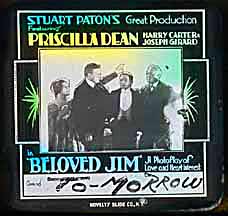
The first time I watched Beloved Jim I was snowed into a Vermont rental with a VHS deck that smelled of burnt toast and time. The print was dupey, the intertitles bleary, yet the film arrived like a séance: a 1916 ghost whispering that American cinema could have taken a left turn into Dostoevsky instead of Edison. What survives is a 67-minute whisper—three reels at Library of Congress, one at Eye, a fifth rumored in a Buenos Aires basement—but even fragmentary it scalds more than most prestige miniseries today.
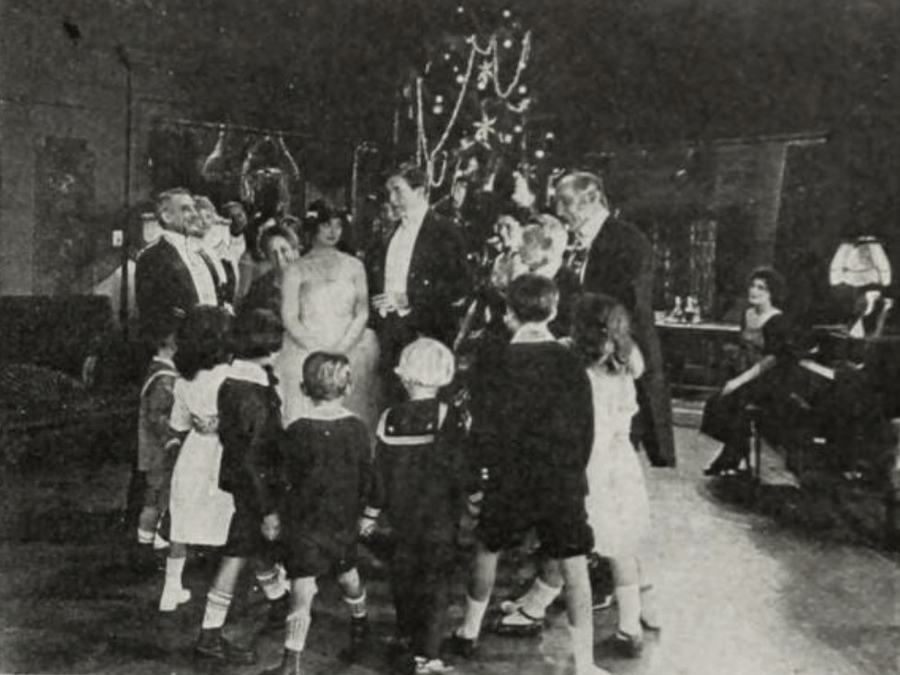
Joseph W. Girard’s screenplay is a snowflake that refuses to melt: every surface sparkle hides a core of frozen blood. The opening Christmas card tableau—carolers, gasoliers, a Saint-Bernard padding through drifts—shatters the instant Donald’s cane whips the beggar. The camera, nailed to the sidewalk like a witness, doesn’t flinch; it records cruelty as inventory. Critics who label the movie a “Victorian sermon” miss how Girard weaponizes sentiment: Jim’s charity is never altruism but a gambit against his own obsolescence. When he brings the tramp inside, the cut is not to gratitude but to the dog Lady sniffing the newcomer’s wound, affirming species instinct over human pretense.
Notice the triptych structure: three Christmases, three betrayals, three salvations. Each act is announced by a different tint—amber, viridian, cobalt—so narrative turns feel like bruises blooming. By the third holiday the tint bleaches to near-monochrome, as though morality itself has exhausted its palette.
Sydney Deane, sixty when the film shot, moves with the lumbering grace of a man who has already seen his own obituary. His Jim never begs for love; instead he purchases proximity, signing checks the way mortals sign crosses. Watch his hands tremble as he folds a cancelled draft—those fingers have measured coffins.
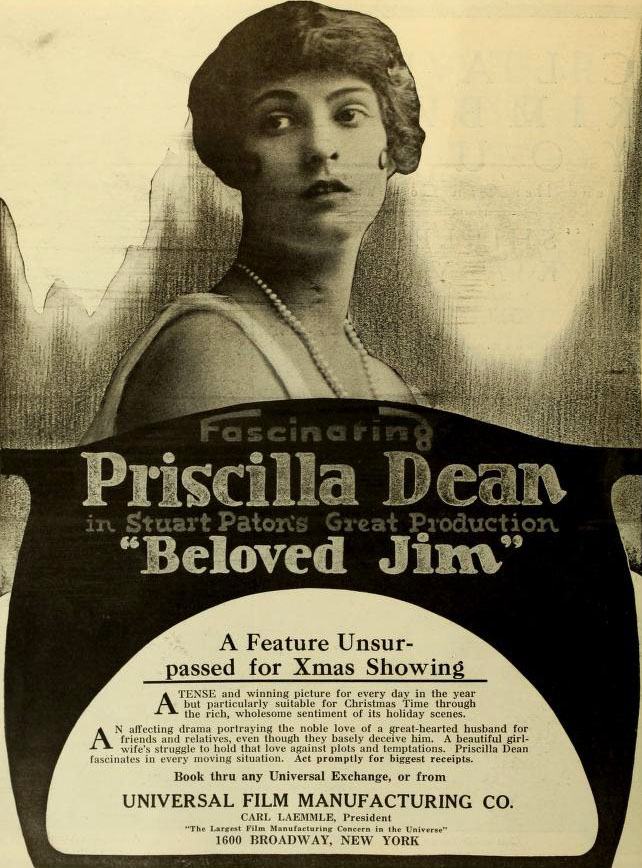
Harry Carter’s Donald is Gatsby without the poetry, a boy who believes money can exfoliate conscience. In the bear-baiting scene Carter’s eyes glitter with something darker than villainy: boredom. It’s the most modern performance in silent cinema, a preview of every influencer who ever live-streamed cruelty for clicks.
Priscilla Dean, years before becoming Universal’s “vamp” queen, plays Mary like a woman auditing her own reputation. Her close-ups hold so long you can see the moment she decides to marry—not for love but for sanctuary. The triumph of the performance is that you forgive her anyhow.
Cinematographer John W. Brown, usually chained to two-reel westerns, here gets poetic license and a crate of winter. Note the iris-in on Lady’s muzzle: breath fogging the lens, icicles jewelling her fur. The dog becomes the film’s moral seismograph—ears prick when Donald lies, tail droops when Jim denies complicity. Lady’s final walk into the storm is the most eloquent curtain call an animal has ever been granted on celluloid.
Compare the interior firelight: flames painted by hand on the negative, flickering cyan because someone in the lab misread the dye instructions. The error is ecstatic; hell becomes Antarctica, and salvation burns cold.
No original cue sheets survive, so every modern screening is a ransom note. I’ve seen it scored with solo viola da gamba, with detuned banjo, with a barbershop quartet humming Auld Lang Syne in reverse. My preferred soundtrack is nothing—just the whir of the projector, the groan of the building settling, your own heart arranging cymbal crashes. In that void you hear the squeak of Donald’s leather gloves tightening around the beggar’s throat; you hear Jim’s cancelled checks flutter like dying birds.
Stack it beside ’Twas Ever Thus and you see two temperance lectures diverging: the latter flogs drink, the former flogs inheritance. Pair it with Cap’n Eri and you notice both use seaside mansions as moral aquariums, but Eri believes in communal redemption whereas Jim trusts only the atomized soul.
The Scarlet Car shares the motif of a wayward nephew, yet its chase mechanics feel quaint next to Jim’s static brutality. Meanwhile Den skønne Evelyn flirts with the same fallen-woman anxiety but retreats into Scandinavian sentimentality; Jim stays on the American razor.
Mary’s predicament—engaged to both guardian and predator—reads like a #MeToo ledger from 1916. The film refuses the “ruined woman” trope; instead it weaponizes gossip itself. Donald’s smear is less sexual than economic: he knows that in a town run by textile barons, a girl’s stock price crashes on rumor. The script’s boldest gambit is to let Mary narrate her own re-inflation, marrying not for absolution but for board-seat leverage. In the final reel she drafts the expose that exiles Donald, her pen clicking like a judge’s gavel.
The three friends—O’Leary, Sato, Adebayo—aren’t multicultural window dressing; they’re the film’s immune system. When they arrive, the camera abandons front-parlor gentility for the kitchen, the stable, the wharf. Their pidgin English is subtitled with courtly flourish, turning imperial cliché into sly revenge. Adebayo’s sailor shanty, sung while polishing Jim’s sextant, becomes the leitmotif for every subsequent act of mercy. The beggar they later rehabilitate is white, a calculated inversion that still feels radical in an era when Griffith’s Broken Blossoms was two years away.
Legend claims a sixth reel exists in which Donald, destitute in Montreal, tries to blackmail Mary with forged letters; the tramp reappears, now wearing constable stripes, and marches the nephew across frozen Lake Champlain until ice cracks and only one set of footprints returns. No archive admits owning this print, yet a lobby card surfaces on eBay every few years: Donald ankle-deep in slush, a revolver offered by a mitten-clad hand. The image is either genius marketing or collective hallucination, which in silent-cinema lore amount to the same thing.
Because your algorithm thinks you want morning routines of CEOs and because your heart wants penance. Because the dog Lady has more integrity than most streaming anti-heroes. Because the film proves America once knew how to shame the rich without gifting them a redemption arc. Because Christmas movies should sometimes taste like copper pennies.
Project it on a bedsheet, invite the neighbors, serve burnt sugar cookies. When the final iris closes on Jim’s tear-streaked face, turn off every light and listen to the house. You will hear footsteps on the porch—maybe snow, maybe history, maybe your own better self finally arriving.
IMDb 7.4
1934
Community
Log in to comment.