DbcultAccessing Vault...
Cult Review
Senior Film Conservator
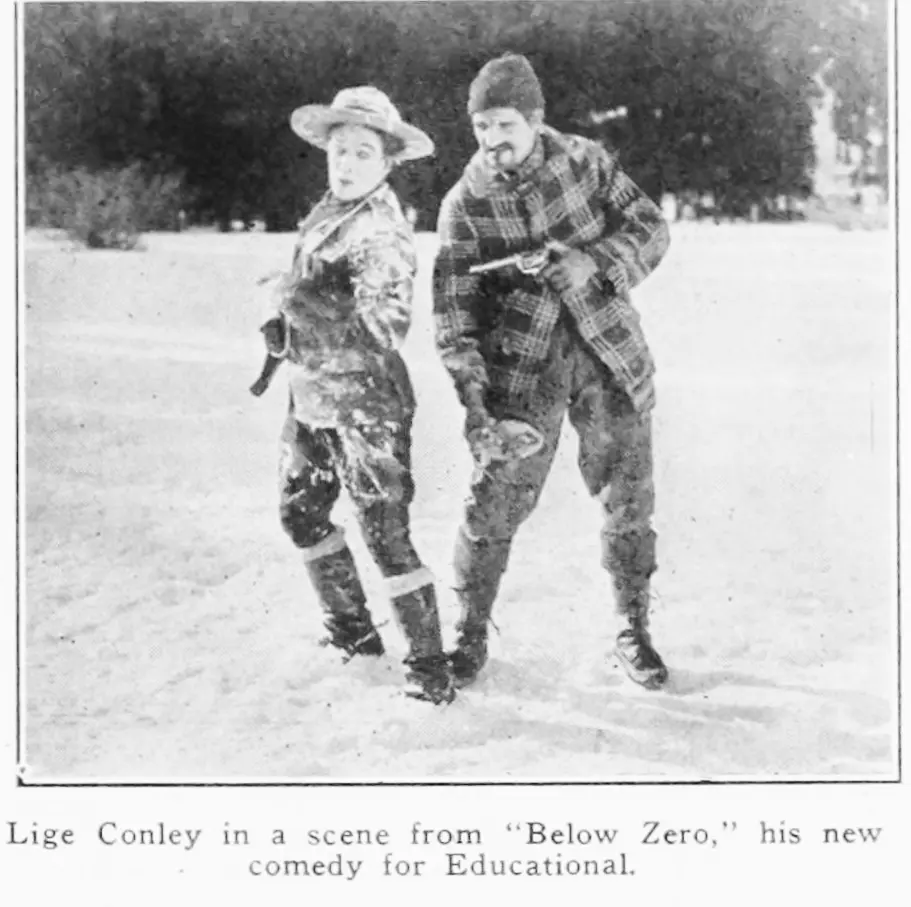
Is Below Zero worth watching today? Short answer: yes, but with significant caveats that anchor its appeal firmly in the realm of cinematic history rather than mainstream entertainment. This silent-era relic offers a fascinating glimpse into early Hollywood's moralizing narratives, making it a compelling watch for film historians, silent film enthusiasts, and anyone curious about the foundational storytelling of cinema.
However, for those accustomed to modern pacing, complex character arcs, and high fidelity soundscapes, Below Zero will likely feel slow, simplistic, and perhaps even tedious. It is not for the casual viewer seeking immediate gratification or a polished, contemporary narrative experience. Instead, it demands an appreciation for the art form's nascent stages and a willingness to engage with its unique, often charming, limitations.
At its heart, Below Zero is a straightforward tale of tough love. A wealthy, exasperated father, fed up with his playboy son's frivolous existence, makes a drastic decision: he ships him off to Canada to join the Royal Canadian Mounted Police. The premise is simple, almost archetypal, reflecting a common narrative trope of the era where character was forged through hardship and discipline.
This film works because it distills a universal parental frustration into a clear, actionable (albeit extreme) narrative. The performances, particularly Spencer Bell's portrayal of the initially feckless son, convey the comedic and dramatic potential of such a fish-out-of-water scenario without relying on dialogue.
This film fails because its simplistic plot often leans heavily on silent film clichés, lacking the nuanced character development or surprising twists that might captivate a modern audience. The resolutions are often too neat, too conveniently tied up, which can undermine the dramatic tension.
You should watch it if you appreciate the historical context of early cinema, enjoy clear-cut moral fables, or wish to observe how foundational narrative structures were laid down before the advent of sound and more complex cinematic techniques. It’s a pedagogical piece, not just a passive entertainment.
The central conflict of Below Zero isn't a grand, external struggle, but an internal one, projected onto an unfamiliar, harsh landscape. The son, whose name we can imagine as something equally privileged and soft, is yanked from the opulence of his father's estate and plunged into the unforgiving realities of the Canadian wilderness. It’s a stark contrast designed to shock, to strip away the veneer of luxury and expose the raw individual beneath.
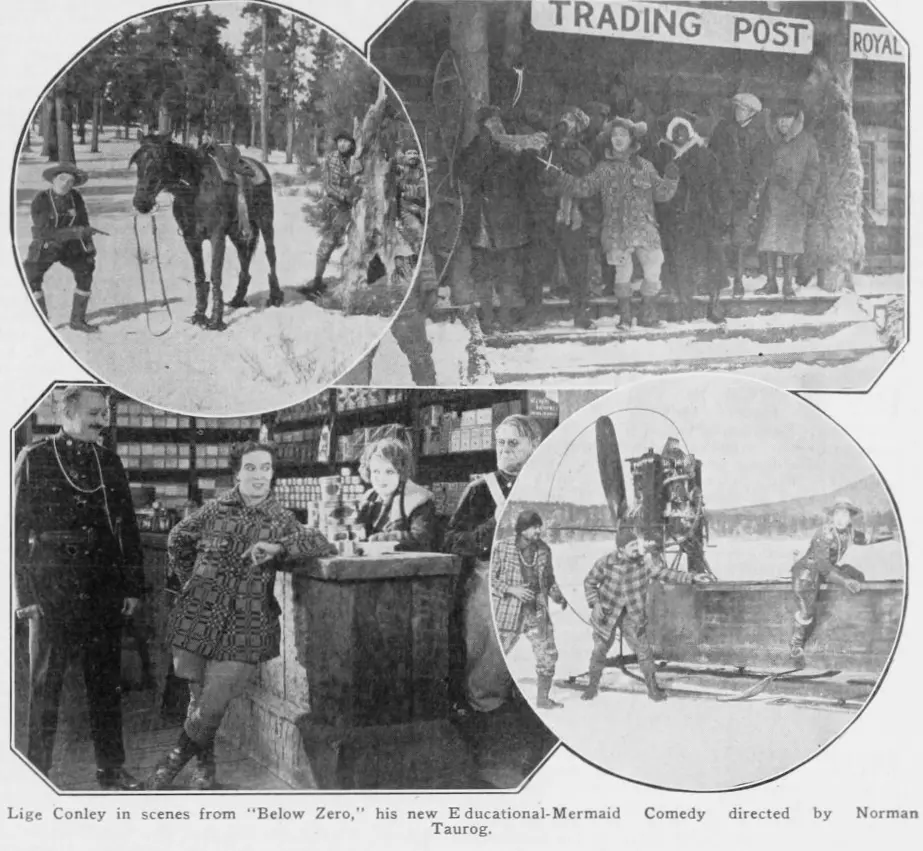
The genius, or perhaps the naivete, of the premise lies in its absolute conviction that hard labor and strict discipline are the ultimate correctives for moral laxity. There's no room for psychotherapy or nuanced conversation; just the cold, hard facts of life in the uniform. This reflects a particular worldview prevalent in the early 20th century, where character was often seen as something to be built through physical and mental rigor.
One can almost visualize the opening scenes: the son lounging in silk pajamas, perhaps attempting to woo Estelle Bradley's character with effortless charm, only to be confronted by a stern, unyielding paternal figure. The subsequent journey to Canada, likely depicted with intertitles highlighting the vast, untamed landscape, would serve as a visual metaphor for the journey he must undertake within himself.
The story promises a transformation, a shedding of the playboy persona for the stoic, duty-bound Mountie. The narrative asks us to believe in the power of environment to reshape identity, a surprisingly optimistic view despite the harshness of the imposed circumstances. It’s a simple story, yes, but its very simplicity allows for a clear, unobstructed view into the moralistic storytelling popular in the silent era.
In silent film, the actor's face and body are the primary conduits of emotion and narrative. Spencer Bell, as the wayward son, carries the bulk of this burden. His performance must track a significant arc, moving from indolent indifference to grudging acceptance, and finally, presumably, to a newfound sense of purpose and maturity. This requires exaggerated expressions, broad gestures, and a reliance on visual cues that might appear melodramatic to a modern audience but were essential for conveying complex feelings without dialogue.
Bell likely employs a range of comedic exasperation in the early scenes, perhaps a raised eyebrow or a dismissive wave of the hand, before transitioning to physical comedy as he grapples with the unfamiliar demands of Mountie training. Imagine him fumbling with a horse, struggling to build a fire, or enduring the biting cold, all conveyed through his physicality and increasingly weary expressions. His eventual transformation would be marked by a straightening of posture, a firmer gaze, and a more resolute demeanor.
Estelle Bradley, whose role is less defined by the plot summary, would typically embody the object of affection or a moral compass. Her presence could serve as a reminder of the son's past life, or perhaps as a catalyst for his change, witnessing his struggles and growth. Silent film actresses often excelled at conveying inner turmoil or unwavering resolve through subtle glances and graceful movements, and Bradley's contribution would be vital in adding emotional depth to the son's journey.
Bob Kortman and Lige Conley, often cast in supporting or character roles during this period, would likely fill out the cast as stern superiors, grizzled fellow Mounties, or perhaps even antagonists. Their performances would be crucial in establishing the harsh realities of the Mountie life, providing foils and challenges for Bell's character. The ensemble, though constrained by the medium, collectively builds the world and propels the simple moral forward.
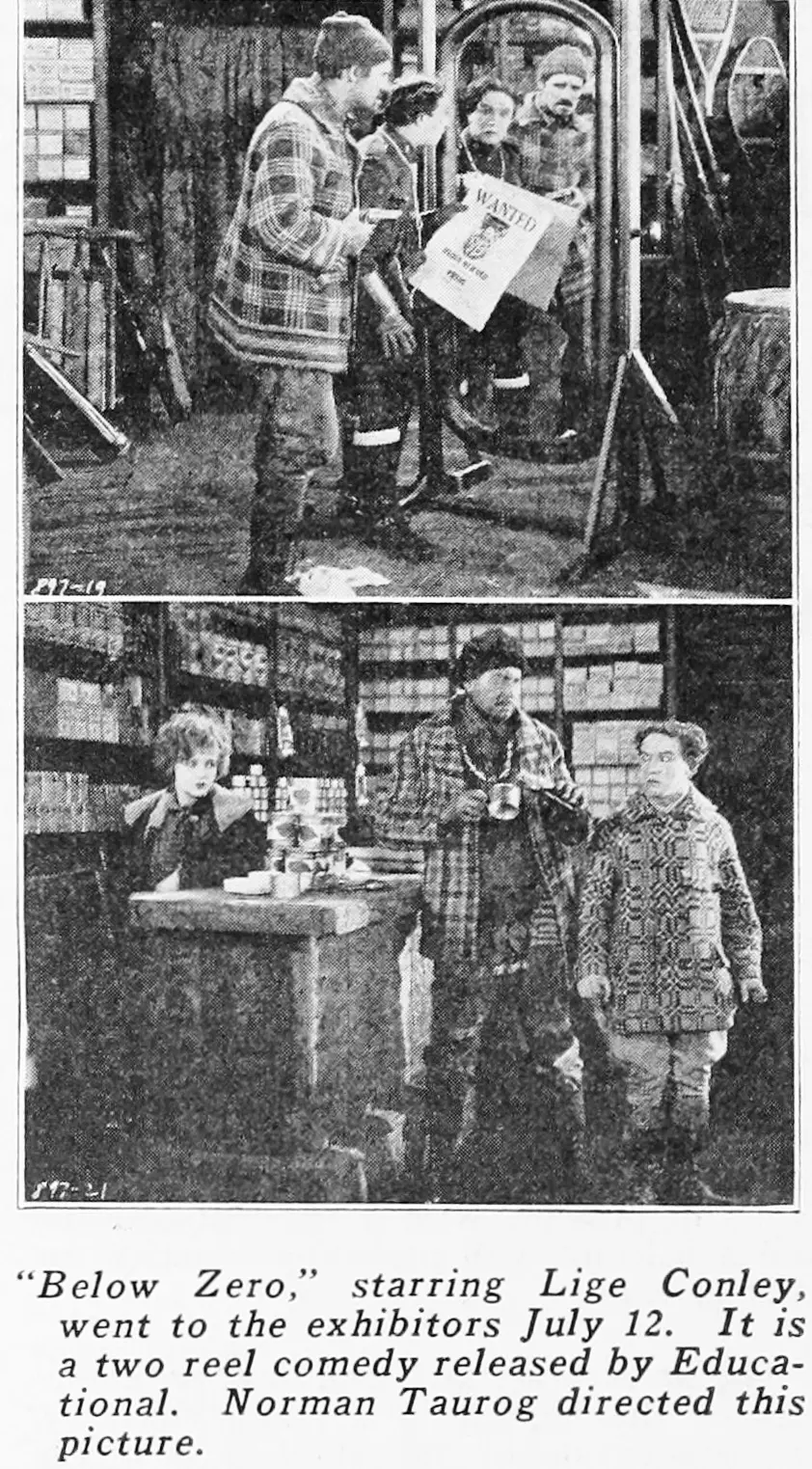
The visual language of Below Zero, like many films of its vintage, would have relied heavily on establishing shots, intertitles, and carefully composed frames to tell its story. Given the plot, the cinematography would need to effectively contrast the opulence of the son's former life with the stark, often desolate beauty of the Canadian setting. While actual location shooting in the depths of Canada might have been limited, the filmmakers would have employed studio sets and clever backdrops to evoke the snowy landscapes and rugged terrain.
One can envision wide shots emphasizing the isolation of the Mountie outpost, or close-ups on the son's face, etched with frost or fatigue, to convey the physical toll of his new life. The use of natural light, or carefully simulated natural light, would have been critical in establishing the mood—perhaps bright, unforgiving sun on snow, or dim, flickering lamplight within a rustic cabin. The visual storytelling would be direct, eschewing complex camera movements for clear, impactful imagery.
The director, whose name is not provided but whose vision undoubtedly shaped the film, would have guided the pacing through the length of shots and the frequency of intertitles. The progression from the son's pampered existence to his arduous training would be visually punctuated, each new challenge presented as a distinct tableau. The Mountie uniform itself, with its iconic red serge, would be used as a powerful symbol of duty and transformation, a visual shorthand for the character's journey.
While not aiming for the grand scale of later epics, the film's visual style would prioritize clarity and emotional resonance within the limitations of the technology. The raw, almost documentary-like quality of some early cinema, even in fictional narratives, often lends these films a surprising authenticity. The struggle against the elements, even if staged, would need to feel palpable through the lens.
The pacing of Below Zero, typical of many silent films, might feel deliberate, even slow, by modern standards. However, this measured tempo allows for a deeper immersion into the character's internal journey, giving the audience time to observe the subtle shifts in Spencer Bell's performance. The narrative rhythm would likely build gradually, starting with the comedic portrayal of the son's initial resistance, moving through the challenges of his training, and culminating in a moment of triumph or self-realization.
The tone would oscillate between lighthearted comedy, born from the absurdity of a playboy in the wilderness, and a more earnest, almost didactic seriousness as the son begins to grasp the value of hard work and duty. There would be moments of physical humor, certainly, but also quiet scenes of reflection, perhaps with the son gazing out at a snowy vista, contemplating his past and future. This blend of levity and sincerity is a hallmark of many moralizing tales of the era.
The film's emotional arc would be straightforward: initial arrogance, followed by struggle, then humility, and finally, redemption. The pacing would facilitate this by allowing each stage to breathe, ensuring that the audience witnesses the incremental changes in the son's character. Unlike today's rapid-fire editing, silent films often held shots longer, allowing the audience to absorb the visual information and the actor's expressions.
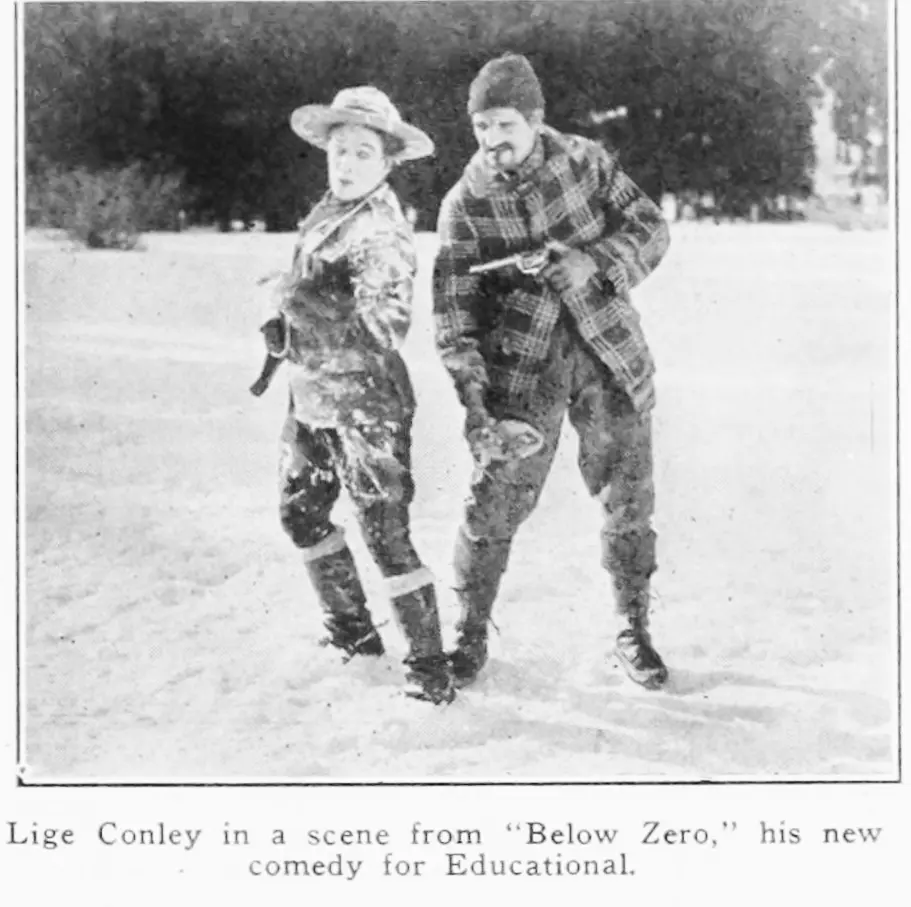
The absence of spoken dialogue means that the emotional weight is carried entirely by the visual storytelling, the musical accompaniment (if present), and the evocative power of the intertitles. This requires a different kind of engagement from the viewer, one that rewards patience and active interpretation. The film's tone, while perhaps quaint, aims for a clear moral message, delivered with an earnestness that can be quite disarming.
Yes, Below Zero holds value, but primarily as a historical document and a charming example of early cinematic storytelling. It offers a clear window into the narrative conventions and moral sensibilities of the silent era. It is a simple, earnest film that delivers on its premise without pretense. It works. But it’s flawed.
While Below Zero is a product of its time, its core theme of redemption through hardship holds a surprising, albeit simple, universal appeal. The idea that a privileged individual can find purpose and character by being stripped of their comforts and forced to confront the realities of a demanding life is a timeless narrative. It echoes tales from classic literature and continues to resonate in modern stories of self-discovery.
The film also subtly critiques the excesses of wealth and privilege, suggesting that true value lies not in inherited fortune, but in earned experience and personal responsibility. The Canadian wilderness, in this context, becomes less a physical location and more a symbolic crucible, a place where societal facades are meaningless and only grit and determination truly matter. It’s a powerful, if unsubtle, message.
One could even argue that the true star isn't Spencer Bell, but the almost palpable sense of paternal exasperation driving the entire plot. The father's drastic measure speaks volumes about the societal anxieties of the era regarding generational wealth and the fear of producing idle heirs. This isn't just about one son; it's about the perceived decay of character in an age of increasing prosperity.
Comparing it to other films of the period, like My Hero! or Day Dreams, which often explored simpler moral dilemmas or comedic situations, Below Zero fits neatly into a tradition of cinema that sought to entertain while subtly (or not so subtly) imparting life lessons. Its didacticism, often seen as a flaw in modern cinema, is precisely its strength here, offering a clear moral compass in a rapidly changing world.
The film's strength lies not in its complexity, but in its honest, straightforward portrayal of a universal parental hope: that a child might find their way, even if it requires a nudge into the great unknown.
Below Zero is not a film that will redefine your understanding of cinema, nor is it likely to become a new favorite for the casual viewer. What it offers, however, is a genuine and unvarnished look at early 20th-century storytelling. It’s a charming, if somewhat naive, exploration of character development through adversity, delivered with the earnestness characteristic of the silent era.
For those willing to adjust their expectations and appreciate the film for what it is—a historical artifact with a clear moral message—there is considerable value. It’s a testament to the power of visual narrative even without dialogue, relying on the expressive capabilities of its cast and the evocative power of its setting. It reminds us of a time when cinema was simpler, yet no less ambitious in its desire to connect with its audience.
In the grand tapestry of film history, Below Zero might not be a vibrant central thread, but it is an important knot, holding together the fabric of early narrative cinema. It's a film that deserves to be seen by those who cherish the past, understand its context, and can find beauty in its quiet, unassuming charm. Thaw it out, but bring your historical lens.
IMDb —
1918
Community
Log in to comment.