DbcultAccessing Vault...
6.3/10
Senior Film Conservator
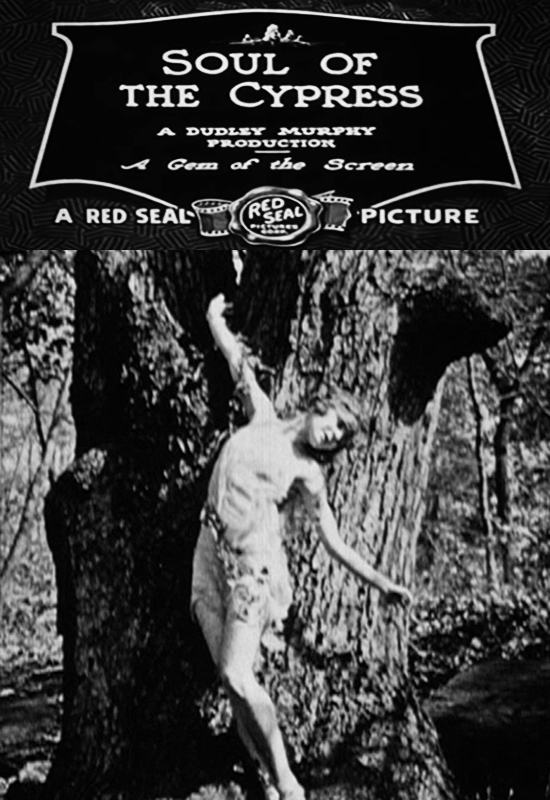
A definitive 6.3/10 rating for a film that redefined the boundaries of cult cinema. The Soul of the Cypress remains a cornerstone of transgressive art.
There are films that merely tell a story, and then there are those that sing to the very core of your being, weaving a tapestry of emotions so intricate, so profoundly human (or, in this case, profoundly otherworldly), that they linger long after the credits roll. Dudley Murphy's The Soul of the Cypress is unequivocally of the latter variety, a cinematic poem that dares to explore the perilous intersection of human creativity, immortal existence, and the ultimate, devastating cost of transcendent love. It’s a film that eschews easy answers, preferring instead to pose grand, unanswerable questions about destiny, sacrifice, and the very fabric of existence.
From its opening frames, the film establishes an atmosphere steeped in a kind of mystical naturalism. We are introduced to a young composer, portrayed with a delicate intensity by Chase Harringdine, whose music isn't merely a collection of notes but a conduit for something far deeper, a vibrational echo of the soul itself. Harringdine embodies the artist's tormented genius with a compelling vulnerability, his every gesture and expression telegraphing a profound inner world that struggles to manifest outwardly through sound. His melodies, initially, are an intensely personal expression, a yearning perhaps for a connection he hasn't yet found in the mundane world. It's this very yearning, this raw, unbridled creative force, that acts as the catalyst for the extraordinary events that unfold.
The narrative’s central conceit – the freeing of an immortal tree nymph through the power of music – could, in lesser hands, descend into saccharine fantasy. Yet, Murphy and his writer, Dudley Murphy himself, elevate it to something far more profound. The nymph isn't merely a magical creature; she is an extension of the ancient cypress, a living embodiment of nature's enduring spirit, bound by an age-old spiritual tether. Her liberation isn't a simple escape but a wrenching severance, a re-calibration of her very being. The film beautifully articulates this spiritual entwining, suggesting that true freedom often comes with a profound sense of disorientation, a loss of the familiar, however restrictive it might have been.
The visual language employed to depict this awakening is nothing short of breathtaking. The cypress itself becomes a character, majestic and ancient, its gnarled branches reaching towards the heavens like supplicating arms. The transition of the nymph from arboreal spirit to a more corporeal, yet still ethereal, form is handled with a delicate touch, relying more on subtle shifts in light, sound design, and the palpable shift in the composer's perception than on overt special effects. This restraint lends the film an almost dreamlike quality, blurring the lines between reality and myth, much like the best fantastical narratives. It reminds one of the subtle, unsettling beauty found in films like Du sollst keine anderen Götter haben, where the sacred and the profane, the known and the unknown, intertwine with an almost religious fervor, demanding a new kind of devotion from its characters.
As the composer and the nymph fall deeper into an impossible love, the film deftly explores the inherent tragedy of such a union. Their connection is immediate and intense, born of shared spirit and an undeniable, magnetic pull. Yet, the disparity between their existences looms large, a silent, ever-present specter. He is mortal, subject to time's relentless march; she is eternal, a witness to countless seasons. This fundamental incompatibility isn't presented as a flaw to be overcome, but as an inescapable truth, a poignant source of both their joy and their inevitable sorrow. The film asks us to ponder: what does it mean to love someone whose very nature defies your own? What does it mean to build a future when one party has no end and the other, a finite horizon?
The relationship between the composer and the nymph is painted with exquisite brushstrokes, showcasing the intoxicating allure of forbidden love. It’s a love that defies logic, societal norms, and even the very laws of nature. Harringdine’s performance here is particularly noteworthy, conveying both the ecstasy of his newfound connection and the growing dread of its impermanence. The nymph, though she speaks little, communicates volumes through her expressive eyes and an almost primal connection to the world around her. Their interactions are less about dialogue and more about shared glances, unspoken understandings, and the profound resonance of their spirits. It’s a testament to the power of non-verbal storytelling, where emotion is conveyed through atmosphere and subtle gesture.
The thematic core of The Soul of the Cypress ultimately revolves around sacrifice. The film builds towards this with an almost elegiac inevitability. From the moment the nymph is freed, an unspoken covenant is established, a cosmic debt that must eventually be paid. The nature of this sacrifice, when it arrives, is both devastating and profoundly beautiful. It’s not merely a tragic ending but a transformative act, a re-balancing of the scales, a reaffirmation of the natural order that their love, however pure, had momentarily disrupted. This kind of ultimate, self-effacing choice echoes the profound, often agonizing decisions faced by characters in films like The Leap of Despair, where personal desires are weighed against a greater, often spiritual, imperative. However, unlike the often-grim outcomes in such narratives, here, there's an underlying sense of transcendence, a suggestion that some loves are so potent they can alter the very fabric of reality, even in their dissolution.
Dudley Murphy’s direction is masterful, maintaining a consistent tone that fluctuates between lyrical beauty and profound melancholy. He understands the power of silence, allowing the natural sounds of the forest and the haunting strains of the composer’s music to carry significant narrative weight. The cinematography is equally stunning, capturing the verdant majesty of the ancient forest with an almost painterly quality. Each shot feels meticulously composed, evoking a sense of timelessness and a deep reverence for the natural world. The use of natural light, especially, enhances the film's organic feel, making the magical elements seem less fantastical and more like an intrinsic part of the world.
The score, naturally, plays a pivotal role. It is not merely background music but a character in itself, shaping the narrative and dictating the emotional rhythm of the film. The composer's melodies are depicted as being so potent, so imbued with his essence, that they can literally break enchantments and forge new realities. This elevates music beyond mere entertainment, positioning it as a fundamental force of creation and transformation. One could argue that the music is the true protagonist, the catalyst for all events, demonstrating its power to connect disparate realms and beings. This emphasis on the transformative power of art is a recurring motif in cinematic history, but rarely is it executed with such direct, visceral impact.
In an era saturated with CGI-heavy blockbusters and cynical narratives, The Soul of the Cypress stands as a refreshing anomaly. It is a film that demands patience and emotional investment, rewarding the attentive viewer with a deeply moving and thought-provoking experience. It’s a testament to the enduring power of myth, the profound beauty of nature, and the unyielding, often tragic, nature of love. While it may not offer the cathartic release of a typical romance, it provides something far more enduring: a haunting meditation on the connections that bind us, the sacrifices we make, and the echoes that love leaves behind, even in its absence.
The film’s exploration of immortality versus mortality is particularly poignant. The nymph, having lived for centuries, experiences time in a vastly different way from her human lover. This temporal dissonance is a subtle but powerful undercurrent, highlighting the challenges of their bond. What is a fleeting moment for her is a significant portion of his life. This contrast is not explicitly stated through dialogue but is brilliantly conveyed through the nymph's serene, almost detached gaze, contrasted with the composer's passionate, urgent expressions. It’s a profound examination of how our perception of time shapes our relationships and our understanding of love itself. This theme resonates with a primal fear of loss and the human desire for permanence, even in the face of inevitable change.
Dudley Murphy's vision as both writer and director is singular and unwavering. He crafts a story that feels simultaneously ancient and utterly contemporary, tapping into universal themes that have captivated humanity for millennia. The film doesn't shy away from the pain inherent in its premise, but rather embraces it, finding a strange, melancholic beauty in the bittersweet nature of existence. There's a raw honesty in its emotional landscape, a refusal to sugarcoat the harsh realities of profound connection when faced with insurmountable obstacles. It’s a bold artistic statement, one that values emotional truth over conventional happy endings.
Ultimately, The Soul of the Cypress is more than just a film; it’s an experience. It’s an invitation to contemplate the profound mysteries of life, love, and the unseen forces that shape our destinies. It asks us to consider the price of breaking free from ancient bonds, the intoxicating peril of loving across existential divides, and the enduring echo of music that can both liberate and bind. For those willing to surrender to its enchanting, sorrowful embrace, it offers a journey into the heart of a timeless myth, leaving an indelible mark upon the soul. It is a film that will undoubtedly spark conversations, provoke introspection, and perhaps even inspire a deeper appreciation for the sacred, often silent, connections that exist between humanity and the natural world. A true masterpiece of ethereal storytelling.
IMDb —
1924
Community
Log in to comment.