DbcultAccessing Vault...
7.7/10
Senior Film Conservator
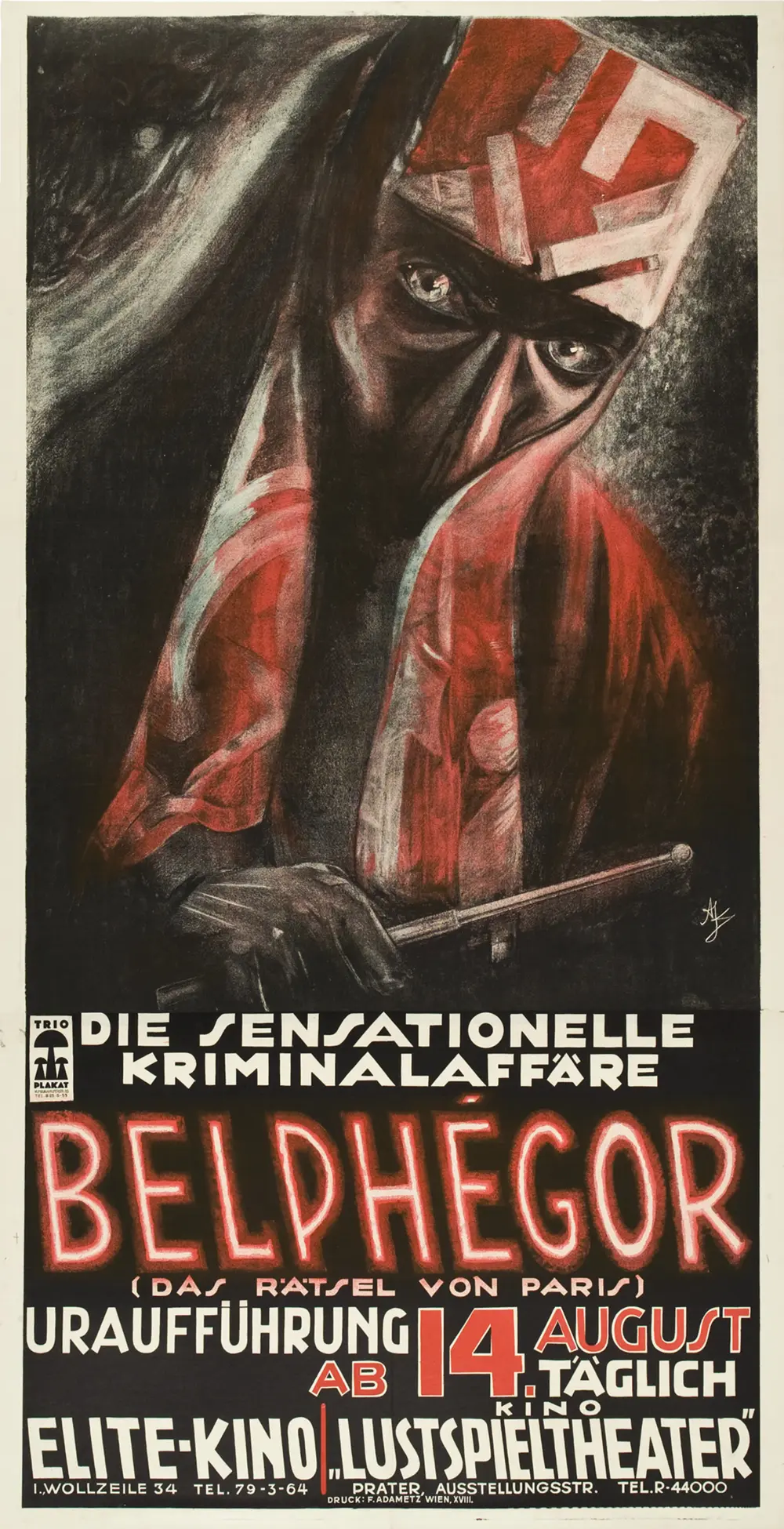
A definitive 7.7/10 rating for a film that redefined the boundaries of cult cinema. Belphégor remains a cornerstone of transgressive art.
Is the 1927 silent serial Belphégor worth your attention in an age of high-speed digital horror? Short answer: yes, but only if you possess the patience to appreciate the atmospheric architecture of a slow-burn mystery.
This film is specifically for those who find beauty in the 'fantastique' genre and the grainy textures of early French cinema. It is emphatically not for viewers who require jump scares, rapid-fire editing, or a plot that resolves itself within ninety minutes.
1) This film works because it treats the Louvre not just as a setting, but as a brooding, sentient antagonist that hides secrets in its very foundations.
2) This film fails because its episodic nature, while traditional for the era, leads to repetitive chase sequences that can feel exhausting during a modern binge-watch.
3) You should watch it if you want to see the blueprint for every 'phantom' story that followed, from Scooby-Doo to modern museum thrillers.
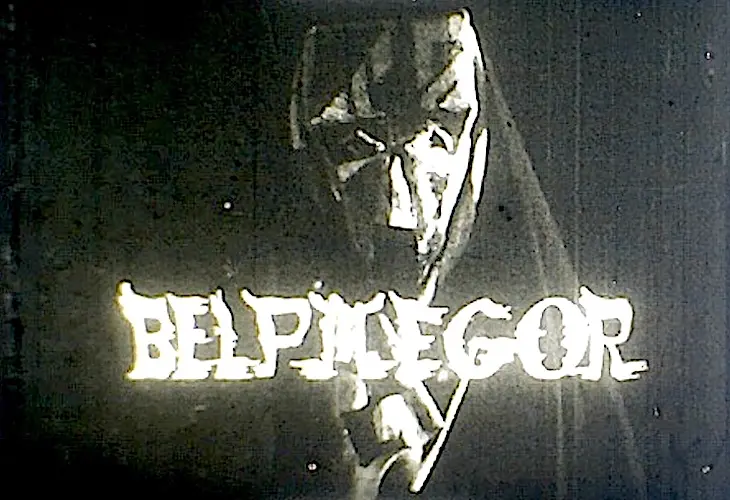
Yes, Belphégor is worth watching because it is a foundational piece of mystery cinema that utilizes location and shadow to create a sense of genuine unease. The film excels at transforming a public space into a site of private dread. If you enjoy the rhythmic, visual storytelling of the silent era, this is a mandatory chapter in your viewing history.
The most striking element of Belphégor is the way director Henri Desfontaines captures the Louvre. In 1927, the museum was already a titan of history, but here it feels ancient and predatory. The phantom’s first appearance near the statue of the god Belphégor is a masterclass in silent tension. There is no sound, yet you can almost hear the rustle of the phantom’s heavy robes against the cold marble floors.
Unlike the more grounded approach seen in The Man Above the Law, Belphégor leans heavily into the supernatural aesthetic. The cinematography relies on deep blacks and harsh whites, creating a chiaroscuro effect that makes the museum feel like a tomb. It works. But it’s flawed. The reliance on long takes can sometimes stall the momentum, yet it adds to the feeling of being trapped in a dream.
René Navarre, playing the detective Chantecoq, brings a seasoned gravity to the role. Having already established himself in the legendary Fantômas series, Navarre understands the pulp language. He doesn't overact with the wild gesticulations common in some silent films; instead, he uses his eyes and posture to convey a man trying to rationalize the irrational. His performance provides a necessary anchor when the plot veers into the melodramatic.
The supporting cast, including Elmire Vautier and Lucien Dalsace, fill their archetypal roles with varying degrees of success. In some scenes, the romantic subplots feel like padding, a common issue in serials of this length. Compare this to the tighter narrative focus found in Les Misérables, Part 1: Jean Valjean, and you start to see where the episodic format of Belphégor begins to stretch the material thin. However, when the phantom is on screen, the energy shifts instantly.
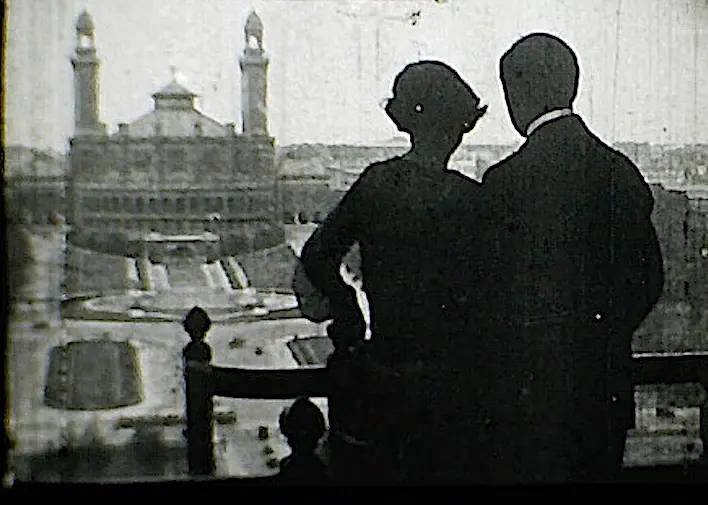
One specific scene stands out: the phantom’s escape through the ventilation shafts. The camera remains static, forcing the viewer to scan the frame for movement. It is a sophisticated use of space that predates the 'found footage' style of searching the background for threats. The costume design of Belphégor itself—a featureless mask and a shapeless shroud—is terrifying precisely because it lacks identity. It is a void moving through a house of history.
The pacing is where modern audiences might struggle. Because this was originally released in chapters, there is a lot of 're-establishing' of the plot. If you watch it in one sitting, the repetitive nature of the 'almost caught' sequences becomes apparent. Yet, there is a charm to this repetition. It builds a sense of inevitability. You know the phantom will return, and you know the mystery will deepen before it clarifies.
Pros:
- Unparalleled atmosphere and use of shadows.
- Iconic villain design that remains influential.
- Strong lead performance by René Navarre.
- Fascinating historical glimpse of the Louvre in the 1920s.
Cons:
- Excessive runtime due to the serial format.
- Some subplots feel like unnecessary filler.
- The resolution may feel somewhat dated to modern mystery fans.
Writer Arthur Bernède was a master of the popular novel, and his influence on this film cannot be overstated. He understood that the French public craved a mix of national pride (the Louvre) and occult terror. While films like The Exiles dealt with more grounded human dramas, Bernède pushed cinema toward the fantastic. This film is a bridge between the Victorian ghost story and the modern thriller.
The technical limitations of the time actually serve the story. The flicker of the film stock and the occasional soft focus add to the ethereal nature of the phantom. If this were shot today with 4K clarity, the mystery might evaporate. The grain is the ghost. The silence is the scream. It is a reminder that cinema was born from magic tricks and shadow plays.
Belphégor is a haunting, if occasionally overlong, journey through the corridors of the French imagination. It is a film that demands you turn off your phone, dim the lights, and let the shadows of the 1920s wash over you. While it lacks the narrative tightness of modern cinema, it compensates with a thick, palpable atmosphere that most contemporary horror films fail to achieve. It is a flawed gem, but its shine—or rather, its darkness—is undeniable. If you want to see where the modern mystery was born, look no further than the Egyptian gallery of the Louvre in 1927.
IMDb 6.6
1935
Community
Log in to comment.