DbcultAccessing Vault...
6.5/10
Senior Film Conservator
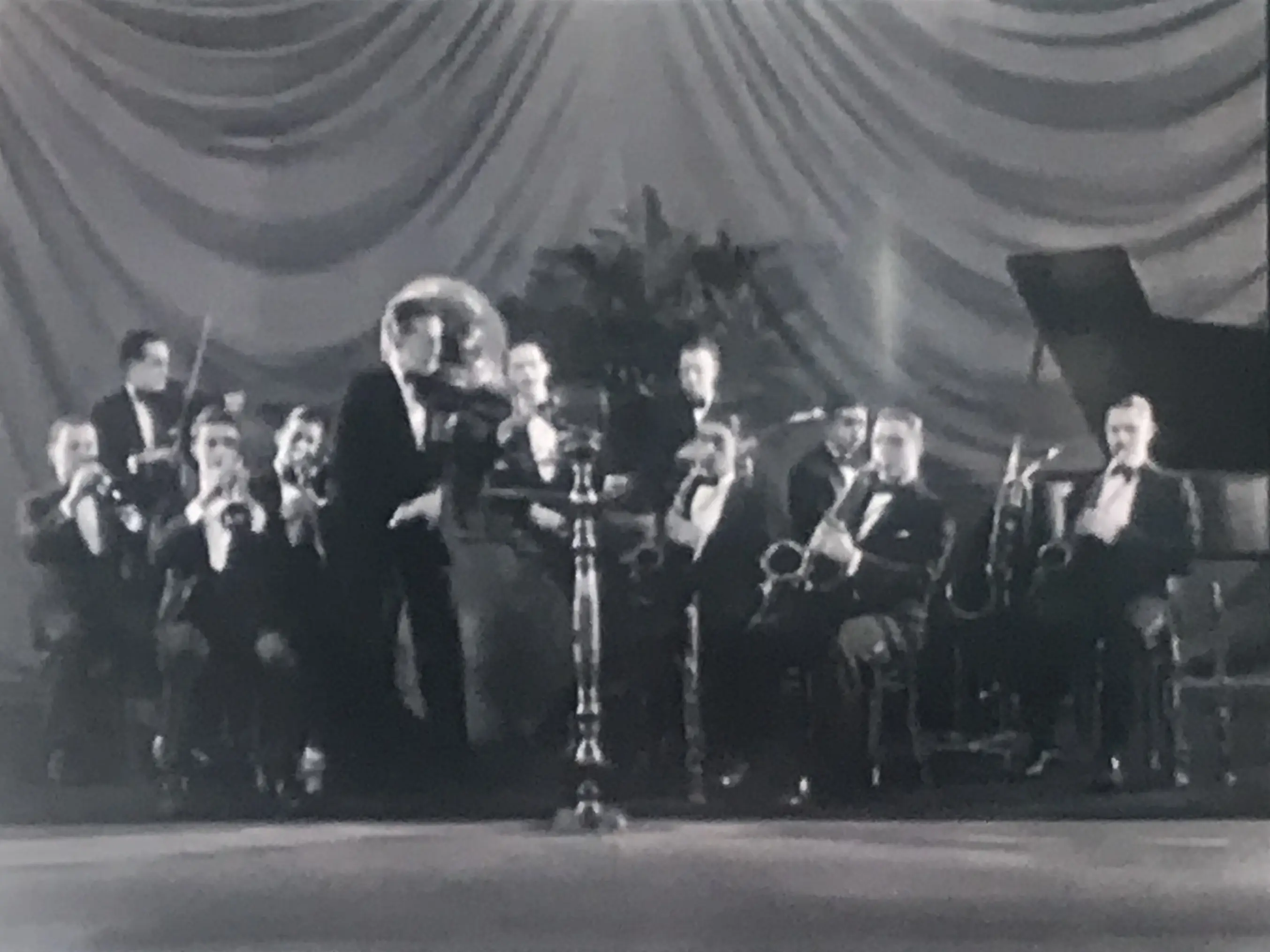
A definitive 6.5/10 rating for a film that redefined the boundaries of cult cinema. Ben Bernie and All the Lads remains a cornerstone of transgressive art.
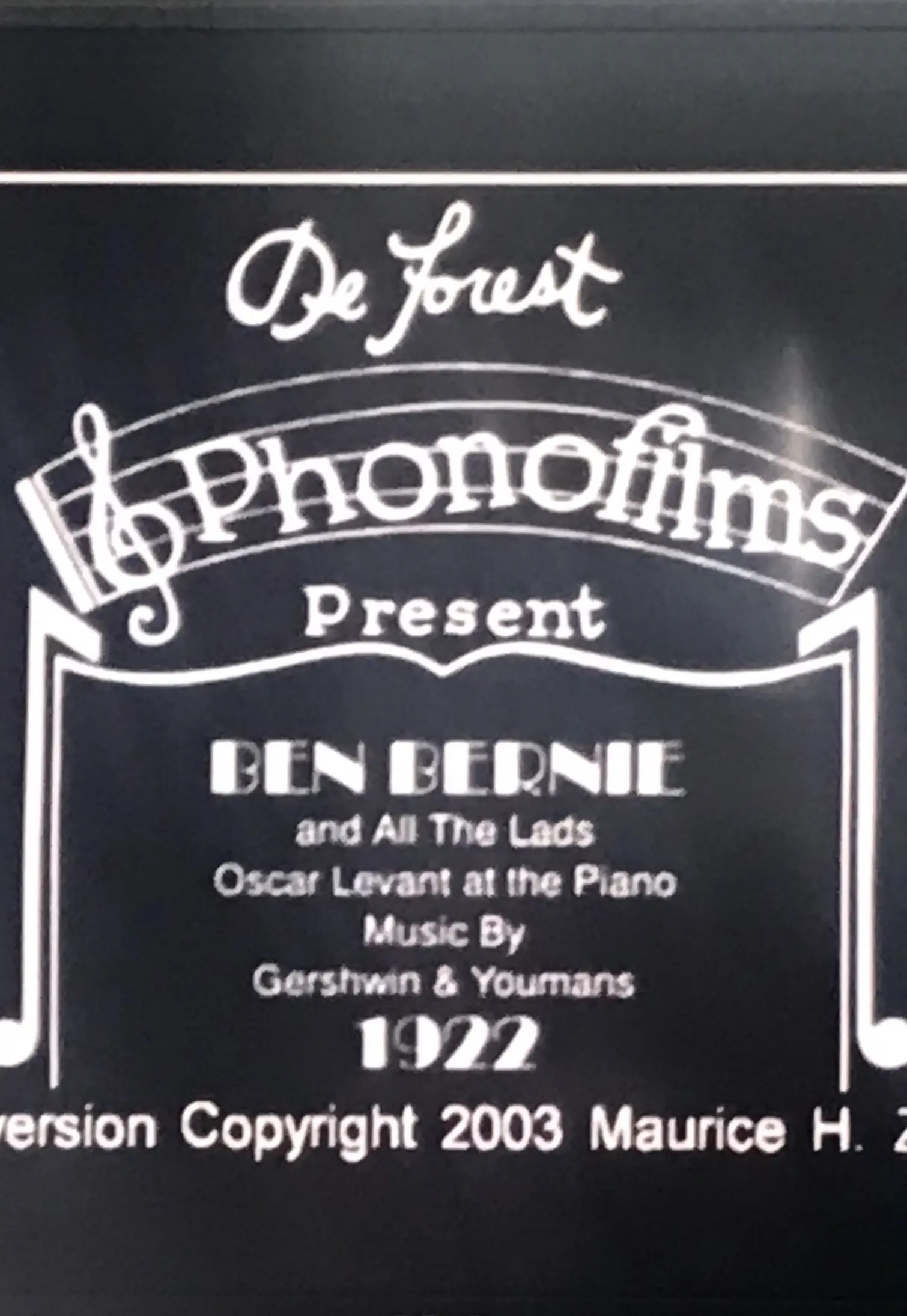
The allure of early sound cinema often resides in its imperfections, and Ben Bernie and All the Lads epitomizes that paradoxical charm. Produced in 1923, the short stands as a testament to Lee De Forest’s audacious Phonofilm system, a precursor to the synchronized sound that would later dominate Hollywood. While the visual composition remains largely static—a deliberate choice to accommodate the technical constraints of the era—the auditory experience is anything but stagnant. The band’s repertoire, drawn from the prolific pens of Vincent Youmans and George Gershwin, offers a kaleidoscopic glimpse into the popular songbook of the Roaring Twenties.
Oscar Levant’s presence injects a layer of intellectual mischief into the proceedings. Known later for his sardonic wit and cerebral piano interpretations, Levant here is a youthful virtuoso, his hands dancing across the keys with a confidence that belies his age. The camera lingers on his face as he delivers a brief, knowing smile, a gesture that hints at the larger persona he would cultivate in the decades to follow. This fleeting glimpse of Levant is perhaps the most humanizing element in a piece otherwise dominated by mechanical precision.
The selection of Youmans’ “Tea for Two” juxtaposed with Gershwin’s “Swanee” creates a tonal dialogue that oscillates between coquettish lightness and unabashed swagger. Dark orange accents appear in the brass section, each blast of trumpet and trombone shimmering like a sunrise over a cityscape of steel. Meanwhile, the yellow hue of the woodwinds—clarinets and saxophones—adds a buttery warmth, softening the metallic edge of the brass. The sea‑blue tonality of the rhythm section grounds the ensemble, providing a rhythmic tide that propels the music forward.
From a technical standpoint, the Phonofilm process captures the band’s dynamics with a fidelity that feels remarkably modern for its time. The microphone placement, though rudimentary by today’s standards, manages to isolate Levant’s piano from the surrounding orchestration, allowing his improvisational flourishes to cut through the mix. This separation is particularly evident during the bridge of “Swanee,” where Levant’s syncopated runs echo the daring spirit of Gershwin’s composition.
Contextualizing this short within the broader landscape of early sound experiments reveals intriguing parallels. For instance, the The Amazing Wife employs a similar static framing to showcase a vaudeville act, yet its narrative ambitions differ, seeking to weave a comedic storyline around the performance. In contrast, Ben Bernie and All the Lads eschews plot entirely, allowing the music to serve as its own narrative engine. This deliberate focus on performance aligns it more closely with contemporaneous musical shorts such as Our Gang, which also leverages the novelty of synchronized sound to amplify comedic timing.
The film’s brevity—just under three minutes—necessitates an economy of expression. Every visual cue, from the subtle nod of the bassist to the synchronized sway of the percussionist’s sticks, is choreographed to complement the auditory flow. The absence of dialogue forces the viewer to attend to the music’s emotional contours, a technique that anticipates later sound‑driven sequences in films like The Footlights of Fate, where music becomes a narrative protagonist.
One cannot overlook the sociocultural implications embedded within the performance. The 1920s marked a period of exuberant optimism, yet also of underlying tension as America grappled with post‑war adjustments. The selection of Gershwin’s “Swanee,” a song that romanticizes the American South, juxtaposed with Youmans’ light‑hearted “Tea for Two,” mirrors the era’s oscillation between nostalgia and forward‑looking exuberance. The band’s seamless transition between these pieces suggests an early understanding of musical storytelling that would later be refined in Hollywood’s Golden Age.
Aesthetic considerations extend beyond the auditory realm. The film’s monochrome palette, though limited, employs contrast to emphasize the gleam of brass instruments against the dark backdrop. The occasional flicker of light on a cymbal’s surface creates a visual rhythm that mirrors the music’s tempo, an early example of synesthetic filmmaking. This interplay of light and sound foreshadows the visual‑musical symbiosis achieved in later classics such as The Hell Ship, where cinematography and score are inextricably linked.
The role of Lee De Forest, both as a behind‑the‑scenes inventor and as a cameo presence, underscores the film’s self‑reflexive nature. De Forest’s occasional glances toward the camera serve as a reminder that the short is as much a demonstration of technological prowess as it is a musical showcase. This meta‑awareness aligns the piece with other early sound experiments like Stop Thief!, where the novelty of synchronized sound is foregrounded rather than concealed.
From an archival perspective, the preservation of Ben Bernie and All the Lads offers scholars a rare window into the transitional moment when cinema began to embrace diegetic music as an integral component of storytelling. The film’s survival, despite the fragility of early nitrate stock, is a testament to the dedication of film historians who recognize its significance as a cultural artifact.
Critically, the short invites reflection on the evolution of the musical short genre. While contemporary audiences might find the static camera and lack of narrative disorienting, the piece’s emphasis on pure performance resonates with modern viewers who appreciate authenticity over spectacle. The rawness of the audio, unfiltered by later post‑production techniques, imparts an intimacy that polished Hollywood productions often lack.
The interplay between the band’s arrangement and the Phonofilm’s limited frequency range is noteworthy. High frequencies—particularly the sparkle of cymbals—are captured with a crispness that suggests De Forest’s microphone technology was ahead of its time. Conversely, the lower registers, such as the double bass, occasionally slip into a murky haze, a reminder of the era’s technical constraints. This dichotomy creates a listening experience that feels both nostalgic and surprisingly immediate.
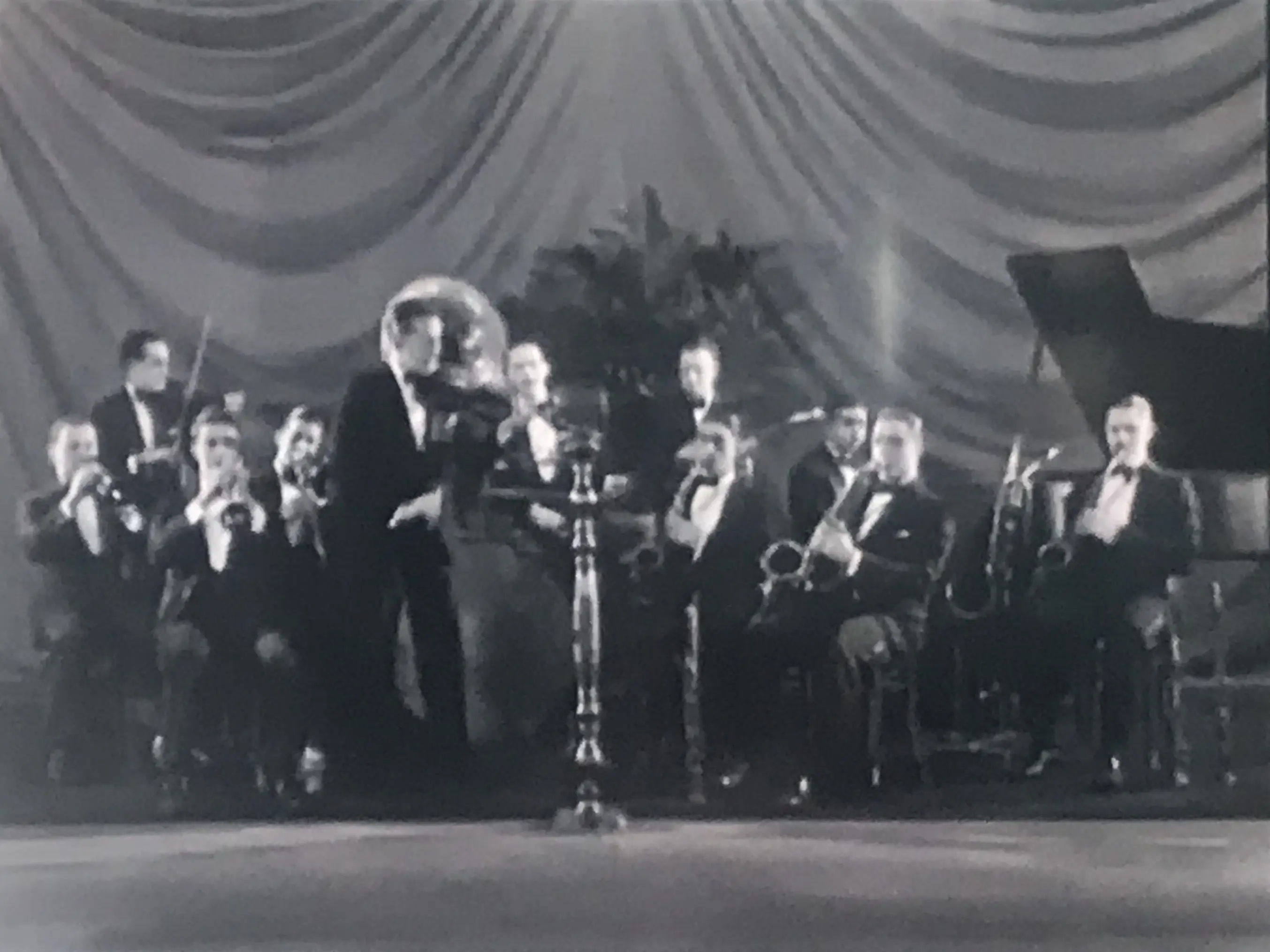
When juxtaposed with other genre pieces like The Single Code or The Purple Highway, which prioritize narrative intrigue, Ben Bernie and All the Lads stands out for its singular focus on musicality. This focus allows the viewer to appreciate the craftsmanship of each musician, from the subtle vibrato of the violinist to the percussive precision of the drummer, without the distraction of plot.
The film also serves as an early platform for Oscar Levant’s burgeoning career. While his later fame would hinge on his sharp wit and literary contributions, this performance showcases the embryonic stage of his artistic identity—a blend of technical mastery and playful irreverence that would define his later work in film and radio.
In terms of legacy, the short’s influence can be traced to the musical revues of the late 1920s and early 1930s, where ensembles performed directly to the camera, often without a narrative scaffold. The template established here—musicians on a stage, captured in a single shot, accompanied by synchronized sound—became a staple of early musical shorts, paving the way for the elaborate choreography of Busby Berkeley’s spectacles.
The audience’s reaction during the original screenings, as documented in period newspapers, ranged from astonishment at the clarity of the sound to delight at the familiar melodies. Reviewers of the era praised the Phonofilm process for its ability to render “the music as if it were being performed in the very theater,” a sentiment echoed by modern critics who view the short as a bridge between live performance and cinematic immersion.
From a modern perspective, the short offers a case study in how technological innovation can shape artistic expression. The constraints imposed by early sound recording forced filmmakers to prioritize performance over visual dynamism, resulting in a work that feels both constrained and liberated. This paradox is at the heart of the film’s enduring fascination.
In sum, Ben Bernie and All the Lads is not merely a historical curiosity; it is a vibrant snapshot of an industry in flux, a celebration of musical virtuosity, and a testament to the daring inventiveness of pioneers like Lee De Forest. Its modest runtime belies a richness that rewards repeated viewings, each time revealing new layers of sonic texture and cultural resonance.
IMDb 6.7
1925
Community
Log in to comment.