DbcultAccessing Vault...
5.8/10
Senior Film Conservator
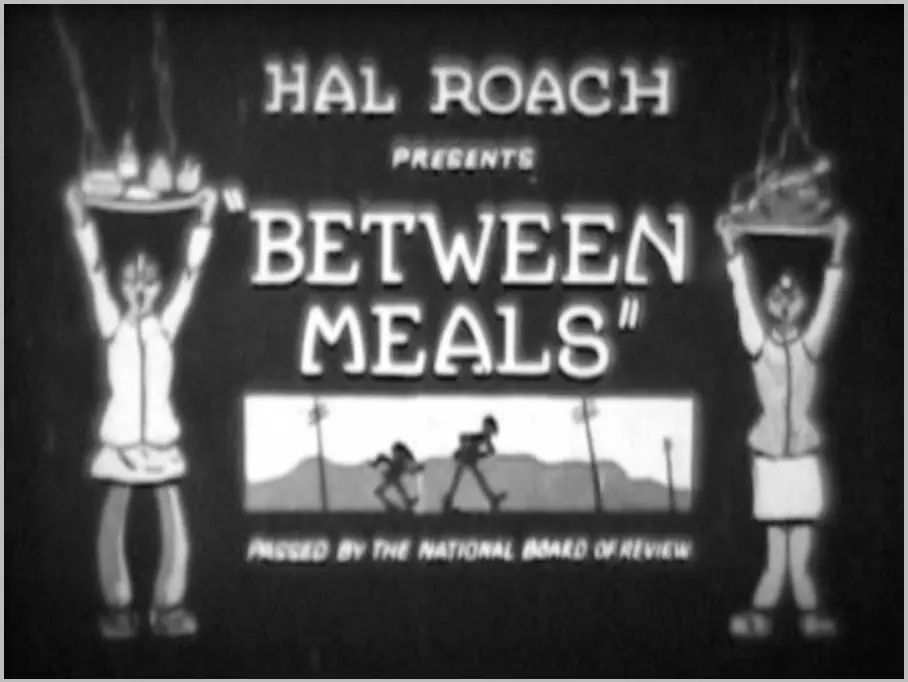
A definitive 5.8/10 rating for a film that redefined the boundaries of cult cinema. Between Meals remains a cornerstone of transgressive art.
Is Between Meals worth watching today? Short answer: absolutely, if you appreciate the foundational slapstick of early cinema, but it’s certainly not for everyone. This brief, boisterous silent comedy offers a fascinating glimpse into the mechanics of physical humor and narrative simplicity that laid the groundwork for decades of cinematic fun. It is a film best suited for silent film enthusiasts, historians of comedy, and those seeking a quick, low-stakes laugh that requires little emotional investment. Conversely, it is decidedly not for viewers accustomed to modern pacing, complex, character-driven narratives, or high production values. If your cinematic diet consists solely of contemporary blockbusters or intricate dramas, Between Meals might feel like a quaint, almost alien artifact.
This film works because its raw energy, the sheer physicality of its performances, and its brilliantly simple, universally relatable premise — the desperate pursuit of a free meal — cut through the decades. It’s a testament to the enduring power of a well-executed gag. This film fails because its brevity sometimes limits the depth of character beyond basic archetypes, and its reliance on certain dated tropes, while foundational, can feel a little thin to modern sensibilities. You should watch it if you want to witness the pure, unadulterated roots of comedic timing and narrative simplicity, stripped down to their most essential, effective elements. It’s a masterclass in making much out of very little.
The narrative of Between Meals is less a complex tapestry and more a perfectly constructed comedic springboard. It begins with an image both whimsical and telling: two hobos, Paul (James Parrott) and his young ward, "Sunshine Sammy" (Ernest Morrison), literally emerging from the belly of an empty tank car. This immediate visual establishes their transient, penniless state and their resourcefulness. Their hunger is palpable, a visceral motivation that drives every subsequent action. The initial sight of the appetizing restaurant is not just a plot point; it’s the catalyst for their entire misadventure, a shimmering mirage of culinary delight.
Their encounter with the "benevolent" old gentleman is a masterstroke of setup. The audience, much like Paul and Sammy, is lulled into a false sense of security. The promise of a free meal, seemingly without strings, is the ultimate temptation. The subsequent reveal that their benefactor is an asylum escapee is a darkly humorous twist, transforming a simple act of charity into a frantic, high-stakes predicament. This narrative turn is not just for shock value; it fundamentally shifts the duo's objective from merely eating to desperately escaping, injecting a surge of adrenaline into the film's second half. It’s a classic comedic escalation, executed with precision.
Director James Parrott, also starring as Paul, demonstrates a keen understanding of silent comedy's unique demands. The film prioritizes clear sightlines for its physical gags, ensuring every pratfall, every exaggerated expression, lands with maximum impact. There’s a directness to the cinematography, favoring medium shots that capture the full body language of the performers, essential for conveying emotion and intent without dialogue. This isn't the grand, sweeping visual poetry of some of the era's dramas like The Burning Soil; it's functional, precise, and entirely in service of the laugh.
James Parrott’s performance as Paul is a study in frantic desperation. His rubbery face contorts with hunger, then satisfaction, then sheer panic. His physicality is remarkable, particularly in the chase sequences, where he navigates obstacles with a clumsy grace that is inherently funny. Ernest Morrison, as "Sunshine Sammy," is an excellent foil. His wide-eyed innocence and smaller stature amplify Paul's exasperation and the absurdity of their situation. Sammy’s reactions are often understated but perfectly timed, providing a grounding element to Paul's more frenetic energy. Consider the scene where they first enter the restaurant; Sammy’s cautious, yet eager, movements contrast beautifully with Paul's more boisterous hunger.
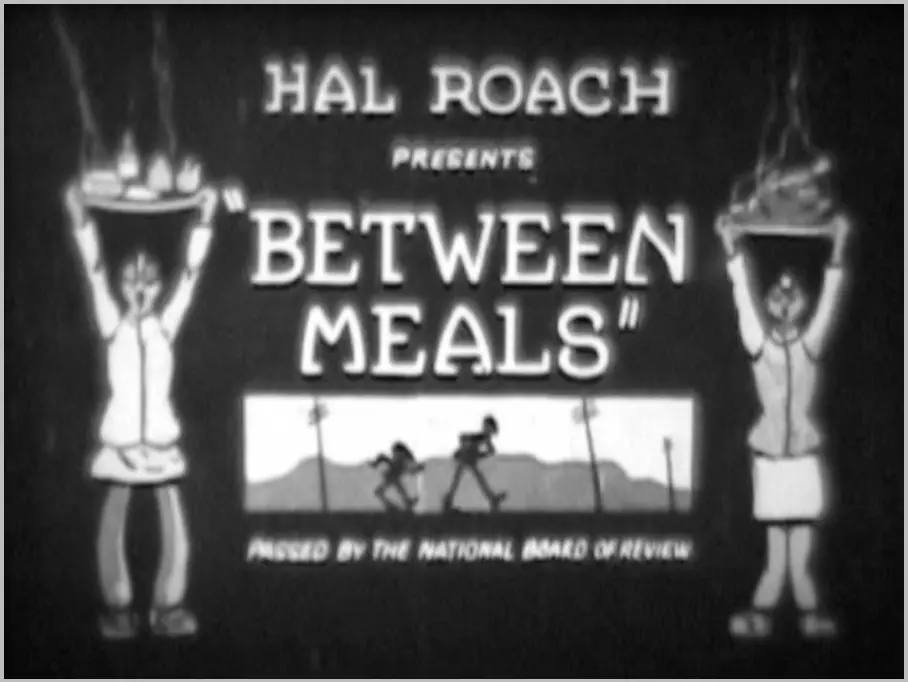
The interplay between the two leads is the heart of the film. Their non-verbal communication, a series of knowing glances and frantic gestures, conveys their shared predicament and their evolving strategy. The direction ensures that even simple actions, like devouring a plate of food, become a comedic spectacle through exaggerated chewing and bulging cheeks. This is a testament to Parrott's directorial eye, understanding that the mundane, when amplified, becomes hilarious.
The pacing of Between Meals is relentless, a characteristic often found in short silent comedies. It wastes no time establishing its premise, quickly moving from arrival to hunger, to scheme, to the meal itself. Once the "asylum escapee" twist is introduced, the film shifts into high gear, maintaining a brisk, almost breathless pace through the subsequent chase. There’s little room for contemplative moments; every scene serves to advance the comedic dilemma or its frantic resolution. This ensures the audience remains engaged, swept along by the rising tide of chaos.
"In an era where many films sought grand narratives, Between Meals reminds us that the most potent cinematic magic can be found in the simplest of human predicaments – a hungry stomach and an empty pocket."
The film's true genius lies not in its originality of plot, but in its perfect distillation of the "free meal gone wrong" trope, a narrative skeleton that has been endlessly re-skinned in subsequent comedies. It’s a foundational piece, demonstrating how a simple concept can be milked for maximum comedic effect. While many silent comedies aimed for grander spectacles, Between Meals proves that sometimes, the most enduring humor comes from the most mundane of human desires: a free lunch. This focus on primal needs makes its humor surprisingly timeless.
The "insane man" trope, while problematic by modern standards, is surprisingly effective here not as a joke at mental illness, but as a pure engine of narrative chaos. It’s a convenient, albeit ethically questionable, device to propel the plot into an absurd, high-energy chase. The film uses it as a sudden, unpredictable force, rather than as a character study, which, while not excusing its dated nature, explains its functional role within the comedic framework of the time. It serves to amplify the protagonists' discomforture and their subsequent flight, rather than to mock the individual.
Yes, Between Meals is absolutely worth watching today for specific audiences. It’s a foundational piece of silent comedy. It showcases early slapstick and comedic timing. It offers a quick, enjoyable dose of vintage humor. Viewers interested in film history will find it particularly rewarding. It is not for those who dislike silent films or expect modern production values. It's a short, simple film, not a grand epic. Its humor relies on physical gags, not complex dialogue.
Between Meals is a charming, if slight, piece of cinematic history. It operates with a disarming simplicity, proving that sometimes, all you need for a good laugh is two hungry vagabonds, a "kindly" stranger, and a whole lot of chasing. It works. But it’s flawed. Its historical context forgives some of its narrative shortcuts and dated elements, allowing us to appreciate its raw comedic energy. For those willing to embrace the unique charm of the silent era, this film offers a delightful, albeit brief, escape into pure, unadulterated slapstick. It’s a reminder that the pursuit of a free lunch is a comedic goldmine, regardless of the century. Give it a watch if you're curious about the building blocks of screen comedy; you might just find yourself grinning at the sheer audacity of its premise and the frantic energy of its conclusion.
IMDb 6.7
1928
Community
Log in to comment.