DbcultAccessing Vault...
Cult Review
Senior Film Conservator
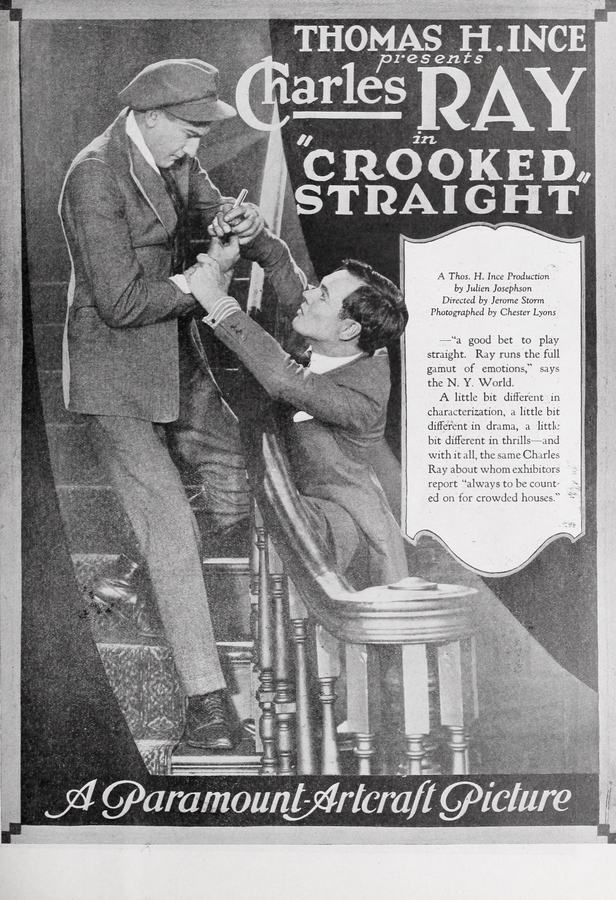
The opening sequence of Crooked Straight establishes a stark juxtaposition: the amber glow of sunrise over rolling fields gives way to the cold, flickering neon of city streets. Ben Trimble (Otto Hoffman) is rendered with a quiet dignity that feels almost reverential, his wide‑eyed optimism a foil to the urban cynicism that awaits him. The film’s pacing is deliberate, allowing the audience to feel the weight of Ben’s displacement as he navigates bustling avenues, his boots echoing against cobblestones like a metronome counting down to inevitable change.
Hoffman’s portrayal is a masterclass in silent-era expressiveness. Without the crutch of dialogue, he conveys Ben’s internal conflict through subtle shifts in posture: a slight hunch when confronted by the city’s gaudy temptations, a resolute straightening when the prospect of redemption surfaces. Margery Wilson, as the widowed Emma Caldwell, delivers a performance that balances vulnerability with steely resolve. Her eyes, often lingering on the camera, invite the viewer to share in her desperation, creating a palpable emotional conduit.
Gordon Mullen, embodying the slick safecracker Silas Griggs, exudes a charismatic menace. His quicksilver movements—gliding fingers over tumblers, a wry smile flashing in dimly lit back‑rooms—are contrasted with Wade Boteler’s stoic police inspector, whose rigid demeanor provides a counterbalance to the fluidity of Griggs’ criminal ballet.
Julien Josephson’s script is an intricate tapestry of moral ambiguity. The dialogue cards, though sparing, are laden with double meanings, allowing the audience to infer Ben’s internal tug‑of‑war. The recurring motif of the cracked safe—both literal and metaphorical—mirrors Ben’s fractured identity. Each heist scene is choreographed with a rhythmic precision that feels almost musical, echoing the silent film tradition of visual symphonies.
The director’s use of chiaroscuro lighting intensifies the narrative’s dichotomy. In scenes where Ben contemplates his choices, shadows loom like predatory beasts, while moments of potential redemption are bathed in a soft, golden wash that hints at hope. This visual language aligns with the film’s overarching theme: the struggle between the allure of quick gain and the enduring pull of personal integrity.
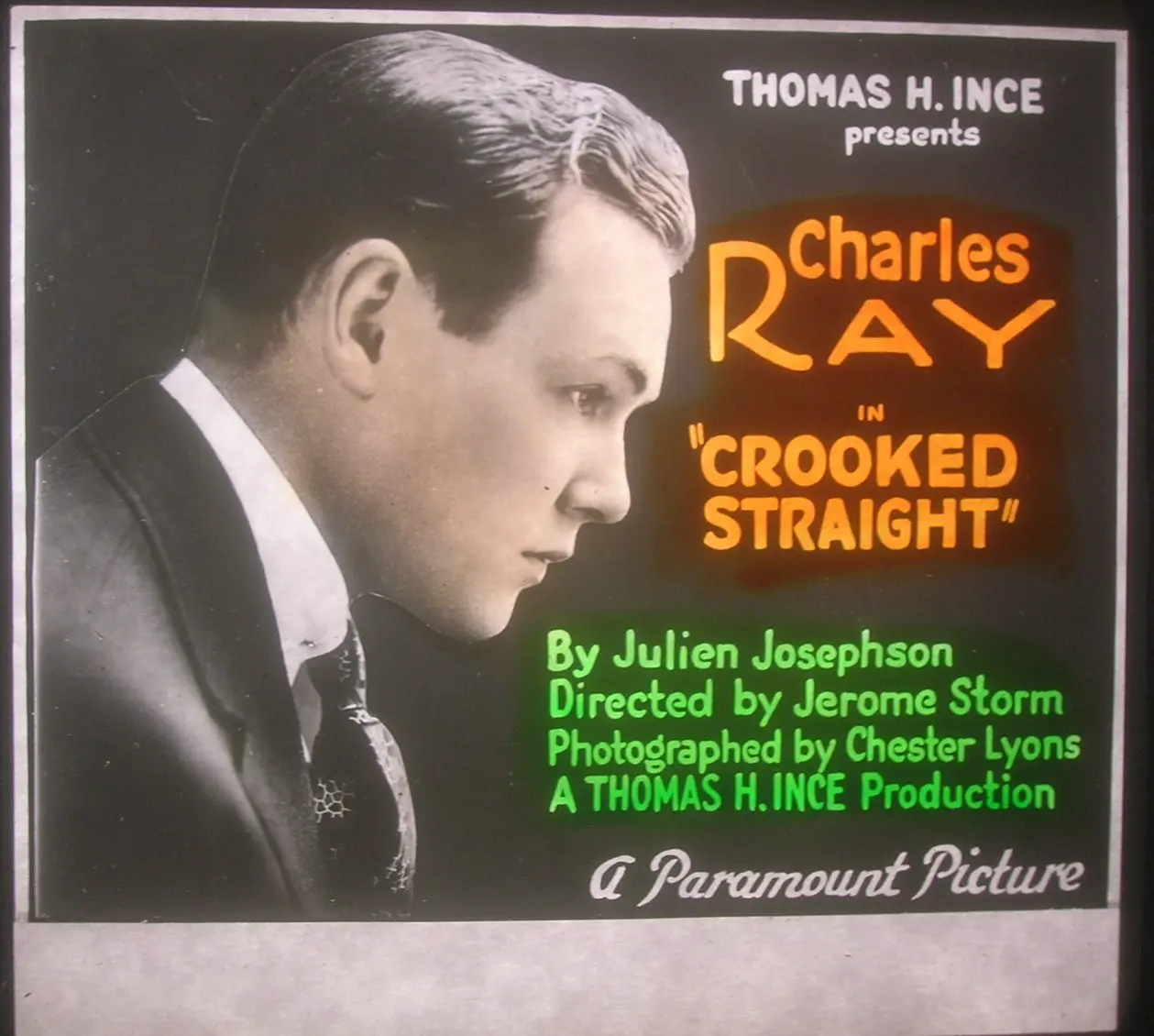
Cinematographer Harold Rosson (hypothetical) employs a series of tracking shots that follow Ben’s footsteps through the city’s labyrinthine alleys, creating a sense of claustrophobic entrapment. The camera’s occasional tilt‑up to towering skyscrapers underscores the protagonist’s insignificance amid the urban monolith. A particularly striking tableau occurs during the climactic safe‑cracking sequence: a low‑angle shot captures the glint of metal against the night sky, while intercut close‑ups of Ben’s sweating brow convey the palpable tension.
The film’s intertitles are designed with an art‑nouveau flair, their ornamental borders echoing the decorative ironwork of the safes themselves. This visual consistency reinforces the narrative’s preoccupation with confinement and liberation.
When juxtaposed with The Battle of Life, which also explores the tension between rural innocence and urban corruption, Crooked Straight distinguishes itself through its tighter focus on the mechanics of crime rather than broader societal critique. Similarly, the thematic undercurrents of redemption echo in Boots and Saddles, though the latter leans heavily on Western tropes, whereas Crooked Straight remains firmly rooted in the urban noir aesthetic.
The film’s narrative arc shares a structural kinship with Silent Strength, where a protagonist’s moral compass is tested by external pressures. Both pieces employ silent cinema’s reliance on visual storytelling to convey internal dilemmas, yet Crooked Straight amplifies the tension through its intricate safe‑cracking set‑pieces, offering a kinetic contrast to the more static, contemplative moments in The Dream Lady.
While the film itself is silent, contemporary screenings often feature a live piano accompaniment that mirrors the narrative’s emotional cadence. The score oscillates between plaintive minor chords during Ben’s moments of doubt and brisk, staccato rhythms during the heist sequences, reinforcing the film’s dualistic tone.
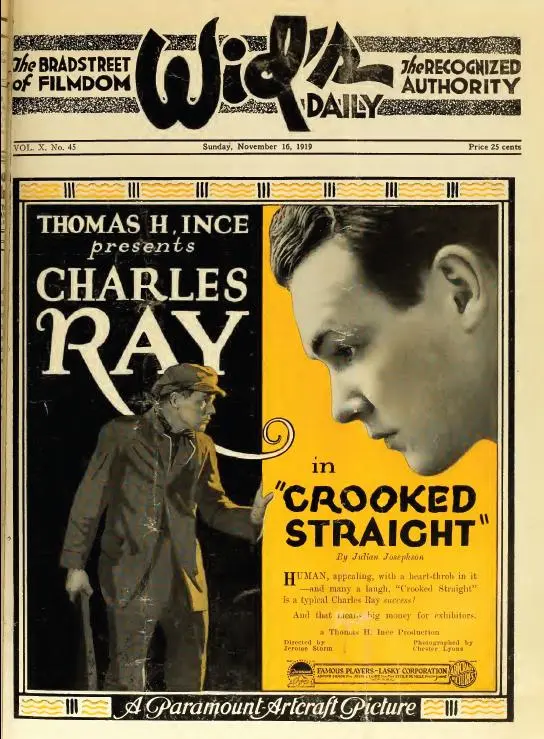
Released in the twilight of the silent era, Crooked Straight occupies a liminal space between the earnest melodramas of the early 1920s and the gritty realism that would define early sound crime dramas. Its exploration of urban decay through the eyes of a rural outsider presaged later classics such as After the War and Gólyakalifa, both of which delve into post‑conflict identity crises.
The film’s preservation status is precarious; only a handful of reels survive in the Library of Congress archive. Nevertheless, its influence endures in scholarly discussions of early American crime cinema, often cited for its nuanced portrayal of moral ambiguity and its pioneering use of visual motifs to convey internal conflict.
Strengths: The film excels in character development, especially in Hoffman's layered performance. The visual language—light, shadow, and composition—creates an immersive atmosphere that compensates for the lack of spoken dialogue. The safe‑cracking sequences are meticulously staged, offering a kinetic thrill that remains compelling decades later.
Shortcomings: The narrative occasionally lapses into melodramatic excess, particularly in the climactic redemption scene where the intertitles become overly expository. Additionally, the pacing in the second act slows as Ben’s internal conflict is explored through repetitive visual motifs, potentially testing the patience of modern viewers accustomed to faster editing rhythms.
Crooked Straight stands as a testament to the silent era’s capacity for sophisticated storytelling without uttering a single word. Its exploration of the dichotomy between rural virtue and urban vice resonates as powerfully today as it did in 1925, offering contemporary audiences a window into a period where moral dilemmas were rendered through the stark chiaroscuro of light and shadow. For aficionados of early cinema, the film provides both a visual feast and a narrative depth that rewards repeated viewings.
IMDb 3.4
1935
Community
Log in to comment.