DbcultAccessing Vault...
Cult Review
Senior Film Conservator
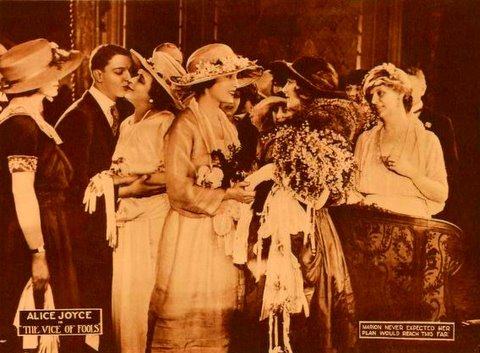
The Vice of Fools, a silent film from 1915, presents a complex tapestry of love, deception, and the unyielding power of true devotion, as embodied by the film's protagonist, Marion Roger. With a narrative that deftly navigates the intricacies of the human heart, this cinematic masterpiece delves into the consequences of unchecked desire and the redemptive qualities of selfless love. As the story unfolds, Cameron West's ill-fated marriage to the flirtatious Diana Spaulding serves as a poignant reminder of the perils of succumbing to fleeting infatuations, rather than nurturing profound emotional connections.
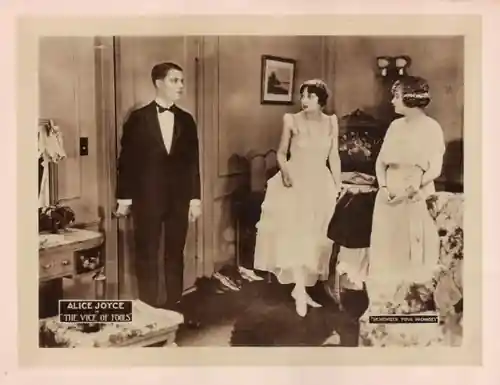
Against the backdrop of a society governed by the rigid conventions of the time, Marion's unrequited love for Cameron assumes a sense of tragic inevitability, as she grapples with the anguish of watching the man she loves commit to a union with another. The film's portrayal of Marion's emotional turmoil is a testament to the enduring power of love, even in the face of adversity, and serves as a powerful counterpoint to the capricious nature of Diana, whose actions threaten to destroy the very fabric of Cameron's existence.
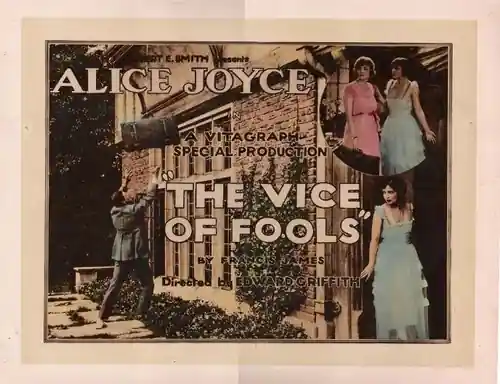
The character of Diana Spaulding is a fascinating study in contrasts, embodying both the allure of a flirtatious debutante and the duplicity of a woman willing to abandon her marital vows for the fleeting thrill of an affair with the notorious Granville Wingate. As the story reaches its climax, Marion's decision to intervene, persuading Wingate to abandon his plans, marks a turning point in the narrative, as Cameron is finally forced to confront the reality of his wife's infidelity and the emptiness of their marriage.
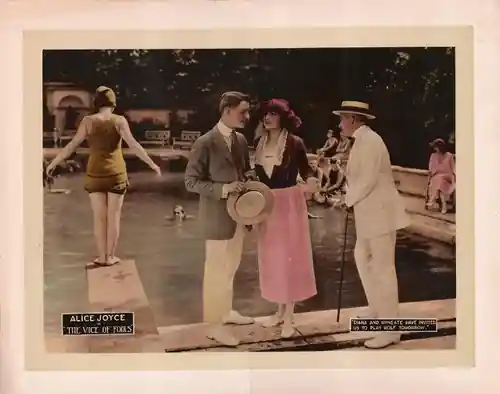
In its exploration of the human experience, The Vice of Fools invites comparisons with other films of the era, such as The Fight and Ballahooing on the Anarika, which also grapple with the complexities of love, relationships, and personal growth. However, it is in the film's thoughtful pacing and nuanced characterization that we find a true kinship with more contemporary works, such as Fate's Mockery and The Relief of Poland, which share a similar concern with exploring the intricacies of the human heart.
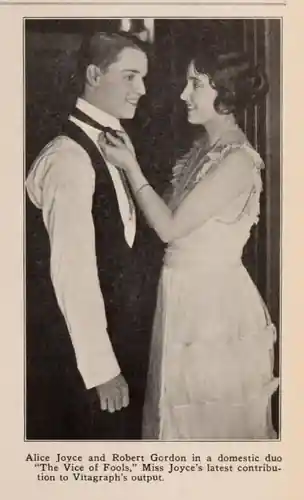
As the narrative of The Vice of Fools draws to a close, Cameron's ultimate realization of his true feelings for Marion serves as a powerful testament to the transformative power of love and the human capacity for growth and redemption. In its portrayal of the complexities and challenges of relationships, the film offers a nuanced and thought-provoking exploration of the human experience, one that continues to resonate with audiences today, much like the works of The Pinch Hitter and Kærlighed overvinder Alt.
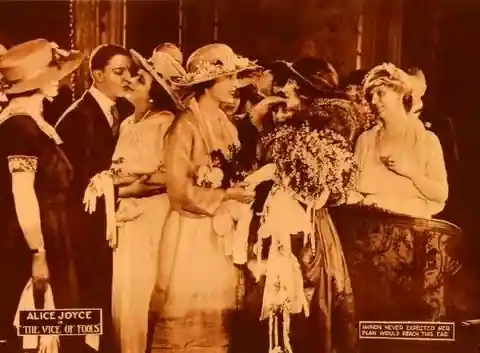
The Vice of Fools is a film that defies easy categorization, blending elements of romance, drama, and social commentary to create a rich and complex cinematic tapestry. As such, it invites comparison with a range of other films, from the classic Carmen to the more obscure The Laugh on Dad and Lisa Fleuron. Ultimately, however, it is the film's thought-provoking exploration of the human heart, coupled with its nuanced characterization and sensitive direction, that renders it a true masterpiece of the silent era, one that continues to captivate audiences with its enduring themes and timeless appeal, much like the haunting Obsession and the poignant Homespun Folks.
In conclusion, The Vice of Fools is a film that rewards close attention and reflection, offering a nuanced and multifaceted exploration of the human experience that continues to resonate with audiences today. With its complex characters, thought-provoking themes, and sensitive direction, it is a true masterpiece of the silent era, one that invites comparison with a range of other films, from the classic The Mysterious Stranger to the more contemporary Tears and Smiles and Father and Son. As such, it is a film that will continue to captivate audiences with its enduring themes and timeless appeal, a true testament to the power of cinema to explore the intricacies of the human heart and the complexities of the human experience, much like the haunting Remorse, a Story of the Red Plague.

IMDb 5.1
1926
Community
Log in to comment.