DbcultAccessing Vault...
4.6/10
Senior Film Conservator
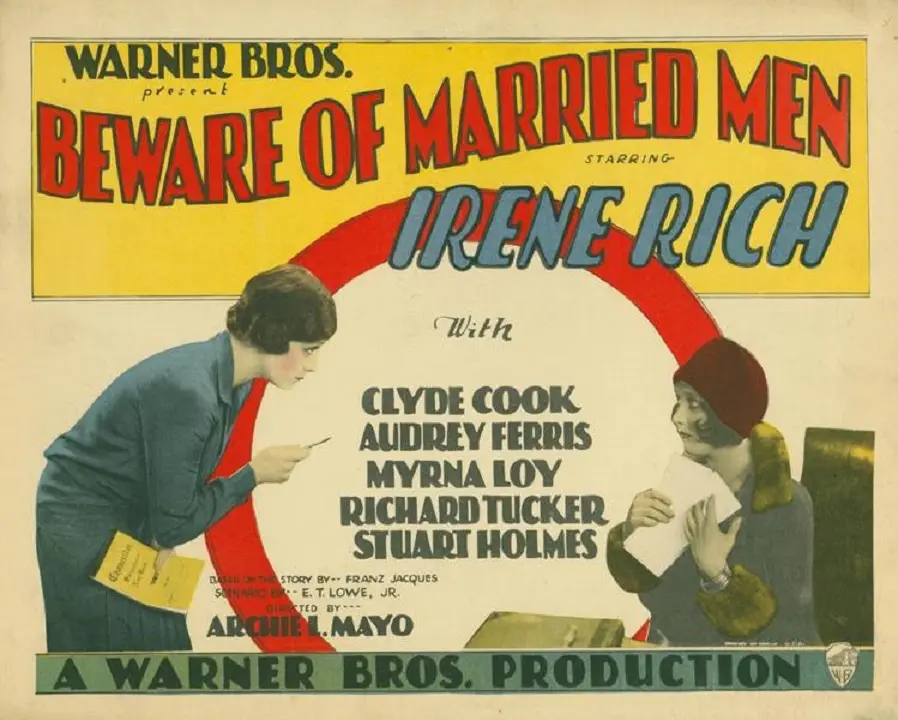
A definitive 4.6/10 rating for a film that redefined the boundaries of cult cinema. Beware of Married Men remains a cornerstone of transgressive art.
Is Beware of Married Men a hidden gem of the late silent era? Short answer: no, it is a fascinating sociological artifact that feels more like a sharp-edged cautionary PSA than a cinematic triumph.
This film is for dedicated historians of the Pre-Code era and those fascinated by the evolution of the 'urban predator' trope in American cinema. It is emphatically not for those who demand fast-paced action or modern sensibilities regarding gender dynamics.
1) This film works because it captures the specific, predatory 'sophistication' of the 1920s urban bachelor with an almost documentary-like precision in its set design.
2) This film fails because its moral compass is as heavy-handed as a sledgehammer, often sacrificing character logic for the sake of a 'lesson.'
3) You should watch it if you want to see an early, unpolished Myrna Loy or if you are interested in how the silent era visualized the concept of 'the bachelor pad' as a site of moral peril.
The most compelling character in Beware of Married Men isn't a person; it’s Leonard Gilbert’s apartment. In 1928, the 'bachelor pad' was a relatively new concept in the American imagination, and director Archie Mayo (uncredited in some records but influential here) uses the space to telegraph Gilbert’s intent. The cocktail shakers aren't just for drinks; they are rhythmic tools of distraction. The plush pillows are not for comfort; they are for entrapment.
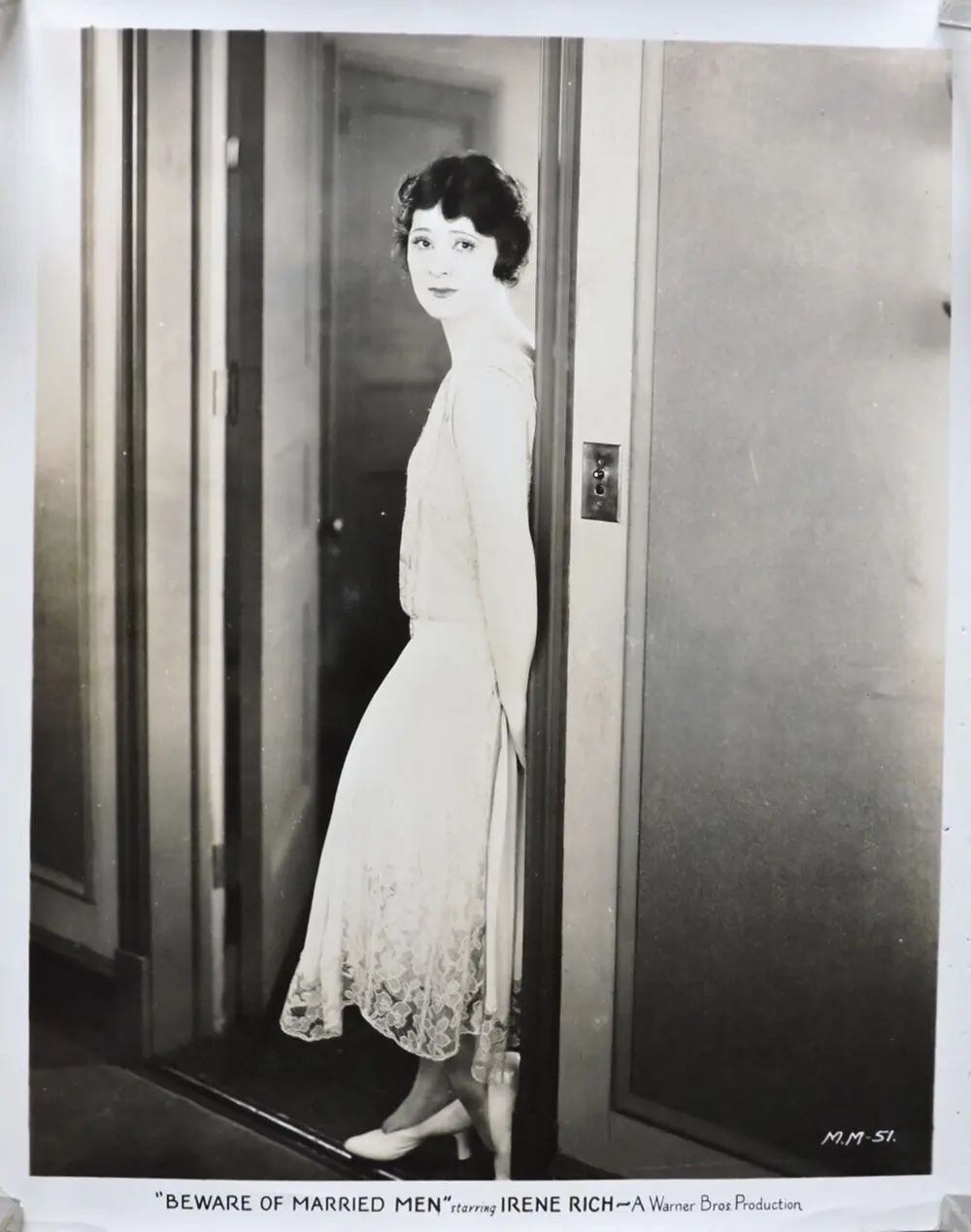
Richard Tucker plays Gilbert with a mustache-twirling energy that stops just short of being a cartoon. He embodies the 'Ace' archetype we see in films like The Ace of Cads, but with a darker, more transactional edge. Every movement Tucker makes is calculated. When he pours a drink, he isn't looking at the glass; he’s watching the reflection of his prey in the mirror. It’s a performance of pure artifice, which perfectly matches the film’s cynical tone.
The inclusion of the 'Japanese manservant' is a trope that has aged poorly, but in the context of 1928, it was a shorthand for a specific kind of exoticized luxury. It suggests that Gilbert is a man of the world, someone who has 'curated' his life. This makes his pursuit of the Martin sisters feel less like a romance and more like a collector looking for a new acquisition.
Irene Rich and Audrey Ferris provide the film’s emotional core, though they are forced to play archetypes rather than women. Ferris, as Helene, represents the 'flapper' who has more curiosity than sense. Her performance is full of the wide-eyed fluttering typical of the era, but there’s a genuine sense of vulnerability in the scene where she first enters Gilbert’s apartment. She looks small amidst the oversized furniture, a visual metaphor for her lack of social standing compared to Gilbert.
Irene Rich, as Myra, is the film’s moral anchor. Rich was known for playing 'society women,' and here she brings a weary intelligence to the role. She doesn't just want to save her sister; she wants to outmaneuver Gilbert. The scenes where she confronts him are the highlights of the film. There is no physical violence, but the way they trade glances across a room feels like a fencing match. It reminds me of the social maneuvering found in Social Hypocrites, where reputation is the only currency that matters.
However, the film’s biggest flaw is its lack of faith in the audience. It constantly underlines its themes. We don't just see that Gilbert is bad; we are told repeatedly through intertitles and exaggerated gestures. It lacks the subtlety of contemporary European silents, opting instead for a melodramatic roar.
For modern viewers, the primary draw here is Myrna Loy. Before she became the sophisticated 'perfect wife' in the Thin Man series, Loy was frequently cast as the 'exotic' or the 'vamp.' In Beware of Married Men, she is still in that developmental phase. Even in a smaller role, she commands the screen. There is a specific moment where Loy looks toward the camera with a knowing, cynical smirk that feels decades ahead of the rest of the cast’s acting style.
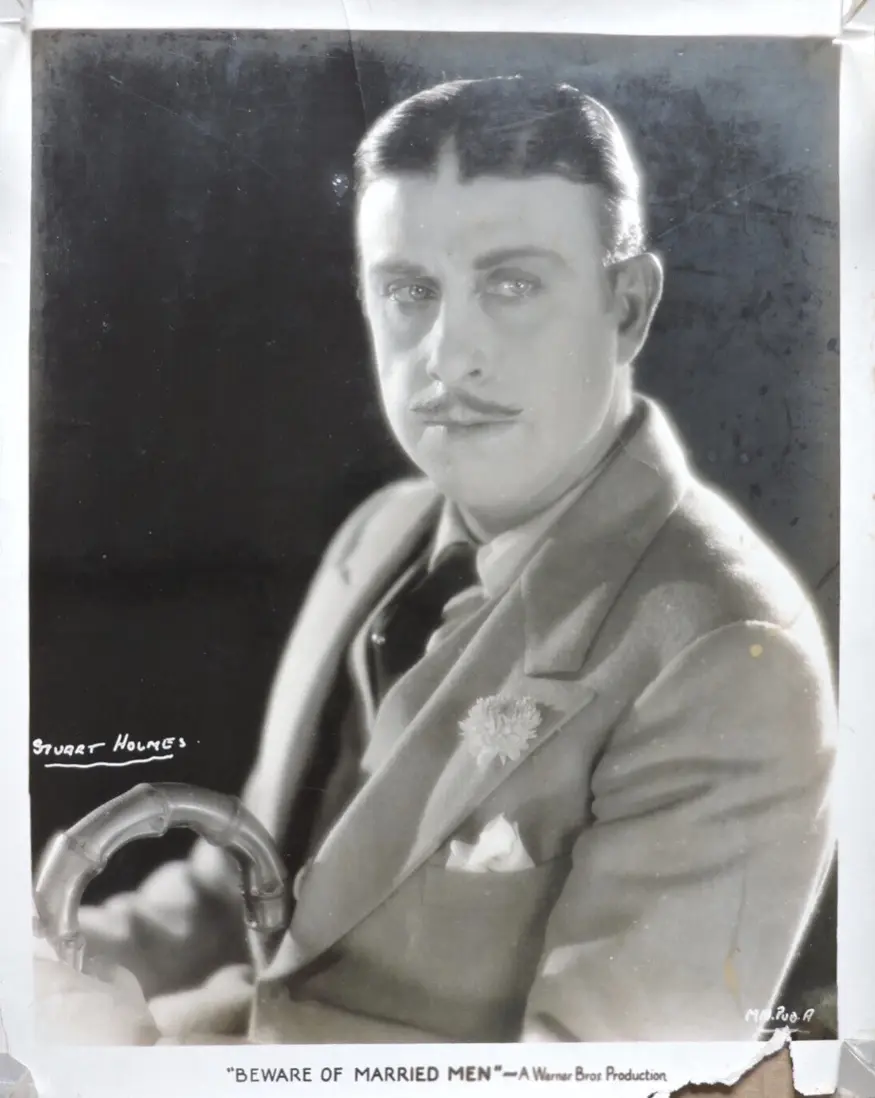
Loy’s presence highlights the transition happening in Hollywood. You can see the shift from the theatrical acting of the early 20s toward the more naturalistic, 'cool' style that would dominate the 30s. When she is on screen, the film feels modern. When she leaves, it retreats back into the Victorian moralizing of the previous generation.
Cinematographically, the film is competent but rarely adventurous. There are some interesting uses of shadows during the late-night apartment scenes, creating a noir-lite atmosphere before noir even existed. The lighting on the cocktail shakers—making them glint like silver weapons—is a nice touch. But the pacing is uneven. The first half drags as it establishes Gilbert’s routine, while the final act feels rushed, as if the producers realized they were running out of film.
The writing, credited to Franz Jacques, Joseph Jackson, and Edward T. Lowe Jr., is a bit of a 'too many cooks' situation. The dialogue (via intertitles) ranges from sharp and witty to painfully earnest. It lacks the cohesive vision found in something like The Common Law. One moment it’s a sophisticated comedy of manners, the next it’s a tear-jerking drama about ruined lives. This tonal whiplash is common in 1928, a year where Hollywood was confused about whether it wanted to be respectable or scandalous.
Does Beware of Married Men hold up in the 21st century?
Only as a historical curiosity. The film’s central conceit—that a woman’s life is over if she is seen in a bachelor’s apartment—is a relic of a bygone social order. However, the psychological games Gilbert plays are timeless. Gaslighting and the use of status to groom victims are, unfortunately, still very much with us. In that sense, the film is an accidental precursor to modern psychological thrillers.
Pros:
- Strong performance by Richard Tucker as a believable, oily villain.
- Fascinating early-career appearance by Myrna Loy.
- High production values for the era, particularly in costume and set design.
Cons:
- The 'Japanese manservant' character is a distracting and dated stereotype.
- Audrey Ferris’s character is written as frustratingly naive.
- The film’s resolution feels unearned and overly tidy.
Beware of Married Men is a fascinating, if flawed, time capsule. It captures a moment when Hollywood was obsessed with the 'dangers' of the modern city and the changing roles of women. It’s a bit of a mess. But it’s an entertaining mess. It doesn't reach the heights of the great silent masterpieces, but it provides a gritty, cynical look at the 1920s that is often airbrushed out of history. If you can get past the melodrama, there is a sharp story about power and reputation buried underneath the silk pillows and cocktail shakers.
IMDb 3.8
1919
Community
Log in to comment.