DbcultAccessing Vault...
Cult Review
Senior Film Conservator
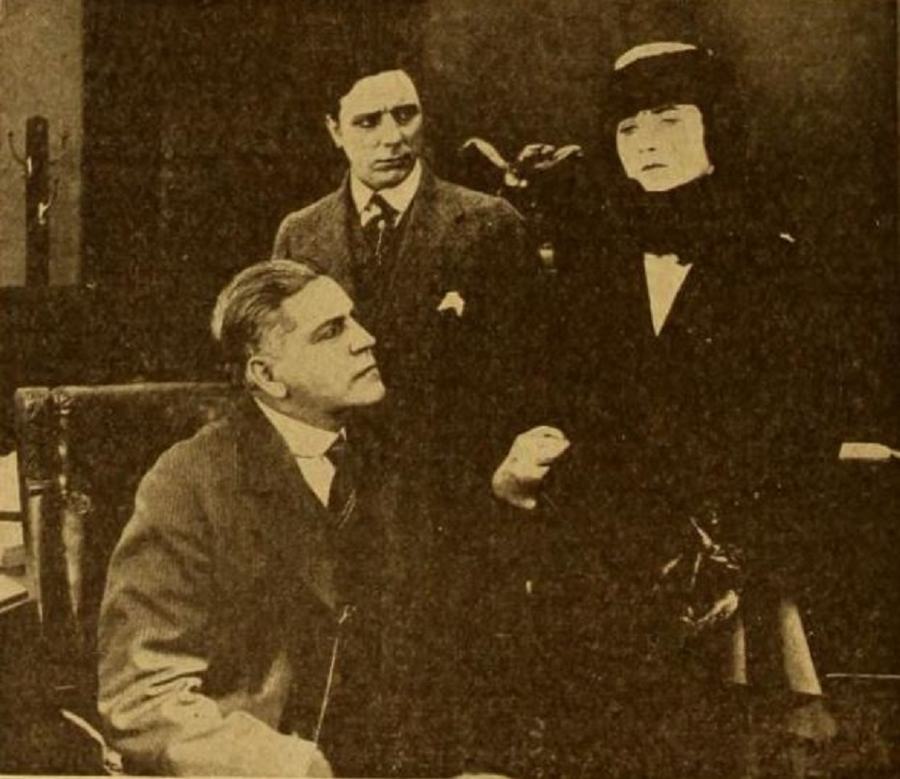
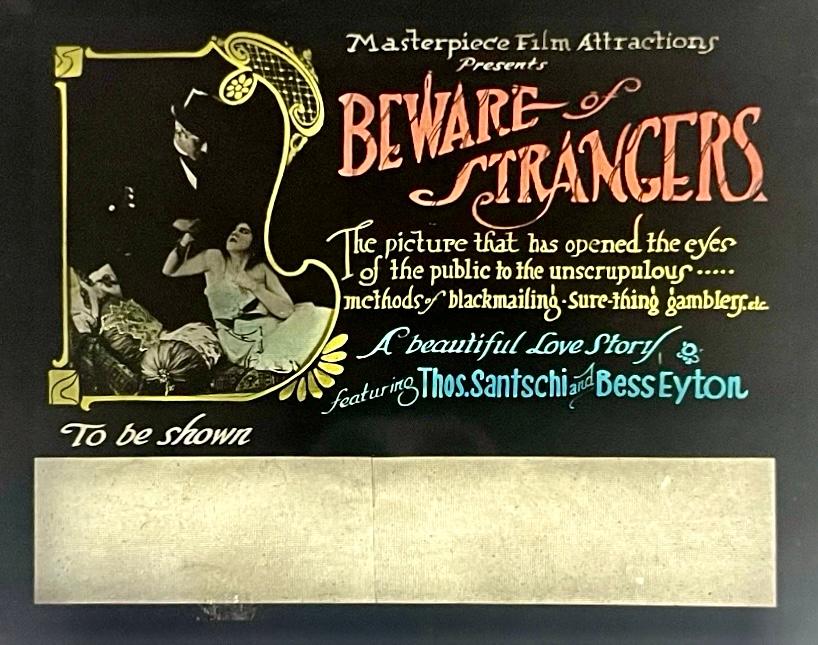
Stepping into the flickering glow of "Beware of Strangers" is akin to opening a forgotten time capsule, one that resonates with an enduring, almost primal fear of the unknown lurking beneath the veneer of sophistication. This cinematic endeavor, penned by the insightful Gilson Willets, presents a stark, yet profoundly human, morality play that transcends its silent-era origins. It’s a narrative tapestry woven with threads of innocence, betrayal, and the harsh lessons learned when the sheltered spirit confronts the predatory expanse of the burgeoning metropolis. The film, in its quiet yet potent way, serves as a timeless cautionary fable, reminding us that the most dangerous traps are often those adorned with the most alluring facades.
At the heart of this poignant drama lies Mary, brought to life with an exquisite blend of vulnerability and burgeoning resilience by Bessie Eyton. Eyton’s portrayal is remarkable for its nuanced evolution; her initial wide-eyed wonderment at the city's grandeur gradually gives way to a disquieting apprehension, then a heartbreaking disillusionment. Her Mary is not merely a passive victim but a soul on a precipice, grappling with the disorienting chasm between her idyllic rural upbringing and the cold, calculating realities of urban life. The camera lingers on her expressions, allowing the audience to witness the subtle shifts in her spirit, from hopeful anticipation to the crushing weight of betrayal. It’s a performance that speaks volumes without a single uttered word, a testament to Eyton's profound understanding of her character's internal landscape.
The antagonist, Arthur Thorne, is a marvel of insidious charm, embodied with chilling precision by Jack Richardson. Richardson eschews overt villainy, instead crafting a character whose menace lies in his magnetic yet utterly deceptive persona. Thorne is the archetypal wolf in sheep's clothing, his polished demeanor and honeyed words serving as a sophisticated camouflage for his avaricious intentions. His interactions with Mary are a masterclass in manipulation, a slow, deliberate tightening of the net around her unsuspecting heart and purse. This nuanced depiction elevates Thorne beyond a mere caricature, making him a truly formidable and believable threat. His chilling effectiveness is amplified by the presence of Fritzi Brunette as Lena, his cynical, worldly accomplice. Brunette's Lena is the perfect foil, her sharp, knowing glances and weary pragmatism hinting at a past perhaps similar to Mary's potential future, providing a stark, unsettling glimpse into the moral compromises of the city's underbelly. Her performance adds layers of grim realism to Thorne's operations, making the threat feel all the more pervasive and inescapable.
The emotional anchor of the film, without question, is Eugenie Besserer as Mary's doting mother. Besserer delivers a performance of profound maternal concern, her every gesture and expression radiating an almost prescient anxiety for her daughter's welfare. Though physically distant from the city's dangers, her presence is felt throughout, a silent, powerful force of love and warning. The film smartly uses her character to represent the values and wisdom of a simpler, perhaps safer, existence, creating a stark contrast to the urban jungle Mary navigates. Her letters, often shown in poignant intertitles, serve as gentle remonstrances, their unheeded advice amplifying the tragedy of Mary's unfolding predicament. This dynamic between mother and daughter adds a deeply human, relatable core to the film's broader social commentary, making the audience keenly feel the stakes involved.
Fortunately for Mary, not all urban encounters are predatory. Harry Lonsdale steps into the role of John Harding, a principled journalist whose keen observations and innate sense of justice propel him into Mary's orbit. Lonsdale imbues Harding with a quiet integrity, a man driven not by sensationalism but by a genuine desire to expose wrongdoing and protect the innocent. His character represents the potential for heroism amidst the chaos, a crucial counterbalance to Thorne's malevolence. Harding's investigative journey, subtly depicted through his careful inquiries and growing suspicions, provides the narrative with its much-needed momentum towards resolution. He is aided by the seasoned experience of a police detective, played with stoic authority by Tom Santschi. Santschi’s presence lends an air of official gravity to the proceedings, his no-nonsense approach a welcome sight as the web of deceit begins to unravel. The collaboration between Harding and the detective underscores the idea that vigilance and collective action are essential in combating urban corruption.
The ensemble is further enriched by the contributions of Vivian Rich, whose character, a former victim of Thorne's machinations, offers a haunting glimpse into the lasting scars of his deceit. Rich’s performance, though perhaps brief, is impactful, her weary eyes and guarded demeanor serving as a chilling premonition for Mary. Similarly, Al W. Filson, Edward Coxen, and Frank Clark contribute to the film's rich tapestry of secondary characters, each adding texture and depth to the bustling, often indifferent, urban landscape. Their collective presence helps to flesh out the world, making the city feel less like a mere backdrop and more like an active participant in Mary's unfolding drama, a character in itself with its own dangers and unexpected allies. The cumulative effect of these performances is a deeply immersive experience, where every face tells a story, every glance carries weight.
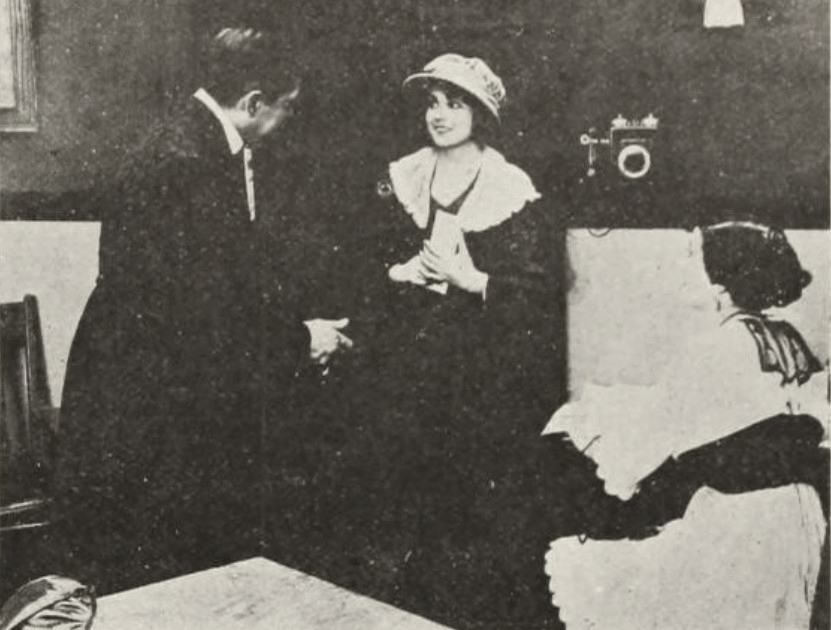
From a thematic standpoint, "Beware of Strangers" delves into the perennial clash between rural innocence and urban experience, a theme explored in various forms throughout cinematic history. It's a narrative that echoes the anxieties of a society grappling with rapid industrialization and the consequent migration from agrarian communities to burgeoning cities. The film doesn't merely present a simple good-versus-evil dichotomy; instead, it explores the psychological toll of deception and the resilience of the human spirit. The city itself, with its towering buildings and anonymous throngs, is almost a character, a pulsating entity that promises opportunity but often delivers peril. This is a common thread in films of the era, where the city often serves as a crucible for character development, for better or worse.
The narrative structure, a slow burn that meticulously builds tension, allows the audience to become deeply invested in Mary's plight. Gilson Willets' screenplay is masterful in its construction, carefully planting seeds of doubt and suspicion that blossom into full-blown revelations. The pacing is deliberate, allowing for character motivations to be thoroughly explored and for the audience to empathize with Mary's gradual realization of her predicament. The use of intertitles is particularly effective, not just for dialogue but for conveying Mary's inner turmoil and her mother's heartfelt warnings. This technique, a staple of silent cinema, is employed here with an artistic sensibility that enhances rather than detracts from the visual storytelling.
Visually, the film likely employed the dramatic chiaroscuro lighting and expressive mise-en-scène characteristic of the period, using shadows and light to underscore the moral ambiguities of the urban environment. While specific details of the cinematography are beyond the scope of this review without direct access to the film, one can infer from the strong characterizations and thematic depth that the visual language would have been equally compelling. Imagine the stark contrast between the sun-drenched pastoral scenes of Mary's home and the shadowy, gas-lit alleys of the city, or the opulent interiors of Thorne's lair designed to lure his unsuspecting prey. These visual contrasts would have amplified the film's central message, drawing the viewer deeper into Mary's increasingly perilous world.
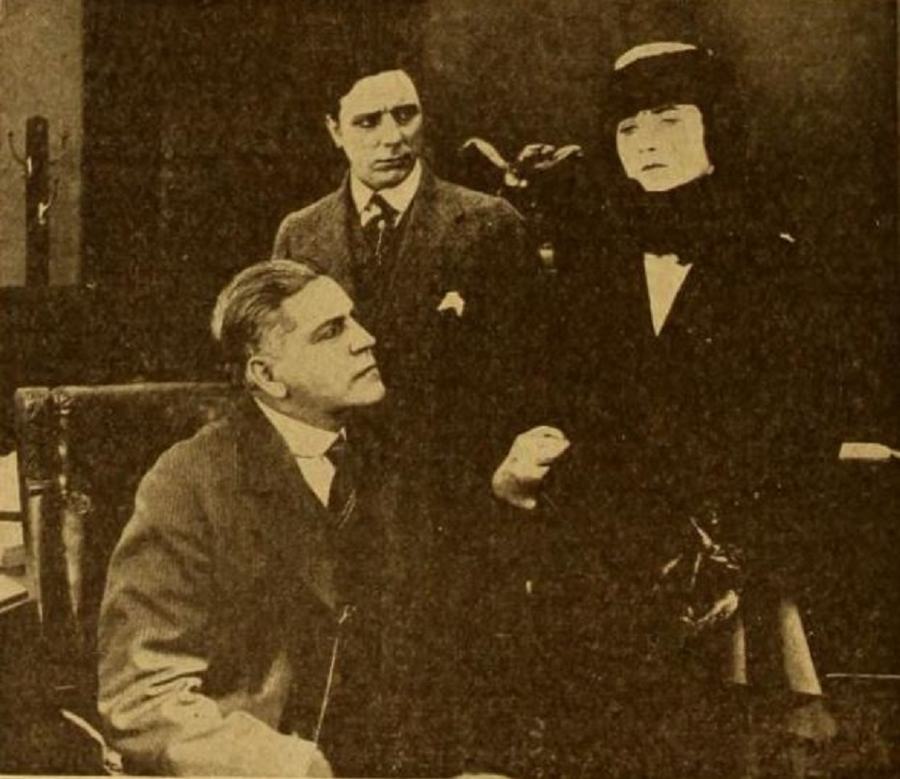
Comparing "Beware of Strangers" to other contemporary works reveals its distinct position within the silent film landscape. While films like The Straight Road might explore redemption from moral pitfalls, or The Pitfall might delve into similar themes of urban danger, "Beware of Strangers" distinguishes itself through its relentless focus on prevention and the subtle, insidious nature of deception. It's less about the grand dramatic gestures and more about the slow, creeping dread of realization. One might also draw parallels with Et Syndens Barn (A Child of Sin) in its exploration of societal judgment and personal vulnerability, though the Scandinavian film likely takes a more starkly existential turn. The film stands out for its methodical exposition of the con artist's craft, offering a detailed, almost instructional glimpse into the psychology of manipulation.
The film's enduring relevance lies not just in its historical context but in its timeless message. In an age where digital strangers lurk behind screens, the core warning of "Beware of Strangers" resonates perhaps even more powerfully. The film serves as a reminder that discerning character and exercising caution are not outdated virtues but essential tools for navigating any complex social landscape. The emotional journey of Mary, from blissful ignorance to painful enlightenment, is a universal one, mirroring the rites of passage many experience when confronting the harsher realities of the world beyond their immediate ken.
The direction, while subtle, is profoundly effective in building atmosphere and guiding the audience's emotional response. The use of close-ups on faces, particularly Eyton's and Richardson's, would have been crucial in conveying the unspoken dialogue of silent cinema. The staging of scenes, from the bustling train station where Mary first arrives to the opulent yet sinister drawing-rooms of Thorne's operations, would have been meticulously crafted to evoke specific feelings—excitement, unease, entrapment. One can imagine the director's careful framing to emphasize Mary's isolation in the vast city, or the visual cues designed to highlight Thorne's predatory gaze. The film's strength lies in its ability to tell a complex story primarily through visual cues and the sheer power of the actors' expressions.
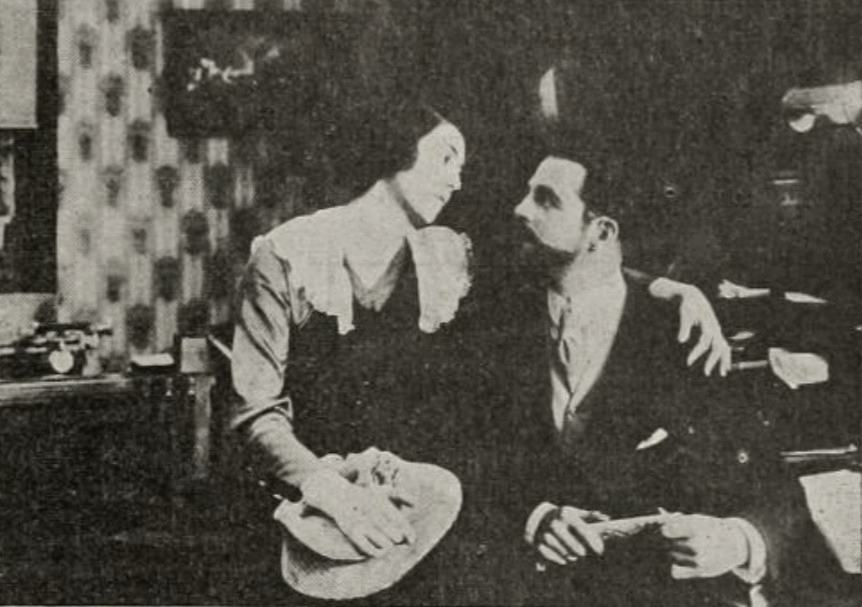
The subtle societal critique embedded within "Beware of Strangers" is another layer of its brilliance. It's not just a story of personal peril but a commentary on the anonymity and moral ambiguities that can flourish in dense urban environments. The film implicitly questions the promises of progress and prosperity that drew so many to the cities, exposing the hidden costs and dangers. It suggests that while opportunities abound, so too do the predators who exploit the naive and the vulnerable. This makes the film more than just a melodrama; it’s a piece of social commentary, reflecting the anxieties and changing values of its time. The stark contrast between the moral certitude of Mary's rural origins and the ethical slipperiness of the city is a powerful device, driving home the film's central thesis.
In an era when film was still finding its voice, "Beware of Strangers" stands as a compelling example of narrative sophistication and emotional depth. It harnessed the power of the visual medium to tell a story that was both entertaining and deeply resonant. The performances, particularly those of Eugenie Besserer, Bessie Eyton, and Jack Richardson, are etched with an authenticity that defies the passage of time. They remind us that human emotions—love, fear, hope, betrayal—are universal, regardless of the technological advancements or social changes that define different epochs. The film's legacy is its ability to continue to provoke thought and serve as a salient warning, proving that some stories, and some dangers, are eternal. It's a cinematic experience that, despite its age, feels remarkably current in its psychological insights and its timeless admonition.
Ultimately, "Beware of Strangers" is more than just a historical curiosity; it is a vital piece of cinematic heritage, a testament to the storytelling prowess of early filmmakers. It’s a film that asks us to look beyond the surface, to question appearances, and to value the wisdom that comes from both experience and the protective instincts of those who genuinely care. For anyone interested in the evolution of film as a medium for social commentary and psychological drama, or simply in a gripping tale of urban intrigue and personal awakening, this film offers a rich and rewarding experience. Its echoes can be felt in countless narratives that followed, cementing its place as an influential, albeit perhaps lesser-known, masterpiece of its genre. The film's ability to evoke such strong emotions and deliver such a clear moral message without spoken dialogue is a testament to the artistry involved in its creation.
IMDb 6.5
1921
Community
Log in to comment.