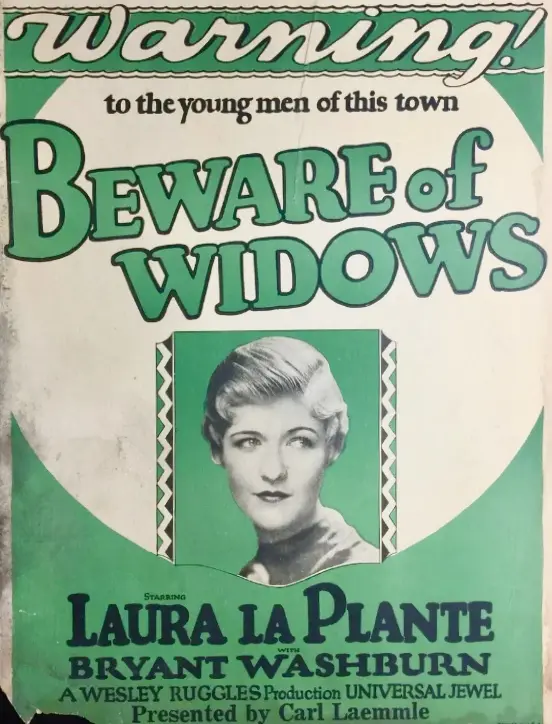
Is 'Beware of Widows' worth watching today? Short answer: yes, but with significant caveats that demand a specific viewing mindset. This film is a fascinating curio for silent film enthusiasts, particularly those with a keen interest in early American comedies and the evolving portrayal of gender roles and societal expectations of the era. However, it's decidedly not for casual viewers expecting modern pacing, easily accessible humor, or a plot that adheres to contemporary narrative conventions. Approach it as a historical artifact with moments of genuine charm, and you might find something worthwhile.
This film works because: It offers a unique, albeit simplistic, premise that cleverly satirizes societal vulnerabilities and the allure of wealth in the Roaring Twenties. The central performance by Walter Hiers, though broad, embodies the era's comedic style with a certain undeniable charisma.
This film fails because: Its pacing can be excruciatingly slow for modern audiences, and its humor, while occasionally effective, often relies on dated stereotypes that haven't aged gracefully. The narrative depth is minimal, favoring episodic gags over character development.
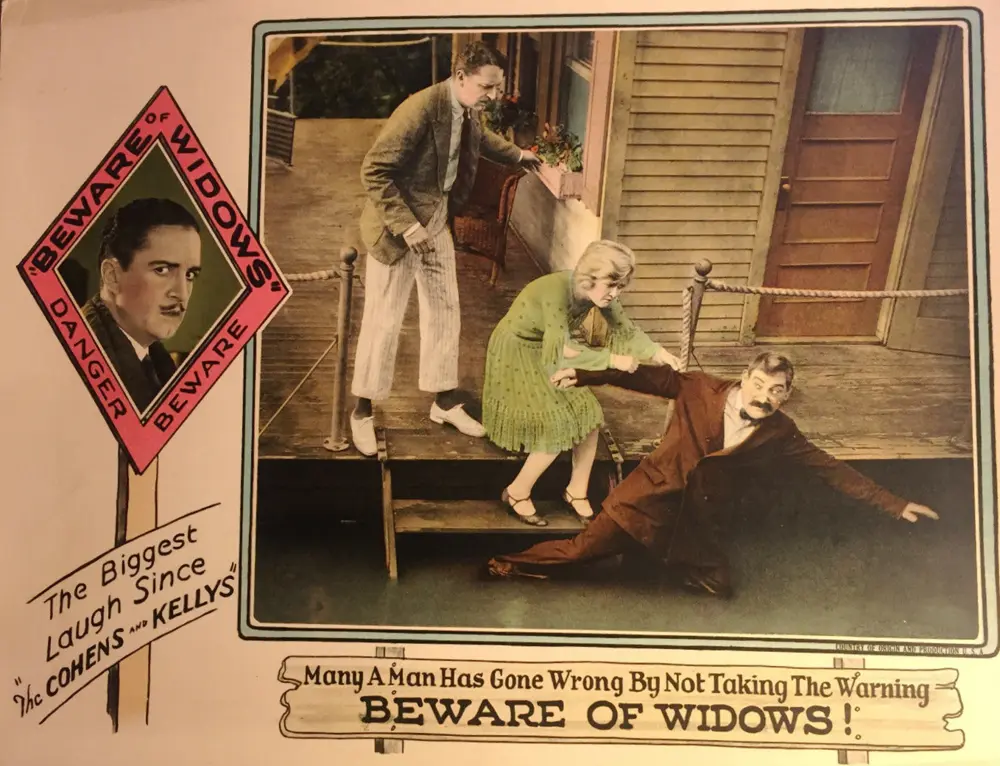
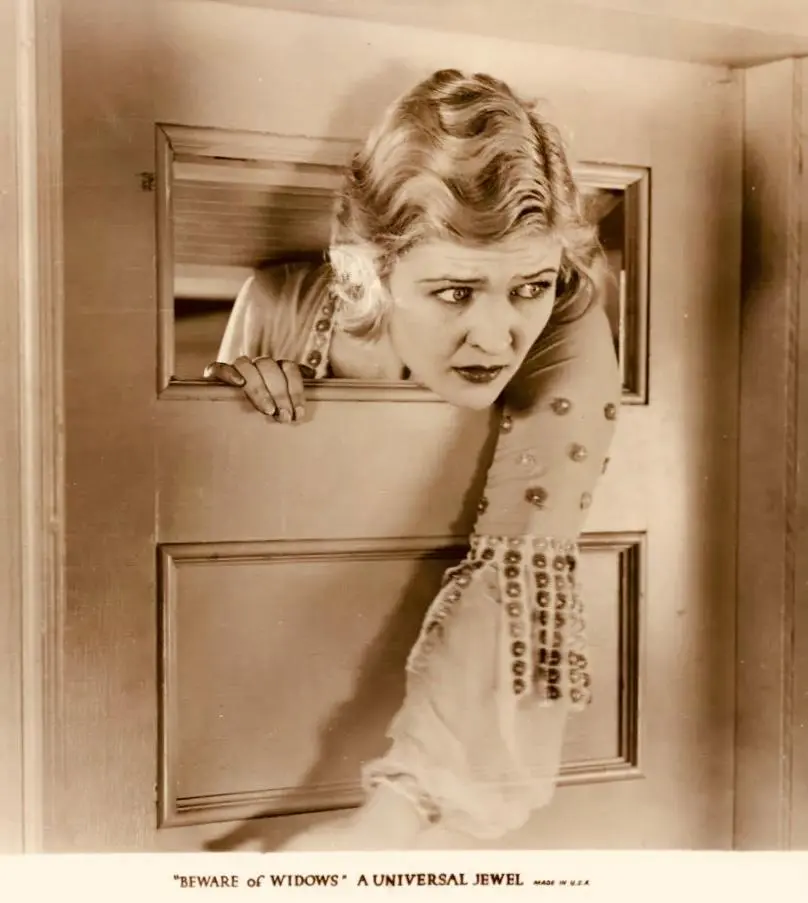
Scene from Beware of Widows
Cinematic perspective: Exploring the visual vocabulary of Beware of Widows (1927) through its definitive frames.
You should watch it if: You have a genuine appreciation for silent cinema, enjoy exploring the social commentary (however light) of early 20th-century films, and are willing to overlook its structural and comedic shortcomings for a glimpse into cinematic history.
A Glimpse into the Roaring Twenties' Moral Ambiguity
To engage with 'Beware of Widows' is to step back into an era of cinematic innocence and nascent storytelling. The film, released during the vibrant, often scandalous, Roaring Twenties, presents a premise that, even today, holds a perverse fascination. Dr. John Waller, played with a sort of languid charm by Walter Hiers, isn't just a doctor; he's a specialist in a very particular kind of ailment: the loneliness and vulnerability of wealthy women who find themselves newly widowed. This isn't a medical drama; it's a social satire, however gentle, on the intersection of wealth, companionship, and opportunistic male ambition.
The film's strength lies in its audacity, subtle as it may be, to explore a character who is essentially a charming predator. Waller's practice is less about curing physical maladies and more about providing emotional comfort, subtly positioning himself as a potential suitor for those with substantial inheritances. It's a cynical setup, yet one that speaks volumes about the societal anxieties and perceived vulnerabilities of the time. The very title, 'Beware of Widows,' is a double entendre, warning not just of the women themselves, but of the machinations that might swirl around them.
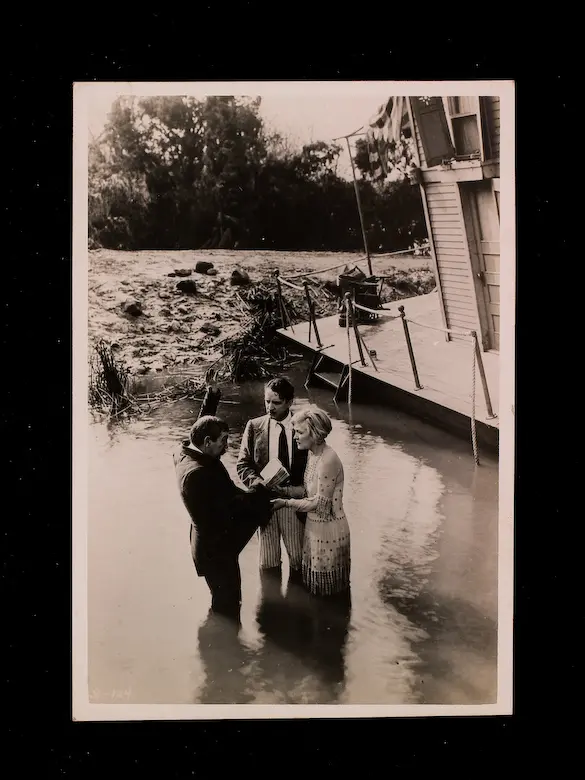
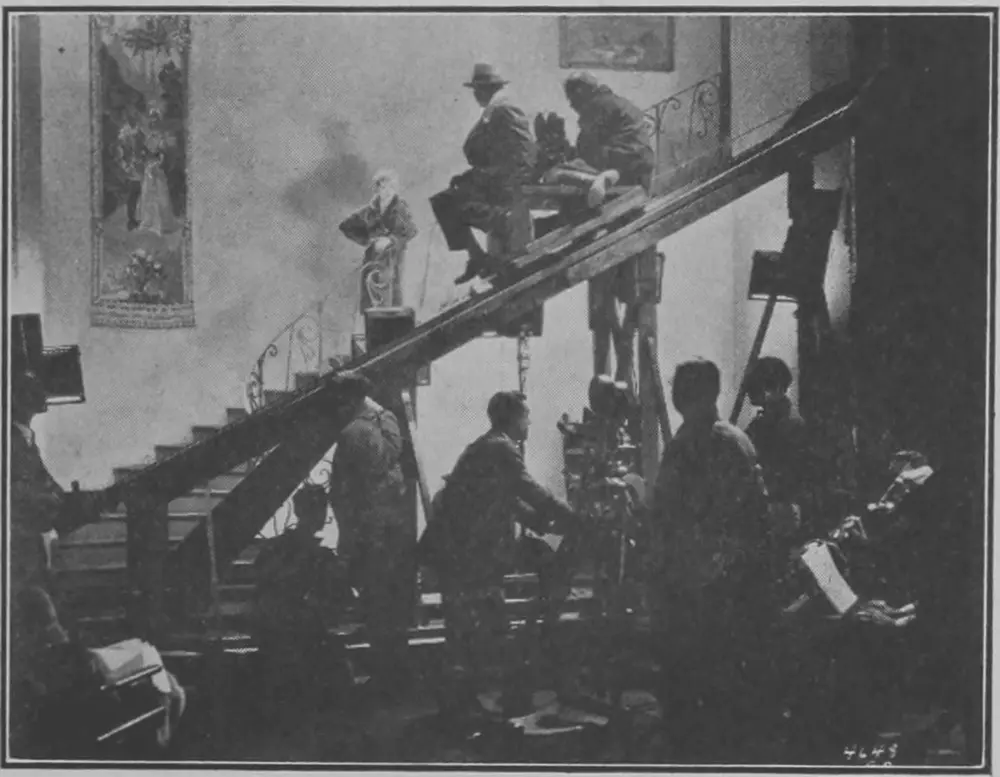
Scene from Beware of Widows
Cinematic perspective: Exploring the visual vocabulary of Beware of Widows (1927) through its definitive frames.
Performances: Charm, Caricature, and Understated Depth
Walter Hiers, as Dr. John Waller, carries the film on his broad, handsome shoulders. Hiers, a prolific actor of the silent era, brings a certain comedic earnestness to Waller, even as the character's intentions are clearly self-serving. His performance is a masterclass in silent film acting: exaggerated expressions, purposeful gestures, and a physicality that conveys both his magnetic appeal and his underlying calculation. One particular moment, where Waller feigns deep sympathy for a particularly lachrymose widow, patting her hand with a practiced, almost mechanical rhythm while his eyes subtly glance towards a portrait implying her deceased husband's fortune, perfectly encapsulates his character.
The supporting cast, while given less screen time, contributes significantly to the film's texture. Tully Marshall, a veteran character actor, often provides a grounding presence, perhaps as a skeptical observer or a foil to Waller’s schemes. His more subtle, often reactive expressions offer a counterpoint to Hiers’ broader strokes, adding a layer of realism to the comedic exaggeration. Paulette Duval, as one of Waller’s potential targets, brings a vivacious energy that hints at a more complex character than the script fully allows, her wide, expressive eyes conveying both a longing for companionship and a shrewd awareness of her own position. Her scenes, though brief, often feel like missed opportunities for deeper exploration.
The ensemble, including Bryant Washburn, Heinie Conklin, and Laura La Plante, populates Waller's world with a colorful array of types. They are less individuals and more archetypes: the gossiping socialite, the easily duped heiress, the suspicious relative. While this aids the film’s comedic intent, it also limits its emotional resonance. The film sacrifices individual depth for broader strokes of social commentary, a common trade-off in silent comedies of the period.
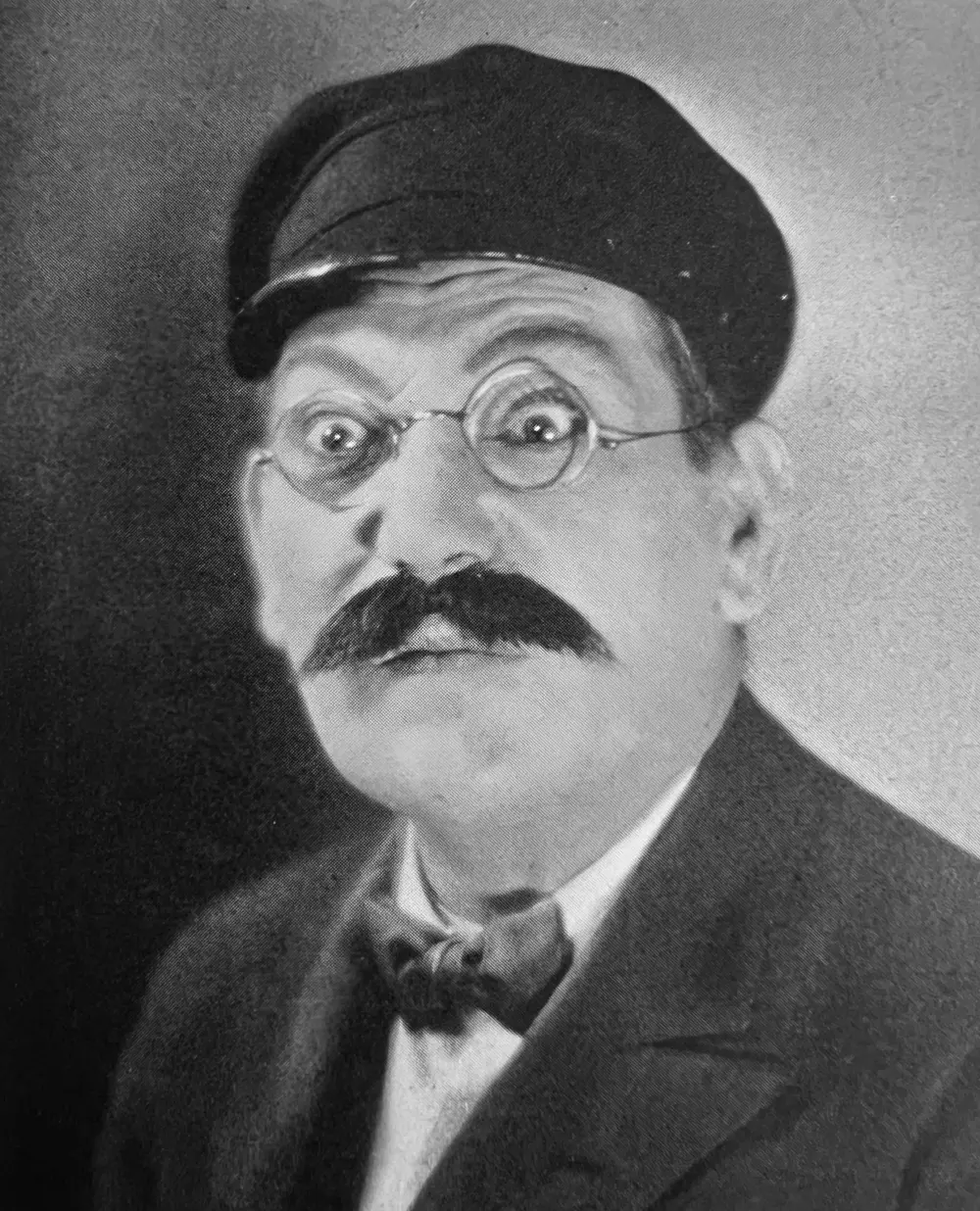
Scene from Beware of Widows
Cinematic perspective: Exploring the visual vocabulary of Beware of Widows (1927) through its definitive frames.
Direction and Visual Storytelling: Owen Moore's Hand
Owen Moore, stepping behind the camera for this feature, crafts a visually competent, if not groundbreaking, film. The direction is straightforward, focusing on clear sightlines and effective use of intertitles to convey dialogue and internal thoughts. There's a particular emphasis on framing Waller within opulent settings, often surrounded by the trappings of wealth, reinforcing his motivations and the allure of his targets. A recurring visual motif involves Waller in his tastefully appointed office, a space designed to project an air of professionalism that belies his true intentions, often with a subtle tilt of the head or a knowing glance towards the camera.
The cinematography, while typical for the era, effectively utilizes lighting to highlight Hiers' 'handsome' qualities, often casting him in soft, flattering light, especially during his interactions with the widows. This visual emphasis reinforces the film’s central conceit: his appearance is his primary asset. The pacing, however, is where the film truly shows its age. Silent films often relied on slower scene progression and extended reaction shots, which can feel protracted to a modern audience accustomed to rapid-fire editing. While this allows for greater appreciation of the actors' physical performances, it can also lead to moments of narrative drag.
The film’s visual gags, while not as sophisticated as those found in the works of a Buster Keaton or Charlie Chaplin, are present and often rely on situational irony. For instance, a scene depicting Waller attempting to juggle multiple appointments with different widows, each requiring a different persona, relies on quick cuts and Hiers' frantic physical comedy to convey the escalating chaos. It works. But it’s flawed.
Scene from Beware of Widows
Cinematic perspective: Exploring the visual vocabulary of Beware of Widows (1927) through its definitive frames.
Pacing, Tone, and Thematic Resonance
The pacing of 'Beware of Widows' is undeniably a challenge for contemporary viewers. Scenes linger, expressions are held, and the narrative unfolds at a deliberate speed that demands patience. This isn't necessarily a flaw of the film itself, but rather a characteristic of silent cinema that requires an adjustment from the audience. Those unfamiliar with the rhythm of films from this period might find themselves restless, yearning for a quicker resolution or more dynamic action.
The tone is largely comedic, leaning into satire without ever becoming truly biting. It’s a gentle prodding of societal norms rather than a scathing critique. The humor often derives from Waller’s increasingly convoluted schemes and the broad caricatures of the women he encounters. While some of the jokes land, others feel dated, relying on stereotypes of female hysteria or naiveté that have not aged well. This is a common pitfall for many films of the era, and 'Beware of Widows' is no exception.
Thematically, the film lightly touches upon the power dynamics between men and women, the allure of wealth, and the societal pressures on women in the early 20th century. Widows, often seen as figures of both pity and opportunity, are placed under a critical lens. However, the film rarely delves deep into these themes, preferring to skim the surface for comedic effect. It raises interesting questions about exploitation and vulnerability but doesn't offer profound answers, leaving the audience to ponder the implications themselves.
Scene from Beware of Widows
Cinematic perspective: Exploring the visual vocabulary of Beware of Widows (1927) through its definitive frames.
Compared to more robust character studies of the era, such as Ingeborg Holm, which tackles social issues with a stark realism, 'Beware of Widows' feels lightweight. It aims for entertainment and light social commentary, succeeding on its own terms, but perhaps not leaving a lasting thematic impression.
Is This Film Worth Watching?
For the dedicated silent film aficionado, 'Beware of Widows' offers a fascinating snapshot of early Hollywood comedy. It showcases the acting styles of its period and provides a glimpse into the social mores of the Roaring Twenties. Its unique premise alone makes it worthy of a historical viewing. However, if you are new to silent cinema, this might not be the ideal entry point. The slow pacing and dated humor could prove challenging. It requires a certain level of historical appreciation to fully enjoy. It's an artifact, not a timeless classic. It tells its story with a charming simplicity. But it demands patience.
Pros and Cons
Pros:
Unique and intriguing premise for its time.
Strong, charismatic central performance by Walter Hiers.
Offers a valuable historical perspective on early American comedy and social satire.
Competent direction and visual storytelling that effectively conveys the narrative without sound.
Features a solid ensemble cast, including the reliable Tully Marshall.
Cons:
Pacing is extremely slow by modern standards, potentially leading to viewer fatigue.
Humor often relies on dated stereotypes that may not resonate with contemporary audiences.
Lacks significant narrative depth or complex character development beyond the central premise.
The thematic exploration of exploitation and vulnerability feels underdeveloped.
Not easily accessible for those unfamiliar with silent film conventions.
Key Takeaways
Best for: Silent film historians, enthusiasts of early 20th-century social comedies, and those interested in Walter Hiers' career.
Not for: Viewers seeking fast-paced narratives, modern comedic sensibilities, or deeply complex character studies.
Standout element: Walter Hiers' captivating portrayal of Dr. John Waller, embodying the charming opportunist with silent-era flair.
Biggest flaw: Its often glacial pacing, which makes it a difficult watch for anyone not specifically attuned to the rhythm of silent cinema.
Comparing to Contemporaries and Legacy
'Beware of Widows' sits comfortably within the comedic landscape of its time, though it doesn't achieve the iconic status of a Chaplin or Keaton film. It shares thematic DNA with other silent-era explorations of social climbing and marital intrigue, such as The Marriage Speculation or even the lighter moments of Stepping Out. It's a film that reflects the burgeoning post-war prosperity and the societal shifts that accompanied it, where new money and old anxieties often clashed.
Its legacy isn't one of profound influence on future generations of filmmakers, but rather as a testament to the diverse range of stories being told in the silent era. It reminds us that even with limited technology and a nascent understanding of cinematic language, filmmakers were already exploring nuanced (if broad) character types and societal critiques. It’s a curious piece, not a cornerstone. It exists, and that’s its power.
Verdict
Ultimately, 'Beware of Widows' is a film that demands a specific kind of engagement. It is not a timeless comedy that transcends its era with universal humor or profound insight. Instead, it functions as a delightful, if somewhat dusty, curio. Its premise is strong, its lead performance charismatic, and its historical value undeniable. However, its slow pace and reliance on dated comedic tropes mean it will likely only truly resonate with those already predisposed to the charms of silent cinema. If you are willing to approach it as a historical artifact, a window into a bygone era of filmmaking and social commentary, then you will find moments to appreciate. If you're looking for an easily digestible, laugh-out-loud comedy, you'd best heed the title's warning and look elsewhere.