DbcultAccessing Vault...
Cult Review
Senior Film Conservator
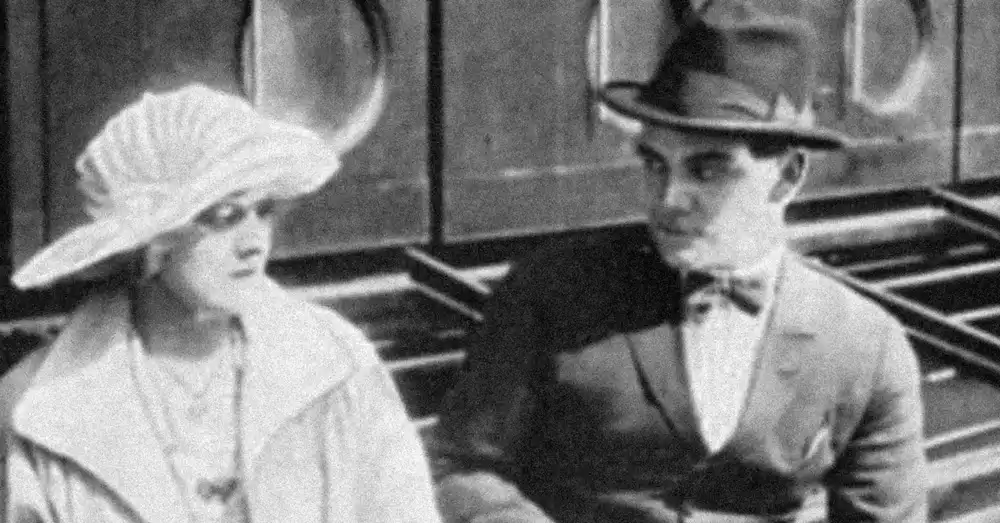
If you are looking for the psychological depth of The Cabinet of Dr. Caligari or the architectural grandeur of Metropolis, you are looking in the wrong place. Bezwinger der 1000 Gefahren (Conqueror of 1000 Dangers) is not interested in the soul; it is interested in the adrenal gland. It is a film for people who want to see how far a man can push his luck on a 1920s film set without actually dying. It is essential viewing for anyone interested in the evolution of the action genre, but casual viewers might find the thinness of the narrative frustrating if they aren't prepared for the 'Sensationsfilm' format.
The entire film rests on the shoulders of Harry Piel. In 1920, Piel was the undisputed king of German adventure cinema, often referred to as the 'Dynamite Director' because of his penchant for blowing things up and performing his own stunts. In Bezwinger der 1000 Gefahren, his performance is less about internal monologue and more about a specific kind of physical charisma. Watch the way he moves in the wide shots—there is a lightness to his step even when he is navigating rubble or scaling a wall. He doesn't just run; he glides with a confidence that tells the audience exactly who is going to win, regardless of how many 'dangers' the title promises.
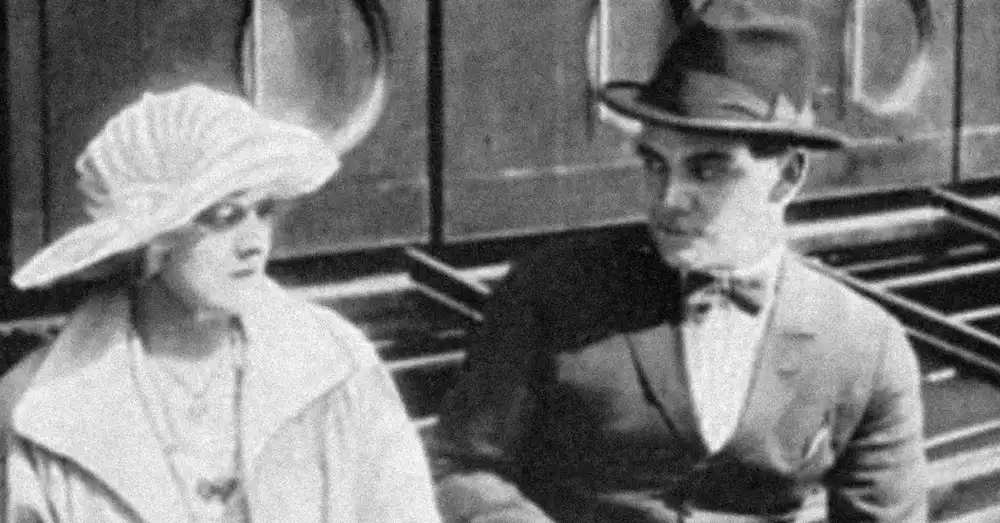
There is a specific moment during a rooftop sequence where Piel pauses to adjust his hat after a particularly close call. It’s a small, human gesture that cuts through the melodrama of the era. It’s not 'acting' in the traditional sense, but it is pure movie stardom. Compared to the more theatrical performances in something like Titanenkampf, Piel feels remarkably modern. He isn't mugging for the camera; he’s too busy trying to look cool while jumping off things.
The film’s greatest strength is its refusal to linger. Director Lothar Knud Frederik understands that the audience is here for the 'sensations.' The editing rhythm is surprisingly brisk for a film of this vintage. Where other silent films might indulge in long, static shots of characters reading letters or weeping, Bezwinger der 1000 Gefahren keeps the camera moving. The interior scenes, while occasionally stiff, are quickly discarded in favor of exterior locations that allow for more movement.
However, the middle act does suffer from a bit of repetition. There are only so many times you can see a character narrowly escape a trap before the tension begins to dissipate. The film relies heavily on the 'cliffhanger' logic of the serials, and when watched in one sitting, the formula becomes visible. You start to anticipate the 'danger' before it arrives, which robs the climax of some of its impact. It lacks the sophisticated narrative layering found in Protéa, opting instead for a straightforward 'A to B' progression of stunts.
What is actually visible on screen is often terrifying when you consider the lack of safety equipment in 1920. There is a sequence involving a collapsing structure that looks dangerously un-choreographed. You can see the dust and debris hitting the actors, and the flinch reactions are genuine. The lighting is functional rather than expressive—don't expect the moody shadows of Expressionism here—but it serves the purpose of keeping the action clear and legible.
One detail that only becomes apparent upon a close watch is the use of depth in the frame. Frederik often places a secondary piece of action in the background—a pursuing car or a gathering crowd—to keep the energy high even during dialogue-heavy moments. It prevents the film from feeling like a filmed stage play. The costumes are standard-issue adventurer fare, but they are practical; you can see the wear and tear on Piel’s jacket by the final reel, a nice touch of continuity that often went ignored in low-budget adventure films of the time.
The writing by Lothar Knud Frederik is, to put it bluntly, a clothesline. It exists only to hang the stunts on. The motivations of the supporting cast, including Maria Asti and Kurt Mathé, are paper-thin. They are archetypes: the damsel, the villain, the henchman. At times, the dialogue intertitles feel like they were written in a hurry, providing just enough information to get us to the next explosion. If you are someone who needs a cohesive, emotionally resonant plot to stay engaged, you will likely find your mind wandering during the exposition scenes.
Bezwinger der 1000 Gefahren is a fascinating piece of pop-culture history. It represents a time when cinema was still figuring out how to be 'big.' It isn't 'art' in the way we usually discuss silent masterpieces, but it is incredibly effective entertainment. It’s for the viewer who appreciates the craft of the stuntman and the raw energy of early commercial filmmaking. It’s a loud, brash, and somewhat repetitive ride, but Harry Piel’s screen presence makes it worth the trip. If you’ve enjoyed other early action-oriented films like La secta de los misteriosos, this will be right up your alley. Just don't expect it to make much sense if you think about it for more than five minutes after the credits roll.

IMDb 4.9
1927
Community
Log in to comment.