DbcultAccessing Vault...
Cult Review
Senior Film Conservator
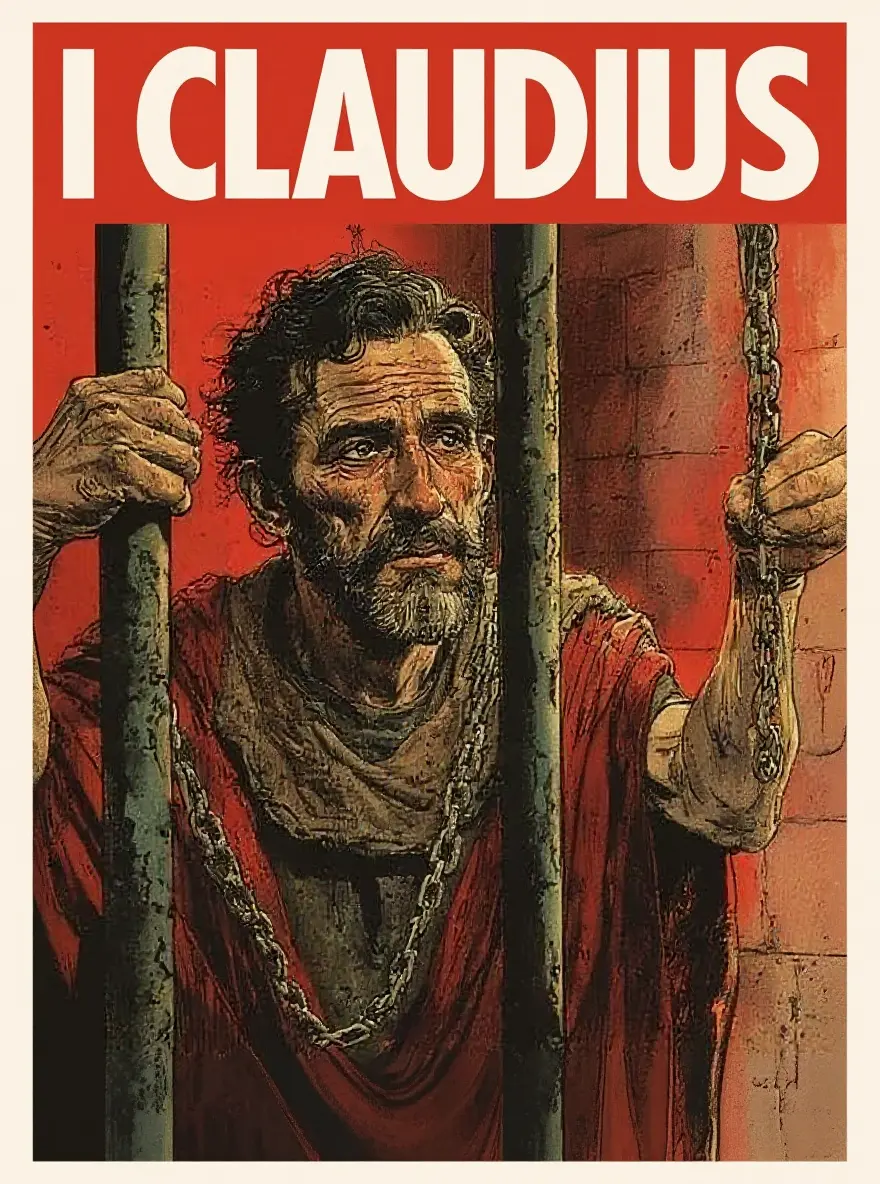
Is Frank Claudius worth your time? Short answer: No, unless you are a cinema historian or a glutton for the unintentionally surreal. It is a film for those who find beauty in structural collapse and family-run productions that ignore the rules of narrative gravity. It is absolutely not for anyone seeking a coherent legal thriller or a protagonist with a relatable moral compass.
1) This film works because the sheer volume of the Sellars family on screen—from Ena to Pinoccio—creates a bizarre, cult-like atmosphere that is unintentionally hypnotic.
2) This film fails because its protagonist, Frank, has no discernible motivation for his lies other than being a 'naughty boy,' leaving the audience with no emotional anchor or sense of stakes.
3) You should watch it if you enjoyed the domestic friction of The Stubbornness of Geraldine but wish it had 90% more perjury and a far more confusing family tree.
Frank Claudius is a film that exists in a vacuum of its own making. Directed with a static, almost voyeuristic eye, the movie centers entirely on Frank’s refusal to cooperate with the court. In one particularly grating scene, Frank is asked to confirm his own name, to which he responds with a five-minute monologue about the fluidity of identity that would make a postmodern philosopher blush. It is not clever; it is annoying. But in that annoyance, there is a strange sort of truth about the character.
The film lacks the dramatic tension found in Vengeance. Where that film used the legal system as a crucible for character growth, Frank Claudius uses it as a playground. Frank is described in the plot as a 'naughty boy,' and the film leans into this juvenile description with alarming literalism. He sticks his tongue out at the prosecution. He doodles on legal documents. He is a man-child in a suit, and the film never decides if we should laugh at him or pity him.
The pacing is, to put it mildly, glacial. We spend forty minutes of the runtime watching the judge, played with a weary resignation by Peter Sellars, try to get Frank to sit down. There is no subtext here. There is only the text: a man being difficult for the sake of being difficult. It is a bold choice for a writer like Pinoccio Sellars, but it is one that tests the patience of even the most dedicated cinephile.
One cannot discuss Frank Claudius without addressing the elephant in the room: the cast list. With over a dozen members of the Sellars family involved, the film feels less like a professional production and more like a captured family reunion. Ena Sellars brings a certain gravitas to her role as the matriarch in the gallery, but her performance is constantly undercut by the amateurish mugging of the younger Sellars clan in the background.
Compare this to the ensemble work in A Son of Erin. In that film, the supporting cast served the narrative. Here, the narrative serves the cast. Every time a new Sellars enters the frame—be it Huberto, Prudence, or the oddly named Pinoccio Sellars—the camera lingers as if inviting the audience to applaud. It creates a meta-textual distraction that pulls the viewer out of the courtroom and into a game of 'spot the relative.'

The cinematography by an uncredited hand is functional at best. The courtroom is lit with a flat, unforgiving light that highlights the cheapness of the sets. When the camera finally breaks away from the witness stand to show the crowded gallery, the composition becomes cluttered and messy. It lacks the visual intent of The Eye of Envy, which used shadow to much greater effect.
Frank Claudius is a film that most viewers should avoid. If you are looking for a story with a beginning, middle, and end, you will be disappointed. However, it is worth watching if you are interested in the history of independent, family-led cinema from the early 20th century. It is a fascinating disaster that reveals more about its creators than its characters.
The core issue with the film is the 'naughty boy' trope. In Le mauvais garçon, the protagonist's rebellion has a romantic or social edge. Frank, however, is just a nuisance. There is a scene midway through where Frank lies about a missing inheritance, only to admit two minutes later that he made it up because he was bored. This isn't high drama; it's a waste of the audience's time.
The dialogue is equally frustrating. Pinoccio Sellars' script is repetitive, with characters often echoing Frank’s lies back to him in a state of confusion. It feels like a rough draft that was never polished. Yet, there is a brutal simplicity to it. It doesn't pretend to be anything other than a showcase for Frank's ego. It works. But it’s flawed. Deeply, deeply flawed.
One surprising observation is the film's total lack of a romantic subplot. In an era where every drama felt the need to shoehorn in a love interest, Frank Claudius remains purely focused on the conflict between the individual and the state. It is a cold, sterile film. This lack of warmth makes Frank even more unlikable, but I respect the film's commitment to its own unpleasantness.
The pacing issues are exacerbated by the editing. There are jump cuts that seem accidental, and scenes often end abruptly just as a point is being made. It lacks the polish of Der müde Theodor, which managed its comedic timing with much more grace. In Frank Claudius, the 'humor'—if you can call it that—is buried under layers of awkward silence.
The sound design, or what remains of it in surviving prints, is harsh. The shouting matches in the courtroom are often distorted, making it difficult to follow the already thin plot. However, the performance of Michael Sellars as the bailiff provides a much-needed grounded presence. He is the only person in the film who seems to realize how ridiculous the situation is.
Pros:
Cons:
Frank Claudius is a cinematic curiosity that fails as a narrative but succeeds as a bizarre artifact of family-driven filmmaking. It is a chore to sit through, but its refusal to play by the rules of 1920s cinema gives it a strange, jagged edge. Frank is a character you will love to hate, not because he is evil, but because he is so relentlessly, pointlessly annoying. If you want to see a film that feels like a private family joke that no one explained to the audience, this is it. For everyone else, stick to Pals First or The Teaser for your fix of early 20th-century drama. Frank Claudius is a 'naughty boy' who deserves to stay in the corner of film history.
IMDb 5.7
1916
Community
Log in to comment.