DbcultAccessing Vault...
5.6/10
Senior Film Conservator
A definitive 5.6/10 rating for a film that redefined the boundaries of cult cinema. Big Boy remains a cornerstone of transgressive art.
"Big Boy," from 1930, is definitely one for the history buffs. Or, if you're a serious Al Jolson fan, you'll probably want to see him do his thing. For most other folks, though, it's a bit of a tough sit. You really gotta be in the mood for an early talkie, complete with all its quirks and, well, issues.
The premise is pretty simple. Al Jolson plays Gus, a stable hand. He's got this big dream: riding his boss's horse, Big Boy, to win the Kentucky Derby. It's a classic underdog story, really, built around Jolson's star power at the time.
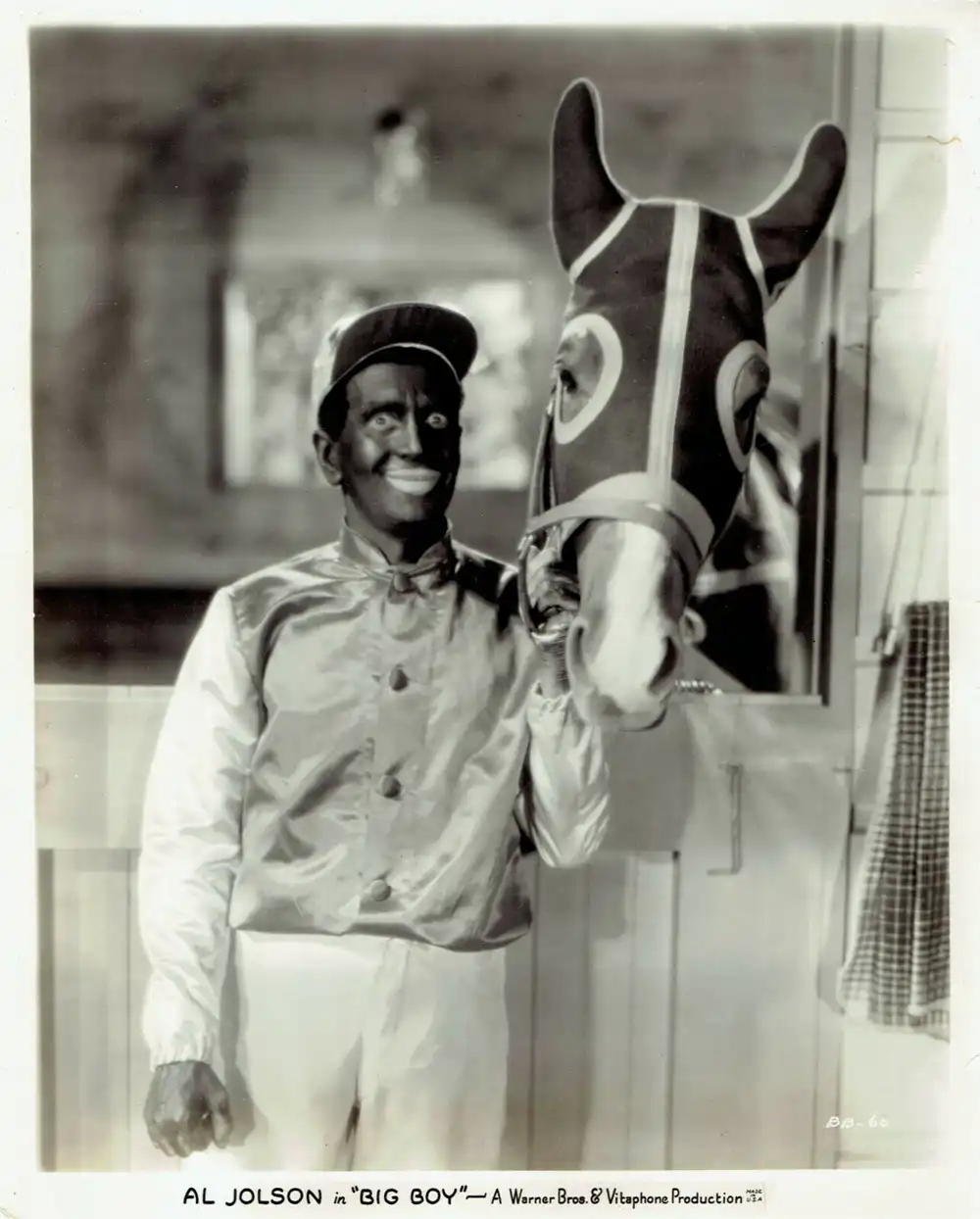
Right off the bat, we have to talk about Jolson. He's in blackface here. It's a stark reminder of what was common, even celebrated, in entertainment back then. Watching it now, it's pretty jarring. You can't just ignore it. It just is part of the film's history. And it definitely colors everything you see.
Jolson, though, he's got this undeniable energy. Even through the problematic lens, you see why he was such a huge star. When he sings, he just goes for it. There are a few numbers, you know, where he's just belting it out with everything he's got. They feel more like a stage show than a movie performance. The camera just kind of sits there, letting him do his thing. No fancy angles or cuts, really.
One song especially, "Lindy," it's all about remembering his childhood. It's supposed to be really touching. But with the makeup, it just makes you think about other things. It feels... complicated, to say the least. The raw emotion Jolson tries to put across is there, but it's draped in something that's really uncomfortable today. It’s hard to separate the performer from the presentation.
The actual horse racing stuff? It's okay. The film builds up to the big Derby race, naturally. You see Gus training Big Boy, which is a nice, wholesome kind of montage for 1930. The horse himself is pretty handsome, I guess. He looks the part of a champion, with his sleek coat and everything.
But the race itself, it’s not exactly edge-of-your-seat stuff. Early film tech meant they couldn't do super dynamic action scenes. So, it's a lot of quick cuts, maybe some stock footage, and then reaction shots from the crowd and the main characters. You can almost feel the movie trying to convince you this moment matters more than the visuals actually show. The excitement is mostly told rather than shown.
The supporting cast does their best. Louise Closser Hale is in there, playing the boss's wife, Mrs. Corbin. She’s got that stern, but ultimately kind, rich lady vibe down perfectly. Bill Elliott plays her son, Jack. He's the one who initially doesn't believe in Gus or Big Boy, providing that expected bit of skepticism. Predictable, but it works for the story they're telling. Hannah Washington also pops up as a maid, and her interactions with Gus are often played for laughs, in a way that’s... well, it’s from 1930.
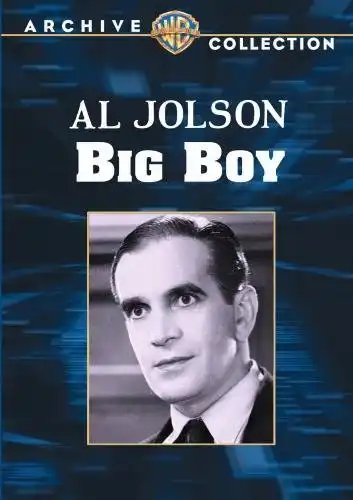
There's a scene where Gus is just sitting by the stable, talking to Big Boy. It's a surprisingly quiet moment. He's telling the horse his dreams, almost like the horse is his best friend and confidante. That felt genuinely sweet. You could almost forget the rest of the film's baggage for a second, just seeing this simple bond.
The pacing is a bit slow. This is very much a stage play translated to film. Lots of talking heads, long takes of people just... talking. The sound quality isn't always great, either. Sometimes the dialogue feels a bit muffled, especially when someone turns away from the microphone. You really have to lean in, or turn on captions if you're watching it streaming.
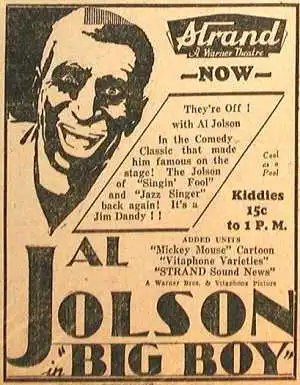
It's one of those films where you watch it and think, "Man, movies have changed a lot." The way they tell a story, the way they use the camera, even just how they handle sound. It’s all so different now. This movie is a time capsule, for better or worse. It shows a moment when film was still figuring out its own language, after sound came in.
Does it hold up? Not really, for casual viewing. As a piece of film history, though, it's interesting. Especially for understanding Al Jolson's place in early sound cinema and the cultural context of the time. And to
IMDb 6.2
1936
Community
Log in to comment.