DbcultAccessing Vault...
6.3/10
Senior Film Conservator
A definitive 6.3/10 rating for a film that redefined the boundaries of cult cinema. Oil's Well remains a cornerstone of transgressive art.
When the silver screen drifts into the dusty plains of an imagined country called Chilitina, the result is a cinematic tableau that feels both timeless and startlingly contemporary. Oil's Well—directed with a measured hand and penned by an anonymous scribe—offers a kaleidoscopic view of ambition, affection, and the raw, unrefined power of black gold. The film’s premise, deceptively simple, blossoms into a sprawling drama that invites comparison with classics like The Eternal Grind and the gritty suspense of Number 17. Yet, it retains a singular voice that refuses to be subsumed by its influences.
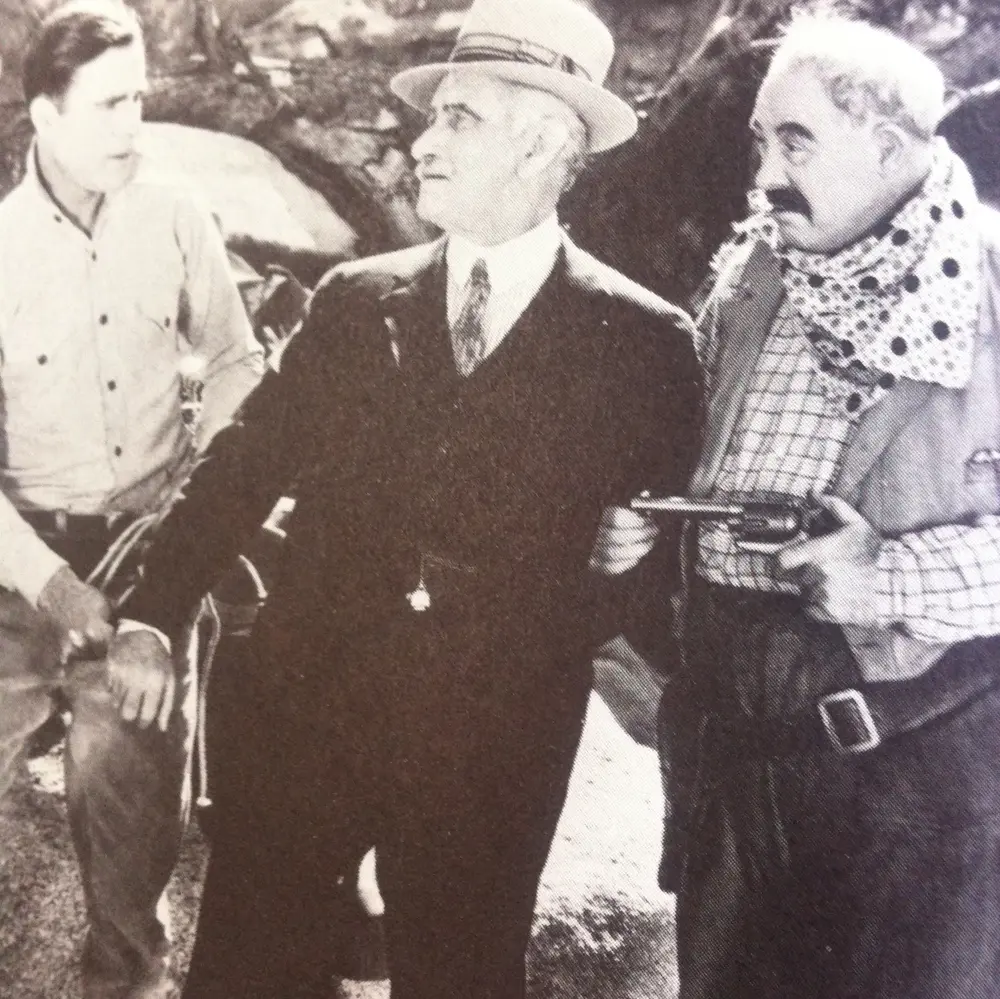
The inciting incident—a serendipitous oil gusher—acts as the narrative’s beating heart. Mark Hamilton, cast as the ruthless manager of the American oil conglomerate, exudes a cold charisma that recalls the merciless elegance of early twentieth‑century antagonists. His performance is punctuated by a sardonic smile, a flash of the dark orange #C2410C in his eyes when he manipulates the well’s cap, and a voice that drips with calculated menace. Hamilton’s presence anchors the film’s exploration of corporate avarice, echoing the predatory instincts of characters in Daredevil Jack while carving out a fresh niche.
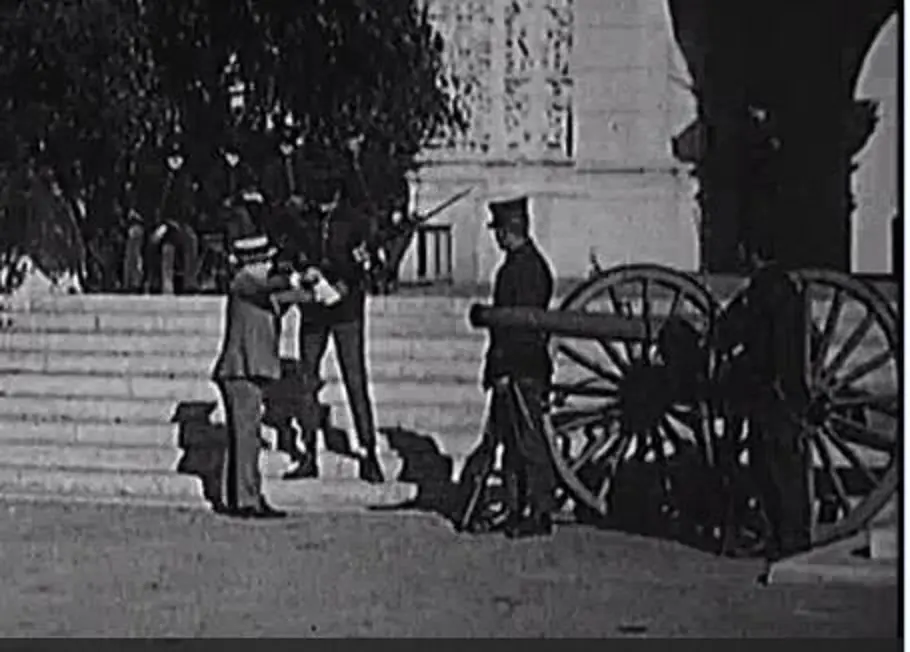
Opposite him, Monty Banks delivers a surprisingly nuanced portrayal of the eponymous office boy. Banks infuses Monty with a shy earnestness that belies his eventual heroism. In scenes where Monty confronts the Chilitinan soldiers—clad in drab uniforms that contrast sharply with the sea‑blue #0E7490 of the sky—his vulnerability transforms into a quiet ferocity. The camera lingers on his clenched fists, the tremor in his voice, and the way his eyes flicker with a determination that feels both personal and emblematic of the underdog archetype prevalent in silent-era comedies such as High and Dizzy.
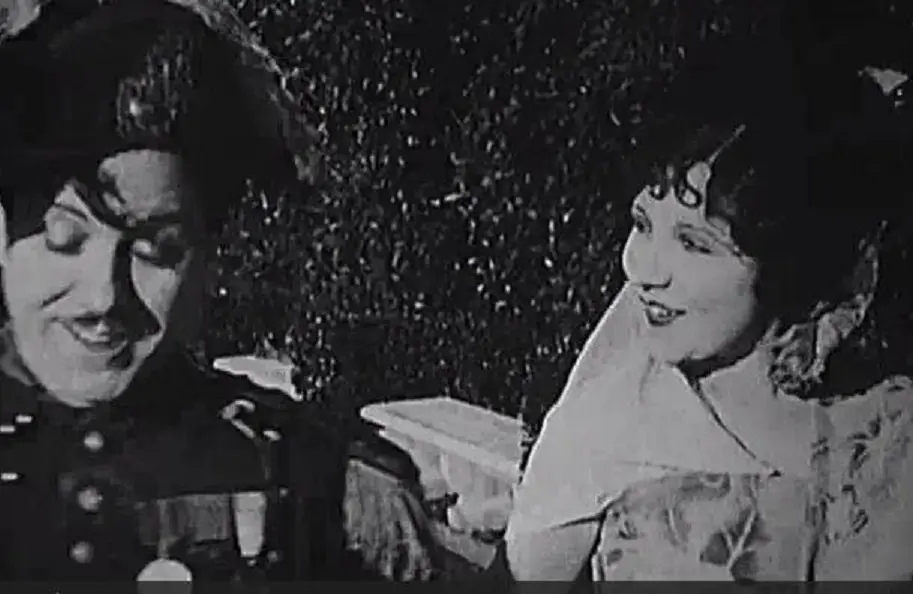
Ena Gregory, portraying the owner’s daughter, radiates a luminous beauty that is more than skin‑deep. Her performance navigates the delicate balance between a woman constrained by patriarchal expectations and a fierce individual yearning for autonomy. The film’s use of colour—particularly the recurring motif of the bright yellow #EAB308 in her wardrobe—symbolises her inner light, a beacon that persists even as the narrative darkens around her. Gregory’s chemistry with Banks is palpable; their stolen glances across the bustling oil fields echo the tender tension found in Miss Petticoats, yet the stakes here are amplified by geopolitical intrigue.
Jeffrey Osborne, as the beleaguered oil owner, embodies the tragic everyman, a figure whose fortunes are capriciously reshaped by forces beyond his control. Osborne’s nuanced sighs and the subtle slump of his shoulders convey a man whose dignity is eroded by the manager’s machinations. The film’s narrative structure cleverly interweaves his financial desperation with the manager’s predatory bargain—marriage in exchange for debt relief—creating a moral dilemma that resonates with contemporary discussions about corporate exploitation.
Robert Gray rounds out the ensemble as the stoic yet conflicted local militia commander. Gray’s performance is a study in restraint; his measured cadence and the occasional flash of sea‑blue in his uniform hint at a deeper internal conflict between duty and conscience. This internal tug‑of‑war mirrors the thematic undercurrents of Whispers, where silence and complicity are as potent as overt violence.
Cinematographically, the film is a visual feast. The director employs stark chiaroscuro lighting to accentuate the blackness of the oil‑smeared terrain against the luminous sky, a technique reminiscent of German Expressionism. The use of the dark orange #C2410C for the oil’s flame creates a visceral, almost tactile sensation of heat and danger. Meanwhile, the occasional sweep of sea‑blue horizons provides a calming counterpoint, suggesting the possibility of redemption beyond the immediate turmoil.
The screenplay, while occasionally meandering, excels in its dialogue. The manager’s proposals—delivered in a silky, persuasive tone—are laced with double‑edged metaphors about “drilling deep” and “striking rich veins,” which serve as both literal and figurative commentary on exploitation. Monty’s retorts, peppered with humble humor, remind the audience of his working‑class roots and underscore the film’s class commentary.
The film’s pacing is deliberate, allowing the audience to savor each character’s arc. The climactic showdown in the oil field, where the cap is finally removed amidst a cacophony of clanking metal and roaring fire, is staged with a kinetic energy that rivals the most thrilling set‑pieces of early adventure cinema. The moment is underscored by a swelling orchestral score that weaves the dark orange motif throughout, reinforcing the thematic weight of greed’s inevitable exposure.
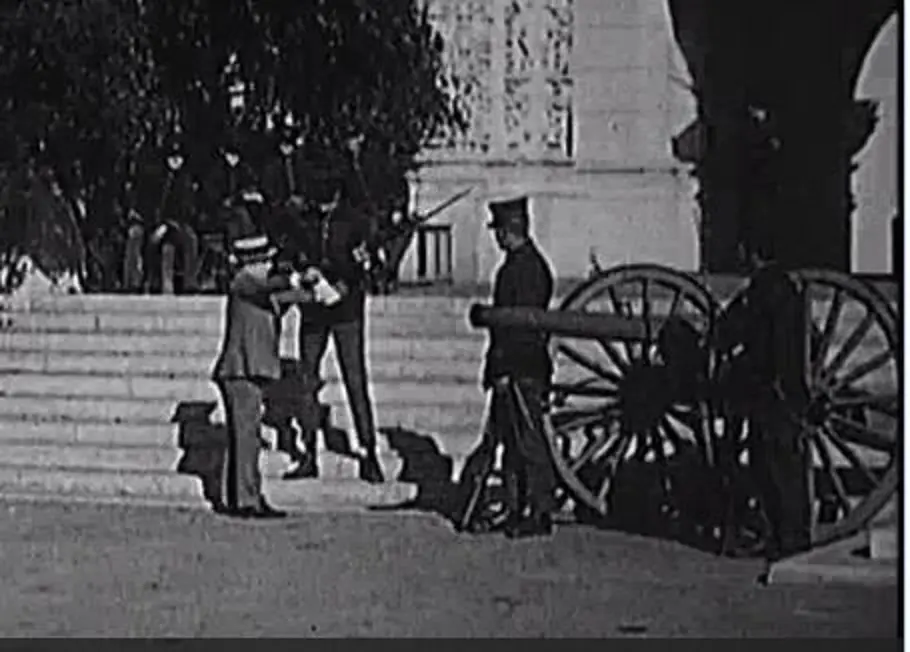
Beyond its immediate narrative, Oil's Well functions as a socio‑political allegory. The depiction of Chilitina’s soldiers—uniformed in drab, utilitarian garb—evokes the oppressive apparatus of colonial regimes. Their interactions with Monty, who is both outsider and underdog, highlight the fraught dynamics of power, resistance, and cultural misunderstanding. This layer of critique aligns the film with the subversive tones of The Very Idea, where satire is wielded as a weapon against systemic injustice.
The supporting cast, though limited in screen time, enriches the tapestry of the narrative. A brief cameo by a local Chilitinan merchant, played by a yet‑unnamed actor, offers a moment of levity—his exaggerated bartering gestures reminiscent of the slapstick timing found in It's a Boy. Such interludes prevent the film from becoming overly dour, providing a rhythmic ebb and flow that mirrors the rise and fall of oil prices.
In terms of thematic resonance, the film interrogates the notion of ownership—both of natural resources and of personal destiny. The manager’s attempt to “own” the daughter through financial leverage is a stark reminder of how patriarchy commodifies women, a theme explored with more nuance in Lisa Fleuron. Conversely, Monty’s eventual triumph—both in love and in securing the oil well for the rightful owner—serves as a cathartic affirmation of integrity over avarice.
The sound design deserves special mention. The low rumble of the oil well, amplified during moments of tension, becomes a character in its own right—its growl echoing the simmering discontent of the oppressed. The occasional clink of glassware during the manager’s opulent feasts juxtaposes the starkness of the oil‑soaked earth, reinforcing the class divide that underpins the plot.
When placed alongside other works of its era, Oil's Well stands out for its willingness to blend romance, thriller, and social commentary without sacrificing narrative coherence. Its intertextual nods to films like Streak of Yellow—particularly in the use of colour symbolism—demonstrate a sophisticated understanding of cinematic language.
The film’s conclusion, wherein the well finally erupts and the manager’s schemes collapse under the weight of his own hubris, is both satisfying and thematically resonant. The final shot—Monty and the daughter standing hand‑in‑hand against a backdrop of the sun setting in a blaze of dark orange and sea‑blue—encapsulates the film’s core message: love and honesty can illuminate even the darkest of oil‑blackened horizons.
In summation, Oil's Well is a richly textured piece of cinema that rewards attentive viewing. Its performances are compelling, its visual palette striking, and its narrative ambition commendable. Whether you are a fan of period dramas, a connoisseur of socio‑political allegories, or simply someone who appreciates a well‑crafted love story set against the backdrop of industrial exploitation, this film offers a multifaceted experience that lingers long after the credits roll.
For further exploration of similar thematic terrains, consider delving into The Midnight Man for its noirish take on power dynamics, or Pardon My Glove for a lighter, yet thematically adjacent, perspective on personal agency.
IMDb —
1928
Community
Log in to comment.