DbcultAccessing Vault...
8.5/10
Senior Film Conservator
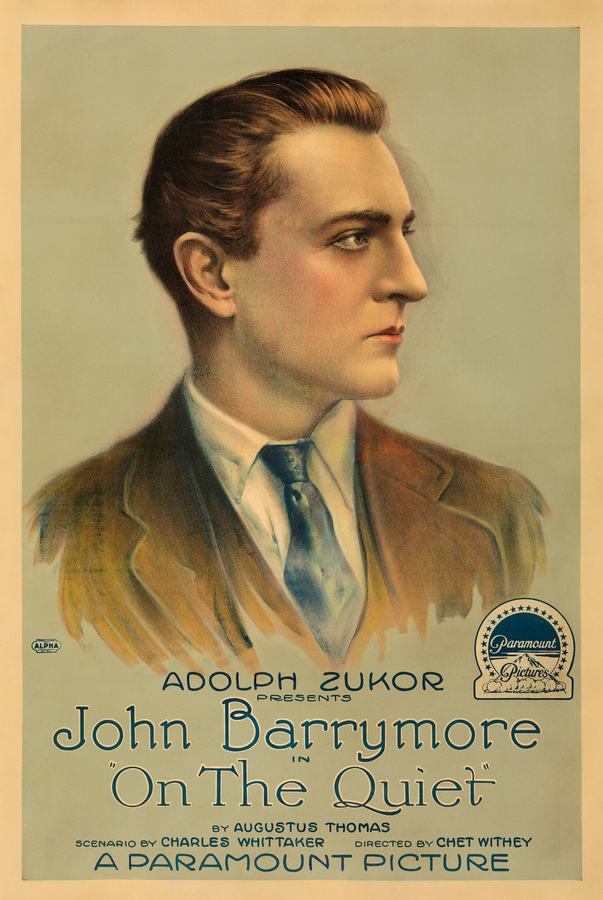
A definitive 8.5/10 rating for a film that redefined the boundaries of cult cinema. On the Quiet remains a cornerstone of transgressive art.
Stepping back into the nascent years of cinema, one encounters a fascinating tapestry of storytelling, often raw, yet undeniably potent. Among these early gems, On the Quiet stands out, not merely as a historical artifact, but as a compelling narrative that resonates with timeless themes of forbidden love, societal pressure, and the desperate yearning for autonomy. Released at a time when film was rapidly evolving beyond mere novelty, this picture, penned by Augustus Thomas and Charles E. Whittaker, delves into the profound emotional complexities of a couple daring to defy the rigid expectations of their era.
The premise is deceptively simple: a young couple, bound by an unshakeable affection, finds their union vehemently opposed by the woman's family. This is not merely a polite disagreement; it's an outright rejection, steeped perhaps in class distinctions, social aspirations, or perhaps just sheer familial obstinacy. In a world where such patriarchal decrees often held sway, their decision to secretly marry is an act of profound rebellion, a declaration of love that eclipses all external pressures. This secret ceremony, however, is not an end to their trials but merely the dramatic genesis of their true ordeal. The ensuing flight, a desperate attempt to evade the wrath and influence of the disapproving family, plunges them into a clandestine existence, a life lived on the fringes, perpetually looking over their shoulders. It's a testament to the script's underlying tension and the actors' ability to convey this predicament without the benefit of spoken dialogue.
The performances, crucial in the silent era, carry the weight of the narrative. Cyril Chadwick, as the male lead, embodies a steadfast determination, his expressions conveying both tenderness for his beloved and a resolve to protect her. Dell Boone, portraying the young woman, brings a delicate vulnerability to her role, yet beneath it, one senses an unyielding strength, a quiet defiance that fuels their illicit union. Their chemistry, though constrained by the acting conventions of the period, is palpable, lending credibility to their desperate actions. The supporting cast, notably Alfred Hickman and Frank Losee, likely as the formidable figures of familial opposition, project an air of stern authority, their presence a constant threat that propels the couple's flight. The legendary John Barrymore, even in what might have been a smaller role, would undoubtedly have brought his characteristic intensity and nuanced expressiveness to the screen, adding another layer of gravitas to the ensemble. Nan Christy, Frank Belcher, Jack W. Johnston, Lois Meredith, Frank Hilton, Dan Mason, Otto Okuga, Louise Lee, and Helen Greene all contribute to the rich tapestry of characters, each playing their part in shaping the couple's arduous journey.
The narrative structure, a collaboration between Augustus Thomas and Charles E. Whittaker, is surprisingly sophisticated for its time. It builds tension not through bombastic action, but through the escalating psychological pressure on the protagonists. The 'quiet' of the title isn't just about the clandestine nature of their marriage; it speaks to the hushed, anxious existence they are forced to adopt, the constant fear of being unmasked. The screenplay understands that the greatest drama often unfolds in the spaces between words, in the stolen glances, the furtive movements, and the silent prayers for escape. This approach allows the audience to project their own anxieties and hopes onto the screen, creating a deeply immersive experience. One might draw a thematic parallel here to films like The Warning, where a pervasive sense of impending doom drives the plot, or even According to Law, which explores the often-unyielding nature of societal rules and their consequences.
Visually, the film, like many of its contemporaries, would have relied on strong mise-en-scène and intertitles to convey information and emotion. The choice of locations, whether opulent family homes or the more anonymous settings of their hiding, would have been crucial in establishing the stark contrast between their past lives and their precarious present. One can imagine the subtle use of light and shadow to emphasize their hidden status, perhaps stark contrasts when they are exposed and softer, more intimate lighting when they are in their moments of solace. The visual storytelling, characteristic of the era, requires a keen eye from the viewer, an active engagement with the expressive gestures and carefully composed frames that substitute for dialogue. This form of cinematic communication, while demanding, often yields a more profound connection to the characters' inner worlds, forcing the audience to interpret and empathize on a deeper level.
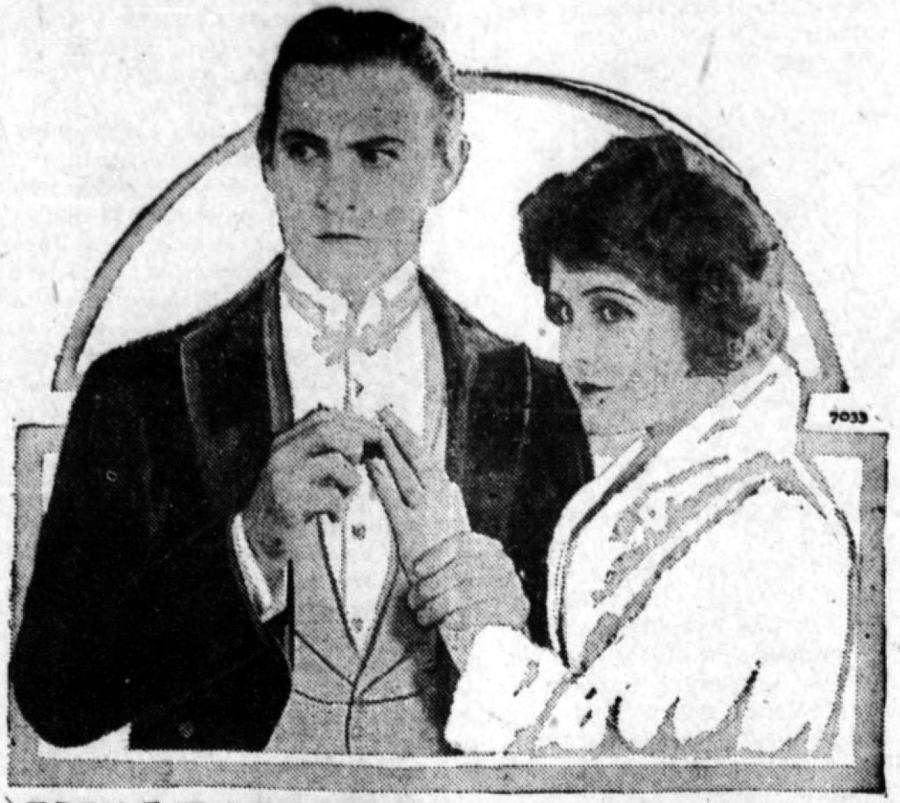
The film's exploration of forbidden love and societal resistance is a thread that runs through cinematic history. It evokes echoes of tragic romances like Camille, where societal conventions and class divisions often spell doom for passionate unions, or even the historical gravitas of Rainha Depois de Morta Inês de Castro, where royal decrees could not extinguish a powerful love. On the Quiet, however, places its focus firmly on the immediate consequences of defiance, the raw, lived experience of being an outcast for love's sake. It's a narrative that speaks to the universal human desire for connection and self-determination, even in the face of overwhelming opposition. The desperation of their flight, the constant threat of discovery, and the emotional toll of their secret existence are meticulously rendered, painting a vivid picture of a love truly tested by fire.
The enduring appeal of such stories lies in their ability to tap into fundamental human anxieties and aspirations. Who among us hasn't yearned for a love that transcends all obstacles? Who hasn't felt the weight of external judgment or the desire to forge their own path? On the Quiet, despite its vintage, speaks to these timeless sentiments with an earnestness that is disarming. It reminds us that long before intricate special effects and complex soundscapes, cinema had the power to move, to provoke thought, and to capture the intricate dance of human emotion. The film serves as a valuable historical document, showcasing the capabilities of early filmmakers to craft compelling narratives with limited technical means, relying instead on strong performances, clear storytelling, and relatable themes.
The journey of Cyril Chadwick and Dell Boone's characters is not merely a physical one, but an emotional gauntlet. They are forced to confront not only external threats but also the internal struggles that come with living a lie, with constantly being on guard. The silent film format, rather than being a hindrance, often amplifies these internal conflicts. The absence of dialogue forces the audience to pay closer attention to facial expressions, body language, and the subtle interplay between characters. This intense focus on non-verbal communication allows for a more intimate, almost voyeuristic, experience, drawing the viewer deeper into the characters' plight. The writers, Thomas and Whittaker, understood this inherent strength of the medium, crafting a story that thrives on unspoken tension and visual cues.
Considering the era, the film's production values would have been cutting edge. The ability to tell such a complex story, with a relatively large cast and multiple locations, was a significant undertaking. The directors and cinematographers of the time were pioneers, inventing the grammar of film as they went along. Each shot, each transition, each intertitle was a carefully considered choice designed to advance the plot and deepen the emotional impact. The effectiveness of On the Quiet lies in its ability to transcend its technical limitations and deliver a narrative that is both engaging and emotionally resonant, a testament to the foundational principles of good storytelling that remain relevant even today.
The legacy of such films is often underestimated. They are not merely quaint relics but crucial stepping stones in the evolution of cinema. They show us how filmmakers learned to harness the power of the moving image to tell stories that could captivate, entertain, and even challenge audiences. On the Quiet, with its tale of defiant love and desperate measures, offers a window into the social mores and anxieties of the early 20th century, while simultaneously presenting a universal human drama. It reminds us that the struggle for personal happiness against societal odds is a timeless theme, one that continues to resonate with audiences across generations. The film's contribution to the burgeoning art form is undeniable, demonstrating how a simple premise could be elevated into a compelling and memorable cinematic experience.
In conclusion, On the Quiet is more than just a historical curiosity. It's a finely crafted piece of early cinema that showcases the powerful interplay of performance, script, and visual storytelling. The unwavering commitment of the lead actors, the nuanced writing by Augustus Thomas and Charles E. Whittaker, and the underlying tension of their predicament combine to create a deeply affecting experience. For those interested in the roots of cinematic drama, or simply a poignant tale of love against all odds, this film offers a rich and rewarding viewing experience, a quiet testament to the enduring power of the human heart.
IMDb 6.4
1919
Community
Log in to comment.