DbcultAccessing Vault...
Cult Review
Senior Film Conservator
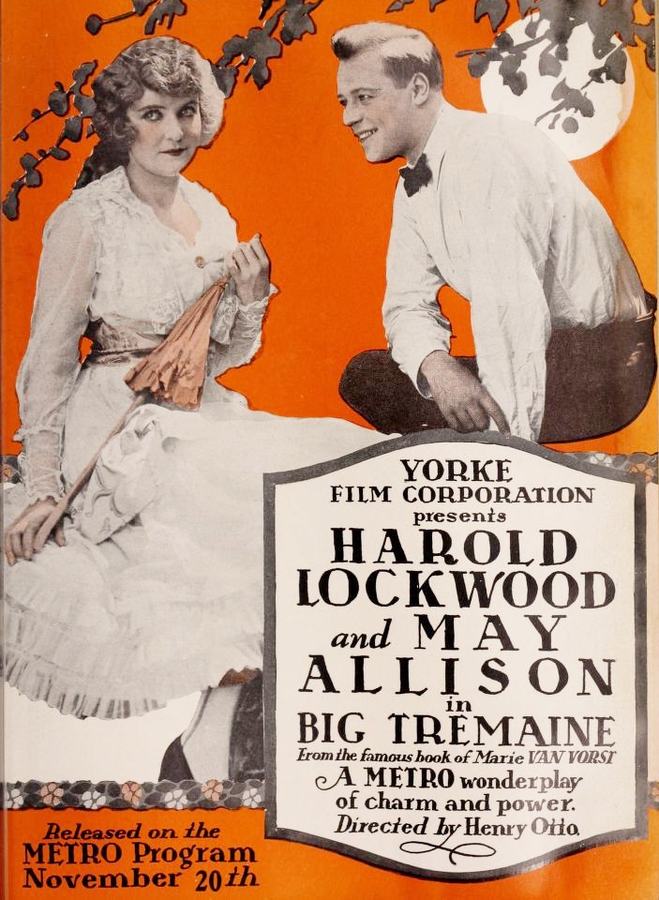
The silent era, often dismissed by modern audiences as a quaint precursor to sound, frequently delivered narratives of profound emotional complexity and moral ambiguity. Henry Otto's Big Tremaine stands as a compelling testament to this, a film that, despite its age, still pulsates with the raw energy of betrayal, sacrifice, and the arduous path to redemption. It's a story steeped in the grand traditions of Southern melodrama, where family honor is a weighty burden, and personal anguish can lead to catastrophic choices.
From its very inception, the film plunges us into an inescapable vortex of human frailty. We are introduced to John Tremaine, portrayed with a remarkable depth of silent-era intensity by Ben Alexander. John is a man seemingly poised on the precipice of a blissful future, his heart entwined with a woman whose affection he believes to be reciprocated. However, this idyllic vision shatters with brutal abruptness when he witnesses a scene that would forever scar his soul: his beloved locked in an intimate embrace with his own brother. This isn't merely a lovers' quarrel; it is a seismic rupture, a betrayal so profound it echoes through the very foundations of his being, twisting familial loyalty into a bitter mockery.

The film masterfully conveys the instantaneous, visceral impact of this discovery. John's world crumbles, not with a whimper, but with an internal scream that reverberates through Alexander's expressive performance. The shock is paralyzing, stripping him of his voice and his capacity for reasoned thought. In a moment of raw, unthinking desperation, driven by a need to escape the unbearable pain and perhaps to protect the family from further scandal, John makes a fateful decision. He deposits the family's considerable fortune, entrusted to him, into a bank, then flees the country. This act, born of emotional devastation, sets in motion a chain of events that will define his life for years to come. His departure is not just a physical act but a spiritual exile, a self-imposed purgatory from the scene of his deepest wound.
The passage of time, as depicted in the film, is heavy with the weight of unspoken suffering and unresolved conflict. When John finally returns, years later, the landscape of his past is a desolate tableau. The once-proud Tremaine plantation, a symbol of his heritage, now lies in ruins, a stark visual metaphor for the decay of his family's fortunes and honor. This dilapidated setting immediately establishes a sense of gothic melancholy, reminiscent of tales where the past casts a long, inescapable shadow over the present. The physical dilapidation mirrors the moral and emotional ruin John discovers, creating a palpable sense of loss even before the full extent of his troubles is revealed.

But the desolation of the plantation is merely the overture to a far more sinister symphony. John learns that his brother, the instigator of his personal agony, is dead. This revelation, rather than bringing closure, only deepens the mystery and compounds John's torment. The community, it turns out, has not forgotten John's abrupt departure. The very funds he meticulously deposited before his flight are now deemed stolen, and John himself is the prime suspect. He returns not as a prodigal son, but as an accused thief, his integrity impugned by those who once knew him. This shift from personal betrayal to public accusation elevates the stakes dramatically, transforming a private tragedy into a public trial.
The intricate plot, credited to Henry Otto and Marie Van Vorst, is a masterclass in silent-era storytelling, weaving together threads of romance, mystery, and social commentary. The writers skillfully build suspense, ensuring that each new revelation adds another layer of complexity to John's predicament. The narrative doesn't just present a series of events; it invites the audience to grapple with the moral quandaries and emotional turmoil inherent in John's quest to clear his name. Much like the complex familial dynamics explored in The Bottom of the Well, Big Tremaine delves into the corrosive power of secrets and the devastating ripple effects of a single act of betrayal across generations.
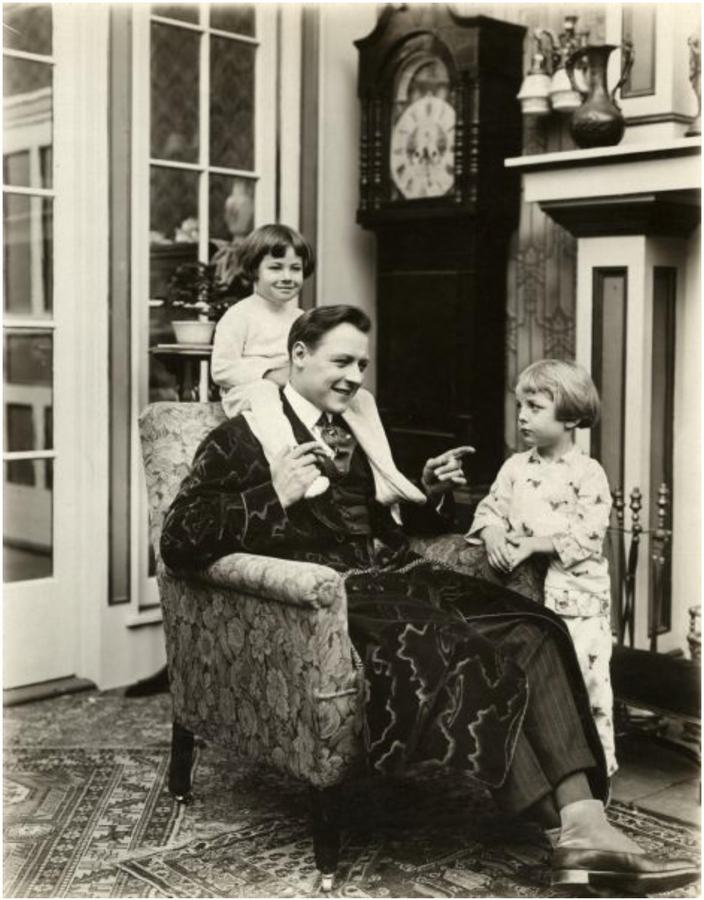
The performances are, naturally, central to the film's success. Ben Alexander, as John, carries the emotional weight of the film with remarkable gravitas. His eyes, in particular, convey a spectrum of emotions—from the initial shock and despair to a simmering resolve and quiet dignity. He embodies the archetype of the wronged hero, steadfast in his innocence despite the overwhelming evidence against him. His portrayal allows the audience to connect deeply with John's internal struggle, making his fight for justice intensely personal. May Allison, as the woman at the heart of the initial betrayal, navigates a difficult role, her expressions conveying a mix of guilt, regret, and perhaps a deeper, unarticulated motivation that adds layers to her character beyond simple villainy. Her presence, even when not overtly dramatic, serves as a constant reminder of John's original wound.
The supporting cast, including Albert Ellis, Lester Cuneo, William Ehfe, Josephine Rice, Frankie Lee, Lillian Hayward, Virginia Southern, Harold Lockwood, Andrew Arbuckle, and William De Vaull, collectively contribute to the rich tapestry of the film's world. Each actor, through subtle gestures and exaggerated expressions characteristic of the era, helps to build a believable community, some quick to judge, others hesitant, adding to the pressure John faces. Harold Lockwood, in particular, often brought a certain intensity to his roles, and his presence here, even if in a supporting capacity, likely added another layer of dramatic weight to the ensemble.
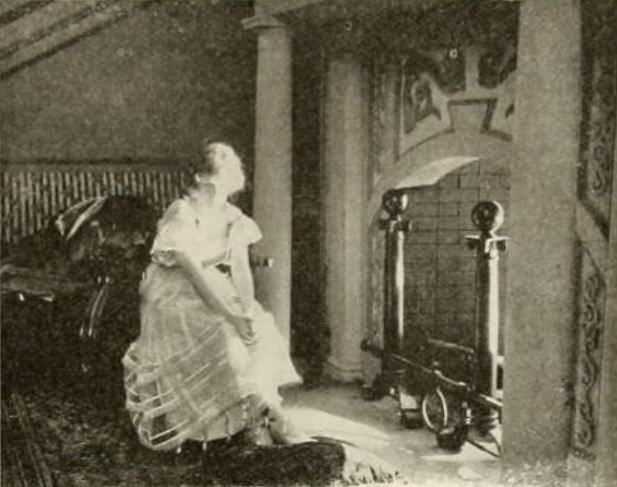
Henry Otto's direction is a masterclass in silent-era visual storytelling. He understands the power of framing, the significance of a lingering close-up, and the effectiveness of contrasting wide shots with intimate character moments. The camera is not merely a passive observer but an active participant, guiding the audience's emotional response. The pacing, crucial for silent films, is expertly handled, allowing dramatic tension to build gradually before crescendoing into moments of high emotional stakes. Otto ensures that the narrative never feels rushed, giving ample space for the audience to absorb the gravity of each situation.
The film grapples with profound themes that resonate far beyond its period setting. At its heart lies the exploration of betrayal, not just romantic, but familial, and the deep wounds it inflicts. This initial act of deception casts a long shadow, influencing every subsequent decision and interaction. Coupled with this is the enduring theme of justice versus injustice. John's struggle to clear his name is a classic narrative arc, but it's elevated by the personal stakes and the profound sense of being wronged. It forces a contemplation of how easily reputations can be shattered and how arduous the journey to reclaim one's honor can be.
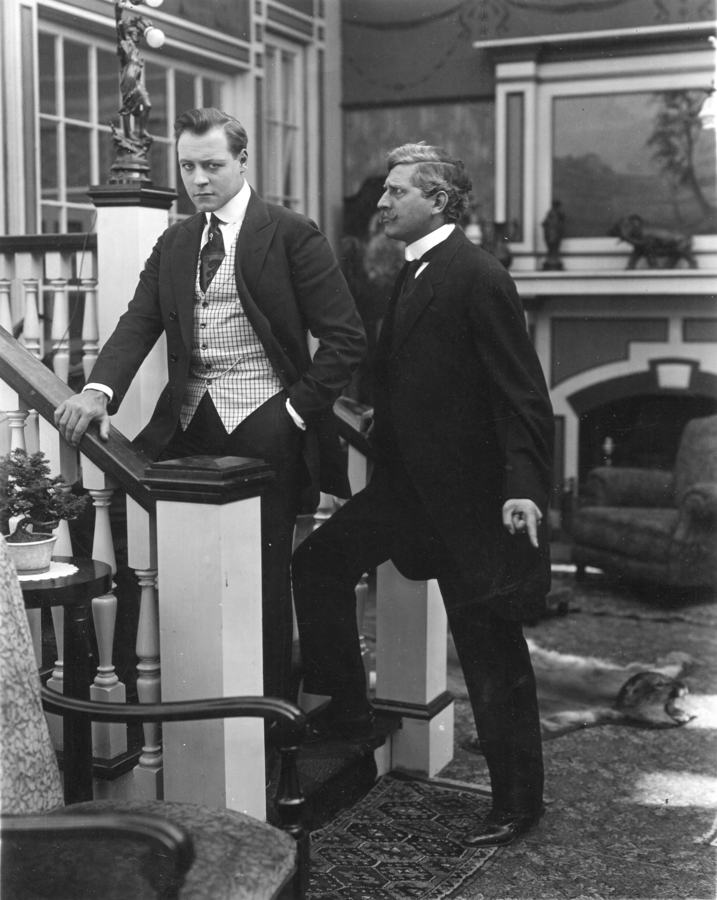
Moreover, Big Tremaine delves into the complex interplay between family honor and personal anguish. John's initial flight can be interpreted as an attempt to preserve what little honor remains, even at the cost of his own happiness and reputation. His return is a testament to the powerful, often conflicting, pull of duty and the need for personal vindication. This internal conflict, the battle between outward appearance and inner truth, is a powerful driving force of the narrative, echoing the moral dilemmas found in films like The Fifth Commandment, where characters are forced to make agonizing choices based on deeply ingrained principles.
The film also touches upon the notion of redemption. Is it possible for those who have caused pain to find it? Can John, through his perseverance, not only clear his name but also heal the deep emotional scars left by the past? The narrative doesn't offer easy answers, instead opting for a nuanced exploration of human fallibility and the enduring hope for restoration. The ruined plantation itself becomes a symbol of the past's inescapable grip, a constant reminder of what was lost and what must be rebuilt, both physically and metaphorically.
In an era devoid of spoken dialogue, visual cues, intertitles, and the actors' profound expressiveness were paramount. Big Tremaine excels in this regard. The careful composition of shots, the use of light and shadow to evoke mood, and the dramatic flair of the actors' movements all contribute to a rich cinematic experience. The intertitles, rather than merely explaining plot points, often serve as poetic commentaries, deepening the emotional impact and guiding the audience through the labyrinthine narrative. This kind of intense, often melodramatic, emotional storytelling, where every gesture and gaze is imbued with meaning, is also keenly felt in films like The Pretty Sister of Jose, which similarly relied on powerful visual and emotional cues to captivate its audience.
The film's exploration of Southern life, even if somewhat idealized or romanticized, offers a glimpse into a particular cultural landscape of the early 20th century. The emphasis on inherited wealth, social standing, and the sanctity of family name were powerful forces in such communities, and the film effectively uses these societal pressures to heighten the dramatic tension. The crumbling plantation isn't just a set piece; it's a character in itself, embodying the fading glory and hidden sorrows of the Tremaine legacy.
Ultimately, Big Tremaine is more than just a historical curiosity; it's a potent piece of dramatic filmmaking that holds up remarkably well. It reminds us that fundamental human emotions—love, jealousy, betrayal, hope, and the relentless pursuit of truth—are timeless. The film’s ability to evoke such strong feelings without a single spoken word is a testament to the artistry of its creators and the enduring power of silent cinema. It's a journey into the heart of a broken man, a ruined family, and a society grappling with its own moral compass. For anyone interested in the evolution of storytelling or simply a compelling drama, Big Tremaine offers a rich, resonant experience. It's a film that asks profound questions about honor, forgiveness, and the long, winding road to finding peace amidst the wreckage of the past, proving that a truly great story transcends the limitations of its medium.
IMDb 5.5
1923
Community
Log in to comment.