DbcultAccessing Vault...
5.9/10
Senior Film Conservator
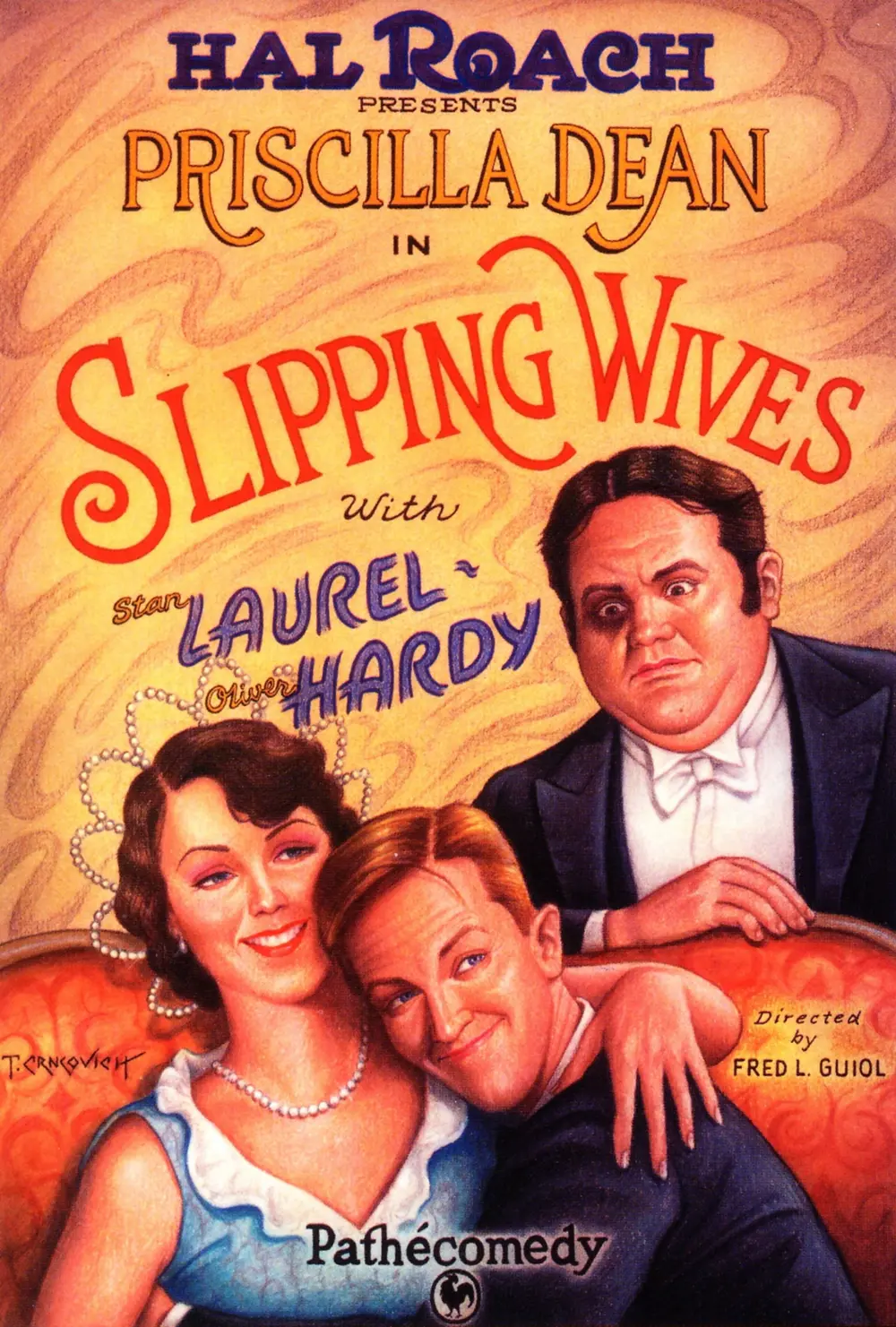
A definitive 5.9/10 rating for a film that redefined the boundaries of cult cinema. Slipping Wives remains a cornerstone of transgressive art.
Is Slipping Wives worth your time in the modern era? Short answer: Yes, but primarily as a fascinating archaeological site for comedy historians rather than a laugh-a-minute riot. If you are a devotee of silent cinema or a Stan Laurel completist, this is essential viewing. If you are looking for the polished, rhythmic perfection of the later Laurel and Hardy shorts, you might find this iteration a bit clunky and experimental.
This film is for the cinephile who enjoys deconstructing the evolution of comedic timing. It is not for the viewer who lacks patience for the slower, more theatrical pacing of the late 1920s silent era. It works. But it's flawed.
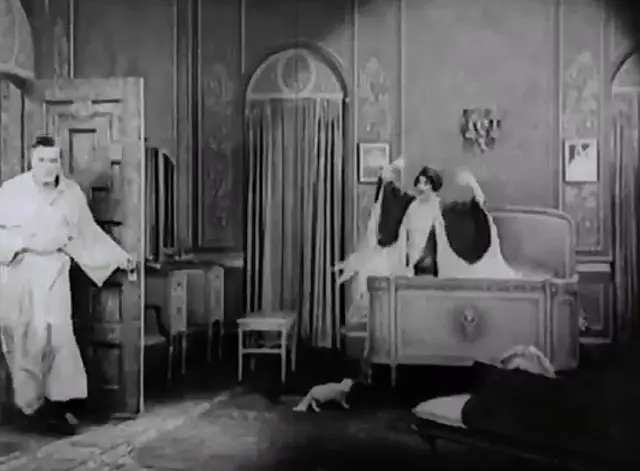
1) This film works because it leverages the inherent absurdity of class performance, allowing Stan Laurel to play a character who is fundamentally uncomfortable in his own skin, which is where his best comedy always lived.
2) This film fails because the central premise—a wife hiring a stranger to make her husband jealous—is stretched thin even for a short, leading to a middle act that feels like it’s running in place.
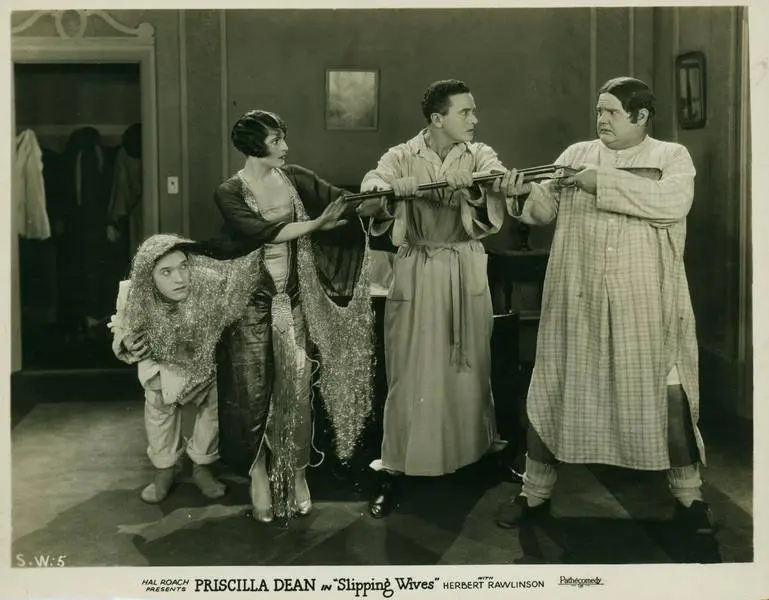
3) You should watch it if you want to see the exact moment where the chemistry between Laurel and Hardy began to bubble, even before they were officially branded as a duo.
Yes, Slipping Wives is worth watching because it captures a pivotal transition in film history. It marks one of the final times Stan Laurel and Oliver Hardy appeared together before Hal Roach and Leo McCarey realized they were better as a team than as supporting players in a Priscilla Dean vehicle. The film offers a unique look at Stan’s solo capability as a physical comedian, playing a character who is a far cry from the 'Stanley' persona we would eventually come to love.
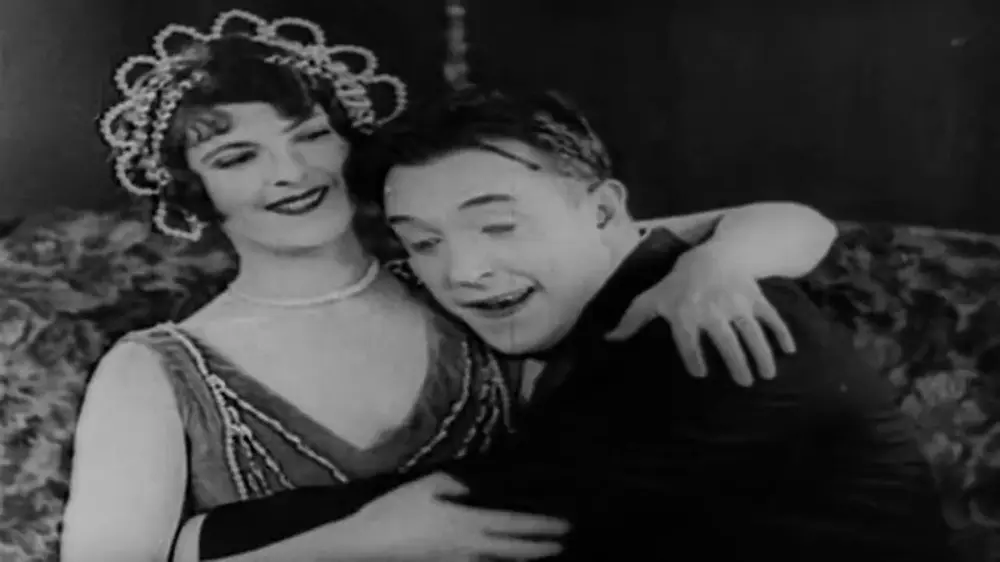
Slipping Wives belongs to a very specific subgenre of 1920s comedy that focused on the 'neglected wife.' Much like Too Many Wives or Her Temporary Husband, the film uses the domestic sphere as a battleground for gender roles and social status. Priscilla Dean, usually known for more dramatic roles, plays the wife with a sharp, almost cynical edge. She isn't a victim; she's a director, casting the handyman in a role he is fundamentally unqualified to play.
The scene where Stan Laurel is first introduced is a masterclass in visual storytelling. As the handyman, he is covered in grime, a stark contrast to the opulent, over-decorated sets of the household. When he is told he must become 'Ferdinand Flamingo,' the look of sheer, existential dread on his face is more effective than any dialogue could ever be. This is where the film finds its heart—in the discomfort of a man forced to pretend he is something he’s not.
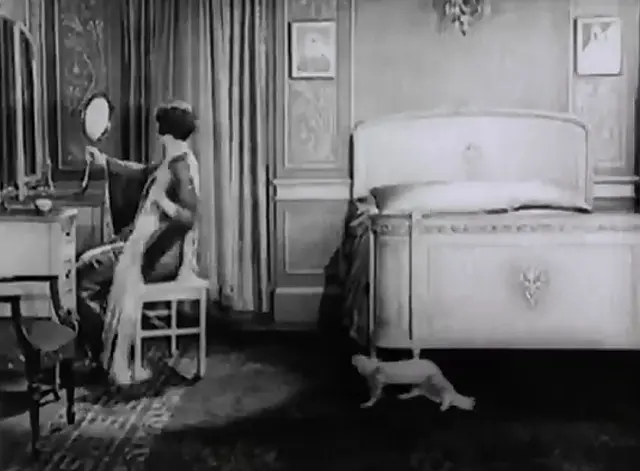
Compare this to the social climbing tropes found in In Society. While that film plays with the 'fish out of water' element for broader gags, Slipping Wives keeps the stakes intimate. The comedy isn't just about breaking vases; it's about the social death that comes from being 'found out' at a dinner party. The tension is palpable, even if it is resolved through a series of kicks and falls.
It is impossible to watch Slipping Wives without looking for 'The Boys.' At this point, Oliver Hardy was still often cast as the 'heavy' or the authority figure. Here, he plays Jarvis, a role that is essentially a precursor to his later persona but lacks the warmth. He is the foil to Stan’s chaos. There is a specific moment during the party where the two lock eyes, and you can see the gears turning. It’s not a partnership yet, but the gravitational pull between them is undeniable.
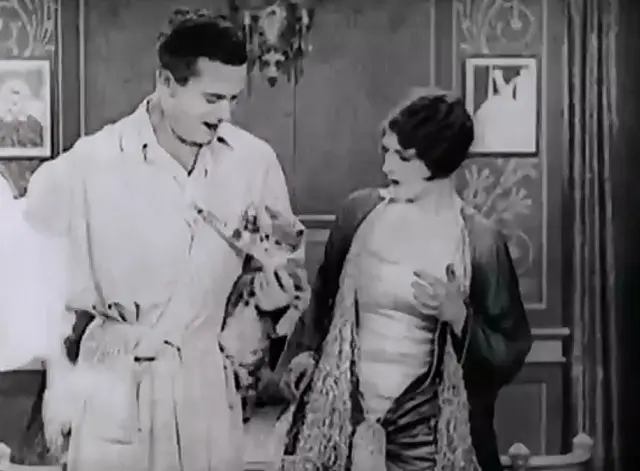
Hardy’s performance is restrained, almost menacing at times, which makes the eventual slapstick more jarring. Unlike the more balanced roles in films like The Man Above the Law, where the drama is the primary focus, Hardy here is tasked with being the anchor for Stan’s increasingly erratic behavior. Every time Stan fumbles a social cue—like trying to eat a decorative prop—Hardy’s slow-burn reaction shots provide the necessary comedic punctuation.
Directed by Fred Guiol under the watchful eye of Hal Roach, Slipping Wives is technically proficient for its time. The lighting in the interior scenes is surprisingly sophisticated, using shadows to emphasize the divide between the public party and the private deceptions happening in the hallways. The cinematography doesn't take many risks, but it doesn't need to. The frame is built around the actors' bodies.
"The genius of Stan Laurel in this period was his ability to look like a man who had accidentally wandered onto the wrong film set and was trying his best to blend in."
The pacing, however, is where the film shows its age. Modern audiences used to the rapid-fire editing of contemporary comedy might find the setup for the party scene to be agonizingly slow. It takes nearly ten minutes of screen time just to establish the husband's neglect and the wife's plan. In a 20-minute short, that’s a massive investment. However, once the party begins, the film shifts into high gear. The physical comedy involving a disappearing ring and a very confused butler is choreographed with the precision of a ballet.
When placed alongside other films of the era like Dodging a Million or The Exiles, Slipping Wives feels more grounded in character than in spectacle. While Dodging a Million relies on the frantic energy of its lead, Slipping Wives relies on the internal panic of its protagonist. It shares some DNA with Her Temporary Husband, particularly the theme of a man hired to play a role in a domestic dispute, but it lacks the romantic warmth of that film.
One surprising observation is how much the film leans into the 'literary genius' trope. In the 1920s, there was a growing cultural anxiety about the divide between the working class and the intellectual elite. By having a handyman pose as a genius, the film is essentially mocking the pretensions of the upper class. They are so eager to be in the presence of 'greatness' that they fail to notice the 'genius' doesn't know which fork to use. This social commentary is subtle but adds a layer of depth that elevates it above standard pie-in-the-face fare.
Slipping Wives is a charming, if slightly uneven, piece of cinematic history. It isn't the funniest silent film ever made, nor is it the most profound. However, it possesses a raw energy that is infectious. Seeing Stan Laurel refine the 'blank stare' that would become his trademark is worth the price of admission alone. The film serves as a reminder that even the greatest legends of comedy had to start somewhere, often in the middle of a domestic dispute involving a neglected wife and a fake literary genius.
While it may not reach the heights of Les Misérables, Part 1: Jean Valjean in terms of narrative weight, it succeeds in its humble goal: making us laugh at the absurdity of social masks. It’s a film that reminds us that beneath the fancy clothes and the literary titles, we’re all just handymen trying not to trip over the carpet. It works. But it’s flawed. And that’s exactly why it’s worth a look.
IMDb 6.2
1935
Community
Log in to comment.