DbcultAccessing Vault...
Cult Review
Senior Film Conservator
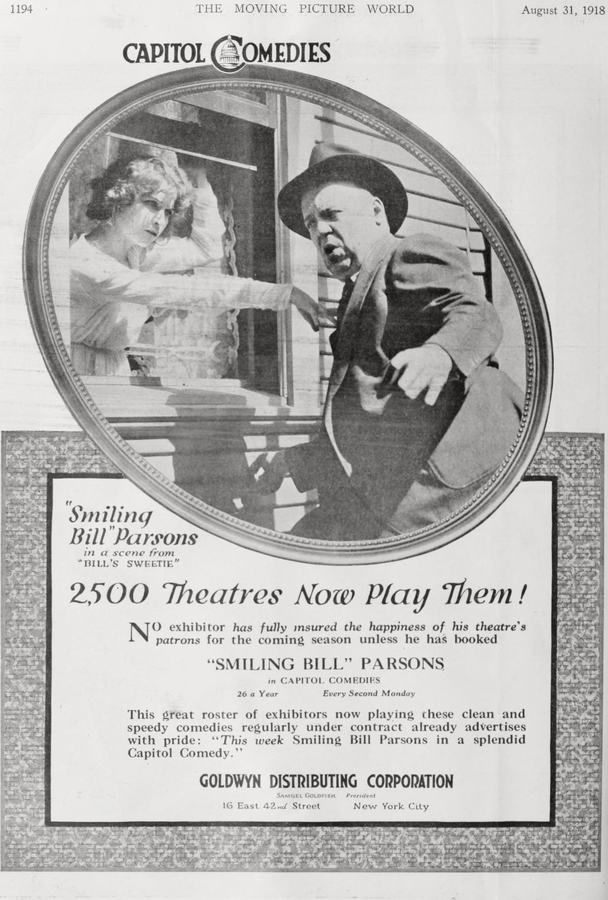
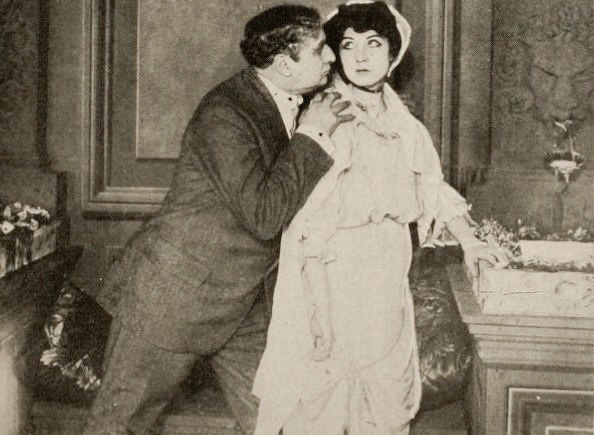
Ah, the early cinematic era! A period brimming with raw emotion, grand narratives, and a burgeoning understanding of what the moving picture could truly achieve. And in this vibrant landscape, we find 'Bill's Sweetie,' a film that, even decades later, resonates with a potent blend of romantic idealism and trenchant social commentary. It’s a work that, through the lens of a deeply personal struggle, manages to dissect universal themes of ambition, integrity, and the often-brutal clash between individual genius and corporate avarice. To dismiss it as mere melodrama would be to overlook the intricate tapestry of human experience it so meticulously weaves, a testament to the enduring power of storytelling.
At its core, 'Bill's Sweetie' is a character study, particularly of its titular protagonist, Bill, portrayed with a compelling earnestness by the incomparable William Parsons. Parsons imbues Bill with a blend of naive idealism and steely resolve that makes him instantly sympathetic. He’s not merely an inventor; he is the embodiment of the dream of progress, the very spirit of innovation untainted by cynicism. His passion for his work, a revolutionary new engine, is palpable, almost a living entity within the film. This isn't just a technical pursuit for Bill; it's a calling, a way to contribute to the betterment of the world. Parsons masterfully conveys the intellectual fervor and the quiet dignity of a man dedicated to his craft, making his eventual tribulations all the more heart-wrenching. His performance is a nuanced exploration of a man caught between the purity of his vision and the harsh realities of a cutthroat world.
The narrative, crafted by Tom Bret, is a meticulously structured descent into the moral quagmire of industrial capitalism. Bret doesn't just present a villain; he constructs an entire ecosystem of exploitation around Silas Blackwood, the ruthless industrialist. Blackwood isn't a cartoonish antagonist; he's a chillingly plausible representation of unchecked power, a man for whom ethical boundaries are mere suggestions, easily circumvented in the pursuit of profit. His machinations are subtle at first, a polite inquiry, a seemingly generous offer, before escalating into outright sabotage and character assassination. This gradual escalation is what gives the film its potent dramatic tension, steadily tightening the screws on Bill and Lily. It’s a narrative strategy that could draw comparisons to the creeping paranoia and societal critique found in films like The Interloper, where personal lives become battlegrounds for larger, systemic conflicts. Bret understands that true menace lies not just in brute force, but in the insidious erosion of trust and reputation.
But what would Bill be without his sweetie? Lily, though perhaps less overtly explored in terms of her professional life, is the emotional anchor of the film. Her devotion to Bill is unwavering, a beacon in the storm of adversity. Yet, Bret bravely allows her character to grapple with doubt, to feel the immense pressure exerted by Blackwood’s insidious overtures. This momentary wavering, far from diminishing her, makes her more human, more relatable. It highlights the immense stakes involved and the very real psychological toll that such relentless persecution can take on even the strongest bonds. Her journey from steadfast support to momentary doubt and then to renewed, fierce determination is a powerful arc, demonstrating that love isn't merely a passive state but an active, resilient force. This dynamic interplay between the lovers, their struggles and ultimate triumph, echoes the complex romantic inquiries found in films like Do Men Love Women?, though 'Bill's Sweetie' grounds its romance in a more concrete, high-stakes battle for survival and honor.
The film’s thematic richness extends beyond the personal. It’s a powerful indictment of the industrial age’s darker side, where individual innovation could be crushed under the heel of corporate monopolies. The struggle to protect intellectual property, the manipulation of public perception, the legal and financial battles faced by the common man against powerful institutions – these are not merely plot devices but reflections of very real societal anxieties of the time. The subtext of social justice, of the little guy fighting against an overwhelming system, is palpable. One can almost feel the nascent stirrings of labor movements and progressive reforms woven into the narrative's fabric. The film doesn't just entertain; it provokes thought about the ethics of progress and the true cost of unchecked power. It’s a poignant reminder that the more things change, the more certain fundamental struggles remain constant.
Visually, while specific directorial credits are often less emphasized in early cinema discussions, the implied direction of 'Bill's Sweetie' clearly favors a classical, expressive style. One can imagine the close-ups used to capture Parsons’ anguish or Lily’s determination, the wide shots emphasizing the stark contrast between Bill’s humble workshop and Blackwood’s opulent, imposing corporate offices. The staging of the public demonstration, a pivotal scene of both triumph and sabotage, would have been orchestrated for maximum dramatic impact, perhaps utilizing dynamic camera movements (for the era) to convey the chaos and danger. The use of light and shadow would have been crucial in defining the moral landscape, with Blackwood often cast in deeper, more ominous tones, while Bill and Lily might be bathed in a purer, more hopeful illumination. This visual storytelling, even without explicit details, is inherent in the script’s dramatic beats, demanding a director with a keen eye for emotional resonance and narrative clarity.
The climax of 'Bill's Sweetie' is a masterclass in building tension and delivering a satisfying resolution. It avoids the simplistic, deus ex machina solutions often found in lesser films, opting instead for a meticulously planned counter-offensive by Bill and Lily. This speaks volumes about their intelligence and resilience. The public exposure of Blackwood’s crimes is not just a personal victory; it’s a symbolic triumph for all those who have been wronged by similar figures. The film doesn't shy away from the darker aspects of human nature, but it ultimately champions the forces of good, demonstrating that even in the face of overwhelming odds, justice can prevail through courage and unwavering commitment. This commitment to a morally resonant conclusion is a hallmark of truly impactful cinema, distinguishing it from mere escapism.
Considering its contemporaries, 'Bill's Sweetie' stands out for its robust character development and its willingness to tackle complex social issues within a popular dramatic framework. While other films of the period might have focused solely on romantic entanglements, like Hearts and Let Us, or pure espionage thrillers such as Madame Spy, 'Bill's Sweetie' manages to seamlessly blend these elements, creating a richer, more multifaceted experience. It doesn't sacrifice emotional depth for plot mechanics, nor does it allow its social commentary to overshadow the personal drama. This delicate balance is a testament to Tom Bret's sophisticated writing and the powerful performances that bring his vision to life. The film achieves a synthesis that many others only aspire to, proving that commercial appeal and artistic merit are not mutually exclusive.
The film's pacing is another commendable aspect. It allows the plot to unfold organically, building suspense not through cheap thrills but through the steady accumulation of dramatic incidents and emotional stakes. Each setback for Bill feels genuinely earned, each small victory hard-won. This deliberate pace ensures that the audience is fully invested in the characters' journey, feeling every blow and celebrating every glimmer of hope alongside them. It’s a masterclass in slow-burn tension, culminating in an explosive resolution that feels both earned and deeply satisfying. This careful construction of narrative momentum is a sign of mature filmmaking, even in the nascent stages of the art form.
William Parsons’ portrayal of Bill is particularly memorable because he allows the character to be vulnerable without ever appearing weak. His moments of despair are genuine, but they are always followed by a resurgence of determination, a testament to the human spirit’s capacity for resilience. This nuanced performance elevates 'Bill's Sweetie' from a simple good-versus-evil narrative to a more profound exploration of character under duress. He is not merely a hero; he is a man, flawed but ultimately noble, fighting for his dignity and his love. This complexity is what truly makes the film resonate. His journey is one that, despite its specific circumstances, speaks to the universal struggle against overwhelming forces, both external and internal.
The enduring appeal of 'Bill's Sweetie' lies in its timeless resonance. The battle between the individual inventor and the powerful corporation, the struggle for integrity against corruption, the unwavering strength of true love in the face of adversity – these are themes that transcend eras and continue to captivate audiences. It serves as a stark reminder that the human cost of industrial progress, when devoid of ethical considerations, can be immense. The film’s message about standing up for what is right, even when the odds seem insurmountable, remains as potent today as it was upon its initial release. It’s a testament to the film’s quality that its core messages remain so relevant, speaking to contemporary concerns about corporate ethics and personal integrity. This enduring topicality is a hallmark of truly great cinema.
Furthermore, 'Bill's Sweetie' is a valuable historical artifact, offering a window into the social and technological anxieties of its period. The fear of industrial monopolies, the precarious position of the independent innovator, the evolving role of women in supporting their partners through professional struggles – all these elements are subtly woven into the fabric of the story. It's not just a drama; it's a sociological snapshot, revealing the prevailing attitudes and challenges of an era undergoing rapid transformation. Observing these reflections of a past society through such a compelling narrative provides a unique and enriching experience for the modern viewer. It allows us to understand the roots of many contemporary issues.
The script by Tom Bret deserves particular commendation for its ability to balance intricate plotting with profound emotional depth. He doesn't just move characters through a series of events; he delves into their psychological landscapes, revealing their motivations, fears, and hopes. The dialogue, though typical of its era, carries an undercurrent of genuine feeling, avoiding the stilted artificiality that sometimes plagues early cinema. Bret understands that a strong narrative is built on credible characters facing believable challenges, and he delivers on both counts with admirable skill. His storytelling prowess is evident in every twist and turn, every moment of despair, and every spark of hope, ensuring the audience remains fully engaged.
In an age where cinematic spectacles often prioritize visual effects over substantive storytelling, 'Bill's Sweetie' serves as a powerful reminder of the enduring impact of a well-told story, brought to life by compelling performances and guided by a keen understanding of human nature. It's a film that stays with you long after the credits roll, prompting reflection on the nature of ambition, the price of progress, and the unbreakable bonds of love and loyalty. Its artistic merit is undeniable, and its historical significance is profound. It’s a film that truly encapsulates the spirit of its time while simultaneously transcending it. This capacity for timelessness is the ultimate measure of a film's greatness.
The film's dramatic conclusion, where Bill and Lily collectively orchestrate the public downfall of Blackwood, is not merely satisfying; it’s cathartic. It underscores the idea that collective action and unwavering truth can dismantle even the most entrenched corruption. The resolution feels earned, a testament to the resilience and intelligence of the protagonists. It is this profound sense of justice, meticulously built throughout the narrative, that elevates 'Bill's Sweetie' beyond a simple romantic drama into a significant piece of social commentary. Its message remains resonant, a beacon for those who believe in the power of integrity over greed. This triumphant ending is not just a happy resolution for the characters, but a symbolic victory for the ideals they represent, solidifying the film's place as a truly impactful work of art.
For enthusiasts of classic cinema, or indeed, anyone who appreciates a story with heart, brains, and a strong moral compass, 'Bill's Sweetie' is an absolute must-see. It’s a film that reminds us why these early cinematic efforts are so vital, not just as historical documents, but as powerful artistic expressions that continue to speak to the human condition. It holds its own against any cinematic offering, past or present, proving that genuine emotional depth and compelling narrative never go out of style. The film's legacy is secure, a shining example of early 20th-century storytelling at its finest. Its power to move and inspire remains undiminished by the passage of time.
A true gem from an era often underestimated, 'Bill's Sweetie' is a profound exploration of human spirit, resilience, and the eternal fight against injustice. Its narrative sophistication, coupled with the compelling performance of William Parsons, makes it a standout. The film’s ability to weave a deeply personal love story into a broader critique of societal ills is particularly noteworthy. It’s a testament to the vision of Tom Bret and the enduring power of early cinema. The film serves as a timeless reminder that even in the face of overwhelming odds, hope, ingenuity, and unwavering love can ultimately prevail. Its impact reverberates, a resonant echo through cinematic history.
The use of dramatic irony throughout the film, particularly in Blackwood’s public facade of respectability contrasted with his private villainy, adds another layer of sophistication to Tom Bret’s writing. This technique keeps the audience engaged, privy to the true nature of the antagonist while the protagonists struggle against unseen forces. It builds a powerful sense of anticipation for the eventual reveal, making the climax all the more impactful. This intelligent use of narrative devices is a hallmark of a truly skilled storyteller, elevating the film beyond simple entertainment. It demonstrates a deep understanding of how to manipulate audience emotions and expectations for maximum effect, a skill that remains vital in filmmaking to this day.
In a cinematic landscape that was still defining its grammar, 'Bill's Sweetie' carved out a space for complex, morally resonant storytelling. It dared to explore the darker side of progress and power, while simultaneously championing the enduring light of human connection and integrity. This audacious blend of social critique and heartfelt romance is what makes the film not just a historical curiosity, but a vibrant, living piece of art that continues to speak to contemporary audiences. It's a powerful statement on the potential of cinema to both reflect and influence the world around it, solidifying its place as a truly significant work in the annals of film history. Its influence, though perhaps subtle, is undeniable.
Final thoughts on 'Bill's Sweetie' invariably circle back to its core message: the power of the individual spirit against seemingly insurmountable odds. It’s a narrative that eschews cynicism for a belief in the inherent goodness of humanity, even when that goodness is severely tested. The film's legacy is not just in its dramatic prowess or its compelling performances, but in its unwavering optimism, a hope that justice, truth, and love will ultimately prevail. This is a film that truly understands the human heart and the enduring battles it faces. It’s a powerful, moving, and ultimately uplifting experience that reminds us why we fall in love with cinema in the first place.
IMDb 5.5
1930
Community
Log in to comment.