DbcultAccessing Vault...
Cult Review
Senior Film Conservator
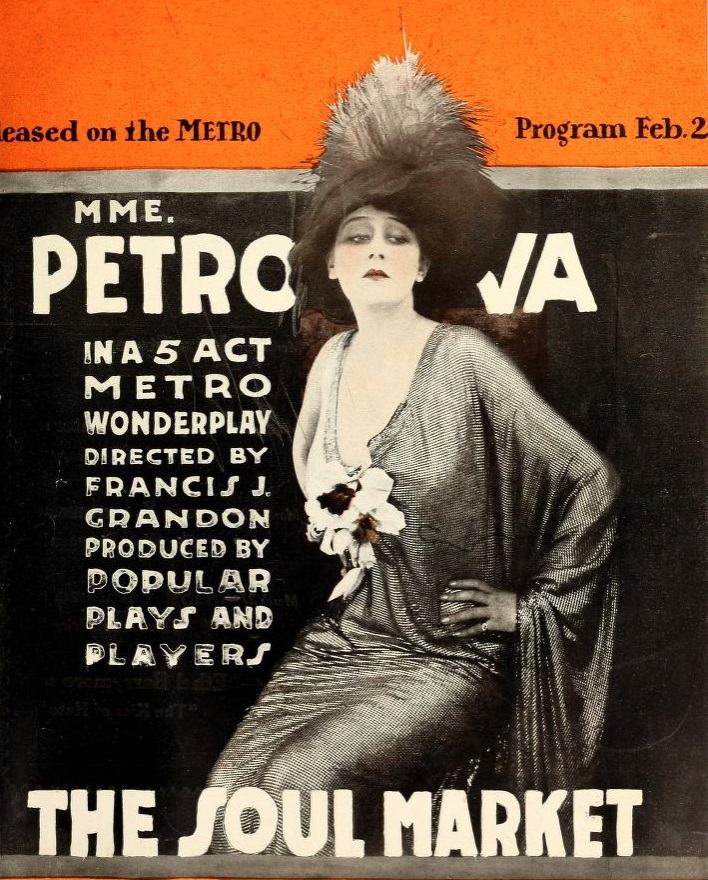
Stepping into the flickering glow of 'The Soul Market,' a cinematic artifact from 1916, is akin to unearthing a time capsule brimming with the anxieties and aspirations of an era long past, yet surprisingly resonant today. This isn't merely a melodrama; it's a psychological drama cloaked in the grand gestures of early cinema, a compelling exploration of agency, ambition, and the insidious pressures that can warp a woman's destiny. At its core lies the magnetic Olga Petrova, an actress whose commanding presence elevates the film beyond a simple romantic entanglement into a profound commentary on the commodification of talent and affection.
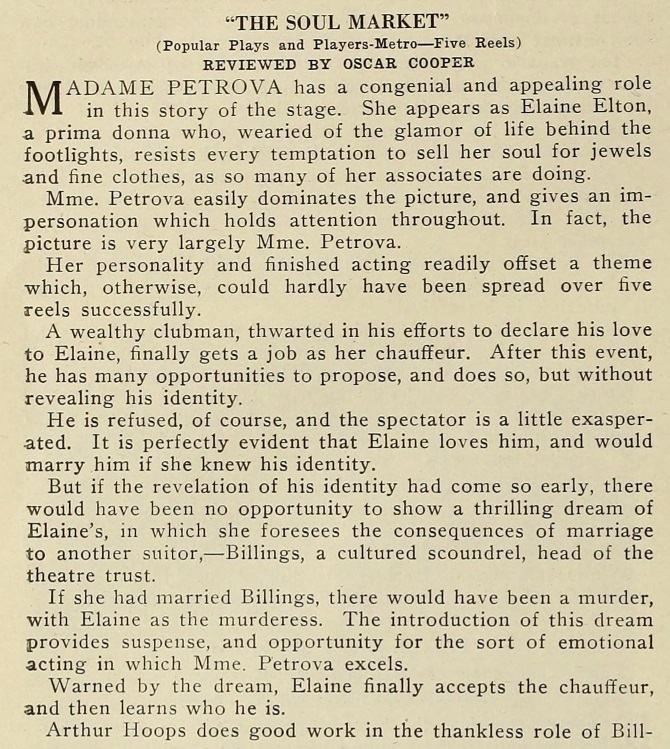
The narrative pivots around Elaine Elton, a celebrated stage performer whose professional triumphs mask a deeply personal vulnerability. Her world is bifurcated by two ardent admirers, each representing a distinct facet of societal power. On one side stands Oscar Billings, portrayed with a menacing blend of charm and ruthlessness by Charles W. Mack, a theatrical impresario whose dominion over the entertainment industry grants him an almost feudal authority. Billings doesn't merely propose marriage; he issues an ultimatum, intertwining professional survival with personal capitulation. It's a chilling demonstration of the patriarchal leverage prevalent in the early 20th century, a stark reminder that even a woman of Elaine's stature could find her career held hostage by a man's ego.
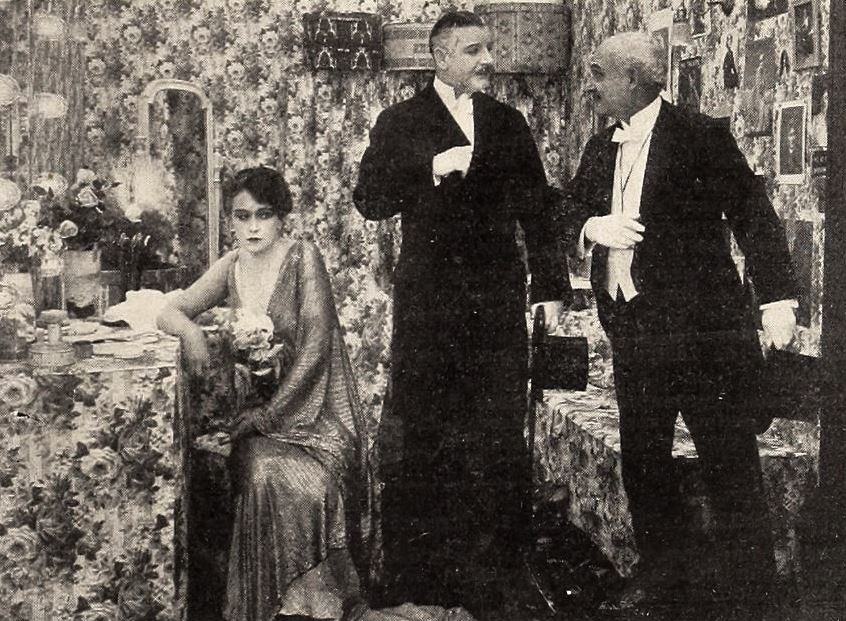
Contrastingly, Jack Dexter, a millionaire whose wealth affords him a different kind of power, approaches Elaine with a cunning, albeit romantic, subterfuge. Played by John Merkyl, Dexter assumes the unassuming role of a chauffeur, a deliberate act of humility designed to circumvent the superficialities of his fortune and forge a connection based on genuine interaction. This narrative device, while a staple of romantic fiction, here serves to highlight the societal barriers that wealth and status often erect between individuals. Elaine, initially oblivious to his true identity, finds herself drawn to this man, a testament to the authentic chemistry that blossoms outside the glare of her public persona and the shadow of Billings's threats. The initial courtship, even under false pretenses, feels more organic, more human, than the transactional proposition from Billings.
The true genius of Aaron Hoffman's screenplay, and indeed the film's most audacious structural choice, lies in its extended dream sequence. This is not a fleeting reverie but a fully realized, harrowing alternate reality that consumes a significant portion of the runtime. Elaine, under the crushing weight of Billings's coercive demands, succumbs to his marriage proposal. What follows is a descent into a marital inferno, a stark portrayal of a union built on coercion rather than affection. Billings, once her professional overlord, becomes a domestic tyrant, his numerous dalliances a constant affront to Elaine's dignity and emotional well-being. The film doesn't shy away from depicting the psychological toll of such a relationship, culminating in Elaine's desperate act of murder and her subsequent, tragic demise while fleeing the authorities. This sequence, with its heightened drama and fatalistic trajectory, serves as a visceral premonition, a 'what if' scenario played out with devastating clarity.
The dream sequence itself is a masterclass in silent film melodrama, utilizing dramatic lighting and intense performances to convey the escalating tension and despair. Olga Petrova’s portrayal of Elaine during this segment is particularly arresting, her expressive face charting a course from resignation to fury, and ultimately, to a tragic desperation. It’s a performance that demands the audience’s empathy, even as her actions veer into the criminal. The filmmakers, through this extended dream, explore themes of entrapment, betrayal, and the ultimate cost of sacrificing one's integrity for perceived security. It’s a bold narrative choice that elevates the film beyond a simple cautionary tale, making it a profound psychological study.
The abrupt return to reality, with Elaine jolting awake, is a moment of profound relief, both for the character and the audience. Yet, this is no mere plot device to neatly resolve a crisis. Instead, the dream functions as a crucible, forging Elaine's resolve and imbuing her with a unique form of prescience. She doesn't dismiss the nightmare as a mere figment of her imagination; rather, she interprets it as a potent oracle, a glimpse into a potential future she must actively avert. This decision to heed the dream’s warning transforms Elaine from a passive recipient of fate into an active architect of her own destiny. It’s a powerful statement on intuition and the courage to defy conventional wisdom, especially when faced with overwhelming societal pressure.
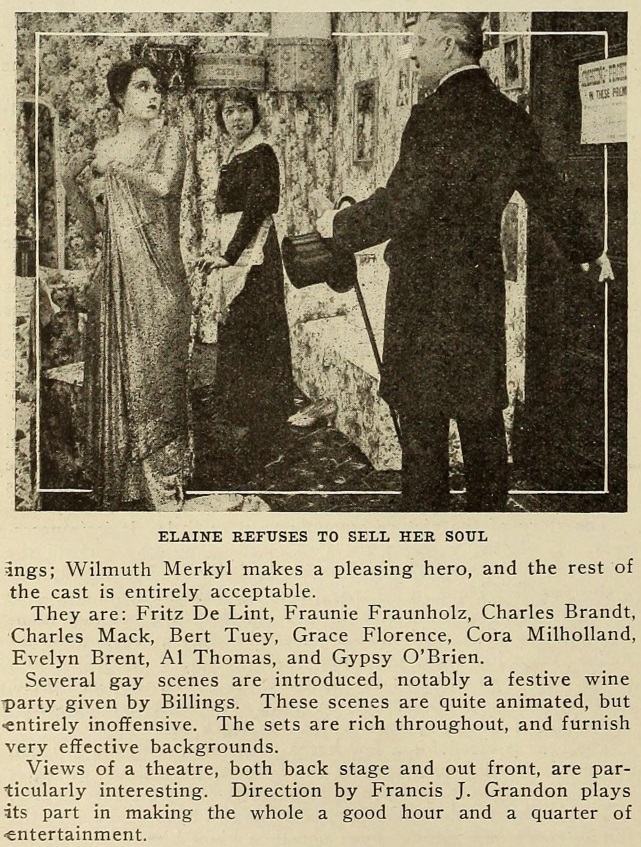
In a climactic act of self-empowerment, Elaine explicitly rejects Billings's threats, choosing to prioritize her emotional well-being and genuine affection over professional security. This defiance is significant, particularly in an era where women's economic independence was still nascent and largely reliant on male patronage. Her subsequent marriage to Jack Dexter, now revealed in his true affluent identity, is not merely a happy ending but a conscious choice, a deliberate embrace of a love untainted by coercion or professional blackmail. It’s a victory for personal autonomy, a declaration that one’s 'soul' is not for sale in any 'market,' be it theatrical or marital.
Olga Petrova, as Elaine Elton, delivers a performance that anchors the entire film. Her ability to convey a vast spectrum of emotions – from the subtle flirtation with her chauffeur to the profound despair of her dream-marriage – without the aid of spoken dialogue is nothing short of remarkable. Her expressive eyes and deliberate gestures communicate volumes, drawing the audience into Elaine’s inner turmoil and triumphs. Petrova was a star of her time, and 'The Soul Market' showcases exactly why, offering a nuanced portrayal of a woman grappling with impossible choices. The supporting cast, including Al Franklin Thomas, Cora Milholland, Gypsy O'Brien, Charles Brandt, Fritz De Lint, Claire Lillian Barry, Evelyn Brent, Grace Florence, Bert Tuey, Arthur Hoops, and Fraunie Fraunholz, each contribute to the film’s rich tapestry, creating a believable world around Elaine.
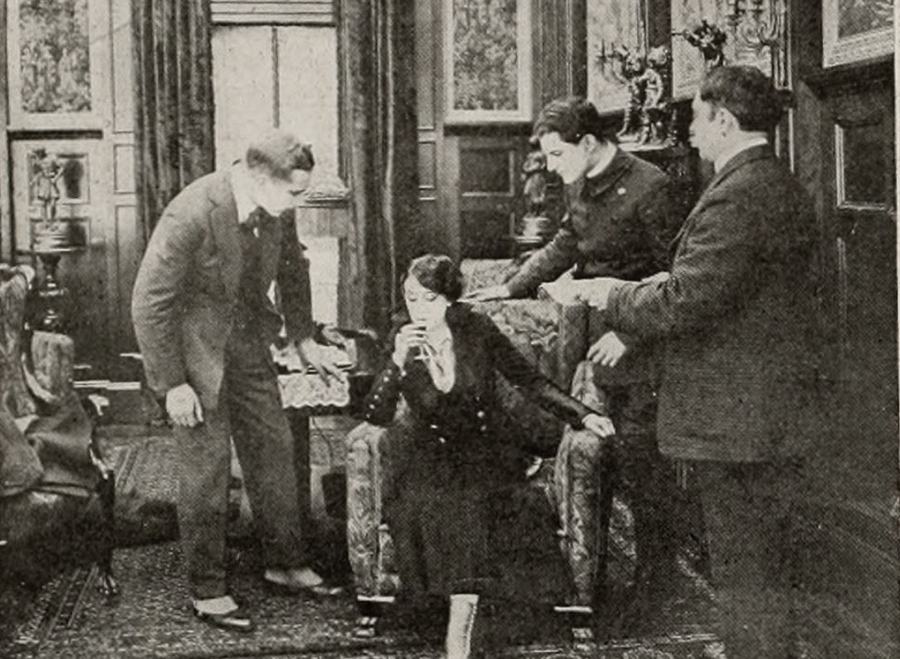
Aaron Hoffman’s writing is commendably intricate for the period, crafting a narrative that uses the dream sequence not as a cheap trick, but as a sophisticated vehicle for exploring character psychology and societal critique. The film's direction, while uncredited in some records, demonstrates a keen understanding of visual storytelling, employing close-ups and dynamic compositions to heighten emotional impact. The sets and costumes, too, are meticulously crafted, transporting the viewer to the opulent yet restrictive world of early 20th-century high society and theatrical life. The film's aesthetic contributes significantly to its immersive quality, making the emotional journey of Elaine Elton all the more palpable.
'The Soul Market' distinguishes itself through its innovative use of the dream sequence as a catalyst for conscious decision-making. While other films of the era, such as Madame de Thebes, might dabble in premonitions or mystical foresight, 'The Soul Market' grounds its prophetic vision in the protagonist's own psychological landscape, making it a more personal and empowering experience. The film's exploration of a woman's struggle against societal and patriarchal constraints finds echoes in later, more celebrated works, but here it is presented with a raw, immediate urgency characteristic of early cinema. The theme of a woman's career being at the mercy of powerful men is a timeless one, making the film's central conflict particularly poignant even today.
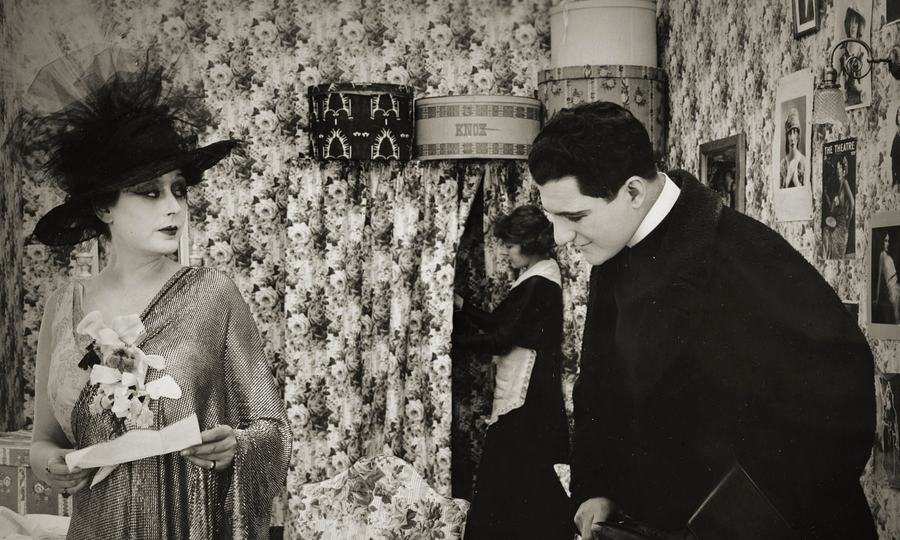
The narrative’s willingness to delve into the darker aspects of human nature, including murder and marital infidelity, also places it firmly within the tradition of melodramas that sought to explore the moral complexities of modern life. Unlike simpler romantic comedies like Are You a Mason?, 'The Soul Market' aims for a deeper, more unsettling emotional resonance. It shares a thematic kinship with films that scrutinize social structures and their impact on individual lives, perhaps even touching upon the class distinctions hinted at in narratives like The Mill on the Floss, though its focus remains acutely on Elaine’s personal battle. The film’s dramatic intensity and focus on a strong, though beleaguered, female protagonist might also draw comparisons to the emotional depth found in a film like The War Bride's Secret, which similarly navigates tumultuous personal stakes.
The title itself, 'The Soul Market,' is a powerful metaphor that resonates far beyond its immediate context. It speaks to the insidious ways in which personal worth, talent, and even love can be commodified and subjected to external forces. Elaine Elton's struggle is not just about choosing between two men; it’s about refusing to allow her essence, her very soul, to be traded or coerced. The film’s conclusion, where she makes a choice rooted in self-knowledge and genuine affection rather than fear or obligation, is a triumphant assertion of individual sovereignty.
In an age where public figures, particularly women, continue to face immense pressure to conform, to sacrifice personal desires for professional gain, or to navigate complex power dynamics, 'The Soul Market' remains strikingly relevant. It serves as a potent reminder that true freedom lies not in the absence of temptation or threat, but in the courage to listen to one's inner voice and choose a path aligned with one's deepest values. The film, despite its age, offers a timeless lesson in resilience, self-discovery, and the unwavering pursuit of authentic happiness. It’s a remarkable piece of cinematic history that offers more than just entertainment; it provides a mirror to the enduring struggles of the human spirit in the face of external pressures.
The journey through 'The Soul Market' is ultimately one of liberation, not just for Elaine, but conceptually for anyone who has ever felt their autonomy threatened. It's a testament to the power of a dream, not as an escape, but as a guide, illuminating the path to a life truly lived on one's own terms. This silent film, with its profound emotional depth and innovative narrative, stands as a compelling testament to the power of early cinema to explore complex human experiences with remarkable insight and artistry. It urges us to examine the 'markets' in our own lives, and to fiercely protect the priceless commodity of our own souls.
IMDb 7
1933
Community
Log in to comment.