DbcultAccessing Vault...
5.6/10
Senior Film Conservator
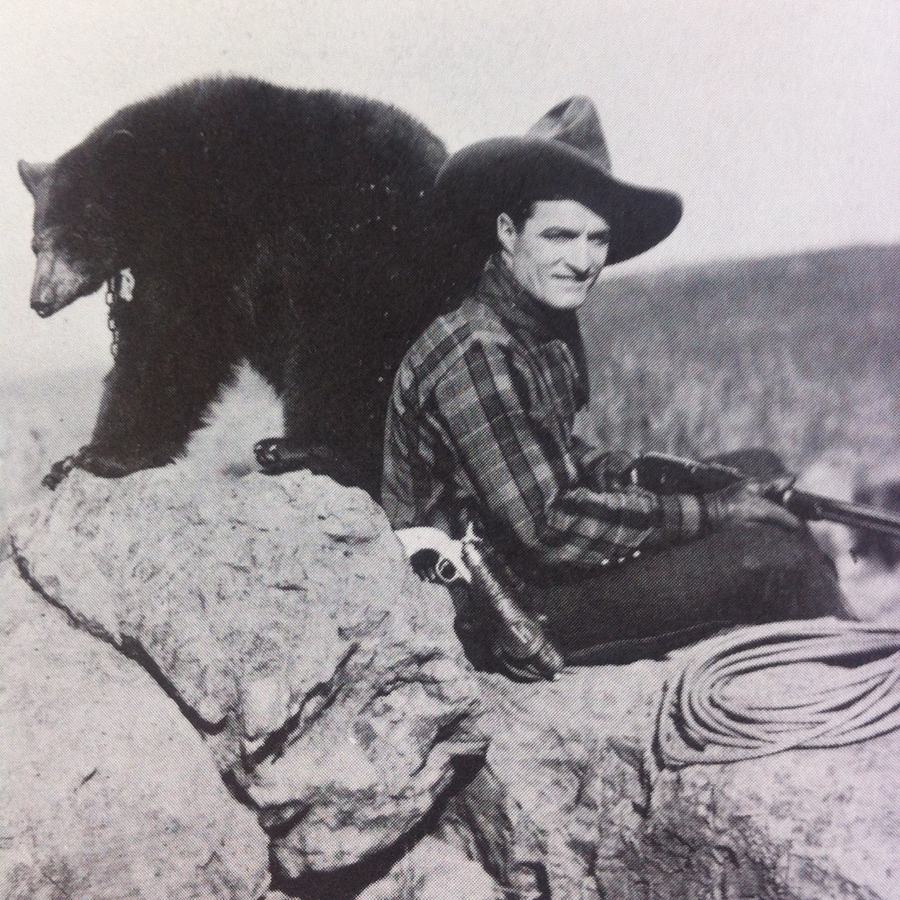
A definitive 5.6/10 rating for a film that redefined the boundaries of cult cinema. Fighting for Gold remains a cornerstone of transgressive art.
In the pantheon of silent cinema, the year 1919 stands as a pivotal threshold where the primitive aesthetics of the early nickelodeon era began to surrender to the sophisticated visual language of the Roaring Twenties. At the heart of this metamorphosis was Fighting for Gold, a production that transcends the simplistic tropes of the nascent Western genre to offer a nuanced meditation on class, displacement, and the American Dream. Directed with a keen eye for kinetic energy, the film serves as a showcase for Tom Mix, whose athletic prowess and charismatic screen presence redefined the cowboy archetype from a gritty ruffian to a virtuous, almost superhuman hero of the plains.
The screenplay, adapted from the work of William MacLeod Raine, introduces a fascinating socio-economic friction by casting its protagonists as British noblemen. Jack Kilmeny and Curly Brandon are not merely drifters; they are heirs to a dukedom, bringing a layer of Old World refinement to the unwashed frontier. This juxtaposition of aristocratic lineage and the egalitarian brutality of the gold mines creates a unique narrative tension. Unlike the protagonists in The Cowboy and the Lady, who often grapple with the social barriers of the East Coast, Kilmeny faces a more existential threat: the industrial greed of Lord Farquar, a man who represents the very system Kilmeny sought to transcend.
The film’s opening act establishes the mining claim as a character in its own right. The cinematography captures the desolation and the promise of the Western landscape with a clarity that was rare for the period. When Farquar’s agents attempt to seize the mine, the ensuing skirmish is choreographed with a visceral intensity. Mix’s performance here is revelatory; he moves with a fluidity that suggests a deep understanding of the physical space, a trait that would later influence the action stars of the sound era.
Every great silent Western requires a moment of spectacular heroism to cement the protagonist’s status, and Fighting for Gold delivers this through the runaway wagon sequence. When Moya Farquar, played with a blend of vulnerability and nascent independence by Lucille Young, loses control of her team, Kilmeny’s intervention is nothing short of breathtaking. This scene serves as more than just a stunt; it is the emotional fulcrum of the film. The chemistry between Young and Mix is palpable, even through the flickering grain of century-old celluloid.
This romantic development complicates the moral landscape. Kilmeny is no longer just defending a piece of land; he is navigating a labyrinth of loyalties. How can he oppose the father while loving the daughter? This theme of forbidden or complicated love is a recurring motif in silent dramas, reminiscent of the emotional stakes found in The Redhead, though here it is filtered through the lens of frontier justice rather than urban melodrama.
While Kilmeny ascends toward a moral ideal, his partner Curly Brandon represents the tragic decay of the noble spirit. Curly’s infatuation with a disreputable dance-hall girl provides a stark contrast to the pure, almost chivalric romance between Jack and Moya. This subplot delves into the darker corners of the frontier—the saloons and gambling dens that offered a different kind of gold, one that corrupted the soul. The portrayal of the dance-hall girl as a siren leading a good man to ruin is a trope handled with surprising nuance here, avoiding the caricatures often seen in films like Her Wayward Sister.
The robbery committed by Curly to appease his paramour sets the stage for the film’s darkest hour. When Jack takes the blame—not out of a sense of guilt, but out of a misplaced sense of aristocratic loyalty to his friend—the film shifts into a proto-noir suspense piece. The sheriff’s pursuit of Kilmeny through the canyons is a masterclass in pacing. The use of natural light and shadow creates an atmosphere of claustrophobia despite the vastness of the setting, a technique that mirrors the psychological state of a man wrongly accused.
Bobyan Verinder, the wealthy suitor and corporate puppet, serves as the perfect foil for Kilmeny. While Jack is a man of action and integrity, Verinder is a creature of shadows and contracts. The conflict between them is not just a fight for a girl or a mine; it is a battle between two different visions of the West. Verinder represents the encroaching hand of corporate monopoly, while Kilmeny represents the individualist spirit of the pioneer. This thematic depth elevates Fighting for Gold above contemporary works like Chimmie Fadden Out West, which treated the region with more levity.
The technical aspects of the film deserve significant praise. The editing during the climax, where Jack must simultaneously prove his innocence and stop Verinder’s final power grab, shows an advanced understanding of parallel storytelling. The intercutting between the courtroom drama and the physical struggle at the mine creates a sense of mounting urgency. It is a precursor to the sophisticated narratives we would see in later epics like The Eagle's Nest.
Tom Mix’s performance in this film is a testament to his versatility. Often dismissed as a mere stuntman, Mix here displays a range of emotion—from the quiet dignity of a man betrayed to the exuberant joy of a lover. His chemistry with the supporting cast, including the reliable Frank Clark and the menacing Robert Dunbar, provides a solid foundation for the film's more fantastical elements. Even the smaller roles, such as those played by Hattie Buskirk and Sid Jordan, are imbued with a sense of lived-in reality that helps ground the high-stakes plot.
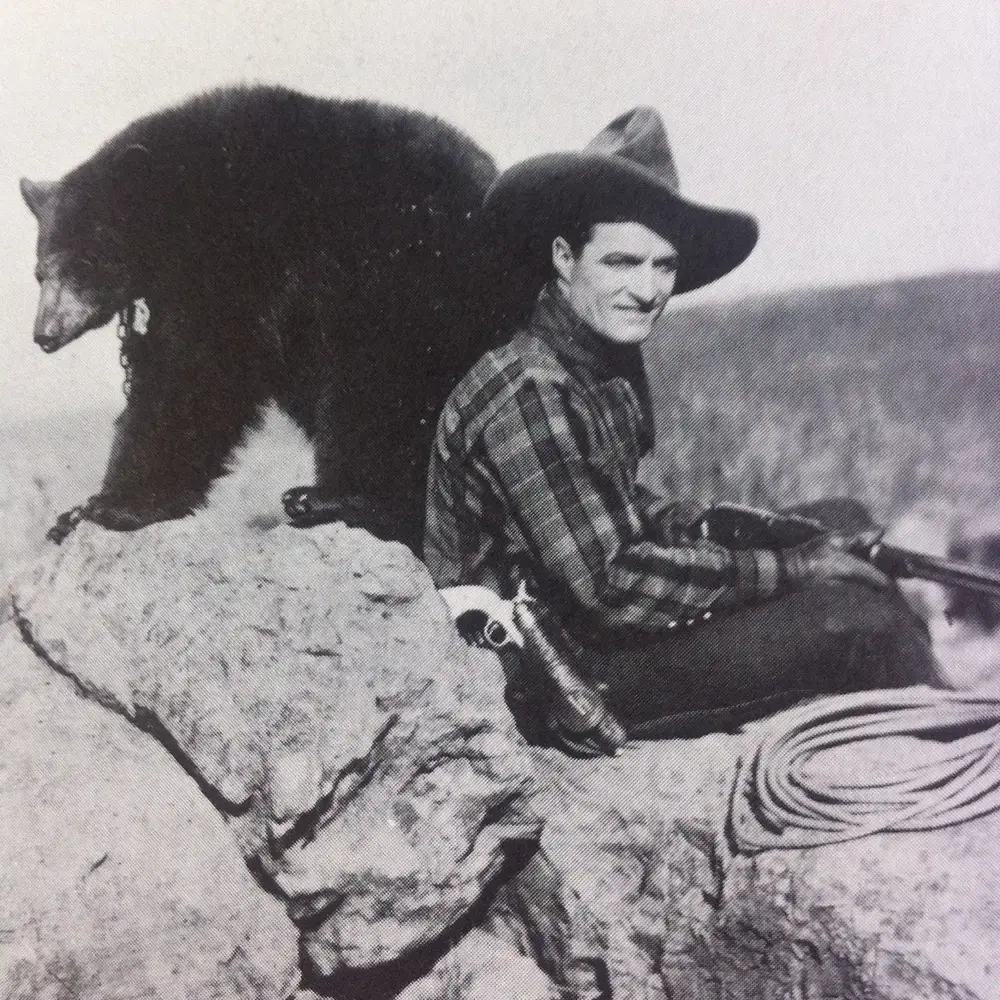
The film also touches upon the concept of redemption, a theme that resonates deeply in the Western genre. Curly’s ultimate fate and Jack’s exoneration serve as a reminder that in the West, identity is not fixed by birthright but by one’s actions. This is a sharp departure from the more rigid social structures depicted in European imports of the time, such as Die Bettelgräfin, where class is often an inescapable destiny.
The direction by Edward LeSaint (though often uncredited in favor of the production house's brand) shows a remarkable grasp of landscape. The mountains are not just backdrops; they are obstacles and allies. The way the camera tracks Kilmeny’s horse through the rocky terrain provides a sense of scale and danger that was rarely matched in 1919. This visual ambition aligns the film with other high-budget productions of the era like The Plow Woman, which also sought to capture the epic grandeur of the American wilderness.
Furthermore, the film’s treatment of technology—the mining equipment, the telegraphs, the wagons—reflects a world in transition. We see the old ways of the frontier being slowly overtaken by the machinery of the 20th century. This subtext adds a layer of melancholy to the proceedings, as if Kilmeny and his peers are aware that their era of rugged individualism is drawing to a close.
Looking back through the lens of a century, Fighting for Gold remains a startlingly effective piece of storytelling. While some of the plot contrivances—such as the convenient timing of the robbery—may seem dated to modern audiences, the core emotional truths remain intact. The film’s exploration of honor, friendship, and the corrupting influence of wealth is as relevant today as it was in the aftermath of the First World War.
It is also worth noting the film's influence on the "noble outlaw" trope. Jack Kilmeny’s flight from the law, necessitated by his own integrity, would become a staple of the genre, seen in everything from the works of John Ford to the modern revisionist Western. The film’s ability to balance high-octane action with genuine character development sets it apart from the more formulaic "shorts" of the time, such as Johnny Get Your Gun.
In the grand tapestry of Tom Mix’s career, Fighting for Gold stands as a vibrant thread. It captures a star at the height of his powers, working within a studio system that was finally beginning to understand the potential of the feature-length Western. The film is a bridge between the historical reality of the West and the myth-making machine of Hollywood. It invites us to consider what we are willing to fight for—be it gold, love, or the preservation of our own character in a world that often demands we sacrifice all three.
A seminal work of the silent era, Fighting for Gold is a masterclass in narrative economy and visual splendor, proving that even in the absence of sound, the clash of steel and the thundering of hooves can speak volumes about the human condition.
IMDb —
1919
Community
Log in to comment.