DbcultAccessing Vault...
Cult Review
Senior Film Conservator
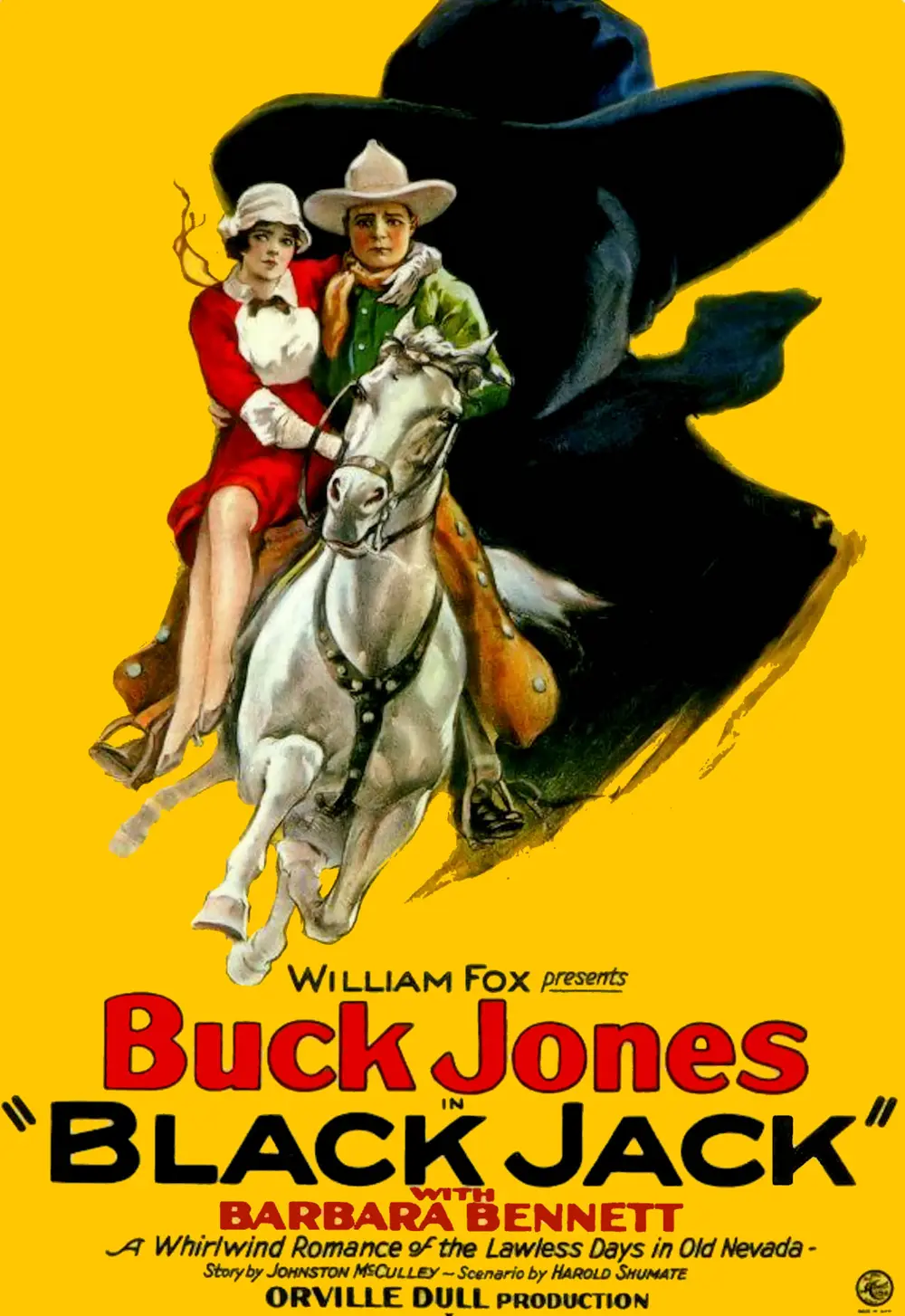
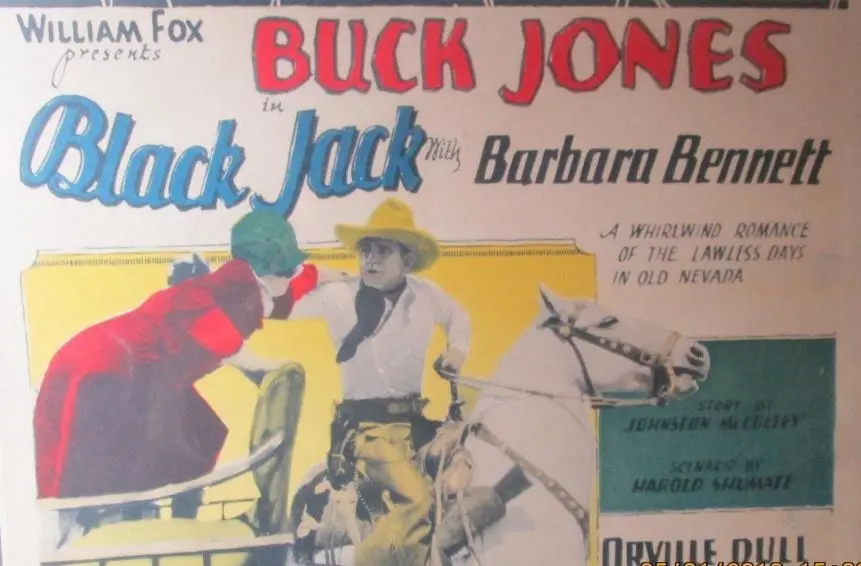
Is Black Jack (1927) worth your time in the modern era? Short answer: yes, but only if you are willing to trade narrative complexity for the raw, kinetic power of a silent-era action star at his peak.
This film is specifically for those who study the evolution of the Western genre and fans of Buck Jones; it is absolutely not for viewers who require snappy dialogue or the high-fidelity polish of contemporary cinema.
Before we dive into the dust and silver of the plot, let's address the core of the film's success and failure. This isn't a film that tries to be high art, and it shouldn't be judged as such.
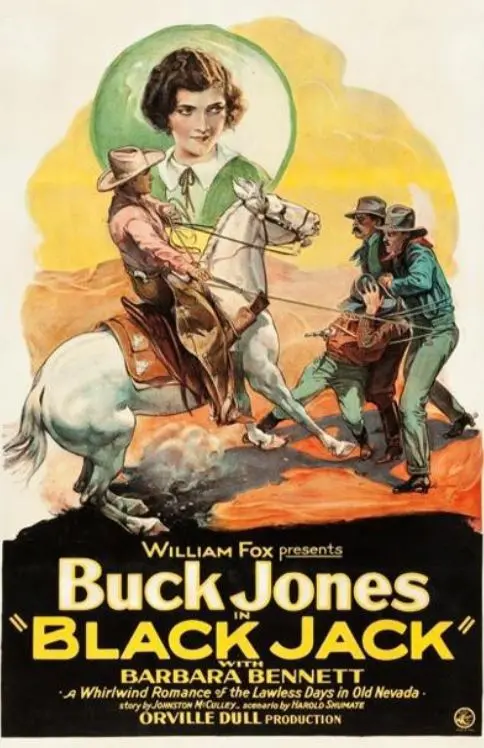
1) This film works because Buck Jones possesses a physical magnetism that translates perfectly through the silent medium, making every stunt feel grounded and dangerous.
2) This film fails because the 'map on a coin' plot device is stretched to its absolute breaking point, leading to moments of repetitive pursuit.
3) You should watch it if you want to see the structural DNA of the modern action-adventure movie, specifically the MacGuffin-led chase.
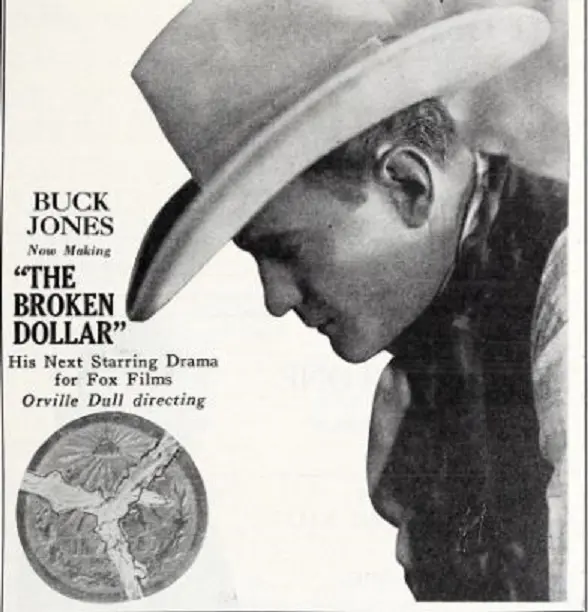
The script, penned by Harold Shumate and the legendary Johnston McCulley (the mind behind Zorro), relies on a classic pulp trope: the fragmented map. In this case, it’s a silver dollar. It’s a clever, tactile choice. Unlike a paper map that can be burned or torn, the silver dollar represents something immutable and valuable. It is heavy. It clinks.
Phil Dolan, played with a stoic intensity by Buck Jones, isn't just a cowboy; he's a man defined by his namesake. The 'Black Jack' persona suggests a gambler's soul, yet the film portrays him as a man of singular focus. When Nancy Dolan is taken, the film stops being about the mine and starts being about the reclamation of personhood. This shift is subtle but necessary to keep the audience engaged beyond the greed of the rustlers.
Compared to other films of the period like The Scarlet Oath, which leans heavily into melodrama, Black Jack feels surprisingly lean. It doesn't waste time on flowery title cards. It moves with the speed of a horse in mid-gallop. The stakes are clear, and the villainy is uncomplicated. Harry Cording, as the lead rustler, provides a physical threat that feels genuine. He doesn't just twirl a mustache; he occupies space with a brooding menace.
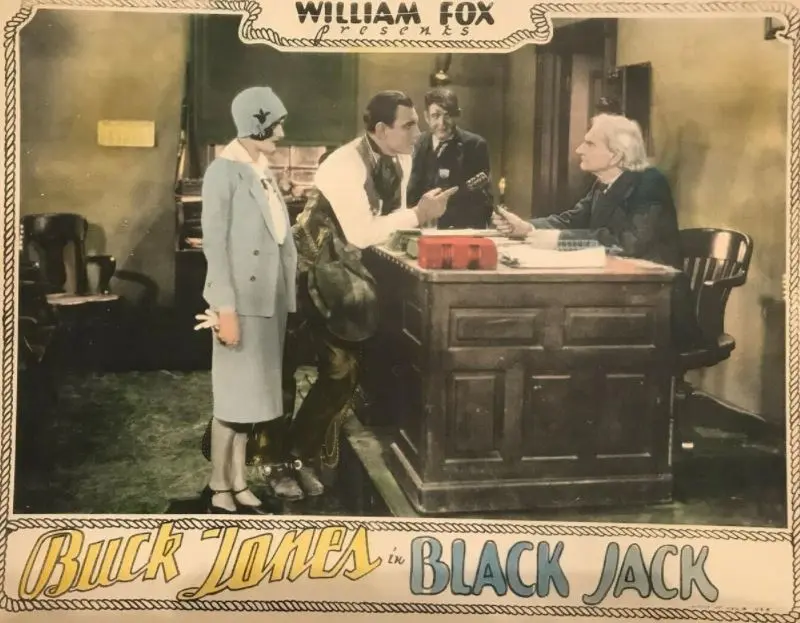
We need to talk about the stunts. In 1927, there were no green screens. When you see Buck Jones on Silver (his iconic horse), you are seeing a masterclass in equestrian performance. There is a specific scene where Phil must navigate a rocky descent to avoid an ambush. The camera stays wide, capturing the genuine peril of the terrain. It’s a moment that reminds you why these films were so popular—they offered a visceral reality that stage plays could never replicate.
Jones doesn't have the theatricality of some of his contemporaries. He doesn't overact with his eyes. Instead, he uses his body. The way he holsters his gun or shifts his weight in the saddle tells you everything you need to know about Phil Dolan's state of mind. It’s a performance of economy. It works. But it’s flawed in its lack of emotional range during the quieter moments with Nancy.
The pacing of the film is relentless. While some silent films like Sahara take their time to build an atmosphere, Black Jack is built on the philosophy of the 'B-Western' factory. It’s designed to entertain for 60 minutes and then get out of the way. This isn't a criticism—it’s an observation of its efficiency. Every scene serves the chase.
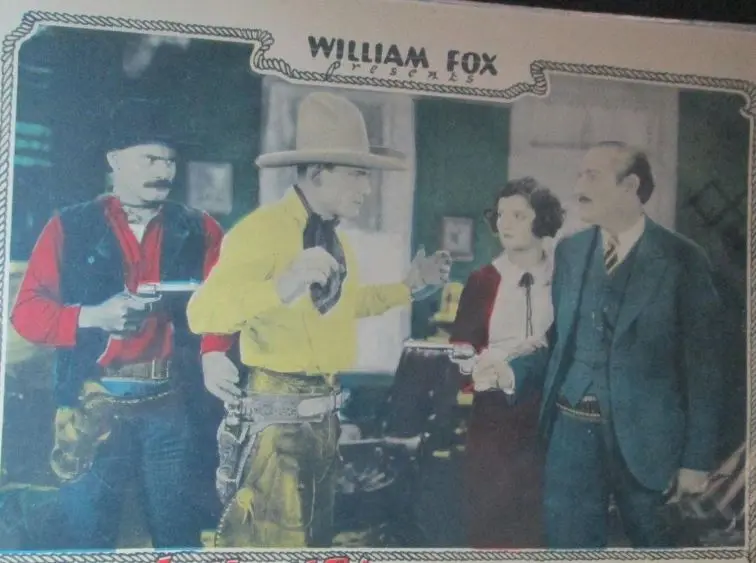
If you are looking for a historical document of how the Western genre solidified its tropes, then yes, Black Jack is essential viewing. It showcases the transition from the rugged realism of early silents to the more stylized, hero-centric narratives of the 1930s. It lacks the psychological depth of later Westerns, but it makes up for it with sheer forward momentum.
However, if you struggle with the limitations of silent film—the static camera placements and the lack of synchronized sound—this will not be the film to convert you. It is a genre piece through and through. It doesn't transcend its era; it embodies it.
William Caress, the director, understands the geography of the West. He uses the landscape not just as a backdrop, but as an obstacle. The ore mine itself, the destination of the entire plot, is filmed with a sense of looming importance. When the sheriff's posse finally arrives, the framing uses the natural rock formations to create a sense of entrapment for the rustlers.
The cinematography doesn't have the experimental flair of Lord Saviles brott, but it is functional and clear. There is a specific shot during the final confrontation where the dust kicked up by the horses obscures the frame, creating a chaotic, almost impressionistic vision of the battle. It feels accidental, but it’s the most visually interesting moment in the film.
We should also consider the writing of Johnston McCulley. You can see the 'Zorro' influence in the way Phil Dolan operates. He is a man who uses his wits as much as his guns. The silver dollar map is a very McCulley-esque device—a physical object that represents a secret identity or a hidden truth. It adds a layer of 'pulp' to what could have been a standard rustler story.
The film is incredibly lean. There is no fat on this narrative. It establishes the conflict in the first five minutes and doesn't let up until the credits roll. The use of the silver dollar as a map is a memorable visual hook that distinguishes it from other low-budget Westerns of the time like Go Easy.
The female lead, Nancy Dolan, is given very little to do other than be a catalyst for Phil's actions. While typical for 1927, it makes the emotional stakes feel one-dimensional. Additionally, the resolution with the sheriff's posse feels a bit like a 'deus ex machina', arriving exactly when the plot needs to end rather than through a natural progression of events.
When we look back at Black Jack, we have to see it in the context of its peers. It isn't as ambitious as Border Law, but it has a charm that is hard to deny. It is a 'Saturday Matinee' film in its purest form. It was meant to be watched with a crowd, cheering for the hero and hissing at the villain.
The film’s influence can be seen in later 'treasure map' Westerns. It established a rhythm of pursuit and discovery that would be refined for decades. It’s not a masterpiece. It’s a workhorse. And like a good workhorse, it gets the job done without much fuss.
Black Jack is a solid, if unremarkable, entry into the silent Western canon. Buck Jones is the clear draw here, providing a level of star power that elevates the material. The plot is a bit of a gimmick, but it’s a fun gimmick. If you have an hour to spare and a love for the old West, you could do much worse than this silver-etched adventure. It’s a piece of history that still has a bit of kick left in it.
IMDb —
1928
Community
Log in to comment.