DbcultAccessing Vault...
Cult Review
Senior Film Conservator
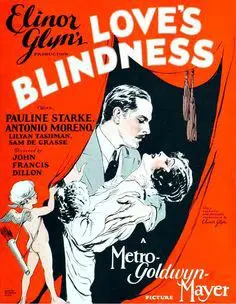
Is Love's Blindness a film that deserves a modern audience? Short answer: yes, but only as a stark, uncomfortable historical artifact rather than a romantic evening's entertainment.
This film is specifically for students of silent cinema and those interested in the evolution of social tropes on screen; it is absolutely not for viewers seeking a feel-good romance or a story that aligns with contemporary moral values. It is a harsh, often ugly look at the intersection of class and prejudice in the 1920s.
1) This film works because it captures the genuine, unvarnished anxieties of the British aristocracy during a period of economic decline.
2) This film fails because its central 'hero' is a fundamentally loathsome character whose redemption feels unearned and logically inconsistent.
3) You should watch it if you want to see how Elinor Glyn, the queen of the 1920s 'scandal' novel, attempted to navigate the shifting sands of racial and social identity in Hollywood.
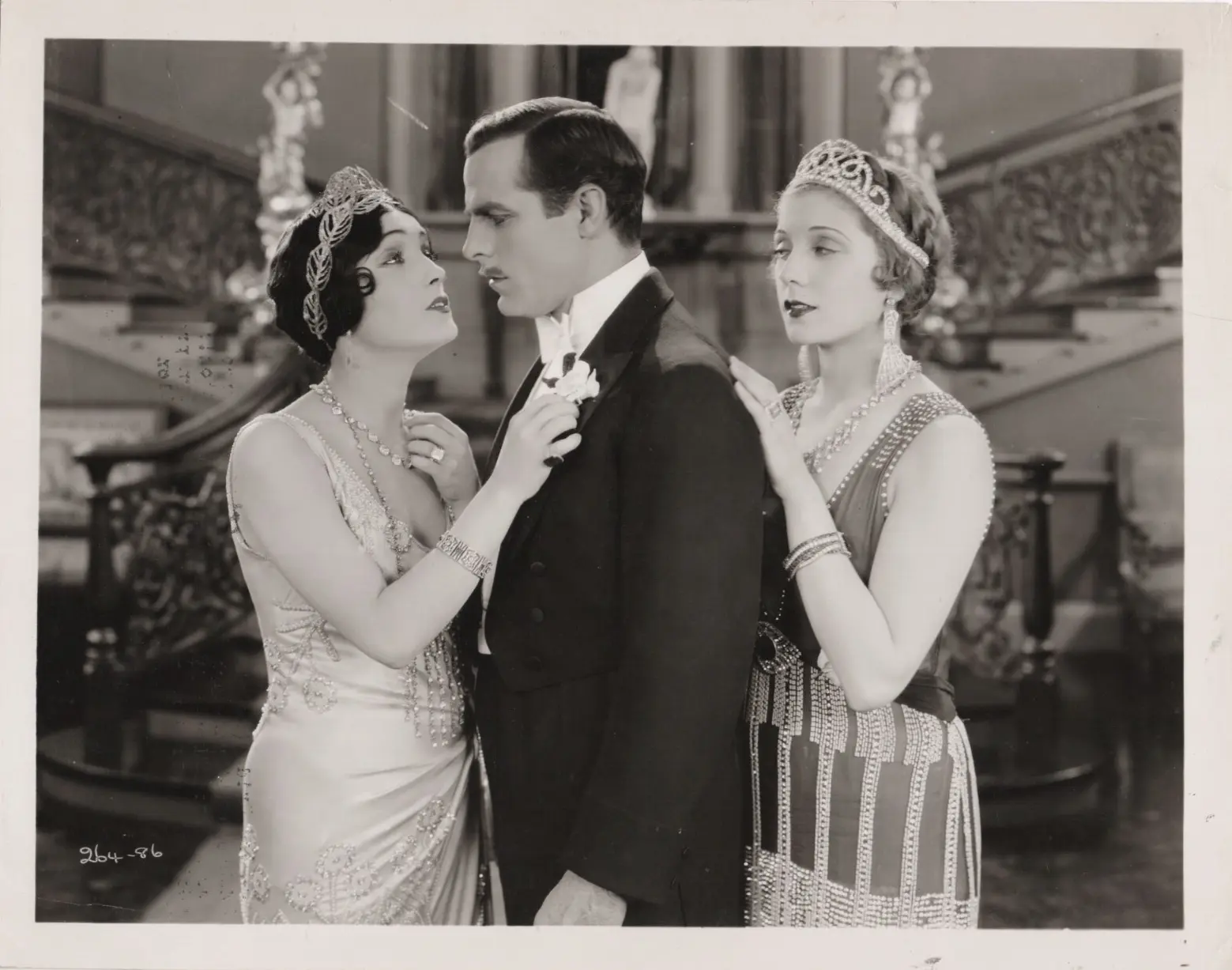
The premise of Love's Blindness is built on a foundation of transactional cruelty. Lord Hubert, played with a stiff, almost robotic arrogance by Antonio Moreno, is not a protagonist we are meant to like initially, yet the film struggles with how much it wants us to forgive him. The scene where he informs Vanessa (Pauline Starke) that their marriage is a 'business matter' is filmed with a cold, distancing lens. There are no soft edges here. The lighting is harsh, almost clinical, highlighting the physical distance between the two in their cavernous, empty home.
Hubert represents the dying gasp of a class that believes its blood is worth more than the money that keeps it alive. His prejudice isn't just a character flaw; it’s his entire identity. When he tells Vanessa he could never love 'one of her kind,' the intertitles don't soften the blow. It is a direct, brutal rejection. This makes the film's later attempts at emotional softening feel hollow. It works. But it’s flawed. We are asked to eventually root for a man who has essentially sold himself while maintaining a sense of moral superiority over the person who bought him.
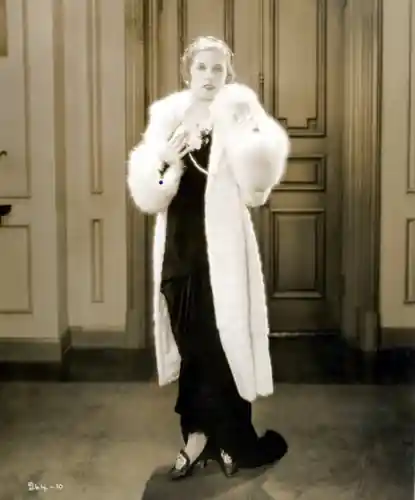
If there is a reason to sit through the agonizing social politics of this film, it is Pauline Starke. Unlike the broad, theatrical acting found in some contemporary works like The Virgin Queen, Starke offers a performance of quiet, simmering resentment. She doesn't play Vanessa as a victim, but as a woman who understands exactly what she has entered into. Her eyes carry the weight of the film’s narrative, often conveying more in a single close-up than the script's clunky dialogue ever could.
There is a specific moment after the wedding ceremony where Starke catches her reflection in a mirror. She isn't looking at her beauty; she’s looking at the 'Lady' she has become and the price she paid for it. It’s a subtle piece of acting that stands in sharp contrast to the more melodramatic flourishes of the era, such as those seen in A Cumberland Romance. Starke manages to humanize a character that the script frequently treats as a mere plot device.
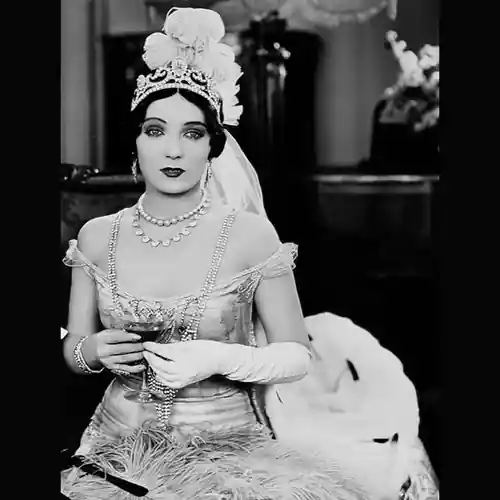
Elinor Glyn was famous for her 'It' factor, a precursor to modern celebrity glamour. In Love's Blindness, her influence is felt in the lush set designs and the focus on the 'scandalous' nature of the union. However, the film lacks the playful sensuality of her other works. It feels bogged down by its own attempt at social commentary. The pacing is deliberate, bordering on sluggish, as if the director, John S. Robertson, wanted the audience to feel the same boredom and entrapment that Hubert feels in his marriage.
Compared to the vibrant energy of Politics, this film is a funeral march. The camera rarely moves, preferring to observe the characters in static medium shots that emphasize their isolation. This creates a sense of stage-play rigidity that may alienate modern viewers used to the dynamic editing of later silent masterpieces. It’s a film that demands patience, though it rarely rewards that patience with a satisfying payoff.
Is Love's Blindness (1926) a good movie by today's standards?
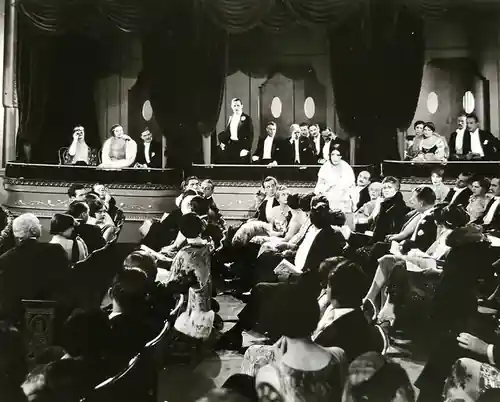
No, it is not a 'good' movie if you are looking for a coherent or morally sound narrative. It is, however, a fascinating movie for those who want to understand the DNA of 1920s social prejudice. It provides a raw, unfiltered look at how the elite viewed social climbing and ethnic identity during the silent era.
The film’s value lies in its discomfort. It forces the viewer to confront the fact that the 'golden age' of Hollywood was built on stories that often reinforced the very barriers they claimed to explore. If you’ve already seen the more standard classics like Borrowed Clothes, this film offers a much darker, more cynical counterpoint to the era's typical rags-to-riches stories.
Technically, the film is competent but uninspired. The cinematography by Oliver T. Marsh focuses heavily on the architecture of the noble estate. The high ceilings and dark wood paneling are used to dwarf the characters, suggesting that the house itself is the true master of the story. Hubert and Vanessa are just ghosts haunting a dying institution. This visual metaphor is effective, but it’s repeated so often that it loses its impact by the second act.
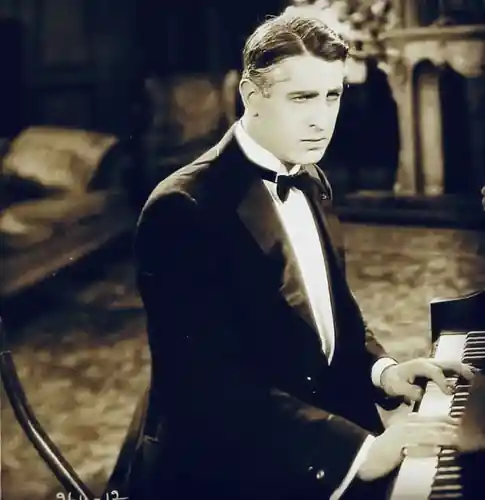
One of the few visual highlights is the use of shadow during the late-night confrontations. The way the light catches the silver on the dinner table while leaving the characters' faces in partial darkness perfectly mirrors the hidden agendas at play. It’s a technique that would later be perfected in film noir, but here it feels like an early, experimental use of high-contrast lighting to signify moral ambiguity.
Pros:
- Strong lead performance by Pauline Starke.
- Interesting historical context regarding class and debt.
- Atmospheric set design that conveys a sense of decaying grandeur.
Cons:
- Deeply problematic and unexamined anti-semitic themes.
- A slow, stagey pace that lacks cinematic fluidity.
- An unlikable male lead who remains unsympathetic throughout.
To understand Love's Blindness, one must understand the literary tropes Glyn was pulling from. The 'moneylender' was a tired, offensive caricature even in 1926, yet Glyn uses it as the primary engine for her plot. This film doesn't try to subvert the trope; it leans into it to create tension. By modern standards, this makes the film nearly unwatchable as a piece of art, but as a piece of evidence, it is invaluable. It shows us exactly what the 'polite society' of the time found acceptable to put on screen.
When compared to more whimsical silent films like Der verlorene Schuh, the darkness of Love's Blindness becomes even more apparent. It lacks the escapism that defined much of the era's output. Instead, it offers a grim, almost nihilistic view of human relationships where everything—even marriage—is a debt to be settled. It’s a film that leaves a bitter taste in the mouth, which, intentionally or not, is its most honest quality.
Love's Blindness is a difficult film to recommend, yet it is an impossible one to ignore if you care about the history of the medium. It is a movie that stands as a monument to a specific kind of 1920s arrogance. Hubert is a bore, frankly, and the film’s attempt to find romance in his eventual 'acceptance' of his wife is more insulting than his initial rejection. However, the technical execution and Starke's performance keep it from being a total loss. It is a broken, ugly, but fascinating window into a world we are lucky to have left behind.
IMDb 6.4
1934
Community
Log in to comment.