DbcultAccessing Vault...
5.9/10
Senior Film Conservator
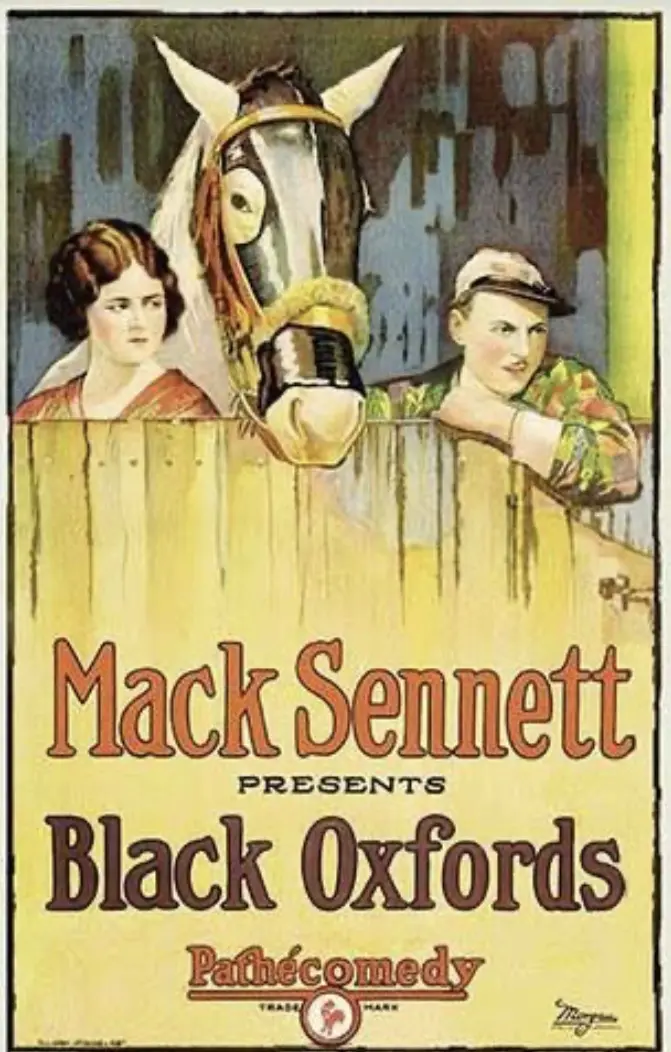
A definitive 5.9/10 rating for a film that redefined the boundaries of cult cinema. Black Oxfords remains a cornerstone of transgressive art.
In the pantheon of 1924 cinema, few films capture the intersection of juvenile delinquency and domestic pathos with the raw, unvarnished sincerity of Black Oxfords. Directed with a keen eye for the spatial politics of the early 20th century, this silent gem transcends its era’s penchant for melodrama to deliver a narrative that feels surprisingly contemporary in its critique of economic precariousness. While contemporary audiences might associate the name Roger Moore with a certain suave secret agent, the Moore of this era provides a masterclass in silent vulnerability, portraying a 'misguided youth' whose moral compass is spun wildly by the winds of misfortune and systemic neglect.
The film opens with a visceral sense of enclosure. The carceral setting is not merely a backdrop but a character in itself—a cold, indifferent force that the protagonist and his companion must navigate with desperate ingenuity. Unlike the more whimsical escapes seen in In Bad, the breakout in Black Oxfords is heavy with the weight of consequence. There is no celebratory montage; instead, there is the haunting realization that freedom is merely the beginning of a different kind of imprisonment: the social exile of the fugitive.
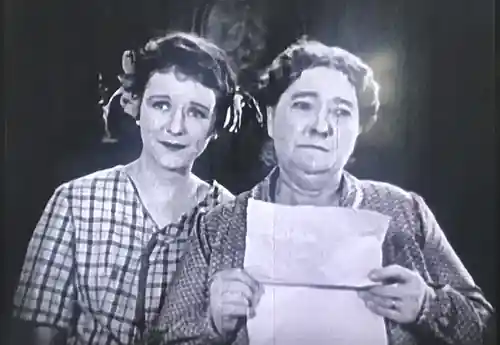
Upon returning to his familial roots, Moore’s character finds a home that is less a sanctuary and more a fortress under siege. The threat of eviction serves as the film’s ticking clock, a narrative device that Jack Wagner and John A. Waldron use to expert effect. The plight of the mother and sister—portrayed with heart-wrenching stoicism by the supporting cast—mirrors the broader anxieties of the 1920s working class. Here, the film shares a thematic kinship with The Bargain, where the individual’s struggle against the law is secondary to their struggle for a stable existence.
The casting is particularly inspired. Marceline Day and Natalie Kingston bring a nuanced depth to roles that could have easily devolved into one-dimensional damsels. Instead, they represent the collateral damage of a judicial system that punishes the family for the sins of the son. Andy Clyde and Vernon Dent, often known for their comedic timing, provide a grounded realism that prevents the film from floating into the ether of pure tragedy. Their presence reminds the viewer that even in the darkest hours, there is a pulse of humanity, a flicker of community that persists despite the looming shadow of the landlord.
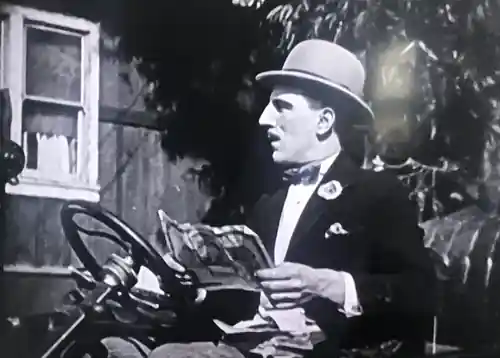
Technically, Black Oxfords utilizes the chiaroscuro of the silent era to articulate the protagonist's internal duality. The sea blue (#0E7490) undertones of the night sequences—often achieved through tinting in original prints—convey a chilling sense of isolation. The camera work, though restricted by the technology of the time, exhibits a surprising fluidity during the escape sequences, contrasting sharply with the static, claustrophobic framing of the family home. This visual dichotomy emphasizes the protagonist's dilemma: the kinetic energy of flight versus the stagnant despair of poverty.
When comparing this work to The Little Fool, one notices a distinct lack of sentimentality in Wagner’s script. Black Oxfords does not offer easy redemptions. The protagonist’s journey is one of attrition, where every step toward saving his family requires a sacrifice of his own safety. It lacks the pastoral idealism found in Nan of Music Mountain, opting instead for a gritty, urban realism that predates the film noir movement by nearly two decades.
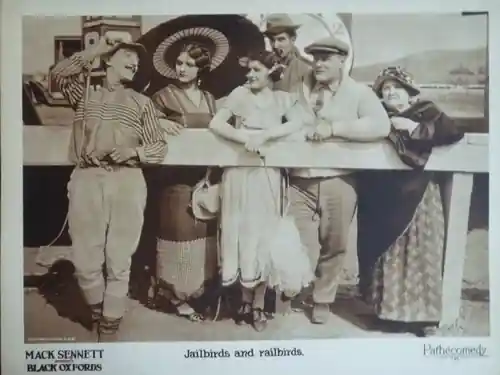
The depth of the cast list—including Coy Watson, Sidney Smith, and the formidable Kalla Pasha—ensures that every scene feels populated by lived-in histories. Anna Dodge as the mother provides the emotional anchor of the film. Her performance is a quiet rebellion against the fate the world has assigned her. In many ways, her struggle is more harrowing than the jailbreak itself; she is fighting a war of attrition against a landlord who remains an abstract, yet omnipresent, villain.
Special mention must be made of Leo Sulky and Marvin Loback, whose presence adds a layer of texture to the film’s social milieu. They represent the various facets of a society that is unsure whether to punish or pity the protagonist. This ambiguity is what makes Black Oxfords so compelling. It refuses to provide the audience with a comfortable moral high ground. We are forced to ask: if the law fails to protect the home, is the law still just? This question echoes through other contemporary works like The Alaskan, though in a much more localized, intimate setting.
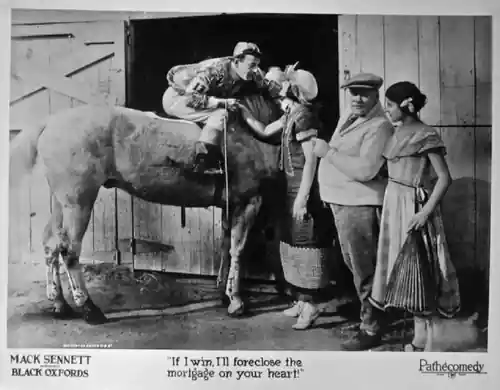
In the broader context of 1920s cinema, Black Oxfords stands as a bridge between the moralistic fables of the early decade and the more cynical social dramas that would follow. It lacks the aristocratic posturing of A Gentleman from Mississippi, preferring the dirt of the streets to the polish of the parlor. Yet, it possesses a certain dignity that is often missing from the more escapist fare of the time, such as Her Five-Foot Highness.
The film’s pacing is relentless. Once the protagonist arrives home, the narrative tightens its grip. The threat of the law returning to claim him is balanced against the threat of the sheriff arriving to remove his family’s belongings. This dual pressure creates a symphony of suspense that culminates in a finale that is as exhausting as it is exhilarating. Unlike the more meditative Robinson Crusoe Hours, Black Oxfords is a film of action and consequence, where silence is filled with the thumping of a panicked heart.
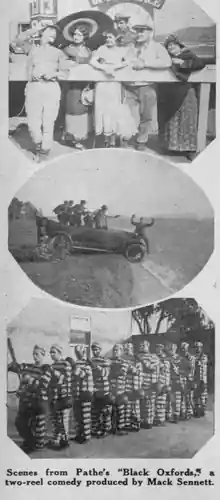
To watch Black Oxfords today is to witness the birth of the social thriller. It is a film that understands that the greatest horrors are not found in the shadows of a prison cell, but in the light of a day where one’s home is no longer one’s own. The performance by Roger Moore is a revelation, a reminder of the power of the human face to convey complex ethical quandaries without the need for a single spoken word. His chemistry with Coy Watson provides the film's only moments of levity, a necessary respite from the encroaching gloom.
The script by Wagner and Waldron is a lean, muscular piece of writing. It avoids the flowery intertitles that plagued many of its contemporaries, opting instead for dialogue that feels urgent and grounded. It is a stark contrast to the more whimsical Her First Kiss, proving that the silent medium was more than capable of handling mature, complex themes of survival and sacrifice.
Ultimately, Black Oxfords is a testament to the enduring power of the family unit as a site of both immense vulnerability and incredible strength. It is a film that deserves to be pulled from the archives and studied, not just as a historical curiosity, but as a vibrant, breathing piece of art that still has much to say about the cost of redemption and the price of a place to call home. In the landscape of 1924, it was a bold statement; in the landscape of today, it remains a hauntingly relevant masterpiece of the silent era.
For those interested in the evolution of the 'outlaw with a heart of gold' trope, comparing this to Devil McCare or the rugged individualism of The Halfbreed provides a fascinating look at how silent cinema grappled with the concept of the social outsider. Even the more psychological explorations found in Blind Man's Holiday or the career-focused narratives like The Career of Katherine Bush fail to capture the raw, proletarian urgency found here. Black Oxfords is, and remains, a singular achievement in the pursuit of cinematic truth through the lens of fiction.
IMDb —
1916
Community
Log in to comment.