DbcultAccessing Vault...
6.8/10
Senior Film Conservator
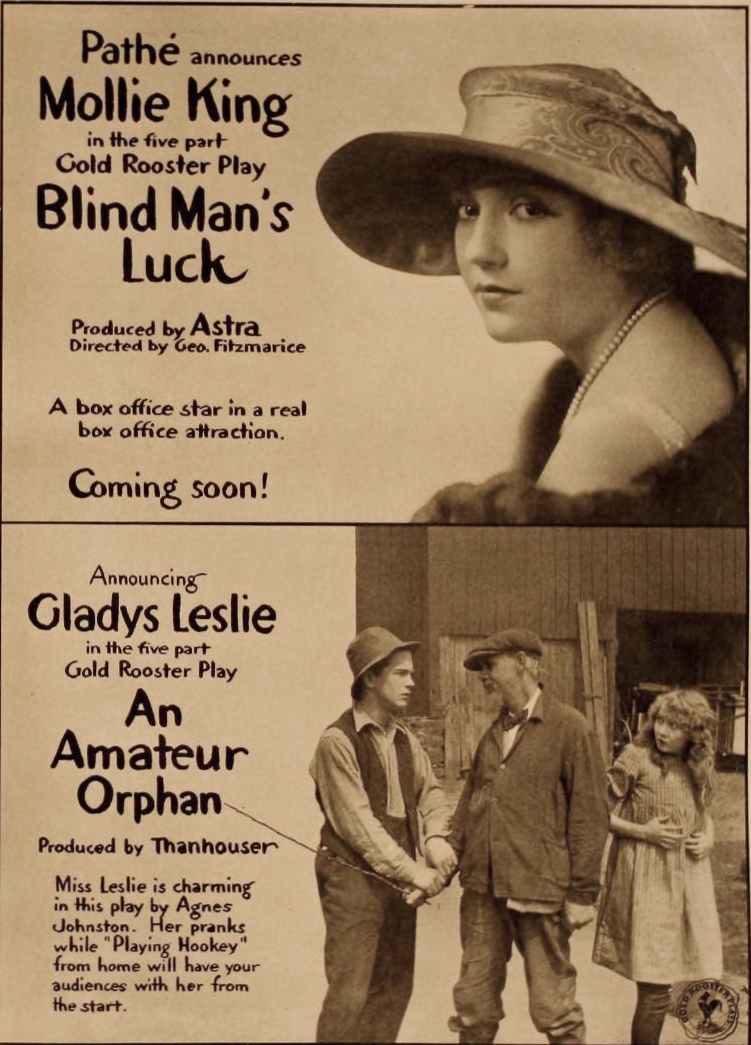
A definitive 6.8/10 rating for a film that redefined the boundaries of cult cinema. Blind Man's Luck remains a cornerstone of transgressive art.
In the annals of early cinema, where narrative often wrestled with nascent technology, certain films emerge as more than mere historical curiosities. They stand as testaments to the enduring power of storytelling, even when conveyed through flickering frames and expressive pantomime. George B. Seitz’s 1917 creation, Blind Man's Luck, is precisely such a work – a compelling melodrama that threads together themes of mistaken identity, societal pressure, and the redemptive power of an unexpected bond. It’s a film that, despite its century-old vintage, retains a surprising resonance, inviting modern viewers to ponder the intricate dance between destiny and human agency.
The narrative commences with a palpable sense of foreboding, introducing Eileen Caverly, portrayed with nuanced intensity by Mollie King. Eileen is not merely traveling; she is fleeing, or at least attempting to evade, a past that hounds her. Suspected of smuggling, her journey aboard the Connecticut Limited is shadowed by a relentless detective, a silent specter of justice (or injustice) hot on her trail. This initial setup immediately establishes a tension that permeates the entire film, painting Eileen as a woman on the precipice, her future hanging by a thread of circumstance and cunning. King’s portrayal, relying heavily on subtle gestures and profound glances typical of the silent era, conveys a woman both vulnerable and remarkably resourceful, hinting at depths beneath her composed exterior.
Concurrently, the film introduces us to Bob Guerton, brought to life by the charismatic Earle Foxe. Bob is a study in inherited privilege squandered, a young man banished from his father’s opulent household, his reputation tarnished by debts incurred from a life of dissipation. His companions in this downward spiral include Helen Raymond (Helene Chadwick), whom he married in a haze of inebriation – a union born not of affection, but of alcoholic abandon. Chadwick’s Helen, though her screen time is tragically curtailed, effectively conveys a woman caught in a gilded cage of her husband’s making, her disillusionment with Bob’s actions serving as a poignant counterpoint to his heedless existence. Her confession to Eileen, a desperate plea for understanding from a stranger, highlights the profound isolation of her predicament, a silent scream for recognition of her suffering. It’s a scene that, despite its brevity, underscores the film’s keen observation of human fragility and the unexpected connections forged in moments of crisis.
The pivotal turning point, both literally and figuratively, arrives with the cataclysmic train wreck. This dramatic set-piece, a staple of early cinematic thrillers, serves not merely as spectacle but as a narrative catalyst, violently disrupting the established order and propelling the characters into unforeseen trajectories. Helen Raymond perishes in the wreckage, a tragic end that, ironically, opens a door for Eileen. Seizing an opportunity born of desperation and quick thinking, Eileen assumes Helen’s identity. This act of calculated deception is not born of malice, but of pure survival instinct, a desperate gambit to escape the detective who lurks in her periphery. The film navigates this moral ambiguity with a quiet grace, presenting Eileen’s choice as a pragmatic response to an untenable situation rather than an act of villainy. It’s a compelling exploration of how extraordinary circumstances can force ordinary individuals to adopt extraordinary measures.
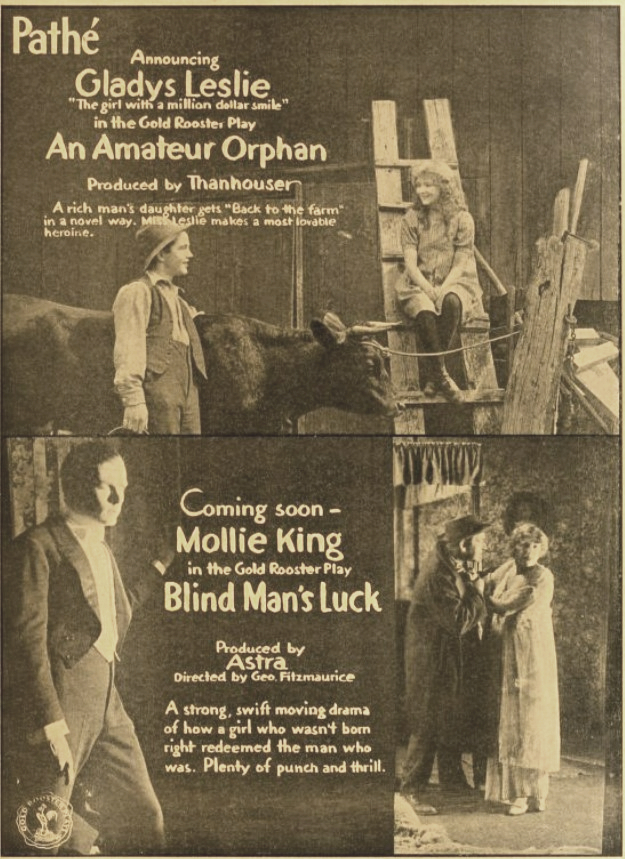
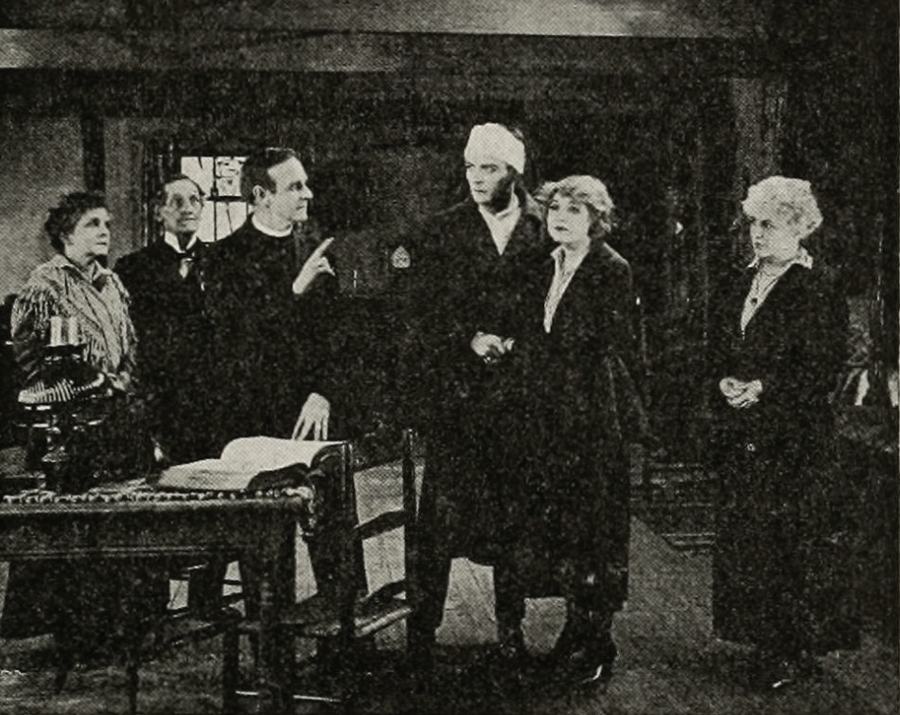
Bob, injured but alive, is transported to the hospital, with Eileen, now masquerading as his wife, by his side. The irony is palpable: a fugitive, by virtue of a tragic accident, finds herself thrust into a role of domesticity. The arrival of Bob's mother, a formidable matriarch played by Zeffie Tilbury, adds another layer of complexity. Learning of her son's hasty, Justice of the Peace marriage, she insists on a proper, ministerial ceremony. This insistence, steeped in the societal conventions of the era, inadvertently legitimizes Eileen's deception, binding her to Bob in a way neither could have foreseen. Tilbury’s performance, though brief, imbues the mother with an almost regal authority, her pronouncements shaping the lives of those around her with an unyielding conviction. The forced marriage, a trope found in many melodramas of the period, including The Vow, here serves as a foundation for genuine transformation rather than mere constraint.
What follows is the heart of the film’s redemptive arc. Eileen, initially a reluctant participant in this charade, gradually embraces her role. Her quiet strength and unwavering support become the bedrock upon which Bob rebuilds his life. Foxe’s portrayal of Bob’s transformation is particularly noteworthy. He sheds the dissolute skin of his former self, guided by Eileen’s steadfast presence. His journey from a shiftless wastrel to a successful, responsible man, and ultimately a loving father, is rendered with a conviction that makes his metamorphosis believable. This narrative of a troubled man finding salvation through the influence of a good woman is a classic cinematic motif, echoing sentiments found in films like The Man Who Was Afraid, where moral courage reshapes destiny. The film avoids saccharine sentimentality, instead portraying their bond as one forged in adversity, strengthened by mutual respect and a shared secret.
The birth of their son further solidifies their union, offering a tangible symbol of their new life and shared future. This familial bliss is juxtaposed with the lingering shadow of Eileen's past, creating a subtle tension that underlies their apparent happiness. The reconciliation with Bob's estranged father, a moment of profound emotional release, marks the completion of Bob's journey back into societal grace. The film, through these carefully orchestrated plot points, champions the idea that individuals can indeed overcome their pasts, and that true character is often revealed not in comfort, but in crisis.
However, the serene domesticity cannot last indefinitely. The past, as is its cinematic wont, returns with a vengeance. Cromwel Crow, Eileen's former guardian and criminal associate, portrayed with menacing effectiveness by Riley Hatch, is released from jail. Crow embodies the external threat, the tangible link to Eileen’s shadowy origins. His arrival, a jarring intrusion into their idyllic life, shatters the fragile peace Eileen has painstakingly built. He demands $5000 for his silence, a blackmail attempt that forces Eileen to confront the very secrets she has desperately tried to bury. Hatch’s performance as Crow is a masterclass in silent film villainy, his expressions and gestures conveying a palpable sense of greed and menace, a stark contrast to the quiet dignity Eileen has cultivated.
The ensuing confrontation is the film’s dramatic climax. Bob, hearing his wife struggling, rushes into her room. In the ensuing struggle, a chaotic ballet of desperation and self-preservation, Crow is killed. This sudden, violent resolution is both shocking and cathartic. It’s a moment that, while tragic, ultimately frees Eileen. Her secret, a heavy burden she has carried throughout her transformation, dies with her adversary. The death of Crow is not just the end of a villain; it is the symbolic erasure of Eileen's criminal past, allowing her to fully embrace her new identity without the constant threat of exposure. This dramatic resolution, where a violent act ironically leads to liberation, is a powerful narrative device, reminiscent of the moral complexities explored in films like The Third Degree, where justice and consequence are often intertwined with personal sacrifice.
From a cinematic perspective, George B. Seitz's script for Blind Man's Luck is a tightly constructed piece of melodrama. The pacing is deliberate, allowing for character development and the gradual escalation of tension. Seitz, a prolific writer and director of the era, demonstrates a keen understanding of narrative structure, employing classic devices like dramatic irony and sudden reversals of fortune to keep the audience engaged. The film’s strength lies not just in its plot, but in its ability to evoke emotional responses through visual storytelling. The performances, particularly from Mollie King and Earle Foxe, are a testament to the power of silent acting, conveying complex emotions and motivations without the aid of dialogue.
The use of intertitles, while a necessary component of silent film, is judicious, serving to advance the plot and provide crucial insights into character thoughts rather than simply narrating events. The visual composition, though perhaps less flamboyant than some contemporary productions, is effective in establishing mood and setting. The train wreck sequence, for its time, would have been a significant technical undertaking, demonstrating the burgeoning ambition of filmmakers to create large-scale spectacle. This balance between intimate character drama and broader, thrilling set pieces is a hallmark of successful early cinema.
Beyond the plot mechanics, Blind Man's Luck delves into timeless themes. It explores the societal pressures placed upon women in the early 20th century, particularly the limited options available to those with a tainted past. Eileen's decision to embrace a false identity is a stark reflection of a world where reputation could dictate destiny. Her transformation from a woman on the run to a pillar of her family speaks to the human capacity for change and the often-unseen strength of individuals forced into dire circumstances. It also subtly critiques the superficiality of social standing, contrasting Bob's initial privilege with his ultimate redemption earned through hard work and genuine affection.
The film’s title itself, Blind Man's Luck, is rich with interpretive possibilities. Is it Bob’s luck, blind to Eileen’s true past, that leads him to redemption? Or is it Eileen’s luck, navigating a world where her past could easily condemn her, that ultimately allows her to find peace? The ambiguity invites reflection, making the viewing experience more engaging than a simple good-versus-evil narrative. It is a testament to Seitz’s writing that these questions linger long after the final fade to black.
In conclusion, Blind Man's Luck stands as a compelling example of silent era melodrama, a film that deftly combines thrilling plot points with a profound exploration of character and morality. It showcases the talents of its cast, particularly Mollie King, whose portrayal of Eileen Caverly is both sympathetic and powerfully resilient. George B. Seitz’s script is a tightly woven tapestry of fate, deception, and ultimate redemption, demonstrating that even in the absence of spoken dialogue, a story can resonate with emotional depth and intellectual complexity. For aficionados of classic cinema, or anyone interested in the foundational narratives that shaped the art form, this film offers a fascinating glimpse into a bygone era, proving that sometimes, the most profound stories are told in silence. It reminds us that luck, whether blind or otherwise, often plays a crucial role in the intricate tapestry of human lives, guiding us through trials and towards unforeseen destinies.

IMDb 5.4
1930
Community
Log in to comment.