DbcultAccessing Vault...
6.1/10
Senior Film Conservator
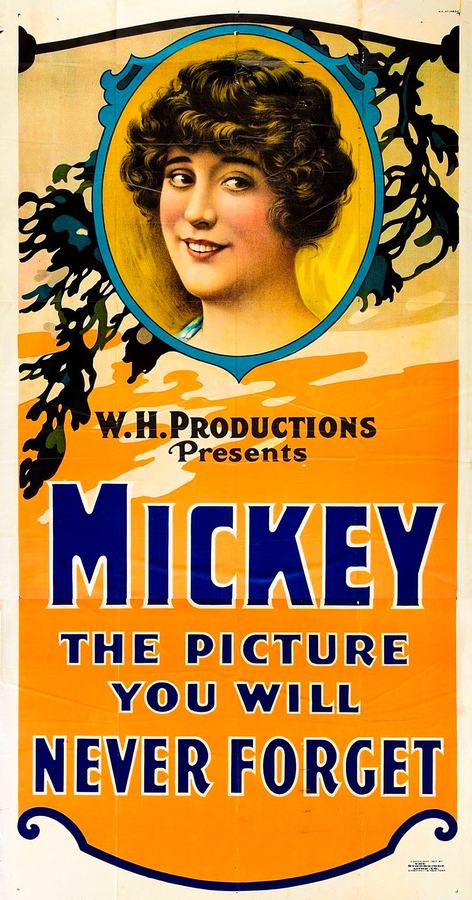
A definitive 6.1/10 rating for a film that redefined the boundaries of cult cinema. Mickey remains a cornerstone of transgressive art.
Ah, the silent era! A time when narratives unfurled with a grand theatricality, where emotions were writ large across expressive faces, and the very fabric of storytelling hinged on visual poetry. Among the myriad gems unearthed from this period, Mickey, a 1918 production, stands as a vibrant testament to the enduring power of a simple, heartfelt tale. This isn't just a film; it's a cultural artifact, a window into a bygone age, and a magnificent showcase for the incomparable talents of Mabel Normand, whose vivacious spirit electrifies every frame. To merely call it a 'silent comedy-drama' would be to undersell its nuanced charm and its surprisingly profound exploration of identity and belonging, crafted by the astute pens of J.G. Hawks and Hampton Del Ruth.
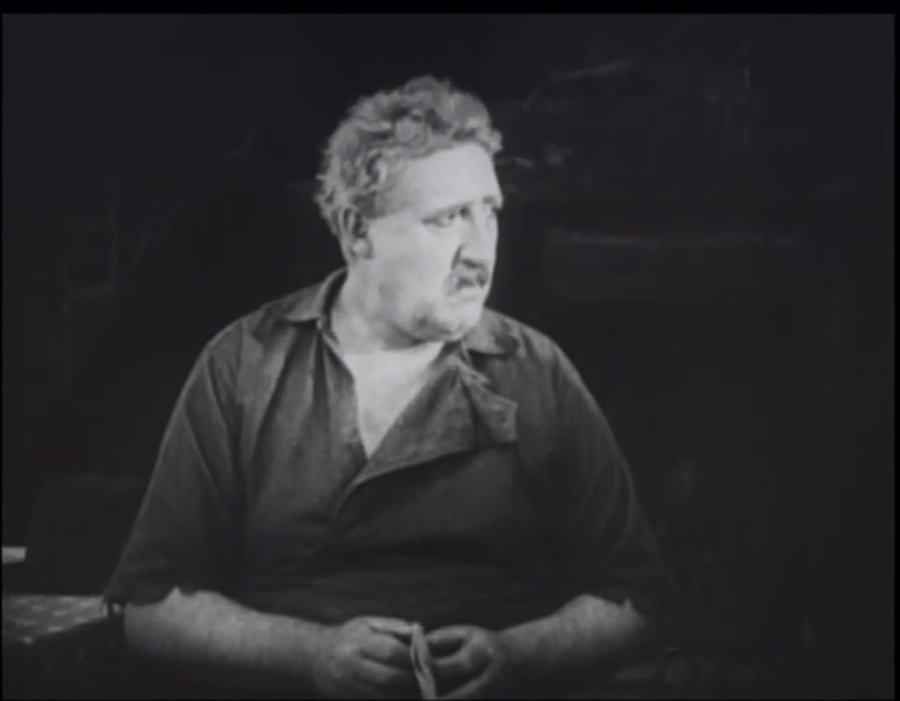
Our story introduces us to Mickey, an orphan whose formative years have been sculpted by the austere yet honest environment of a remote mining settlement. Here, amidst the rugged terrain and the stoic visages of laborers like Joe Bordeaux and William Colvin, Mickey has blossomed, not into a delicate hothouse flower, but a resilient wildflower. Her days are spent in spirited pursuits, often clad in overalls, her hands accustomed to the earth, her spirit unfettered by conventional feminine strictures. She is a creature of instinct and earnestness, her heart as open as the vast, unblemished skies above her home. This rustic upbringing, far from being a disadvantage, has imbued her with an authenticity that will soon clash — gloriously, dramatically, and often comically — with the artificialities of urban life.
The catalyst for change arrives with the news that Mickey is to be dispatched to New York, destined for the ostensibly refined embrace of her estranged aunt. This abrupt transplantation is not merely a change of address; it's a seismic shift in her very existence, a forced migration from the crucible of raw experience to the polished, often deceptive, surfaces of high society. Much like the titular character in David Copperfield (though a later adaptation, the thematic resonance of an orphan navigating a bewildering new world is striking), Mickey finds herself cast adrift in a world utterly alien, compelled to navigate a social topography as treacherous as any mountain pass in her former home. The anticipation of this journey, both for the character and the viewer, is palpable, promising a delightful unraveling of expectations.
At the heart of Mickey's enduring appeal is the incandescent performance of Mabel Normand. To witness Normand in full flight is to understand why she was one of the most beloved stars of her era. Her Mickey is not a caricature of rural naiveté, but a fully realized individual whose innocence is tempered by an innate shrewdness and an indomitable will. She embodies a rare blend of physical comedy, emotional depth, and sheer, unadulterated charm. Whether she's awkwardly attempting to master the intricacies of a tea party or fearlessly confronting a social snob, Normand’s every gesture, every facial expression, is a masterclass in silent acting. She doesn't just play Mickey; she becomes her, inviting the audience to laugh with her, empathize with her, and root for her with unwavering devotion.
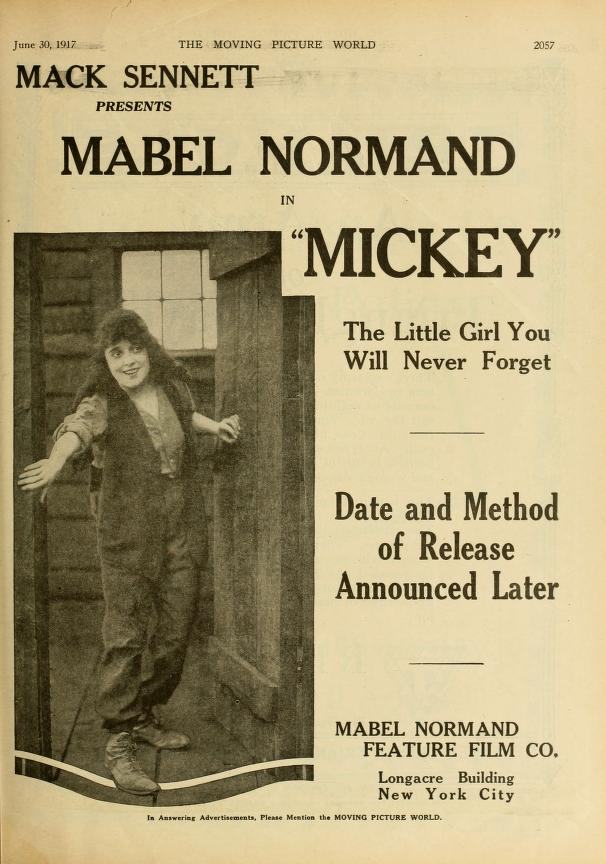
Normand's portrayal transcends the typical 'country bumpkin in the big city' trope. Her Mickey possesses an inherent dignity, a refusal to be cowed by the judgments of others. This resilience is what truly elevates the film. She maintains her forthrightness, her willingness to speak her mind, and her genuine warmth, even when faced with the icy disdain of her aunt and the snobbery of the urban elite. This particular quality sets her apart from other cinematic orphans of the time, who might have been portrayed as more overtly helpless. Mickey, by contrast, is a force of nature, a spirited whirlwind destined to disrupt and ultimately, perhaps, to enchant. Her performance here is arguably one of the high points of her illustrious career, a testament to her versatility beyond the slapstick comedies for which she was also renowned. It's a tour de force that commands attention and affection from start to finish.
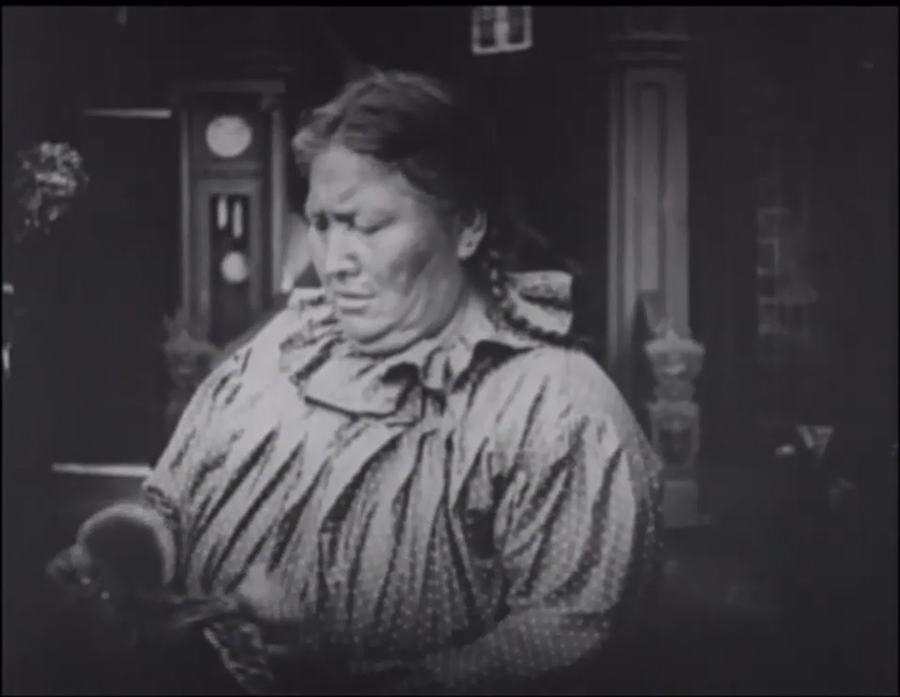
Upon her arrival in New York, Mickey is thrust into a world diametrically opposed to everything she has ever known. Her aunt's opulent mansion, a gilded cage of societal expectations, becomes the arena for a delightful and sometimes poignant clash of cultures. The film masterfully exploits this contrast for both comedic effect and dramatic tension. Mickey's straightforward mannerisms, her practical attire, and her unvarnished honesty are met with a mixture of amusement, horror, and thinly veiled contempt from her new guardians and their social circle. Laura La Varnie, as the aunt, delivers a performance that perfectly encapsulates the rigid, class-conscious society that Mickey must navigate. Her expressions of exasperation and her attempts to 'civilize' Mickey provide much of the film's early humor, a sharp contrast to Mickey's unburdened spirit.
The writers, J.G. Hawks and Hampton Del Ruth, demonstrate a keen understanding of character dynamics. They don't merely present Mickey as a fish out of water; they explore the profound implications of such a displacement. The urban setting, with its intricate social rituals and its emphasis on appearances, serves as a mirror reflecting Mickey's innate authenticity. The film cleverly uses various social gatherings—from formal dinners to garden parties—to highlight Mickey's charming ineptitude and her eventual triumph over superficiality. It's a narrative arc that resonates with timeless themes, reminding one of the classic struggles between genuine character and acquired status, a motif also subtly explored in films like The Turmoil, albeit with different class implications and a more overtly dramatic tone. Mickey's journey is a microcosm of the American dream, where grit and integrity ultimately prevail over inherited privilege.
While Mabel Normand is undeniably the sun around which Mickey orbits, the film is enriched by a delightful constellation of supporting players. Wheeler Oakman, portraying the debonair but somewhat misguided love interest, brings a credible earnestness to his role, creating a compelling romantic foil for Mickey's spirited nature. Their burgeoning relationship forms a central pillar of the narrative, evolving from initial misunderstanding to genuine affection, a testament to the power of seeing beyond societal facades. Lew Cody, as the villainous figure, injects a necessary dose of dramatic tension, his suave menace providing a stark contrast to Mickey's guileless charm. His machinations are typical of silent era melodrama, yet they serve their purpose effectively in propelling the plot forward and placing Mickey in peril, allowing her heroics to shine even brighter.
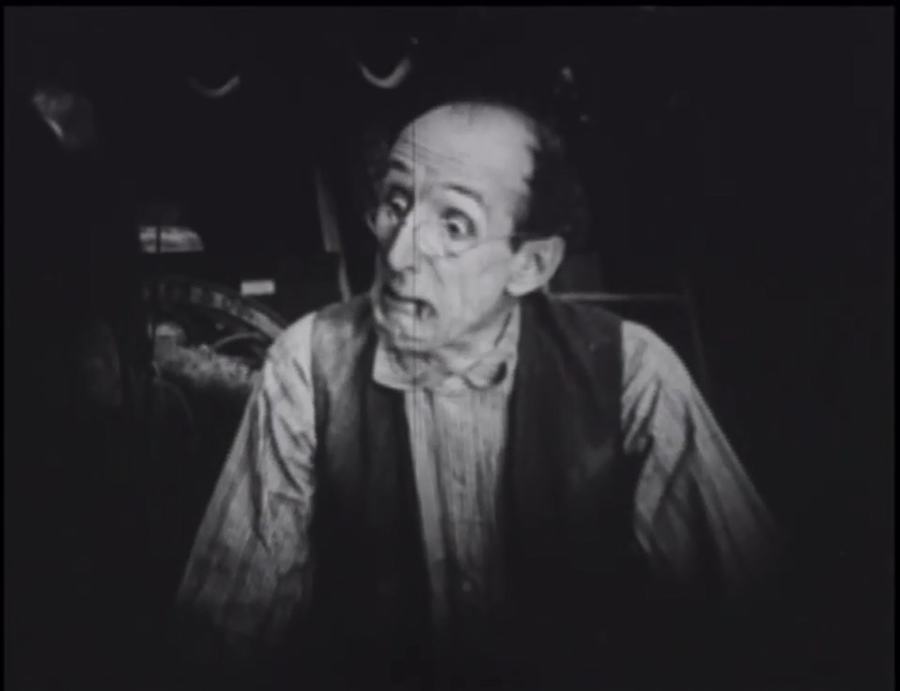
The comedic relief is masterfully handled by stalwarts like Edgar Kennedy and Tom Kennedy, whose physical presence and timing add layers of levity to the proceedings. Edgar Kennedy, with his signature slow-burn reactions, provides some truly memorable moments, often as an unwitting participant in Mickey's chaotic adventures, reminiscent of his later work in countless comedic shorts. Minnie Devereaux and Minta Durfee, though in smaller roles, contribute to the tapestry of the aunt's household, further illustrating the social dynamics at play. Even characters like George Nichols and Clarence Lyndon, often in the background, subtly reinforce the atmosphere of the two disparate worlds. This ensemble, under the guidance of the writers, crafts a believable and engaging universe, demonstrating that even in silent cinema, a strong supporting cast can elevate a film from good to truly memorable. Their interactions with Mickey are not just plot devices; they are opportunities for character development and thematic exploration, making the world of the film feel robust and lived-in.
Beyond the surface narrative of an orphan finding her way, Mickey delves into profound thematic territory. At its core, it's a celebration of authenticity. Mickey's refusal to conform entirely to the artificial strictures of high society is not portrayed as stubbornness, but as a virtue. Her genuine emotions, her unpretentious actions, and her innate sense of justice stand in stark contrast to the often hypocritical and superficial world she encounters. This thematic through-line makes the film incredibly resonant, even a century later. It asks us to question what truly constitutes 'refinement' and whether true character can be masked by external appearances. In an era that often glorified social climbing, Mickey's steadfast adherence to her true self is a refreshing and powerful statement.
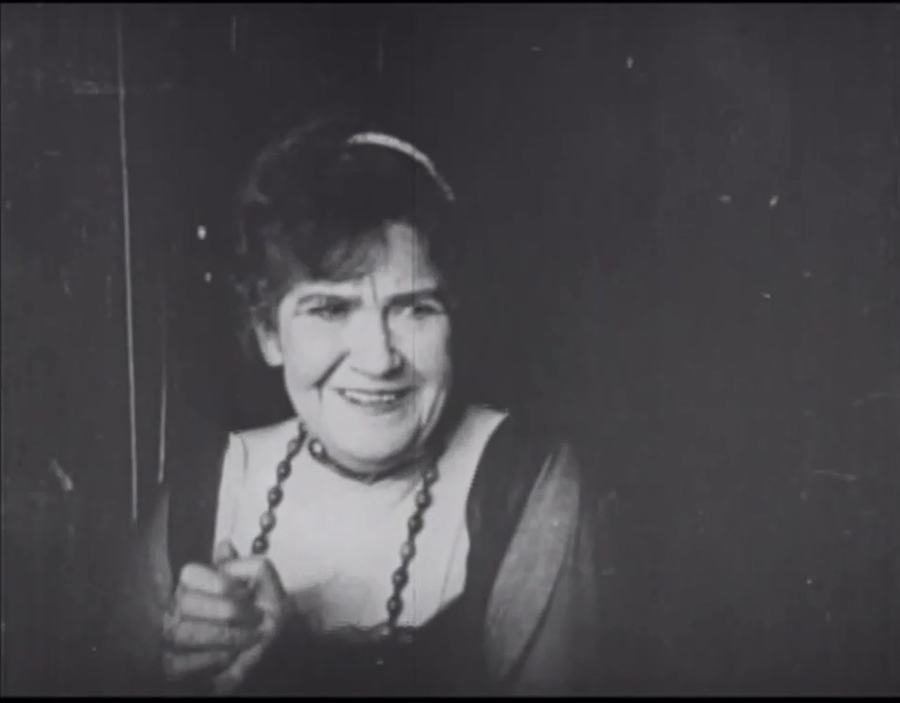
The film also champions the spirit of resilience. Mickey faces numerous setbacks, misunderstandings, and outright malicious plots, yet she never truly breaks. Her spirit, forged in the demanding environment of the mining town, proves robust enough to withstand the pressures of urban sophistication and social ostracism. This indomitable quality makes her a truly inspiring heroine. Unlike the often delicate protagonists of some contemporary melodramas, Mickey is a proactive agent in her own destiny, confronting challenges head-on with a delightful mix of ingenuity and pluck. This proactive heroism aligns her more with adventurous figures seen in films like The Romance of Tarzan in terms of sheer tenacity, though obviously in a vastly different setting and context. Her ability to overcome adversity with wit and courage is a central pillar of the film's appeal.
The romance, too, is handled with a delicate touch. It's not merely a subplot but an integral part of Mickey's journey of self-discovery. Her ability to inspire genuine affection in the initially skeptical young heir speaks volumes about the power of true character over superficial charm. The film subtly suggests that real love blossoms when one is seen and appreciated for who they truly are, rather than for their social standing or acquired graces. This message, while perhaps simplistic by modern standards, was undoubtedly powerful in an era often preoccupied with social climbing and arranged marriages. It’s a testament to the film's belief in the triumph of heart over artifice, a timeless narrative that continues to captivate audiences.
From a technical perspective, Mickey is a fascinating study of early cinematic craftsmanship. The direction, while perhaps not as overtly experimental as some of its contemporaries, is remarkably effective in its storytelling. The pacing is brisk, the comedic timing sharp, and the dramatic moments land with genuine impact. The use of intertitles, a crucial element of silent film, is handled with precision, providing necessary exposition and enhancing the emotional beats without ever feeling intrusive. The cinematography captures both the stark beauty of the mining landscapes and the intricate details of the New York residences, creating a visual contrast that underscores the film's central themes. The visual language is clear, engaging, and serves the narrative without unnecessary flourish.
The writing by J.G. Hawks and Hampton Del Ruth is exceptionally robust, crafting a narrative that balances humor, romance, and melodrama with considerable skill. They understand the strengths of their star, Mabel Normand, and construct situations that allow her unique talents to shine. The plot, while seemingly straightforward, contains enough twists and turns to maintain audience engagement throughout its runtime. It's a testament to their collaborative vision that the film feels both entertainingly light-hearted and surprisingly substantial. One can see echoes of this narrative construction, albeit with different genre trappings, in other character-driven silent films of the era like The Innocence of Lizette, which also relied on a strong central female performance to carry its emotional weight and explore themes of societal integration. The script for Mickey ensures that every character, no matter how minor, contributes to the overall tapestry of the story, enhancing its depth and appeal.
Over a century after its initial release, Mickey retains its charm and its relevance. It's more than just a historical curiosity; it's a vibrant piece of cinematic art that continues to entertain and inspire. Its success at the box office upon release was immense, solidifying Mabel Normand's status as a major star and demonstrating the public's appetite for stories that championed the underdog and celebrated genuine human spirit. The film's message about the importance of authenticity and the triumph of good nature over superficiality remains as pertinent today as it was in 1918. In an age often obsessed with outward appearances, Mickey serves as a delightful reminder that true worth lies within, a sentiment that never truly goes out of style.
For those eager to delve into the rich tapestry of silent cinema, Mickey offers an accessible and thoroughly enjoyable entry point. It's a film that showcases the artistry and ingenuity of early Hollywood, while simultaneously delivering a timeless narrative that resonates across generations. From the bustling energy of its leading lady to the carefully crafted comedic and dramatic beats, every element converges to create a truly memorable experience. It stands proudly alongside other notable character journeys of its time, like The Millionaire Vagrant, in its exploration of social mobility and personal transformation, though Mickey offers a distinctly more spirited and humorous take. So, if you ever find yourself pondering the foundational works of American cinema, do yourself a favor and seek out this spirited tale. You'll be richly rewarded by the indomitable charm of Mickey, and the brilliant star power of Mabel Normand, whose legacy continues to sparkle brightly in the annals of film history.
IMDb 4.9
1927
Community
Log in to comment.