DbcultAccessing Vault...
4.5/10
Senior Film Conservator
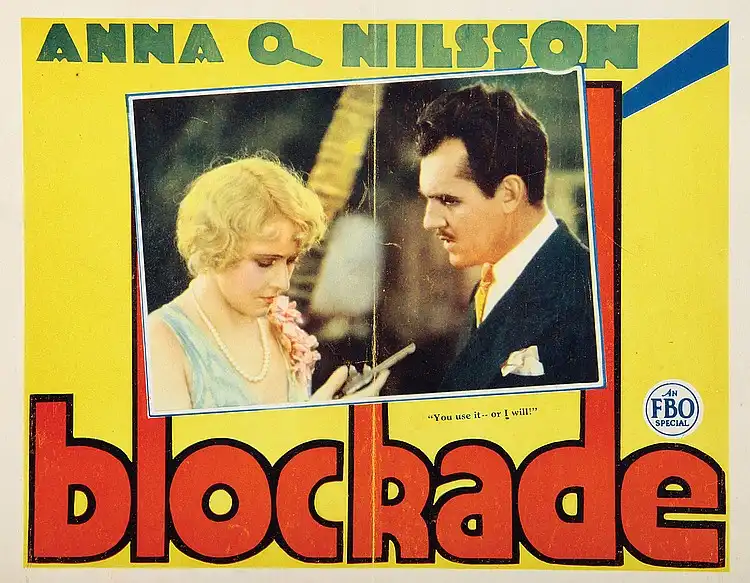
A definitive 4.5/10 rating for a film that redefined the boundaries of cult cinema. Blockade remains a cornerstone of transgressive art.
Alright, so you’re wondering if Blockade is worth your time today. Look, if you’re big into silent films, or just curious about how they told stories way back in 1928, then yeah, absolutely give it a shot. It's a real time capsule. But if you’re coming in expecting fast cuts and snappy dialogue, you're going to have a rough go. This one’s for the patient, for those who appreciate a good, old-fashioned melodrama where every gesture counts. For everyone else, it’s probably a hard pass. No shame in that, it’s a specific taste. ❄️
The whole setup here is pretty classic: a remote outpost, deep in the snowy mountains, suddenly cut off from the rest of civilization. A proper Border Sheriff kind of isolation, but with more snow and less horses. A real blockade, you know? It throws everyone together, and you just know that’s going to brew up some drama. And boy, does it.
Anna Q. Nilsson, as the main character, carries a lot of the film. Her expressions are huge, exactly what you’d expect from this era. Sometimes it almost feels like she’s trying to communicate a whole novel just with her eyes, and honestly, she kinda does. There’s a scene early on where she looks out at the endless snow, and you can practically feel her despair. Not just acting, but *feeling* it.
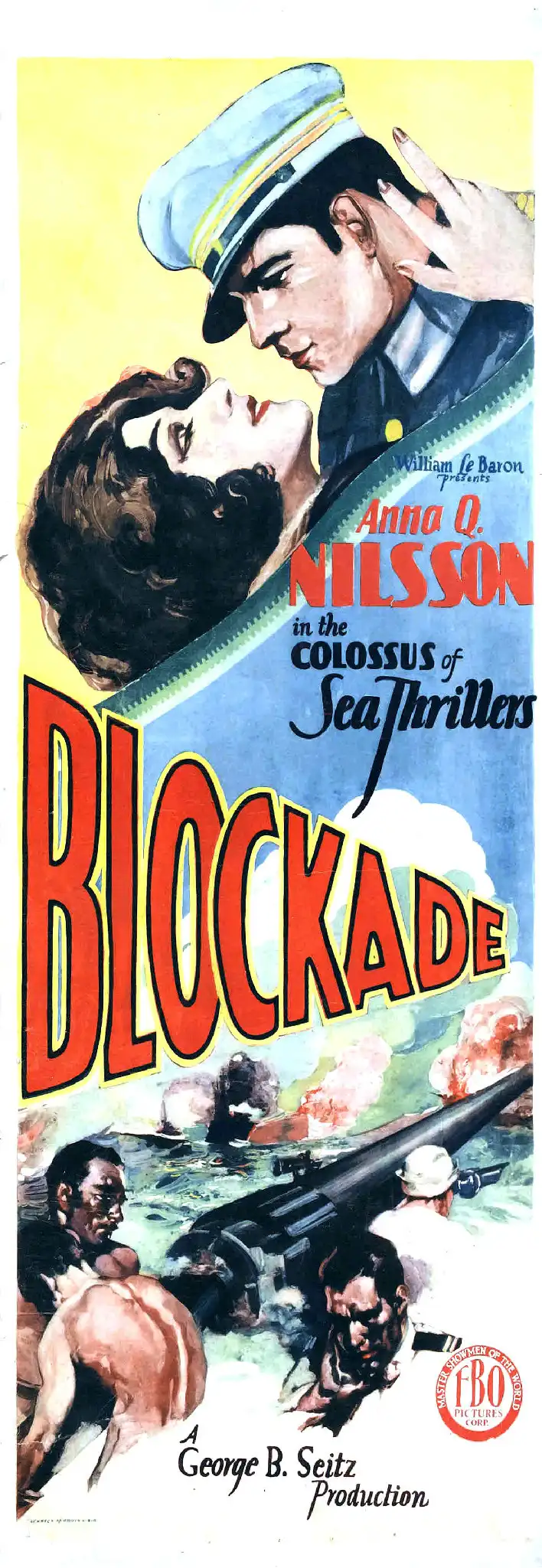
Walter McGrail plays the stern, perhaps misunderstood, type. He has this way of furrowing his brow that just screams 'I'm brooding, but I also might be good, you never know!' You spend half the movie trying to figure out if you should trust his character or not. It's a fun little game. His intensity sometimes feels a bit much, but then again, that’s silent film for ya.
Wallace MacDonald is also in the mix, usually as the other part of whatever romantic tangle is going on. He's got a more open, earnest face, which makes his character feel a bit more straightforward. The conflict between him and McGrail’s character, well, it’s a bit predictable, but they sell it with some serious stares. There's one moment, a close-up, where they're both just glaring at each other across a table. It goes on about 10 seconds too long, and you start to wonder if they forgot to cut. But then it makes the eventual punch-up feel earned, you know?
The pacing is, naturally, pretty deliberate. There are long stretches where it’s just people reacting, or walking, or staring out windows. The title cards do a lot of the heavy lifting, explaining motivations or moving the plot along. Some of them are really quite poetic. Others are just… functional. You sometimes get a card that basically says, 'It was a really long winter.' And you’re like, 'Yeah, I get it.' 😅
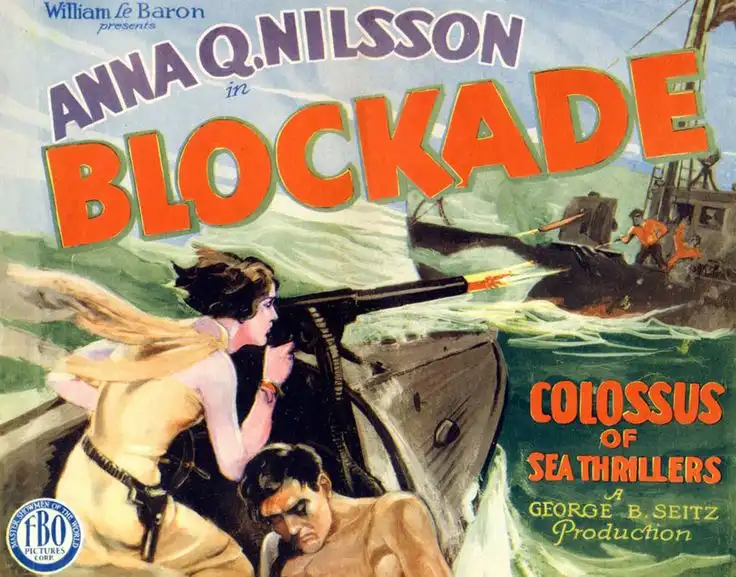
One specific detail that stuck with me was the way the snow looked. It’s obviously not CGI, it’s real, and it has this tangible, heavy quality to it. There’s a shot of a snowdrift piled against a cabin wall that just feels so real, so *cold*. It really sells the isolation. The set design for the interiors, though simple, just works. It makes you feel like you’re right there, huddled by a fire, listening to the wind howl. Or, well, *imagining* the wind howl since it's silent.
The writers, there's quite a few listed for this one: Louis Sarecky, George LeMaire, John Twist, Harvey F. Thew, Randolph Bartlett. It kinda makes you wonder how many different directions this story went before it landed on the screen. Maybe that's why some of the subplots feel a little less developed, like they had too many cooks in the kitchen. Not a bad thing, just a thought. Like, one minute someone's sick, the next they're fine, and it was a bit confusing.
It’s not a masterpiece, not by any stretch. But it’s a solid piece of its time. It’s got that raw, immediate drama that silent films often do so well. The stakes feel genuine, even if the acting is dialled up to eleven. You know, you watch films like The Deadlier Sex and you see similar themes, but there's a particular earnestness to Blockade that kinda wins you over.
The ending is… well, it gives you closure, but it doesn't try to wrap everything up in a neat little bow. It just sort of, resolves. And then the film ends. Which feels very honest, actually. Not every story needs a big, grand finale. Sometimes, just surviving the winter is enough of a victory. And for these characters, it really felt like it was. A testament to simple storytelling, I guess.
IMDb —
1922
Community
Log in to comment.