DbcultAccessing Vault...
5.9/10
Senior Film Conservator
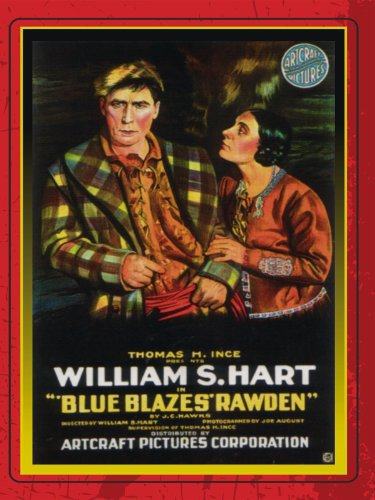
A definitive 5.9/10 rating for a film that redefined the boundaries of cult cinema. 'Blue Blazes' Rawden remains a cornerstone of transgressive art.
Stepping into the world of ‘Blue Blazes’ Rawden is akin to sifting through the dust-laden annals of early American cinema, a journey that reveals not just a film, but a foundational narrative archetype, etched into the very bedrock of the Western genre. This particular offering, featuring the iconic William S. Hart, transcends a mere plot summary, delving instead into the intricate dance of human fallibility, moral ambiguity, and the relentless, often brutal, pursuit of a self-fashioned justice that characterized the frontier. It’s a compelling tableau, painted with broad strokes of passion and betrayal, set against a backdrop that feels both expansive and claustrophobic in its starkness. The film, a product of its time, speaks volumes about the societal anxieties and romanticized ideals of an era grappling with its own myths, presenting a story that, despite its age, resonates with a raw, timeless power. The craftsmanship, though adhering to the conventions of silent cinema, manages to convey a depth of emotion and a complexity of character that many contemporary works struggle to achieve, proving that true artistry transcends technological limitations.
At its core, ‘Blue Blazes’ Rawden is a study in contrasts, a chiaroscuro of character and circumstance. We begin with “Lady Fingers” Hilgard, a figure of intriguing contradiction. His aristocratic English heritage clashes violently with his chosen existence as the proprietor of a dance hall in the rough-and-tumble Lumber Cove. He is the black sheep, not merely by birthright but by deliberate choice, a man who has traded societal expectations for the untamed freedom and moral laxity of the frontier. His moniker, “Lady Fingers,” itself suggests a man out of place, perhaps a touch effete for the rugged environment he now inhabits, yet he holds sway, albeit precariously, over his small domain. This inherent tension in Hilgard's character provides a rich vein for exploration. Is he seeking redemption, or merely reveling in his own rebellion? His attachment to Babette, a woman of evident allure and shifting loyalties, further complicates his already precarious standing. Babette herself is a fascinating, if morally ambiguous, character. She is the object of desire, but also an active agent in the unfolding drama, her affections a volatile commodity that dictates the course of men's lives. Her ultimate actions, particularly in the aftermath of the duel, paint her as a figure of shrewd self-preservation, capable of profound deception. This portrayal of a strong, yet ethically compromised, female character is noteworthy for its era, offering a glimpse into the evolving roles and representations of women in early cinema, even if her agency is often directed towards manipulative ends.
The catalyst for the film's dramatic escalation arrives in the formidable persona of Blue Blazes Rawden, portrayed with the gravitas and stoicism that became William S. Hart’s indelible signature. Hart, a pioneer of the authentic Western, imbued his characters with a palpable sense of moral struggle and a rugged individualism that resonated deeply with audiences. In Rawden, we see the archetypal Hart hero: a man of action, perhaps rough around the edges, but possessing an inherent, if sometimes misguided, sense of honor. His arrival in Lumber Cove with his men for a spree is not just a plot device; it’s an invasion of Hilgard’s established, albeit tenuous, order. The immediate shift in Babette’s affections from Hilgard to Rawden is a testament to Rawden’s raw charisma and perhaps a reflection of Babette’s desire for a man who embodies the untamed spirit of the West more fully than the refined, yet fallen, Hilgard. This sudden realignment of loyalties sparks the inevitable confrontation, a duel provoked by Hilgard’s taunts, a desperate attempt to reclaim what he perceives as his own: his woman, his reputation, his very standing in this harsh world. The stakes are clear, brutal, and quintessentially Western: winner takes all. This particular dramatic pivot, the duel, is a classic trope, yet in Hart's hands, it transforms into something more profound, a clash of ideologies as much as a contest of marksmanship.
The immediate aftermath of the duel is where the film veers into a fascinating exploration of truth, perception, and manipulation. Hilgard falls, seemingly at Rawden’s hand. But Babette, with a chilling presence of mind, discovers Rawden’s gun has not been discharged. In a moment of calculated self-interest, she fires a shot, creating the illusion that Rawden acted in self-defense. This act of deception is pivotal, setting in motion a chain of events that exposes the fragile nature of justice in a world where appearances can be painstakingly crafted. Rawden, genuinely believing he fired the fatal shot, accepts Babette’s fabricated narrative, highlighting his own susceptibility to manipulation despite his rugged exterior. This twist elevates the story beyond a simple tale of revenge or frontier justice; it becomes a psychological drama, examining the burden of perceived guilt and the insidious power of a lie. The audience is privy to the truth, creating a dramatic irony that permeates the subsequent scenes, forcing us to question the very fabric of Rawden's reality and the motivations of those around him. This element of hidden truth and its eventual unraveling echoes the narrative tension found in films like The Catspaw, where characters are unwittingly entangled in webs of deceit, or even the moral quandaries presented in The Innocent Sinner, where questions of guilt and innocence are far from clear-cut. The tension here isn't just about survival, but about the survival of one's soul and reputation in the face of a hidden truth.
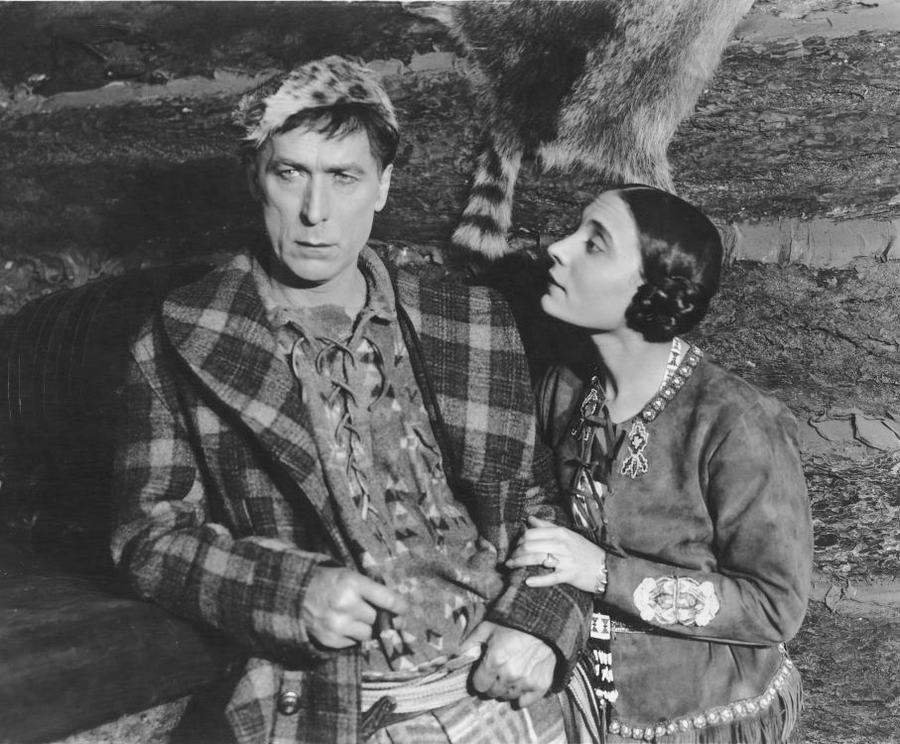
The arrival of Hilgard’s mother and younger brother introduces another layer of profound pathos and moral complexity. Their journey to this wild outpost, driven by grief and a desire to understand their lost son, is a stark reminder of the civilized world that Hilgard had abandoned. The old lady, in particular, embodies a maternal affection that transcends the immediate circumstances. She sees in Rawden not the killer of her son, but a companion, a friend, a man who perhaps shared the last moments of her boy’s life. This misplaced tenderness is heart-wrenching, a testament to Gertrude Claire’s empathetic portrayal, and it casts Rawden’s unwitting deception in an even darker light. He is trapped, bound by Babette’s lie, forced to accept the warmth of a woman whose son he believes he killed. This sequence is a masterclass in silent film acting, where gestures, expressions, and the subtle interplay between characters convey the immense emotional weight of the situation. It forces Rawden, and the audience, to confront the profound human cost of his actions, or rather, his perceived actions. The dynamic here is rich with dramatic irony and emotional resonance, a testament to J.G. Hawks' writing, which manages to weave such a intricate emotional tapestry within the confines of a frontier narrative.
But the fragile peace, built on a foundation of lies, cannot endure. Babette, scorned by Rawden’s subsequent emotional distance – perhaps a consequence of his guilt, or simply his nature – becomes the instrument of truth’s brutal revelation. Her motivations are complex: wounded pride, a desire for vengeance against Rawden for rejecting her, or perhaps a twisted form of justice for Hilgard, even if she herself was complicit in the cover-up. She reveals to Hilgard’s younger brother the true circumstances of “Lady Fingers’” death, shattering the illusion and exposing Rawden’s unwitting involvement in a lie. This moment is the narrative's turning point, the point of no return. Rawden, unable to deny the truth now that it is laid bare, is faced with the full weight of his predicament. The revelation strips away the false comfort of his perceived self-defense, leaving him exposed and vulnerable. William S. Hart’s ability to convey this internal turmoil through his physical presence and nuanced expressions would have been paramount here, showcasing the profound impact of such a devastating truth. The confrontation, though perhaps brief, would have been charged with an almost unbearable tension, as the family's grief morphs into righteous anger, and Rawden's stoicism cracks under the weight of the undeniable. This dramatic shift in the narrative’s emotional landscape is what gives ‘Blue Blazes’ Rawden its lasting power, transforming it from a simple Western into a poignant exploration of consequences and moral reckoning.
The film culminates in Rawden’s solitary departure, a poignant and archetypal Western ending. Despite Babette’s frantic, desperate entreaties – a sudden, almost desperate attempt to cling to the man she both manipulated and desired – Rawden once again hits the trail alone. This final act underscores the inherent loneliness of the frontier hero, a figure often destined to wander, carrying the burdens of his past. His inability to stay, even with Babette’s sudden change of heart, speaks volumes. Perhaps it is a sense of honor, a recognition that he cannot remain in a place built on such a profound deception, or perhaps it is the ingrained nature of the wandering spirit, a man who belongs to no fixed place. The road, the horizon, beckons as an escape from the entanglement of human deceit and emotional complexity. This resolution, while seemingly bleak, is also imbued with a certain grandeur, a testament to the rugged individualism celebrated in the genre. It’s a powerful image of a man choosing solitude over a life tainted by a lie, even if that lie was not entirely his own making. This theme of a man on the run, or forced to leave due to circumstances beyond his immediate control, resonates with other narratives of the era, such as Lost in Transit, where characters navigate sudden, life-altering journeys, or even The Death-Bell, where the consequences of past actions dictate a character's grim future. Rawden's journey, though physical, is ultimately an internal one, a retreat from the moral quagmire he inadvertently stumbled into.
The performances, even in the silent era, are crucial to conveying the intricate emotional landscape of ‘Blue Blazes’ Rawden. William S. Hart, as Blue Blazes, delivers a performance characteristic of his iconic screen persona. His stoicism, often masking deep internal conflict, makes Rawden a compelling figure. Hart had a unique ability to convey moral weight and a sense of inherent goodness beneath a hardened exterior, a quality that endeared him to millions. His portrayal of a man grappling with a false sense of guilt, and then the crushing reality of truth, would have been a masterclass in nuanced silent acting. Maude George, as Babette, must navigate a character of significant moral ambiguity, portraying both allure and ruthless cunning. Her ability to pivot from a desired woman to a vengeful manipulator would have required considerable skill, shaping the audience's perception of her as a complex, rather than merely villainous, figure. Gertrude Claire, as Hilgard's mother, provides the film's emotional anchor, her maternal grief and misplaced affection for Rawden offering a poignant counterpoint to the raw violence and deception. Robert McKim, Robert Gordon, and Jack Hoxie, though perhaps in supporting roles, would have contributed to the film's authentic frontier atmosphere, each adding a layer of grit and realism that was essential to the genre’s appeal. J.G. Hawks’ screenplay, while perhaps sparse in dialogue (as was the style of the time), clearly laid the groundwork for these rich characterizations and complex moral dilemmas, demonstrating a keen understanding of dramatic structure and human psychology.
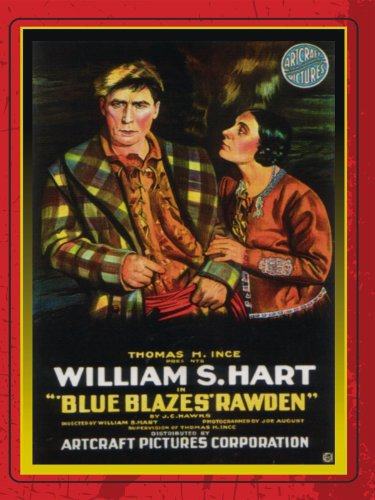
Visually, one can imagine ‘Blue Blazes’ Rawden employing the stark, expansive cinematography typical of early Westerns. The contrast between the dusty, sun-baked exteriors of Lumber Cove and the more intimate, perhaps dimly lit, interiors of the dance hall would have created a compelling visual dynamic. The duel itself, even without sound, would have been a spectacle of tension, relying on rapid editing and close-ups to convey the intensity of the moment. The final image of Rawden riding off into the sunset or across an open plain is an iconic trope, but in this context, it carries a heavy emotional weight, signifying not just freedom, but a form of self-imposed exile. The use of natural landscapes, a hallmark of the genre, would have served to emphasize the isolation and the unforgiving nature of the frontier, making the human drama feel even more immediate and vital. The film, in its silent grandeur, requires its audience to engage actively, to interpret the emotions conveyed through physical acting and visual storytelling, a form of cinematic engagement that is often lost in our sound-saturated contemporary landscape. This active participation fosters a deeper connection to the narrative and its characters, making the experience more immersive and memorable.
The thematic resonance of ‘Blue Blazes’ Rawden extends beyond its immediate plot. It explores the blurred lines between justice and vengeance, the corrosive power of deception, and the enduring quest for truth, however painful. Hilgard's tragic end is a cautionary tale about pride and the dangers of clinging to a fading past. Babette's actions highlight the manipulative potential within human relationships, especially when self-preservation and desire are at play. Rawden's journey, from unwitting participant to disillusioned wanderer, is a profound statement on the complexities of morality in a lawless land. The film doesn't offer easy answers; instead, it presents a tableau of flawed individuals navigating a world where survival often dictates ethics. This moral ambiguity is a strength, preventing the film from devolving into a simplistic good-versus-evil narrative. It challenges the audience to consider the nuances of each character's choices and the ripple effects of their actions. The exploration of these profound themes makes ‘Blue Blazes’ Rawden a more sophisticated work than many of its contemporaries, elevating it above mere genre fare into the realm of timeless storytelling. This thematic depth finds echoes in the explorations of human struggle and fate seen in films like The Gods of Fate, where characters grapple with forces beyond their control, or even The Price of Tyranny, in which the costs of power and control are laid bare. Here, the tyranny is more subtle, residing in the power of a lie and the emotional manipulation between individuals.
In conclusion, ‘Blue Blazes’ Rawden stands as a compelling example of early Western cinema, buoyed by a strong narrative and the powerful presence of William S. Hart. It’s a film that, despite its silent origins, speaks volumes about the human condition, about the allure of the frontier, and the harsh lessons learned in a world where honor is a fragile commodity and truth an elusive prize. The intricate plot, with its layers of deception and moral quandaries, ensures that the film remains engaging, even for modern audiences accustomed to more overt forms of cinematic storytelling. Its exploration of character, theme, and the very nature of justice in an untamed land secures its place as a significant contribution to film history. The raw emotionality, conveyed through the powerful performances and evocative visual language, transcends the absence of spoken dialogue, proving that universal stories can be told effectively through any medium. It is a testament to the enduring power of silent film to capture the imagination and provoke thought, leaving an indelible mark long after the final frame fades to black. This film isn't just a relic; it's a vibrant, living piece of cinematic artistry that continues to offer insights into the human heart and the American spirit. Its legacy endures, much like the lone rider disappearing over the horizon, a powerful image that continues to resonate with audiences across generations. The journey of Blue Blazes Rawden is a microcosm of the larger human experience, a tale of striving, failing, and ultimately, enduring, even if it means carrying one's burdens in solitary silence.
Reviewed by: An Expert Film Critic
For more insights into classic Westerns and silent cinema, explore our archives.
IMDb 5
1917
Community
Log in to comment.