DbcultAccessing Vault...
Cult Review
Senior Film Conservator
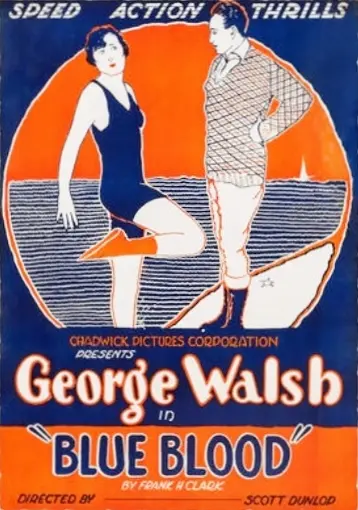
In the bustling metropolis of 1925, Leander Hicks, a chewing gum magnate, finds himself entangled in a web of familial expectations and commercial interests. His ambitious plan is to unite his daughter, Ella, with the son of a prominent food producer, thus securing alliances and ensuring the continuation of his family’s wealth and status. Yet, Ella's heart is not in this arrangement; she is enamored with Dr. Theodore Blackwood, a handsome and dedicated entomologist. This film, a silent gem from the silent era, offers a poignant exploration of the clash between societal pressures and individual desires.
The narrative unfolds with a meticulous attention to detail, capturing the essence of early 20th-century American life. Leander Hicks, portrayed with a blend of grandiosity and pragmatism, epitomizes the era's entrepreneurial spirit. His daughter, Ella, is a character of complexity, torn between familial duty and personal fulfillment. Dr. Theodore Blackwood, with his intellectual pursuits and gentle demeanor, represents the romantic ideal that often eludes the constraints of conventional life.
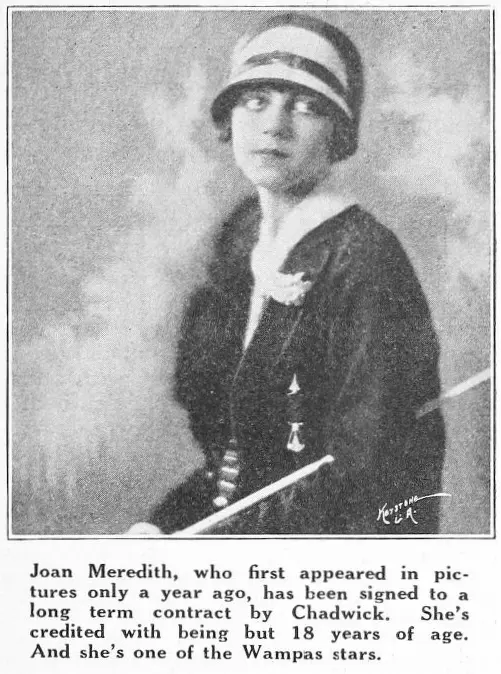
The cinematography of Blue Blood is nothing short of exquisite. The use of natural light and shadow creates a rich, atmospheric backdrop that enhances the emotional depth of the scenes. Close-ups of the characters' faces, particularly those of Philo McCullough and Joan Meredith, who play Leander Hicks and Ella, respectively, convey a range of emotions from determination to despair. The setting, a mix of urban landscapes and more serene, natural environments, serves as a visual metaphor for the characters' inner conflicts.
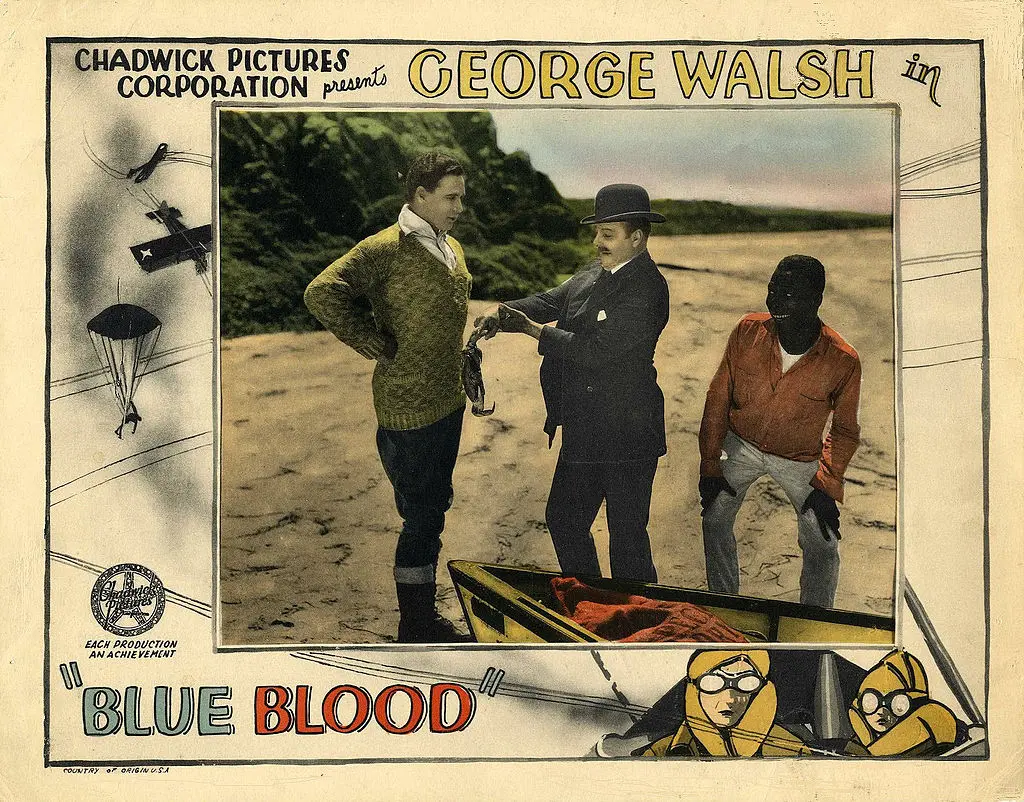
One of the film's strengths lies in its ability to weave together multiple plot threads seamlessly. The tension between Ella and her father is palpable, as is the growing relationship between Ella and Dr. Blackwood. The food producer’s son, a character of lesser depth but crucial to the plot, provides a necessary foil to Ella's romantic aspirations. This balance of character development and plot progression ensures that the audience remains engaged throughout the film.
The performances are noteworthy, especially those of the lead actors. Philo McCullough, in the role of Leander Hicks, brings a mix of charm and authority to the character. His interactions with Joan Meredith are particularly compelling, showcasing the complexity of their relationship. Joan Meredith, as Ella, delivers a nuanced performance that captures both the defiance and vulnerability of her character. The supporting cast, including Robert Bolder, George Walsh, and Cecille Evans, add depth to the narrative without overshadowing the central story.
While the film operates within the conventions of its time, it also demonstrates a precursor to modern romantic comedies and dramas. The themes of arranged marriages and the struggle for personal autonomy resonate across decades, making it a timeless piece of cinema. The film's exploration of the tension between tradition and individuality is particularly relevant in today's context, where societal norms and personal choices often intersect.
Blue Blood (1925) stands as a testament to the artistry and storytelling prowess of its era. Its silent format, while a limitation in terms of dialogue, allows for a more focused exploration of visual storytelling and character development. The absence of subtitles might be a hurdle for contemporary audiences, but the film's visual richness and emotional depth more than compensate for this.
The film's soundtrack, although not as elaborate as in modern productions, contributes to the overall ambiance. The interplay between the visual and aural elements, such as the subtle use of sound effects and the minimal musical score, enhances the film's immersive quality. The score, while sparse, adds a layer of emotional resonance to key scenes, particularly during moments of tension or revelation.
Comparisons to other films of the silent era, such as The Writing on the Wall and Ashes of Hope, offer a glimpse into the broader context of early 20th-century cinema. These films, like Blue Blood, delve into the complexities of human relationships and societal norms, albeit with different themes and settings. However, Blue Blood's focus on the intersection of business and personal life sets it apart, making it a unique contribution to the genre.
In conclusion, Blue Blood (1925) is a film that transcends its era, offering a rich narrative that resonates with contemporary audiences. Its exploration of arranged marriages and the pursuit of personal fulfillment is both a product of and a commentary on its time. For cinephiles and film enthusiasts, this silent gem is a must-see, a reminder of the power of visual storytelling to captivate and engage the audience.
IMDb —
1918
Community
Log in to comment.