DbcultAccessing Vault...
6.7/10
Senior Film Conservator
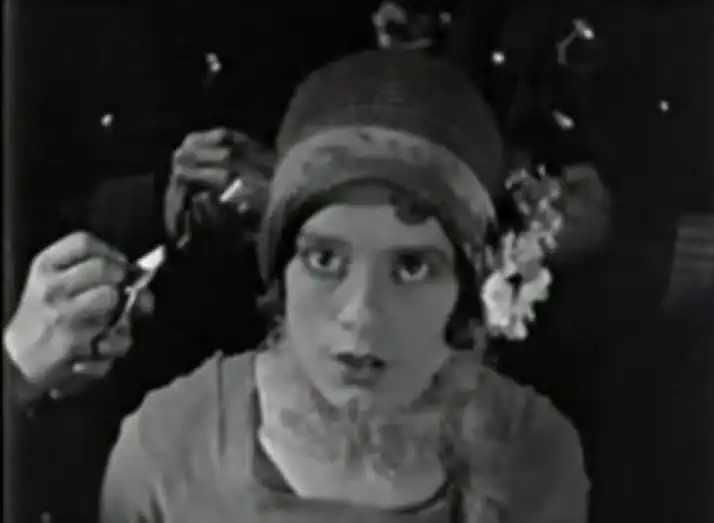
A definitive 6.7/10 rating for a film that redefined the boundaries of cult cinema. Blue Bottles remains a cornerstone of transgressive art.
"Blue Bottles," if you're looking for a brisk, action-packed thrill ride by modern standards, probably isn't for you. Folks really into early British cinema, or anyone fascinated by how simple stories were told a century ago, they might find a quiet joy here. If you're hoping for something with tight pacing or character depth, you might struggle to connect. 🤷♀️
The premise is quite something: a whole convention of criminals! It sounds like a cartoon idea, but the film treats it with this odd seriousness. You get these glimpses of shady characters arriving, almost like a corporate retreat but for, well, bad guys. It’s less menacing, more just… there.
Our poor policeman, investigating this gathering, gets nabbed a bit too easily. Like, one minute he’s doing his duty, the next he’s gone. It’s a very quick transition, almost like the film just wanted to get to the next plot beat. No fuss, no muss.
Then comes the whistle. A young woman, just happens upon it. It’s the kind of plot device that would get laughed out of a room today, but back then, it just works. She blows it, and suddenly, the cavalry arrives. And by cavalry, I mean a whole swarm of "Blue Bottles" – the police, if you didn't know the old slang. 🚨
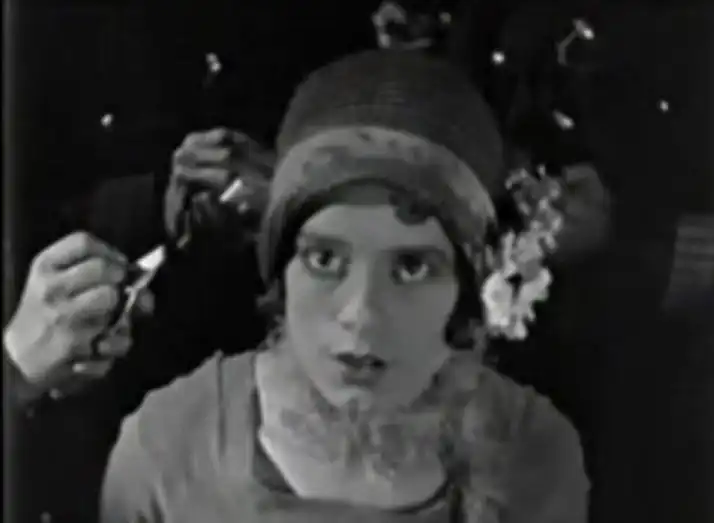
The sheer number of police officers that appear is quite something. It's almost comical, this sudden flood of bobbies, all converging on this one spot. The scale of it feels almost grand for such a simple premise, like the whole force was just waiting for a signal.
Charles Laughton is in this, even early in his career, and you can see a glimpse of that presence. He's not the Laughton of "Mutiny on the Bounty" yet, but there's a certain intensity in his eyes. He plays one of the bobbies, and he really leans into the role. You feel his conviction.
Elsa Lanchester, too, has a brief but memorable turn. She’s got this sharp, almost knowing look. For a film that's essentially a chase and capture, these actors really try to give their small parts some weight. It's subtle, but it's there.
The whole confrontation between "order and disorder" is the main event. It’s not a shoot-out, of course, but more of a chaotic scramble. People running, a bit of fumbling, a lot of shouting. Our heroine, caught right in the middle, feels genuinely overwhelmed, which is a nice touch. It could have been just noise, but her reactions anchor it.
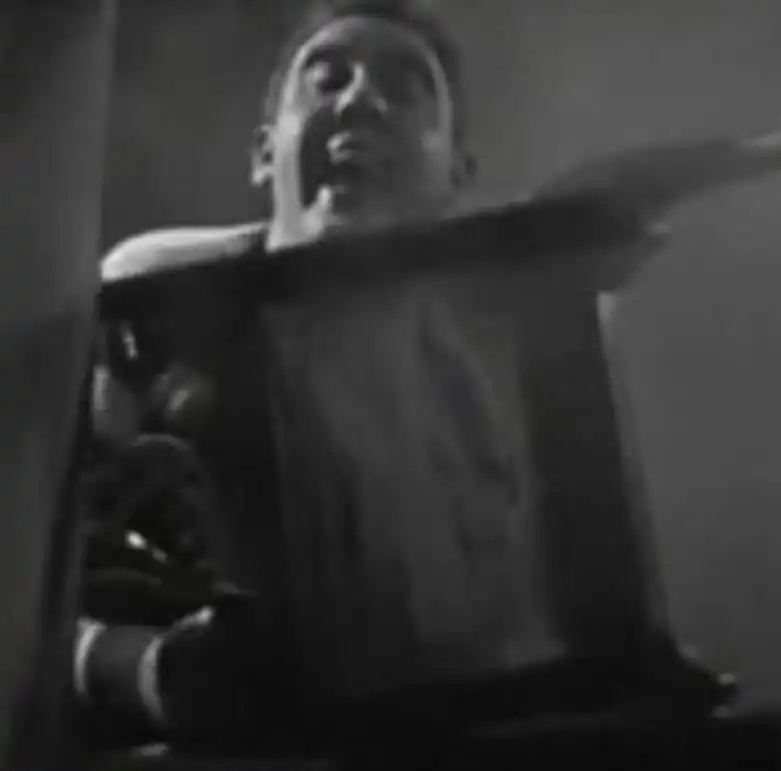
One shot of a criminal trying to sneak away, only to bump right into a waiting officer, is so perfectly timed. It's a small laugh, but a genuine one. It reminds you that these early films, even with their technical limitations, understood comedic timing.
The pacing, well, it’s deliberate. Some scenes feel like they hang a moment too long. Others, like the abduction, are over before you quite grasp what happened. It’s uneven, but that’s part of its charm, I suppose. It feels less like a meticulously planned film and more like a story unfolding.
The ending is pretty straightforward. No big surprises. It delivers on its promise of a confrontation and a resolution. It’s not trying to be clever or deep. It’s just… that. Which, for a film of its era, is often enough.
You really notice the way they staged these large crowd scenes. Sometimes it feels a little staged, like everyone's waiting for their cue. But then a shot will capture a genuinely frantic energy, and you remember the craft involved. It's a mixed bag, visually.
Is it a masterpiece? Nah. Is it an interesting slice of early cinema with some surprising performances? Absolutely. It’s a bit of a historical oddity, really. Worth a watch if you like digging into the past of film, and you're curious about how things were done before all the fancy tricks. You might even crack a smile at the earnestness of it all. 😊
IMDb —
1936
Community
Log in to comment.