DbcultAccessing Vault...
6/10
Senior Film Conservator
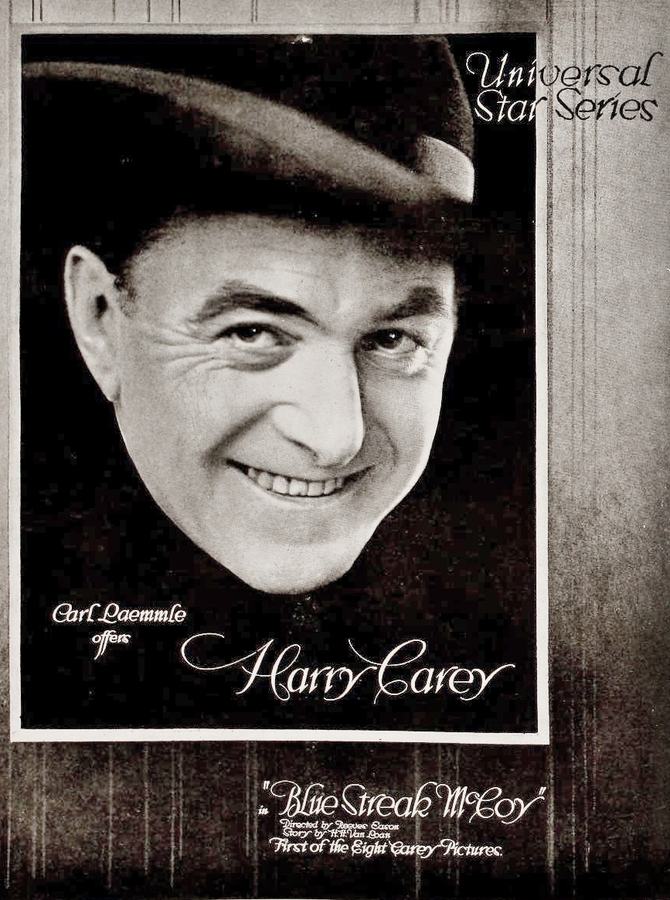
A definitive 6/10 rating for a film that redefined the boundaries of cult cinema. Blue Streak McCoy remains a cornerstone of transgressive art.
Somewhere between the last gasp of nickelodeon frenzy and the first blush of Roaring-Twenties spectacle, Blue Streak McCoy detonated onto screens like a stick of dynamite wrapped in moral ambiguity. Harvey Gates and H. H. Van Loan’s screenplay is less a linear plot than a tintype fever dream: a ranger who signs his name with bullets, a father-daughter dyad clutching a subterranean cathedral of silver, and a villain who already owns the town before the first reel flickers alive.
Director William James Craft understood that silent cinema’s grammar is carved in faces, not words. Ray Ripley’s McCoy squints into the middle distance and the desert itself seems to confess. The economy of gesture here rivals Murnau—when McCoy’s gloved thumb grazes his holster, the gesture carries the same omen as a storm front rolling across the prairie. Craft’s camera lingers on those micro-movements, letting the audience decode intent while intertitles nap in the corner like tired bar dogs.
Charles Le Moyne’s turn as mine-grabbing magnate Silas Croach is a masterclass in velvet menace. He enters the frame from below, hat brim devouring light, and when he smiles the corners of his mouth seem to spill soot. The performance predates and predicts the urbane sadism of later noir heavies; you can trace a crooked bloodline from Crouch to Værelse Nr. 17’s hotelier of horrors and even to the banker in Sir Arne’s Treasure who bartered souls for gold.
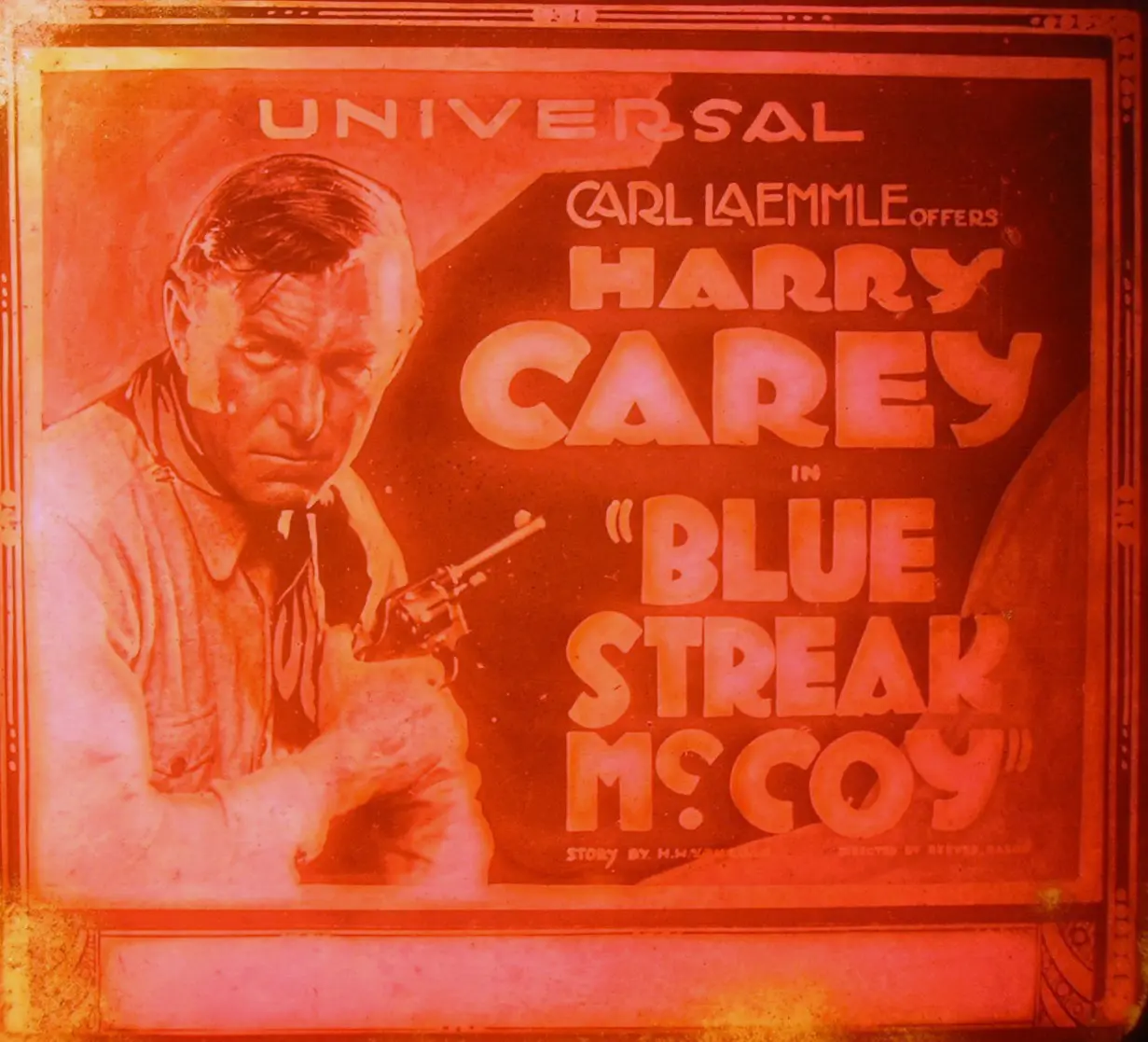
Ruth Fuller Golden’s Ruth Marlowe is anything but the decorative ingénue Westerns usually shackle to railroad tracks. Her first close-up—a smear of lamplight across cheekbones that look carved from canyon rock—announces a heroine who reads ore assays as fluently as love letters. Watch the way she weighs a Winchester in her palms, testing balance the way a conductor tests silence before the downbeat. Golden’s chemistry with Ripley crackles without the safety net of spoken dialogue; their courtship is a semaphore of traded glances, boot soles scuffing the same dust, and the synchronized lean over a assay fire that could be either flirtation or funeral pyre.
The film’s visual palette is a chiaroscuro fever: sun-flayed exteriors bleach wood to bone-white while cavern interiors drip ink. Cinematographer Ross Fisher (unjustly forgotten today) shoots the mine like a cathedral nave, timber beams ribbing darkness the way Gothic arches rib heaven. When McCoy descends alone, lantern in hand, the frame halves into sulfuric yellow and abyssal black, predicting the spiritual bifurcation every Western hero must navigate.
Action choreography feels modern because it is primal. A horseback pursuit across slickrock unfolds in long shots that allow geography to breathe; stunt riders tumble down slopes that still scarred the landscape decades later. Compare this kinetic honesty to the studio-bound stiffness of Cyclone Smith’s Comeback and you’ll see why Blue Streak McCoy became a bootleg favorite among 1930s rodeo circuits who projected it against barn walls between bull-riding heats.
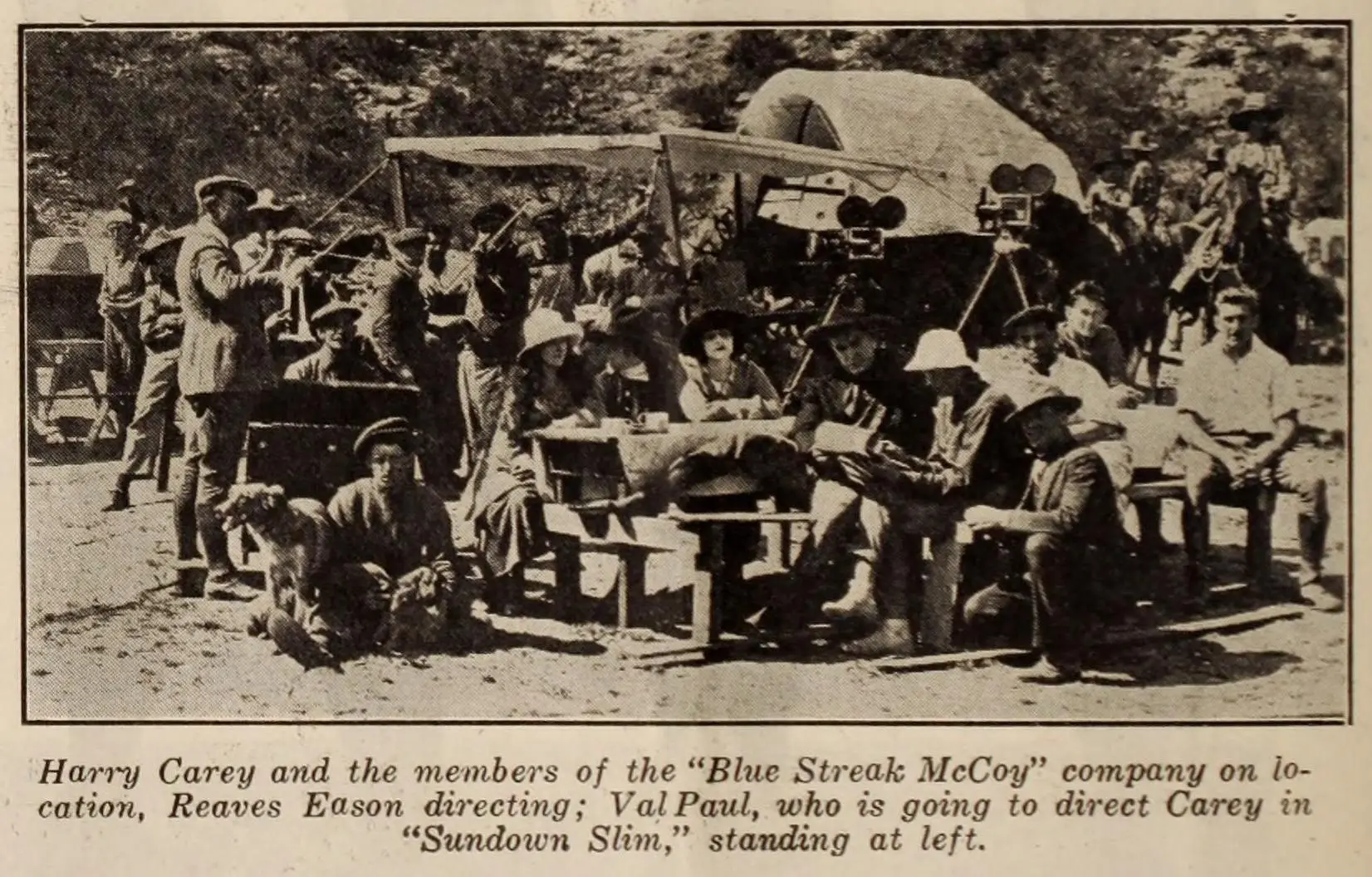
Yet the film’s true shoot-out occurs in moral twilight. McCoy’s badge grants him legal kill-license, but every corpse he drops stains that tin shield a deeper rust. In a surreal midnight poker game played inside the assay office, Crouch antes the mine deed while McCoy stakes his star; cards slide across felt like coffin lids, and the room’s single kerosene lamp throws shadows that resemble gallows. The sequence predicts the existential card-table standoff in Eerie Tales but swaps German expressionism for frontier fatalism.
Harry Carey’s cameo as a broken-down sheriff is a whispered homage to Ford’s early oaters; Carey’s weather-cured face fills the screen like a Mount Rushmore of regret. His single intertitle—“The law’s just a rusted spur; sometimes a man’s gotta walk barefoot”—condenses the film’s worldview into haiku. When he hands McCoy his tarnished badge, the gesture feels like generational abdication: the Old West passing torch to a gunslinger who might outdraw history itself.
The restoration available on Kino’s 4K disc reveals textures lost for a century: sawdust motes float in saloon shafts, and the veins in Crouch’s marble-eyed stare pulse like live serpents. Benjamin Model’s new score—banjo, bones, pump organ—avoids sepia cliché; instead it throbs with proto-bluegrass rhythms that make your collarbone vibrate. Headphones disclose ghost harmonics that may be either string overtones or the mine itself humming through a century.
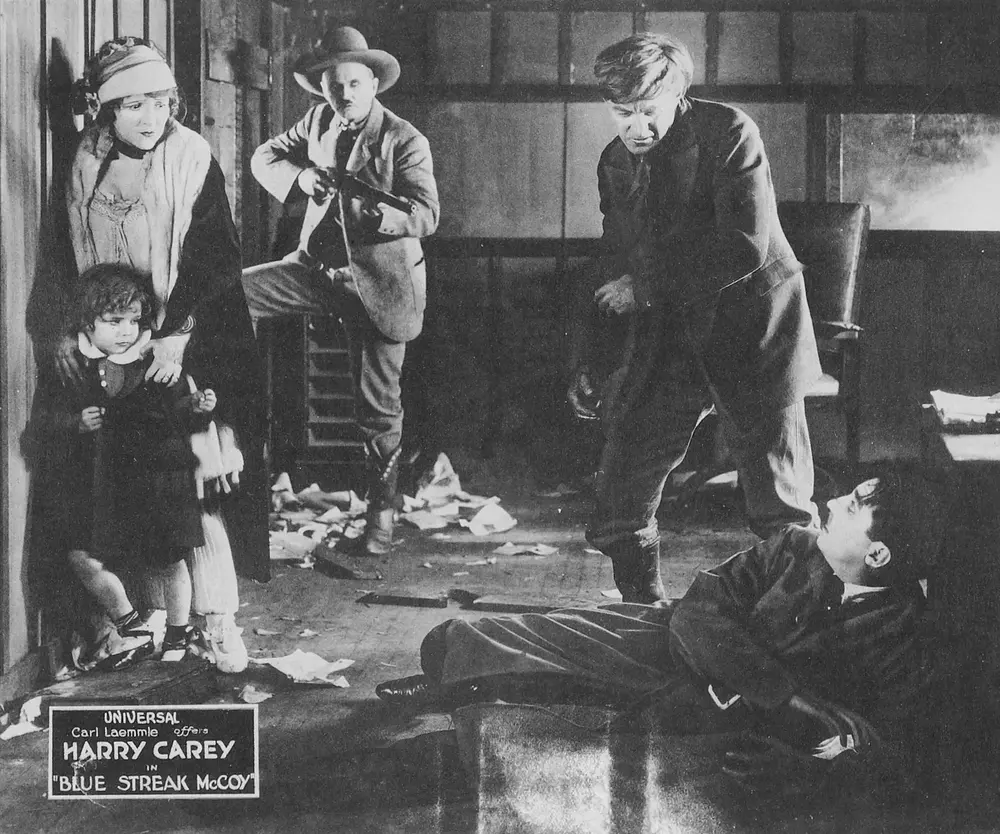
Social resonance glimmers beneath the genre chassis. The script flirts with class warfare: miners gather in candle-lit tunnels reading subversive pamphlets while Crouch’s goons patrol with Gatling guns. One intertitle—“Earth’s bowels belong to those who bleed into them”—could headline a 1919 labor strike poster. The film thus converses with contemporaneous agit-prop like A Law Unto Herself yet never sermonizes, letting dynamite do the talking.
Female solidarity surfaces in a bravura sequence inside the cathouse-parlor run by Lila Leslie’s Madame Lorraine. Working girls pass a derringer hand-to-hand beneath petticoats until it lands in Ruth’s palm—a matrilineal relay of rebellion that prefigures the covert networks in The Return of Mary. The camera circles the parlor like a moth, catching lace, pistol-oil sheen, and the collective exhale of women who’ve learned to weaponize invisibility.
The climax detonates inside the mine at dawn. McCoy and Crouch grapple ankle-deep in groundwater reflecting lantern flames, so every punch sends ripples of light across the walls like Morse code. When the villain finally plummets into a shaft, the fall seems infinite because Craft cuts to the girl at the mine mouth—she hears the scream echo up from darkness and her face registers not triumph but the nauseating recognition that capital punishment, even when deserved, hollows the soul.
Coda arrives in a locomotive epilogue. McCoy, badge-less, boards a train with Ruth and her father; silver ore glints in crates stenciled “U.S. Mint,” yet the ranger stares not at wealth but at the receding desert. Through soot and steam the landscape looks both conquered and unconquerable, a reminder that every frontier closes only to open another inside the traveler. As the caboose vanishes, the camera tilts up to telegraph wires humming against sky—morse without end—suggesting the West’s mythology has merely migrated into the circuitry of modernity.
Seen today, Blue Streak McCoy feels less antique than prophetic. Its DNA strands coil through everything from Peckinpah’s elegiac violence to the feminist retributions of A Woman of Impulse. The film understands that Western myth survives by constant self-interrogation—by admitting the ranger’s fastest draw can’t outshoot his own shadow.
So revisit it, late at night, when city sirens substitute for coyote howls. Let the flickering monochrome remind you that every ounce of silver—and every frame of celluloid—carries a ghost wage. Blue Streak McCoy pays that debt in full, then flips the coin into darkness for the next wanderer willing to gamble soul against starlight.
IMDb —
1932
Community
Log in to comment.